
Posted on March 13, 2026
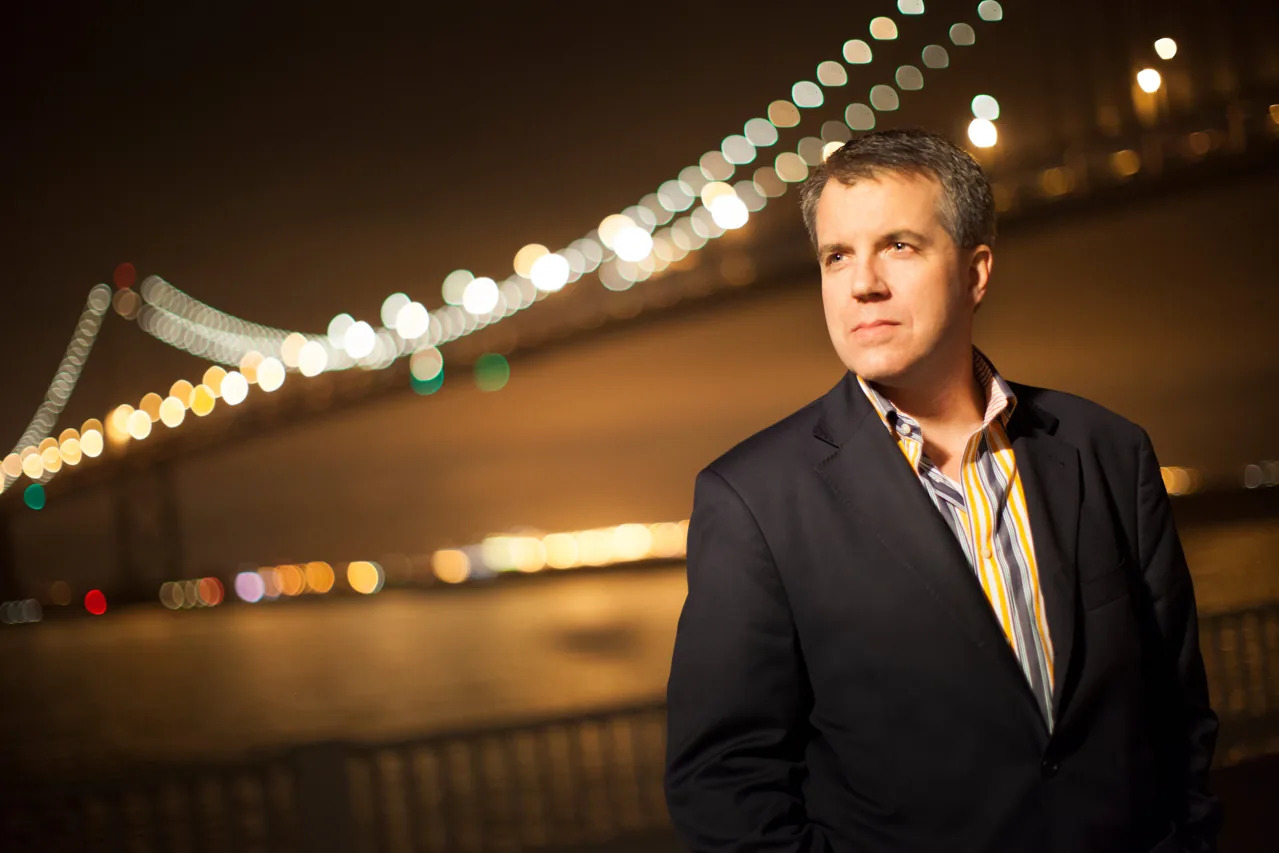
Major Nelson Joins Commodore: What Larry Hryb Means for the Commodore Revival
When a legacy brand tries to come back, there’s always one big question hanging over it: is this a real revival, or just another nostalgia play?
That’s why the news that Larry “Major Nelson” Hrybhas joined Commodore as Community Development Advisorfeels bigger than a routine advisory-board announcement. Commodore says Hryb will help support and expand its global community, with work tied to engagement, events, developer outreach, and programs that connect the company’s legacy to modern creativity and technology. That is not the language of a brand that wants to quietly sell a retro box to collectors and disappear. It sounds like a company trying to build an actual ecosystem around the Commodore name again.
Read More
Posted on February 26, 2026
Official Reveal! Marvel MaXimum Collection Trailer
Marvel nostalgia just got a very loud, very pixelated megaphone. Limited Run dropped the Marvel MaXimum Collection – Official Reveal Trailer and it’s basically a time machine set to “early-90s couch co-op chaos,” with that unmistakable energy of quarter-munching arcade cabinets and slightly-unfair console ports that we somehow loved anyway.
Read More
Posted on February 14, 2026
Retro Is the Cure: Why Extra Life Retro Exists
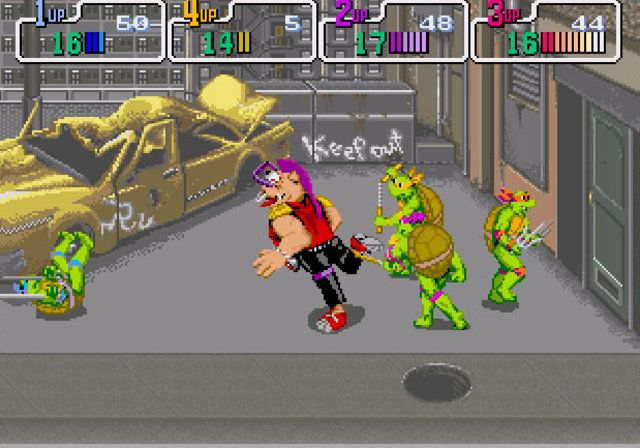
I’m launching Extra Life Retro because I love retro games.
That’s the simple truth.
But if I’m being honest, it’s not just love. It’s also a reaction—almost a refusal—to accept what gaming has become in the modern era. Somewhere along the way, the hobby that used to feel like pure discovery started feeling like an argument, a grind, a subscription, a scoreboard, and sometimes even a second job.
And here’s the part that matters:
Retro gaming isn’t just nostalgia. It’s a correction.
Leave a Comment
Posted on February 15, 2026
Hideki Sato: The Engineer Who Turned Sega’s Hardware Into a Cultural Force
by Extra Life Retro
When people talk about “Sega” as a feeling—arcades, attitude, speed, bright colors, weird confidence—they’re really talking about a hardware philosophy. Hideki Sato was one of the key architects of that philosophy, rising from engineer to lead Sega’s hardware research and development and later serving as company president in the early 2000s. His legacy isn’t one single console. It’s the idea that a console should feel like a statement: built to chase the arcade experience, built to take risks, and built to invite people into new ways to play.
Across multiple hardware generations, Sato helped shape machines that defined eras: the early push into home computing, the 16-bit identity that turned Sega into a global rival, the ambitious pivot into 3D, and the Dreamcast’s forward-looking emphasis on connectivity. And when the console business became unsustainable, he also helped steer Sega through one of the hardest transitions in modern games: shifting from hardware maker to software-first publisher while keeping the brand alive.
Read More