
Posted on September 30, 2026
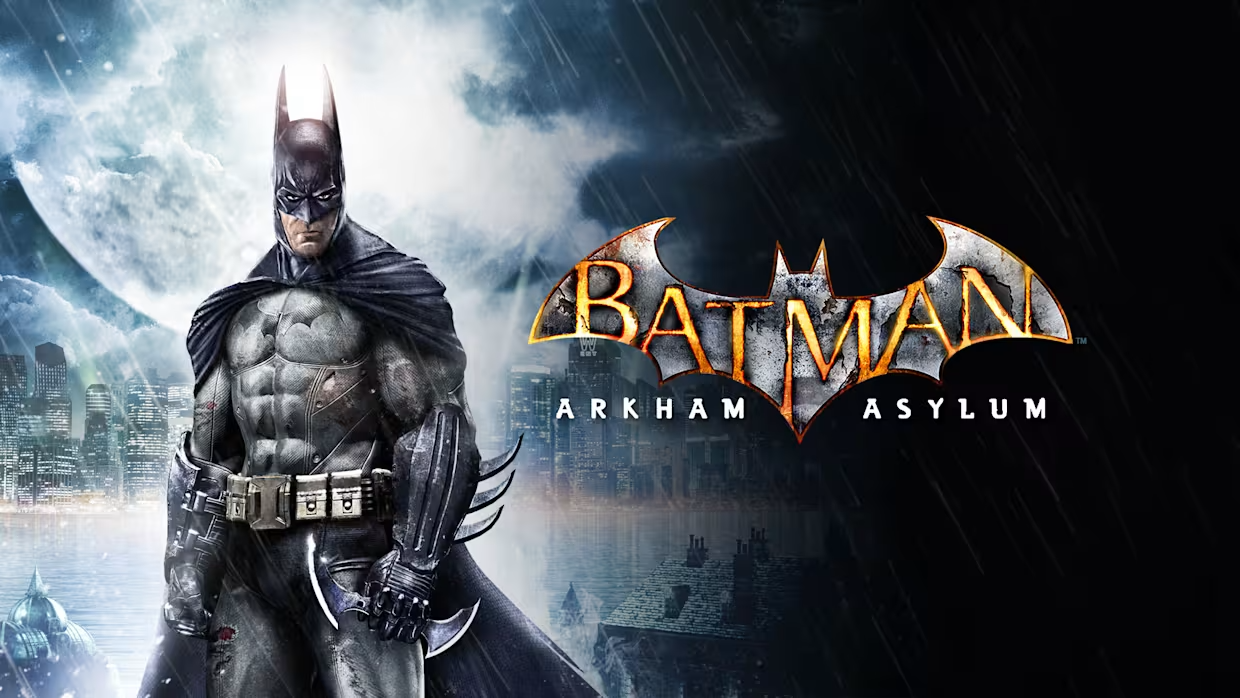
Batman: Arkham Asylum Review — Trapped in Gotham’s Madhouse, and Loving Every Minute
Seventeen years later, Rocksteady’s trip into Gotham’s madhouse remains one of the most atmospheric nights Batman ever spent in a video game.
There is a moment early in Batman: Arkham Asylum when you realize the game understands something that Batman games had spent years struggling to capture.
It isn’t the cape.
Or the gadgets.
Not even Batman flattening a room full of Joker’s goons.
It is the feeling of walking into a place where something is terribly wrong.
Read More
Posted on September 28, 2026
The Last Ninja and James Pond Are Returning on Evercade
Two very different pieces of British gaming history are getting new physical collections this December — and one of them is an especially interesting preservation package for fans of classic home computers.
If your retro gaming memories involve Commodore 64 loading screens, Amiga platformers, Atari ST disks or wondering how a fish named James Pond somehow became a legitimate video game mascot, Evercade has two new cartridges aimed squarely at you.
Blaze Entertainment has officially confirmed The Last Ninja & IK Collection and the James Pond Collection for Evercade, with both physical cartridges scheduled for release on December 4, 2026. Preorders opened September 24 following an earlier retailer leak that revealed the collections ahead of schedule.
Read More
Posted on September 25, 2026
7 Retro Games That Would Be Perfect for a Modern Indie Revival
Some forgotten classics do not need $100 million remakes. They just need the right developer, a sharp idea, and another life.
There is something wonderfully appropriate about the indie scene becoming a retirement home — or maybe a resurrection chamber — for old video game ideas.
Modern independent developers have already proved that you do not need photorealistic graphics, a 40-hour campaign, six skill trees and an open world full of map markers to make something memorable. Sometimes you need one great mechanic, a killer art style and enough confidence to build an entire game around them.
That is exactly why some retro games that deserve a comeback feel better suited to indie-scale revivals than enormous AAA reboots.
Read More
Posted on September 24, 2026
How to Start Collecting for the PlayStation 1: A Beginner’s Guide
Build your first PS1 collection without overpaying, buying the wrong hardware, or wasting money on games you will not actually enjoy.
There is something wonderfully dangerous about deciding to start PS1 collecting.
Maybe you remember that gray console sitting beneath a bulky CRT, the strange electronic orchestra of the startup screen, and the ritual of flipping through jewel cases trying to decide whether tonight belonged to Tekken 3, Final Fantasy VII, Gran Turismo or something you rented because the cover looked cool.
Or maybe you missed the PlayStation era completely and want to understand why that little gray box became one of the most important consoles ever made.
Read More
Posted on September 21, 2026
Crazy Taxi Is Getting a Live-Action Movie and Sonic Is Racing Back to Animation
Netflix and SEGA are expanding their relationship with a live-action Crazy Taxi comedy and a new Sonic animated series, while Streets of Rage and The Legend of Zelda are also making their way toward the screen.
If you grew up with a Dreamcast controller in your hands, yelling at passengers while The Offspring blasted through your television speakers, this is one of those headlines that sounds slightly unreal.
Crazy Taxi is officially getting a live-action movie.
Netflix and SEGA announced the project on September 14 as part of a broader multi-title collaboration covering several SEGA properties. Alongside the Crazy Taxi movie, Netflix is developing a new animated Sonic the Hedgehog series and a live-action adaptation of RGG Studio’s upcoming STRANGER THAN HEAVEN.
For retro fans, though, Crazy Taxi is the fascinating one.
Read More
Posted on September 20, 2026
Persona Turns 30: From Niche JRPG to Global Powerhouse
Thirty years after an unusual PlayStation RPG introduced players to the power hiding behind the self, Persona has grown from a strange Shin Megami Tensei offshoot into one of gaming’s biggest RPG franchises.
On September 20, 1996, Atlus released Megami Ibunroku Persona for the original PlayStation in Japan.
Thirty years later, the idea that Persona was ever a relatively obscure corner of Japanese role-playing games almost feels strange.
This is now a franchise capable of filling concert halls, inspiring anime adaptations and spin-offs, selling merchandise around the world, and turning every major announcement into an event. In June 2026, SEGA announced that the Persona series had surpassed 30 million units sold worldwide.
But the Persona 30th Anniversary is worth celebrating precisely because the franchise did not begin as the stylish global phenomenon we recognize today.
Read More
Posted on September 18, 2026
10 Batman Games That Defined the Dark Knight Before Arkham
Long before Batman perfected the free-flow punch, there were cartridges, passwords, brutal boss fights, animated Gotham skylines, and more than a few wonderfully strange attempts to make us feel like the Caped Crusader.
Before Batman: Arkham Asylum arrived in 2009, playing as Batman was rarely a predictable experience.
One game might turn the Dark Knight into an acrobatic 8-bit wall-jumper. Another would drop him into a side-scrolling street brawl. Others tried stealth, detective work, driving, gadgets, puzzle solving or simply letting Batman punch half of Gotham through conveniently placed scenery.
That unpredictability is part of what makes retro Batman games so much fun to revisit.
Read More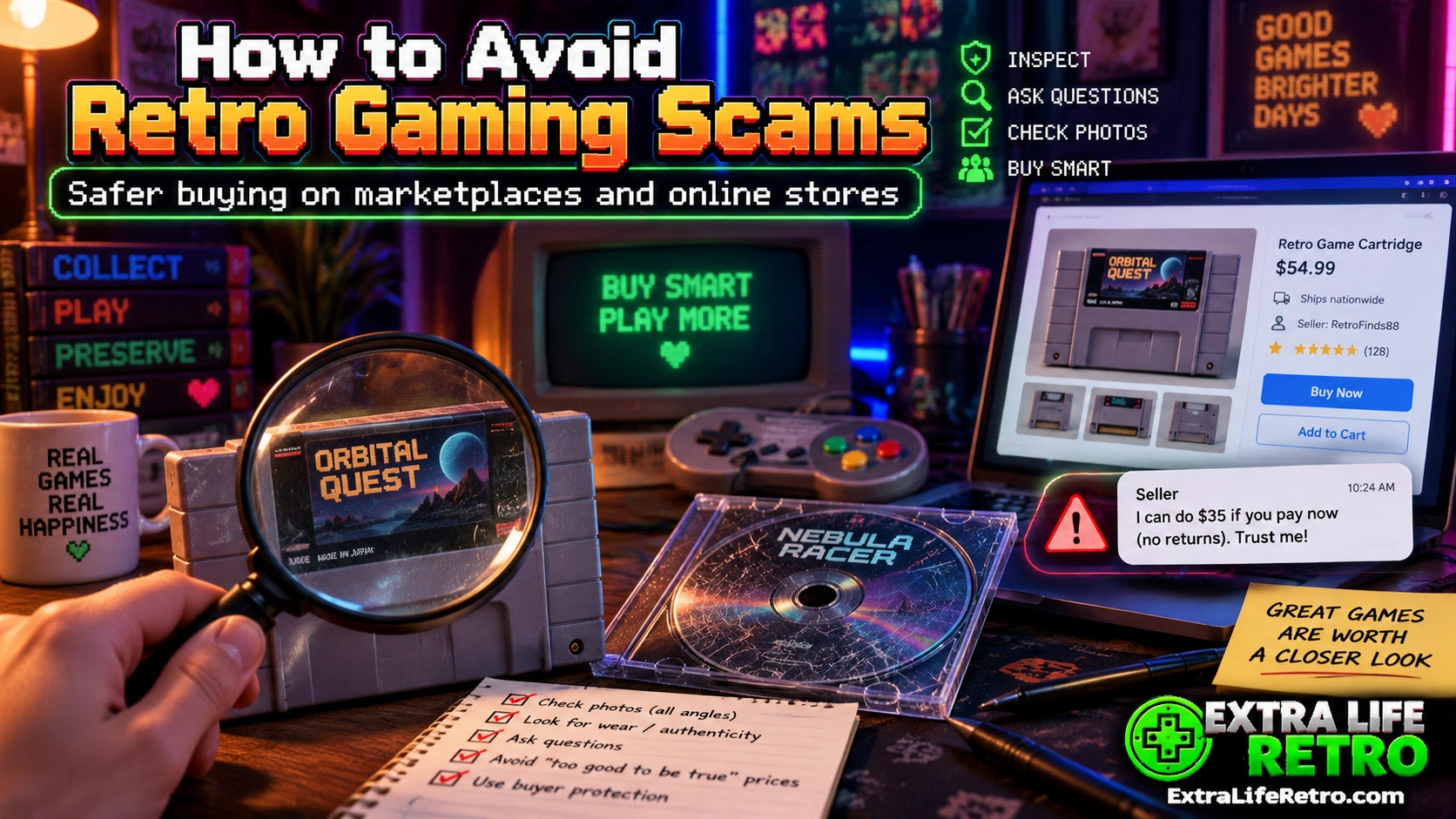
Posted on September 17, 2026
How to Avoid Retro Gaming Scams on eBay, Facebook Marketplace, and Online Stores
Retro collecting should bring back good memories—not leave you staring at a fake cartridge, dead console, or empty shipping box wondering where your money went.
There is something uniquely satisfying about buying an old game again.
Maybe you spot the same gray NES cartridge you rented three weekends in a row as a kid. Maybe somebody lists the Sega Genesis you remember sitting beneath the family television. Maybe you finally decide that, yes, you really do want an original copy of that PlayStation game you traded away sometime around 1999.
Unfortunately, nostalgia can also make us easier targets.
Read More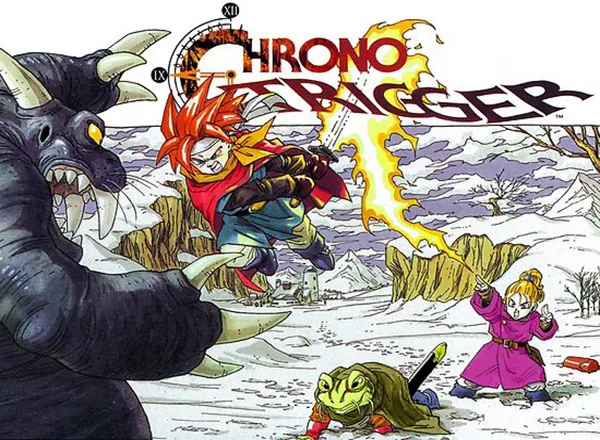
Posted on September 16, 2026
Chrono Trigger Review: Is the SNES Legend Really That Good?
Thirty-one years later, Square’s time-traveling masterpiece remains one of the easiest explanations for why the 16-bit RPG era still inspires so much love.
There is something wonderfully innocent about the opening of Chrono Trigger. No burning kingdom. No prophecy delivered by a hooded wizard. No twenty-minute explanation of the political situation.
Crono wakes up because his mother tells him he is going to miss the Millennial Fair.
A few minutes later, you are wandering around Leene Square, ringing bells, racing soda-drinking contests, watching robots dance, and meeting a mysterious girl named Marle. Then Lucca fires up her teleportation machine, a pendant starts glowing, reality tears open, and an afternoon at the fair becomes a journey stretching millions of years across human history.
That escalation is still magical.
Read More



2 Comments
Posted on September 19, 2026
Why Batman Was Always Destined for Video Games
by Big Willie Retro
Long before Arkham Asylum brought everything together, developers spent decades trying to capture the combat, detective work, gadgets, fear, movement and mystery that make Batman such a natural video game hero.
There is a particular kind of Batman moment that almost seems designed for a controller.
He enters a room without being seen.
There are six armed men below him. One is pacing near a doorway. Another is standing beneath a gargoyle. A third has wandered away from the group. Somewhere nearby is a ventilation shaft, a control panel or some other conveniently vulnerable piece of Gotham architecture.
Batman watches.
He waits.
Then he decides what to do.
Comics can show us that moment beautifully. Movies can turn it into a spectacular sequence. Animation can make it stylish and dramatic.
But video games can do something none of them can.
Read More