Posted on March 13, 2026
Major Nelson Joins Commodore: What Larry Hryb Means for the Commodore Revival
When a legacy brand tries to come back, there’s always one big question hanging over it: is this a real revival, or just another nostalgia play?
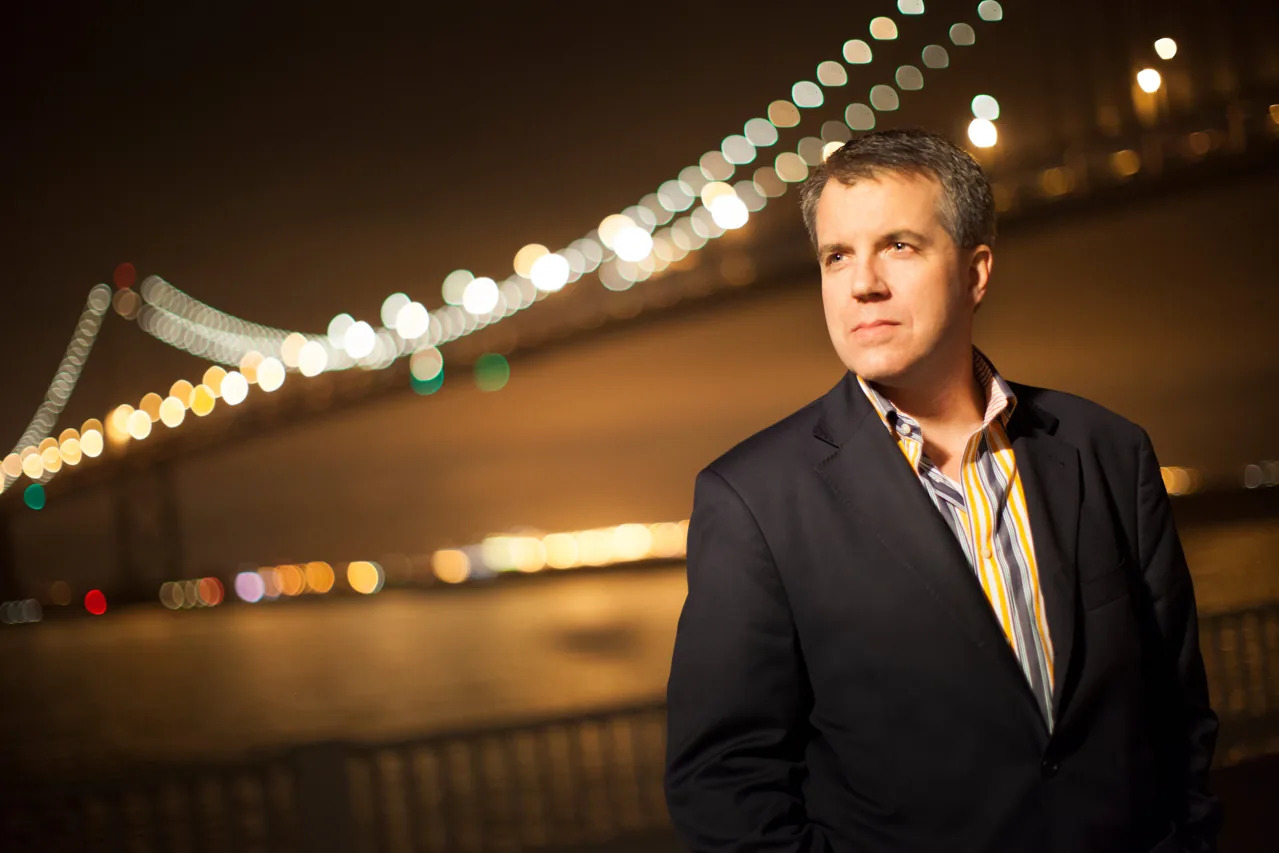
That’s why the news that Larry “Major Nelson” Hrybhas joined Commodore as Community Development Advisor feels bigger than a routine advisory-board announcement. Commodore says Hryb will help support and expand its global community, with work tied to engagement, events, developer outreach, and programs that connect the company’s legacy to modern creativity and technology. That is not the language of a brand that wants to quietly sell a retro box to collectors and disappear. It sounds like a company trying to build an actual ecosystem around the Commodore name again.
Why this move matters
Retro hardware revivals live or die on more than specs.
Yes, enthusiasts care about accuracy, features, build quality, compatibility, and whether the machine actually delivers on the promise. But just as important is whether the company can create momentum around the project. Can it communicate clearly? Can it win trust? Can it make old fans feel respected while also making newcomers feel welcome?
That’s where Major Nelson makes sense.
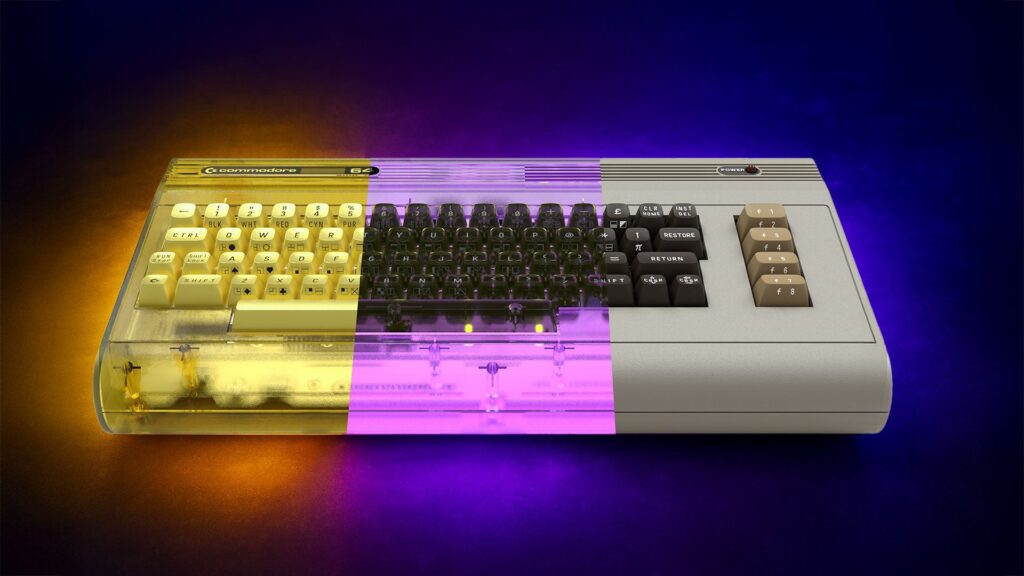
According to the current reporting around the story, Commodore’s comeback effort is tied closely to the Commodore 64 Ultimate, positioned as a modern but faithful take on classic Commodore computing. If that project is going to succeed beyond the hardcore retro faithful, Commodore needs more than good hardware. It needs a voice people recognize and a public-facing strategy that feels human instead of corporate and dusty. Hryb is the kind of figure who can help with exactly that.
A quick background on Larry “Major Nelson” Hryb
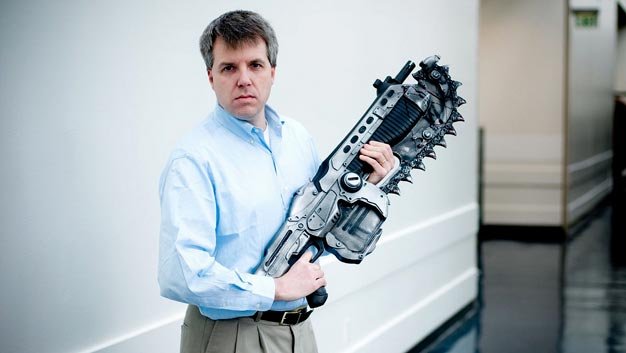
For anyone who mostly lives in retro circles and missed the Xbox years, Larry Hryb is one of the most recognizable community figures in modern gaming.
He became famous under the “Major Nelson” name during his long run at Microsoft, where he spent more than two decades as one of Xbox’s most visible public-facing personalities. He was deeply associated with the Xbox 360 era, Xbox Live, community updates, interviews, event coverage, and the sense that Xbox was talking with players rather than at them. He left Microsoft in July 2023 after 22 years, later spent about 18 months at Unity, and more recently confirmed that his time there had ended as well. His own site currently notes that he and Unity “parted ways” after 18-plus months.
That background is exactly why this Commodore move stands out.
Major Nelson is not famous because he designed a console or shipped a graphics chip. He is famous because he helped shape how a major gaming brand related to its audience. He built familiarity. He helped make a platform feel alive. That skill set matters a lot for a revived retro brand.
Commodore needs community as much as it needs hardware
This is the part that makes me optimistic.
A lot of retro revivals get trapped in the past. They lean too hard on the logo, the old memories, and the assumption that affection for the original brand will do all the heavy lifting. But nostalgia only gets you through the door. After that, people want confidence. They want updates. They want clear messaging. They want to know somebody competent is steering the ship.
Bringing in Hryb suggests Commodore understands that.
If his role really does touch community strategy, events, developer outreach, and broader brand connection, then this could help Commodore avoid feeling like a static tribute act. It could make the project feel active, social, and forward-looking. That is a big deal, especially for a brand with as much historical weight as Commodore.
Why this could help the revival feel legitimate
The strongest signal here is not just that a well-known gaming executive joined the advisory team. It’s that the executive in question is someone whose reputation was built on community trust.
That is exactly what Commodore needs right now.
If the company wants the revival to stick, it has to do more than sell retro enthusiasts on the romance of the beige keyboard era. It has to show that Commodore can still matter in the present. That means better storytelling, better fan communication, more visible leadership, stronger event presence, more developer-friendly outreach, and a clearer explanation of what Commodore is trying to become in 2026 rather than what it used to be in 1986.
Major Nelson won’t do all of that by himself. Let’s be honest about that. One advisor does not guarantee a comeback. But this is the kind of appointment that makes the project feel more credible because it shows Commodore is taking the “people” side of the revival seriously.
The bigger takeaway
From where I’m sitting, this is the kind of news Commodore fans should actually feel good about.
Not because it guarantees success. It doesn’t.
But because it suggests Commodore may be thinking about revival the right way. Not just as a product release. Not just as a nostalgia pitch. As a community project. As a living brand that has to earn attention and goodwill all over again.
That’s the hard part, and it’s also the part too many retro revivals underestimate.
If Commodore can pair solid hardware with smart communication and a genuinely welcoming community strategy, then this thing has a better shot than a lot of people probably expected. Bringing in Major Nelson does not finish the job, but it does make the revival look a whole lot more serious.
And honestly, that’s exactly the kind of sign retro fans were hoping to see.