Posted on June 24, 2026
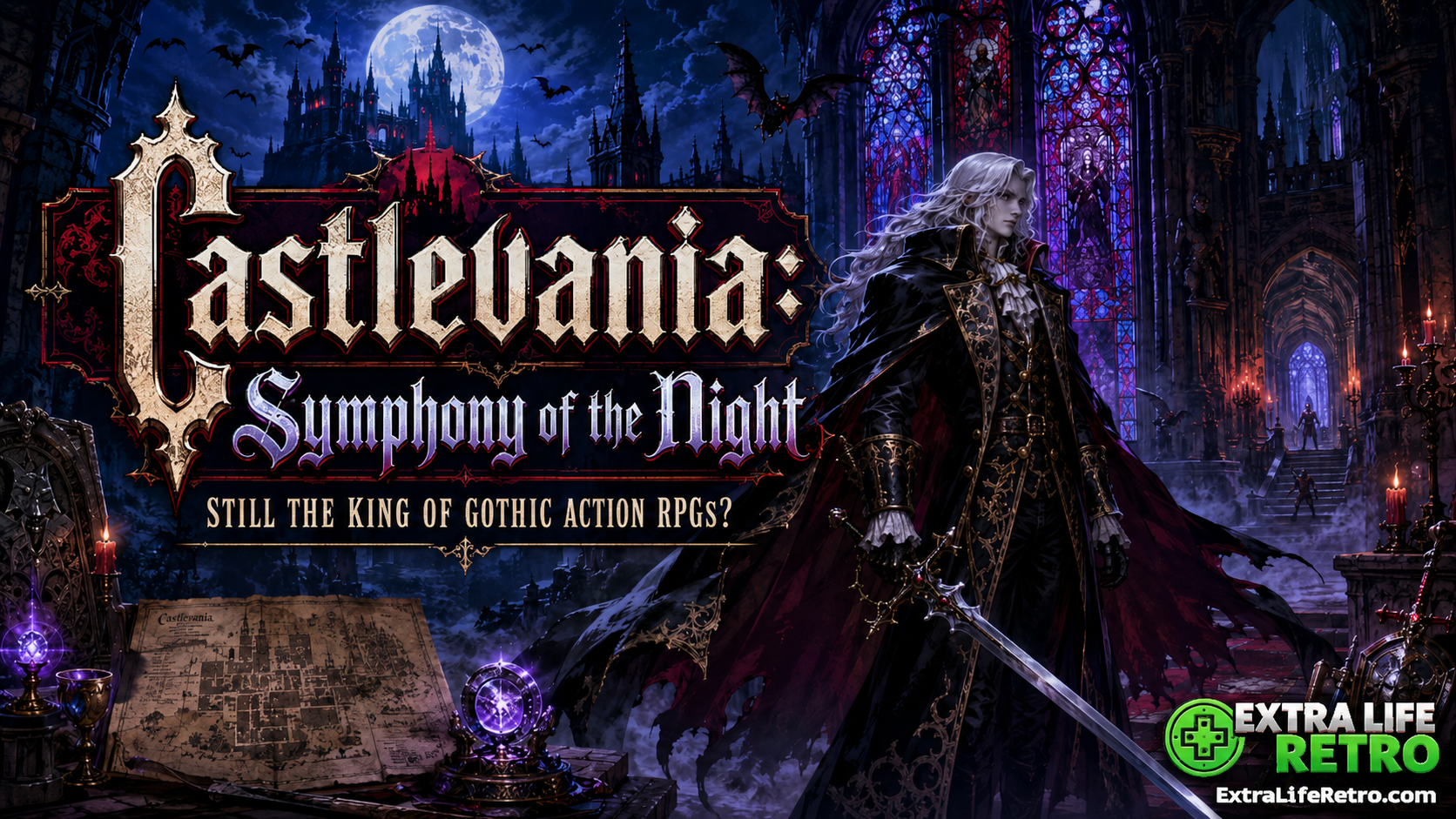
Castlevania: Symphony of the Night Review — Dracula’s Castle Still Has the Keys to the Kingdom
Disclosure: Some of the links in this post are affiliate links. As an Amazon Associate we earn from qualifying purchases. This means if you click on the link and purchase an item, we will receive an affiliate commission at no extra cost to you. All opinions remain our own. We only recommend products or services we believe will add value to our readers.
Before “Metroidvania” became a genre label, Castlevania: Symphony of the Night made getting lost feel like the whole point.
Before Castlevania: Symphony of the Night became one of those sacred retro titles people bring up whenever the word “Metroidvania” appears, it was something simpler and stranger: a PlayStation game that looked backward at a time when everyone else was sprinting toward 3D.
That is easy to forget now. In 1997, polygons were the future. PlayStation owners were watching games stretch into cinematic spaces, chasing new camera angles, new worlds, and new ways to prove that the old side-scrolling era was over. Then Konami dropped Alucard into Dracula’s castle and quietly reminded everybody that 2D was not dead. It had just been sharpening its fangs.
Symphony of the Night did not feel like a relic. It felt luxurious. The animation was rich. The backgrounds were loaded with gothic detail. The music had that impossible mix of haunted elegance, rock energy, and lonely castle atmosphere. And instead of pushing you stage by stage like the older Castlevania games, it let you wander. You found locked doors you could not open yet. You discovered weapons with strange properties. You leveled up, equipped armor, transformed, backtracked, got lost, found secrets, and slowly realized the castle was not just a setting. It was the game.
That is why this review matters now. Castlevania: Symphony of the Night is not remembered only because it was influential. It is remembered because it made exploration feel personal. Every hidden wall, every new relic, every suspicious room on the map gave players that old-school thrill of thinking, “Wait… what else is in here?”
And decades later, that feeling still has power.
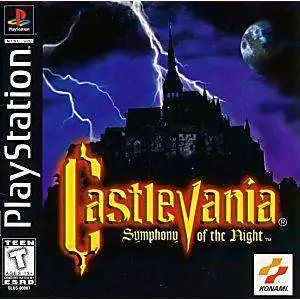
At a Glance
Platform: PlayStation, Android, PlayStation Portable, Sega Saturn, iOS, PlayStation 3, Xbox 360
Released: March 20, 1997
Developer: Konami, Digital Eclipse
Publisher: Konami
Genre: Metroidvania, Fighting game, Action role-playing game, Action-adventure game
Vibe: A moonlit gothic treasure hunt where candles, capes, monsters, organs, secret rooms, and impossible castle architecture all somehow feel elegant and dangerous.
You’ll Love It If: You enjoy exploration, RPG progression, hidden weapons, atmospheric pixel art, memorable music, and games that reward poking every suspicious wall.
Maybe Skip If: You need constant direction, modern quest markers, or fast-paced action that never asks you to backtrack.
Best Way to Play: For most players, Castlevania Requiem on PlayStation or the mobile version with a controller is the simplest route, while Xbox players still have a digital option through the Xbox store.
Collector Note: The original PlayStation disc has become a collector’s piece, so casual players are usually better served by a modern version unless they want the full shelf-display nostalgia hit.
The Game That Turned Dracula’s Castle Into a Memory Palace
The older Castlevania games had their own beautiful brutality. You climbed stairs with commitment. You timed jumps like your life depended on them. You learned enemy patterns, cursed knockback, watched your health melt, and felt like every room was built to humble you.
Symphony of the Night changed the relationship.
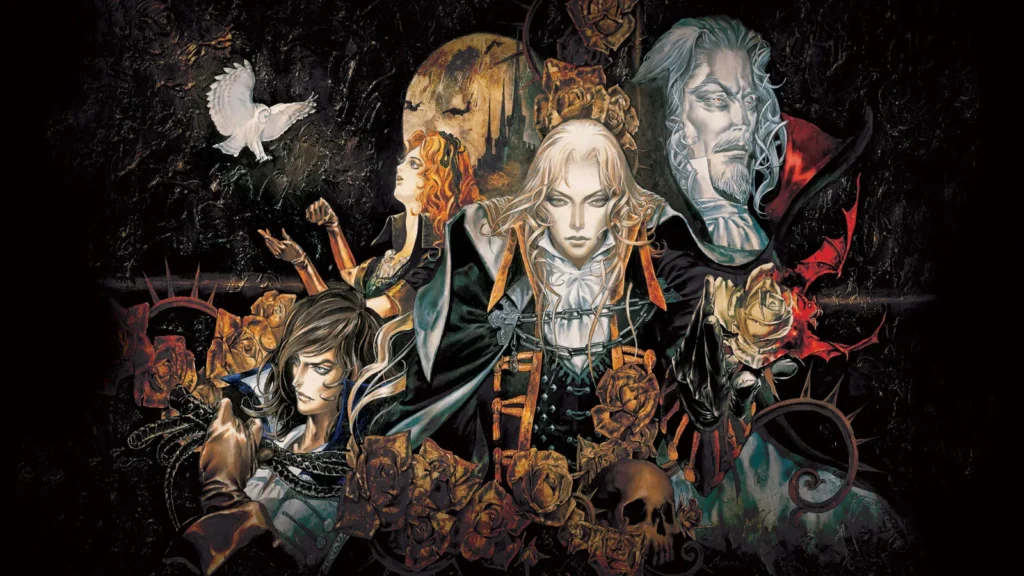
Instead of treating the castle like a series of obstacles, it treated the castle like a place. There were towers, libraries, catacombs, chapels, clock rooms, underground caverns, and strange pockets of architecture that felt like they had been waiting centuries for someone to disturb them. The map became part of the obsession. You did not just want to beat the next boss. You wanted to fill in that one missing square.
That tiny blank space on the map was powerful. It could mean a hidden room. It could mean a relic you missed. It could mean nothing. But the game made you care enough to check.
That is where Symphony of the Night still hooks people. It understands the joy of curiosity. A suspicious wall might break. A strange enemy might drop a rare weapon. A locked path might become obvious ten hours later when you finally gain the right transformation. The game respects the player’s instinct to wander, test, remember, and return.
And when a retro game makes you remember the shape of a place, not just the sequence of levels, that is when it becomes more than a game you finished. It becomes somewhere you visited.
Where It Fit in the PlayStation Era
In 1997, a 2D side-scrolling game on PlayStation could have felt old-fashioned on arrival. This was the era of Final Fantasy VII, Tomb Raider, Resident Evil, Tekken, Crash Bandicoot, and the explosion of 3D console identity. The PlayStation was not just selling games. It was selling the future.
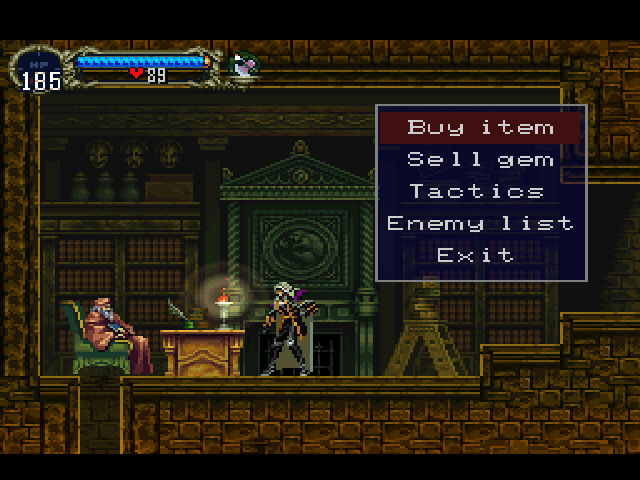
That makes Symphony of the Night even more interesting. It did not chase the future in the obvious way. It doubled down on craft.
Instead of using 3D as the big selling point, it gave players some of the most expressive 2D sprite work of its generation. Instead of cinematic camera movement, it gave players layered backgrounds, huge enemies, graceful animation, and visual atmosphere that still feels hand-touched. Instead of turning Castlevania into a clumsy early 3D experiment, it refined the side-scrolling formula until it felt deeper, richer, and more mysterious.
For players in the late ’90s, this was also the kind of game that lived in magazines, school conversations, strategy guides, and late-night exploration. The inverted castle was exactly the kind of thing that could become a rumor if you did not already know about it. One player might finish the game and think they were done. Another might say, “No, you missed the real castle.” That was the kind of playground or message-board magic that made the game feel bigger than the disc.
It came from an era when not every secret was spoiled by thumbnails and algorithmic guides. You could still feel like a game was hiding something from you personally.
Symphony of the Night thrived on that feeling.
Alucard Was the Perfect Change of Pace
Putting Alucard in the lead role changed the entire mood of Castlevania.
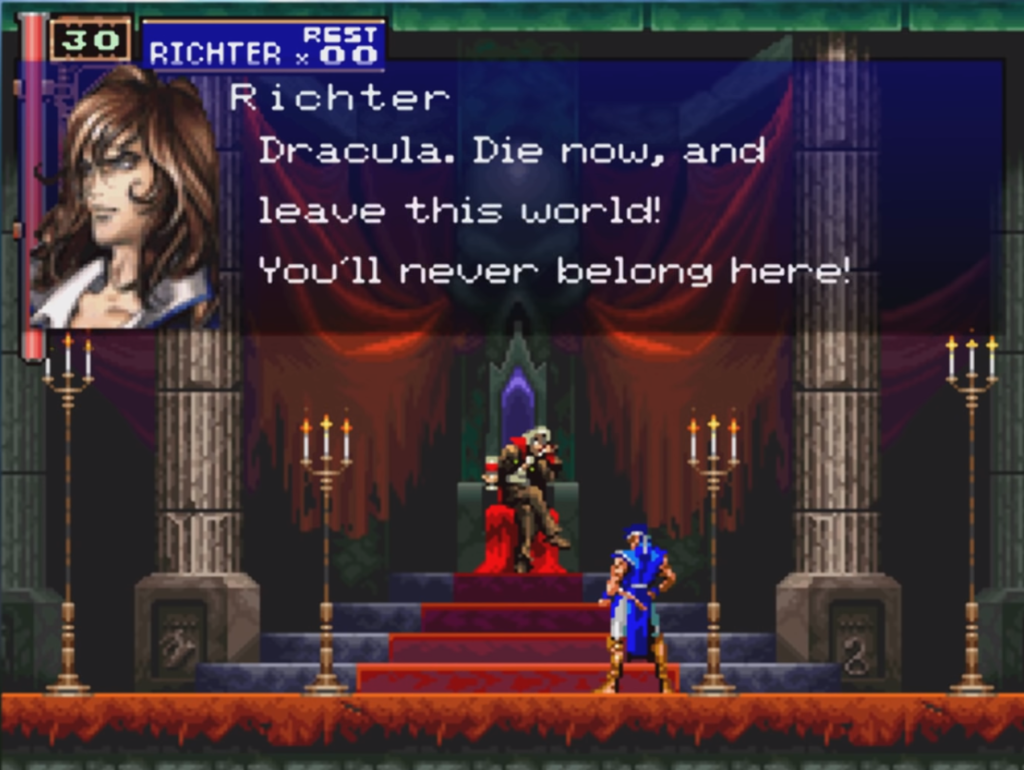
Richter Belmont opens the game with classic heroic energy. He storms Dracula’s throne room with whip, sub-weapons, backflips, and pure Belmont confidence. It feels like an old-school Castlevania victory lap. Then the game shifts to Alucard, and everything slows into something more elegant, lonely, and strange.
Alucard does not feel like a standard action hero. He floats through the castle with a quiet, aristocratic cool. His cape trails behind him. His sword swings feel smooth. His movement has a slight grace to it that fits the gothic setting. He belongs to Dracula’s world, but he is also resisting it. That tension gives the whole adventure a different flavor.
The RPG systems reinforce that feeling. You are not just surviving on reflexes. You are building Alucard back up. You collect swords, shields, armor, cloaks, accessories, spells, familiars, and relics. Some weapons are practical. Some are weird. Some feel almost broken. Some are just fun to equip because they make you feel like you found something forbidden in the castle basement.
That pile of options gives the game personality. It is not perfectly balanced, and honestly, that is part of the charm. Symphony of the Night feels like a gothic toy box. You are meant to experiment.
Gameplay: The Part Your Hands Remember
The core of Symphony of the Night is simple to understand: explore Dracula’s castle, fight monsters, collect gear, gain abilities, defeat bosses, and use new powers to reach places you could not access before. But the reason it works is not just the structure. It is the feel of slowly becoming more capable inside a place that first seemed overwhelming.
Alucard begins with a tease of power, loses most of it, and then gradually earns his strength back. That little trick makes the progression satisfying. Early on, basic enemies matter. You watch your health. You care about save rooms. You check equipment stats. You feel the difference when a new sword gives you a better rhythm or when armor lets you survive a section that previously felt nasty.
The combat is not complicated in a modern combo-heavy sense. You jump, slash, duck, cast spells, use shields, throw sub-weapons, and learn enemy behavior. But there is a steady pleasure in how many ways the game lets you approach danger. A spear has reach. A short sword has speed. A heavy weapon changes your timing. Magic can feel hidden and arcane because the game does not overexplain every input like a modern tutorial.
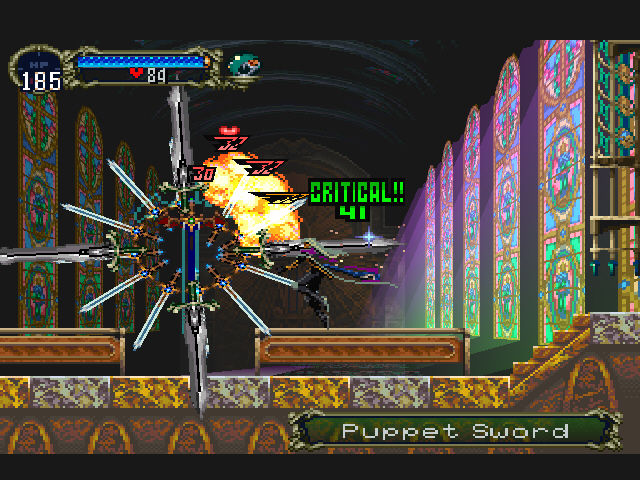
Ease of use is mostly friendly, especially compared to the older Castlevania games. You can save in specific rooms, level up through combat, and recover from mistakes more often than in the classic stage-based entries. That said, new players should expect some old-school friction. The map helps, but it does not babysit. Some objectives are vague. Some progression depends on remembering where you saw a blocked path hours earlier. The menu system is functional, but swapping gear is not as smooth as it would be in a modern action RPG.
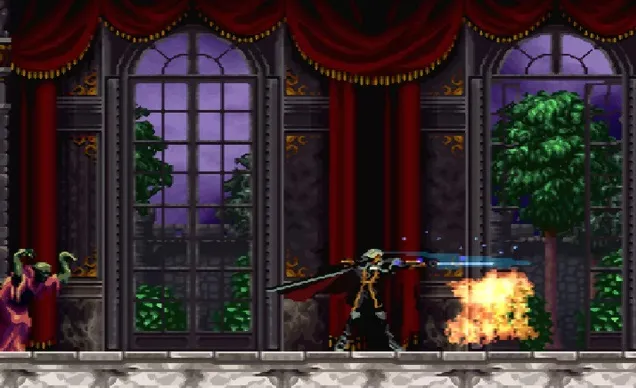
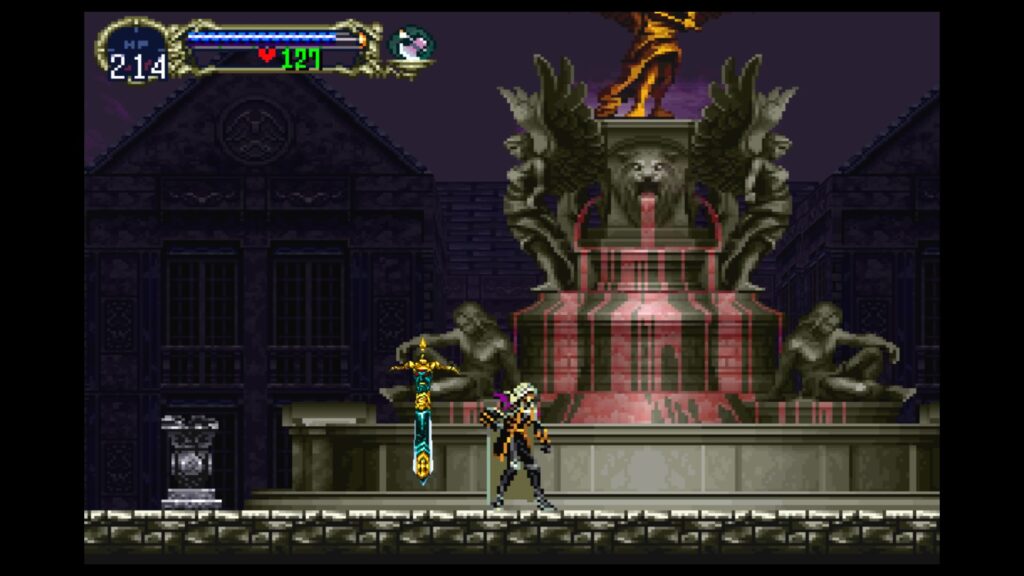
Visually, the game is still a feast. The animation on Alucard alone carries so much personality: the cape movement, the sword swings, the transformations, the way he glides through a room like he has better things to do than fight skeletons. The castle environments are loaded with candles, stonework, stained glass, libraries, gears, water, bone piles, and gothic excess. It is not “dated” in the lazy sense. It is specific. It has taste.
The soundtrack is one of the game’s great weapons. Michiru Yamane’s music does not settle for one mood. It can be mournful, funky, eerie, majestic, or strangely romantic. “Dracula’s Castle” gives the adventure immediate momentum, while quieter areas make the castle feel ancient and lonely. Even the sound effects stick: candles breaking, weapons clashing, doors opening, enemies shrieking, relics triggering, and that little mental click when a save room finally appears after a rough stretch.
The story is theatrical, simple, and completely right for this world. Richter has vanished. Dracula’s castle has returned. Alucard awakens to investigate. Maria searches for Richter. Death appears. Dracula’s shadow hangs over everything. The plot is not dense, but it does not need to be. The atmosphere does much of the storytelling. The castle itself tells you what kind of world this is.
And then there is the memory connection. Symphony of the Night is full of moments players remember because they felt discovered, not delivered. Finding the Long Library. Meeting the Master Librarian. Getting the bat form. Realizing mist changes everything. Equipping some strange weapon just to see what it does. Fighting Legion. Seeing Galamoth. Finally understanding that the obvious ending was not the true ending. These are the moments that stick because they feel like secrets earned through curiosity.
The Castle Is the Main Character
A lot of games have good levels. Symphony of the Night has a place you develop a relationship with.
At first, Dracula’s castle feels intimidating because everything is unknown. Later, it feels familiar because you have crossed it so many times. Then it becomes mysterious again when new abilities reveal paths hiding in plain sight. That rhythm is the heart of the game.
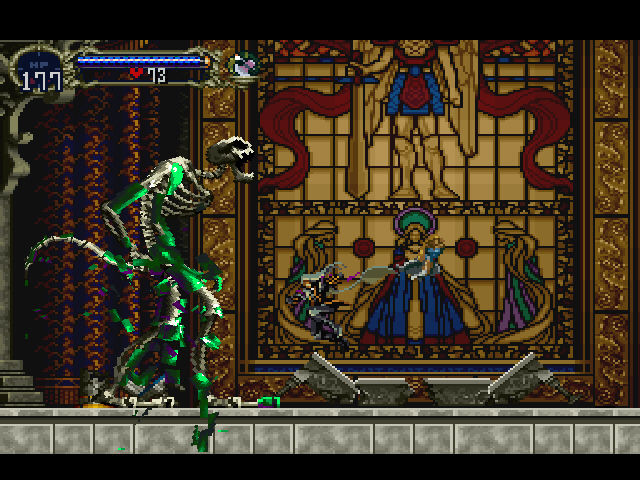
The castle is not perfectly convenient, and that matters. You will backtrack. You will wonder where to go. You may stare at the map trying to figure out which tiny unexplored corner matters. But the inconvenience also makes the discovery feel personal. When you finally find the right room or unlock a route, it feels like you solved the castle rather than followed instructions.
The inverted castle is still one of the boldest structural twists in any retro game. It is easy to describe now, but imagine encountering it without knowing. You think you have reached the end, and the game basically says, “No. Look again.” Suddenly the familiar becomes wrong. The architecture is flipped. Old spaces feel hostile in a new way. It is an elegant reuse of content, yes, but it also works thematically. Dracula’s castle should feel impossible.
That is the beauty of it. The game turns repetition into revelation.
The Flaws: Affectionate, But Not Invisible
Symphony of the Night deserves its reputation, but it is not flawless.
The biggest issue for modern players may be direction. If you are used to quest logs, objective markers, and map icons telling you exactly where to go next, this game can feel cryptic. It expects you to remember odd details. It expects you to experiment. It expects you to revisit places simply because something felt unfinished.
The difficulty curve is also uneven. Early sections can pressure new players, especially before good gear and save room knowledge settle in. Later, once Alucard becomes powerful and you find stronger equipment, the game can swing in the other direction. Some weapons and setups can make encounters dramatically easier. For some players, that power fantasy is part of the fun. For others, it may reduce the tension.
The localization and voice acting are famously theatrical. Some players love the original PlayStation version’s strange, dramatic delivery because it became part of the game’s identity. Others may prefer later versions with revised voice work. Either way, the story scenes have a particular flavor that newer players should approach with the right spirit. This is gothic melodrama filtered through late-’90s localization, and that is either charming or awkward depending on your tolerance.
The menus also show their age. Equipping items, comparing gear, and managing your inventory could be smoother. It is not a dealbreaker, but if you are coming from modern action RPGs, you will feel the extra steps.
Still, none of these flaws break the spell. They are more like creaky floorboards in an old mansion. You notice them, but they also remind you where you are.
Why It Still Matters
Castlevania: Symphony of the Night matters because it helped prove that exploration-based 2D design still had enormous creative life left in it.
It did not invent every idea it used. Castlevania II: Simon’s Quest had already experimented with nonlinear progression, towns, RPG elements, and exploration. Metroid had already made backtracking and ability-based discovery central to its identity. But Symphony of the Night blended those instincts into something unusually elegant, accessible, and atmospheric. It made the formula feel stylish. It made it feel collectible. It made it feel like a full gothic adventure rather than a series of stages.
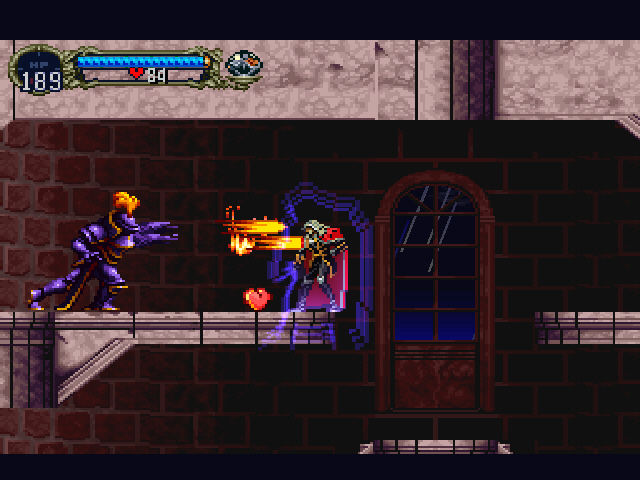
That influence is everywhere now. Any time a modern indie game gives you a sprawling map, ability gates, RPG upgrades, secret rooms, and a slow-building sense of mastery, Symphony of the Night is somewhere in the family tree.
But its importance is not only mechanical. The game also matters because it preserved a certain belief about 2D games. It arrived when many players were ready to call side-scrollers old news, and it responded by being more beautiful, more confident, and more layered than most of the 3D games around it. That is not a knock on early 3D. It is a reminder that art direction and design age differently than technology.
Symphony of the Night still looks intentional. That is why people return to it.
How It Plays Today
Today, Symphony of the Night is still surprisingly easy to enjoy, as long as you meet it on its own terms.
The movement feels smooth. The exploration loop remains addictive. The castle still has mystery. The soundtrack still hits. The combat is simple but satisfying, and the RPG progression gives you enough toys to keep the adventure fresh.
What may feel rough is the lack of guidance. New players might need patience, especially if they are determined to find the true ending without looking anything up. This is a game from an era when players were expected to talk, experiment, buy guides, check magazines, or spend a weekend hitting suspicious walls because somebody at school said there was something hidden there.
Nostalgia definitely helps, but it is not required. Younger players can still appreciate Symphony of the Night because its core pleasures are clear: explore, improve, discover, return, unlock, and push deeper. That loop is still strong.
The best modern mindset is not “Let me see if this old game holds up.” The better mindset is, “Let me enter this castle and see what it was trying to do.” That is when the game opens up.
Best Way to Play Today
For most players, the best way to play Castlevania: Symphony of the Night today is through a modern digital release rather than chasing the original disc immediately. The original PlayStation version has become expensive enough that it now makes more sense for dedicated collectors than for someone who simply wants to explore Dracula’s castle.
Castlevania Requiem on PlayStation is one of the most convenient options because it pairs Symphony of the Night with Rondo of Blood. That makes it especially useful if you want the broader Dracula X context. The Xbox digital version is also worth considering if you want an accessible console option with achievements. The mobile version on iOS and Android is inexpensive, but I would strongly recommend using a controller if possible. Touch controls can work, but this is a game built around movement, timing, and comfort.
Original hardware is still the premium nostalgia route. A PlayStation, a memory card, an original disc, and a CRT or good HDMI setup can give you that full late-’90s ritual. But it is not the budget-friendly path anymore. The original PlayStation version has become expensive enough that casual players should not feel pressured to start there.
Collectors, on the other hand, may still want the original disc, case, manual, or Greatest Hits version. Just be careful. Check condition, confirm authenticity, compare current pricing, and avoid listings that look too good to be true. For display-minded collectors, a protective case is a smart add-on. For players using original hardware on a modern TV, a quality HDMI adapter or upscaler can make the experience much cleaner without forcing you into a full retro setup.
The short version: play a modern version first unless collecting is part of the fun. The castle does not lose its magic just because you entered through a newer door.
Final Takeaway: Dracula’s Castle Still Knows Your Name
Castlevania: Symphony of the Night is remembered because it made players feel like explorers inside a haunted machine full of secrets. It gave Castlevania a new rhythm without losing the gothic soul. It turned Alucard into one of the coolest leads of the PlayStation era. It made a map feel like a mystery. It made backtracking feel like unfinished business.
It is not perfect. The direction can be vague. The menus can be clunky. The balance can get loose. The voice acting depends entirely on your appetite for gothic cheese. But the heart of the game remains incredibly strong.
Who should play it today? Anyone who loves retro games, action RPGs, gothic atmosphere, exploration, or the pleasure of discovering something without being dragged to it by an objective marker. Collectors should respect the original’s value, but casual players should not feel locked out. Modern versions make the game far easier to revisit than many PlayStation-era classics.
More than anything, Symphony of the Night preserves a specific kind of retro gaming memory: the feeling that a game could still be hiding something after you thought you understood it.
That is why Dracula’s castle still matters.
Not because it is old.
Because it still invites you back in.