Posted on June 26, 2026
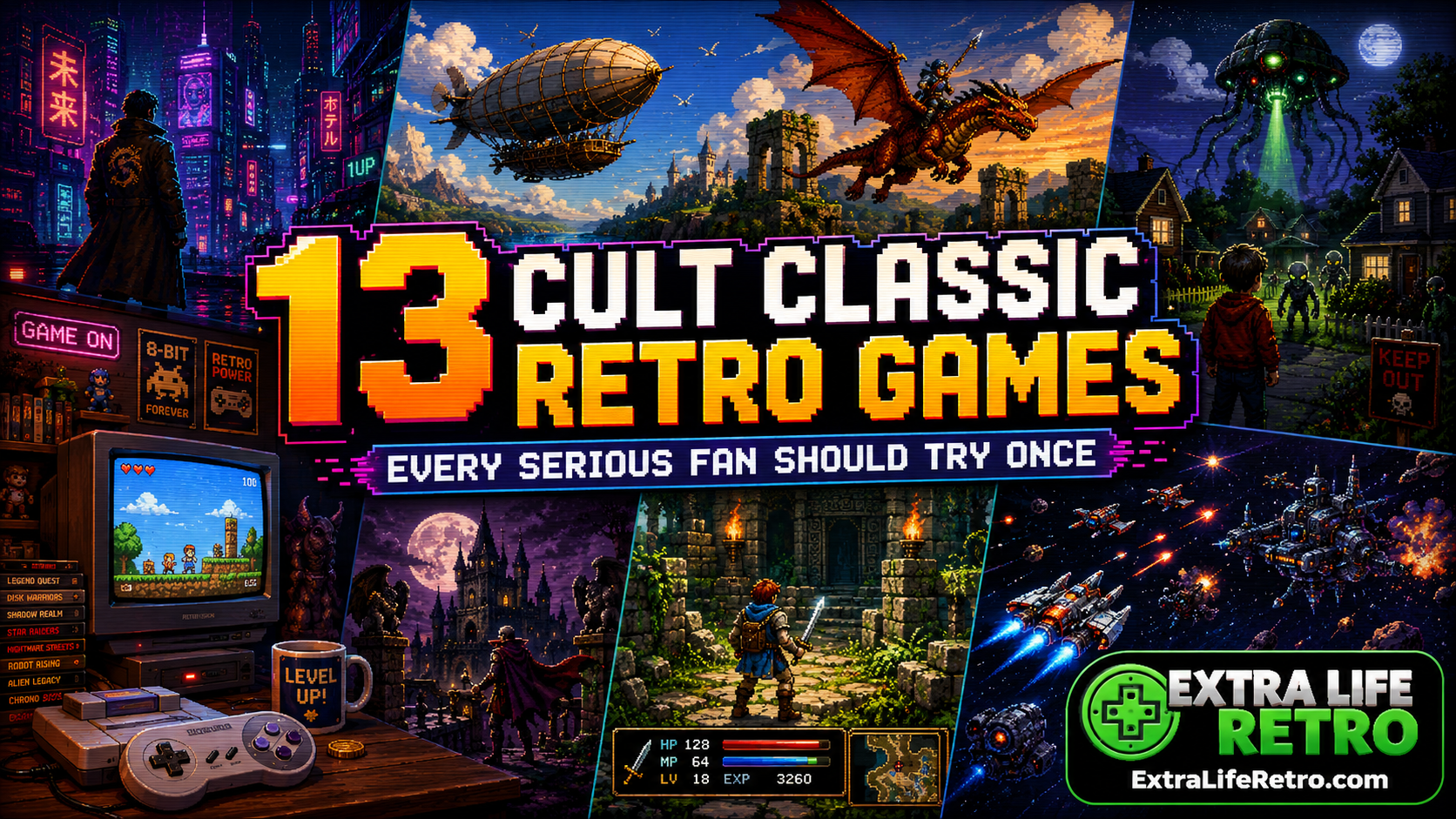
13 Cult Classic Retro Games Every Serious Fan Should Try Once
These are not always the biggest sellers, the cleanest masterpieces, or the easiest games to explain. They are the strange, stylish, unforgettable cult classic retro games that still have a grip on serious fans.
Some retro games become famous because they sold millions. Others become legends because they found the right players.
That second group is where cult classics live.
These are the games people discover through old magazine screenshots, dusty rental cases, late-night message board recommendations, YouTube rabbit holes, collector shop finds, or that one friend who insists, “No, seriously, you have to try this.” They may be weird, flawed, experimental, overlooked, expensive, difficult, ahead of their time, or just too specific to ever become mainstream giants. But once they click, they stick.
This list is not about crowning one perfect winner. It is about celebrating Cult Classic Retro Games that serious retro fans should try at least once because each one preserves a particular kind of old-school magic. The picks were chosen for a mix of personality, cultural memory, gameplay identity, underappreciated status, fan devotion, and the way they still spark conversation today.
So grab the controller, clear a memory card, warm up the CRT glow in your imagination, and let’s dig into 13 retro games that earned their cult status the hard way.
13. Mischief Makers
Platform: Nintendo 64
Released: 1997
Before the Nintendo 64 became shorthand for 3D platformers, Mischief Makers showed up waving a giant 2D flag like it had missed the memo on purpose. Developed by Treasure, this side-scrolling action-platformer stars Marina Liteyears, a robotic maid with one of the strangest and most memorable movesets on the system.
The heart of the game is simple: grab, shake, throw, and launch almost everything. Enemies, objects, blocks, bosses, projectiles — if it exists, Marina probably wants to shake it until something interesting happens. That mechanic gives the whole game a toy-box energy. It feels less like a standard platformer and more like some strange Saturday morning cartoon trapped inside a cartridge.
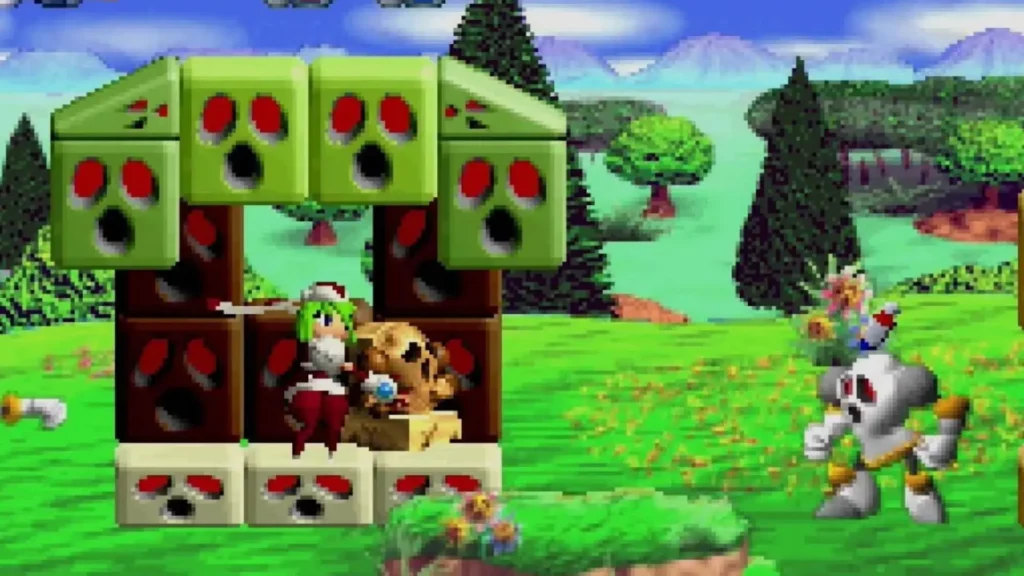
What players remember most is the chant: “Shake, shake!” It is ridiculous, catchy, and impossible to separate from the game’s identity. The boss fights are also classic Treasure: loud, strange, pattern-heavy, and full of unexpected spectacle.
Mischief Makers still matters because it represents the N64 road not taken. While everyone else chased 3D worlds, this game doubled down on tight 2D action and eccentric design. Serious retro fans should try it because it reminds you that the N64 library was stranger than its biggest hits suggest.
Worth Revisiting If: You like Treasure games, offbeat platformers, and games with mechanics that feel completely their own.
12. Zombies Ate My Neighbors
Platform: Super Nintendo, Sega Genesis
Released: 1993
Zombies Ate My Neighbors feels like someone dumped every late-night creature feature, Halloween aisle decoration, and neighborhood panic fantasy into one colorful 16-bit blender. Developed by LucasArts, this top-down run-and-gun game sends Zeke and Julie through suburbs, malls, pyramids, castles, and monster-infested backyards to rescue helpless neighbors before the screen turns into chaos.
This is one of those games that made perfect sense as a rental. You could grab it for the weekend, invite a friend over, and immediately understand the appeal. The weapons alone make it memorable: squirt guns, soda cans, bazookas, weed whackers, popsicles, silverware, and more. It is horror filtered through goofy arcade energy, never truly scary but always frantic.
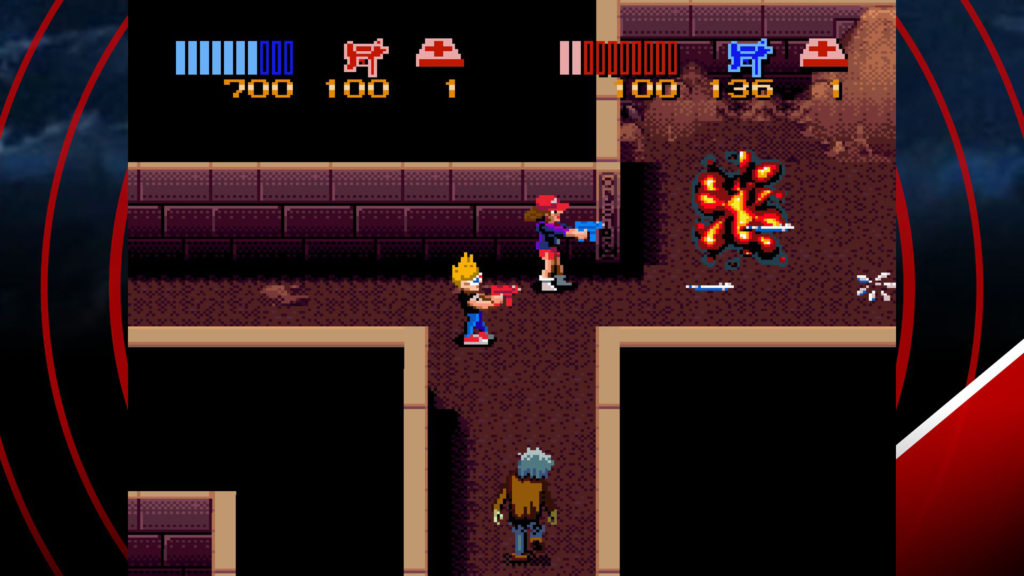
The level names are half the fun. “Evening of the Undead,” “Terror in Aisle Five,” and “Weird Kids on the Block” tell you exactly what kind of monster-movie playground you are entering. The game gets brutally difficult later, especially as more neighbors vanish and the levels become maze-like, but that pressure is part of its reputation.
It still matters because few retro games captured couch co-op panic this well. Zombies Ate My Neighbors is goofy, mean, colorful, and endlessly replayable with the right friend beside you.
Best Way to Play Today: Modern re-releases have made it easier to revisit, but original SNES and Genesis copies still carry that cartridge-era charm.
11. Einhänder
Platform: PlayStation
Released: 1997
Square was known for RPGs in the PlayStation era, which makes Einhänder feel like a transmission from an alternate universe. This is a hard-edged, side-scrolling shooter with a slick sci-fi look, industrial music, and a weapon-stealing mechanic that gives every stage a sense of danger and opportunity.
The game’s hook is the arm mounted beneath your ship. Instead of simply collecting power-ups, you rip weapons from enemies and attach them to your craft. Cannons, machine guns, lasers, rockets — every pickup feels temporary and precious. When ammo runs out, you are back to scrambling, dodging, and looking for the next chance to survive.
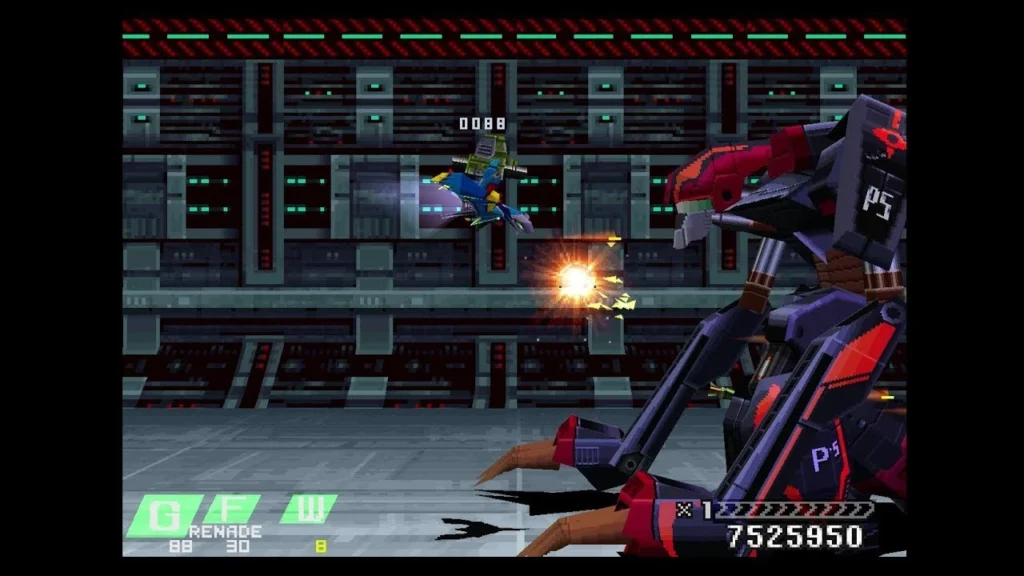
Its atmosphere is what pushes it into cult classic territory. The cityscapes feel cold and mechanical. The bosses are huge and aggressive. The soundtrack has that late-90s electronic edge that makes the whole thing feel like an arcade cabinet from the future.
Einhänder is not the easiest shooter to casually recommend. It is demanding, and original copies can be a collector headache depending on condition and region. But serious retro fans should try it because it shows how experimental the PlayStation library could be when big studios stepped outside their obvious lanes.
Worth Revisiting If: You enjoy arcade shooters, cyberpunk visuals, and PlayStation games that feel unusually stylish.
10. Rocket Knight Adventures
Platform: Sega Genesis
Released: 1993
The Sega Genesis had no shortage of attitude-driven mascots, but Sparkster the opossum still stands apart. Rocket Knight Adventures takes the mascot platformer formula and straps a jetpack to it, creating one of the most energetic action games on the system.
Sparkster can slash with his sword, charge a rocket dash, bounce off walls, fly through hazards, and launch himself across the screen with a satisfying burst of speed. That rocket mechanic is the entire soul of the game. It makes each stage feel active and snappy, even when the platforming gets tricky.
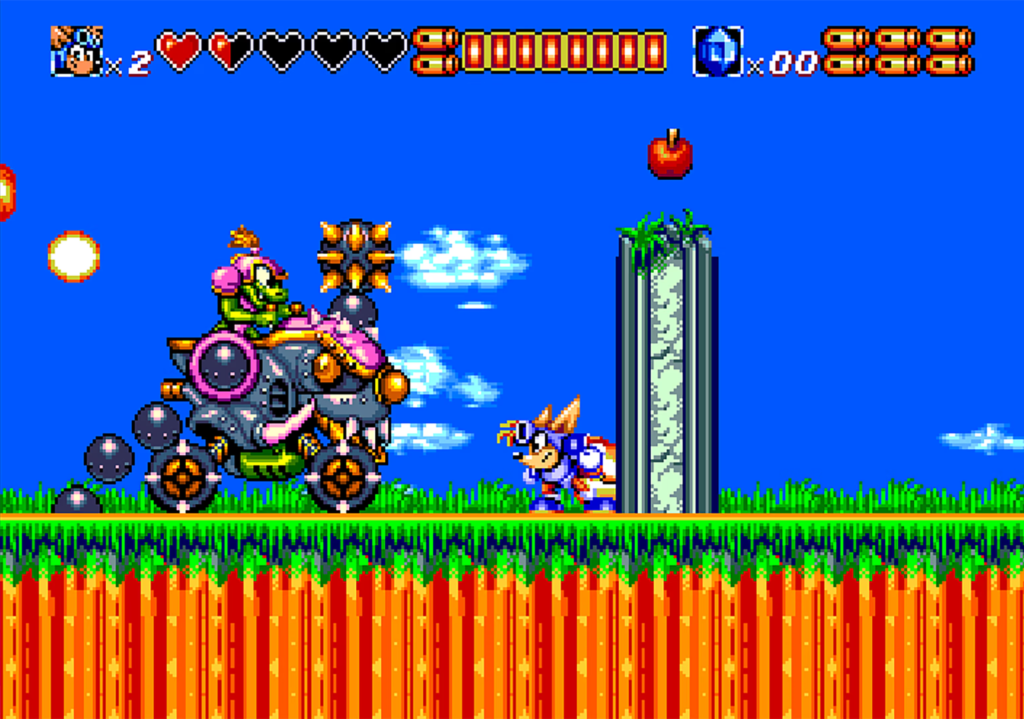
The game also has a wonderful Saturday-morning-anime flavor. You fight pig soldiers, giant machines, airships, and screen-filling bosses, all with Konami’s polished 16-bit craftsmanship. One moment you are platforming through a castle; the next you are blasting through a shooting section like the Genesis is trying to prove it can do everything at once.
Its cult status comes from being excellent but never quite becoming a household mascot name. Serious retro fans should try it because it captures the Genesis at its most colorful, confident, and inventive.
Collecting Note: Original Genesis copies are sought after, so compare options carefully before chasing a cartridge. A modern collection or digital version, when available, may be the smarter first step.
9. Panzer Dragoon
Platform: Sega Saturn
Released: 1995
The Sega Saturn had a rougher mainstream reputation than it deserved, and Panzer Dragoon is one of the best arguments for why the system still fascinates retro fans. This rail shooter is not just about blasting enemies from the back of a dragon. It is about mood, worldbuilding, music, and that strange early-3D feeling where everything looked new and slightly mysterious. This is why we added it to our list of games that deserve a screen adaptation.
The game moves you through ruined civilizations, alien landscapes, oceanic routes, and ancient technology while your dragon glides through the chaos. The lock-on targeting system gives the action a graceful rhythm. You are constantly rotating the camera, tagging enemies, releasing shots, and trying to stay aware of threats from every direction.
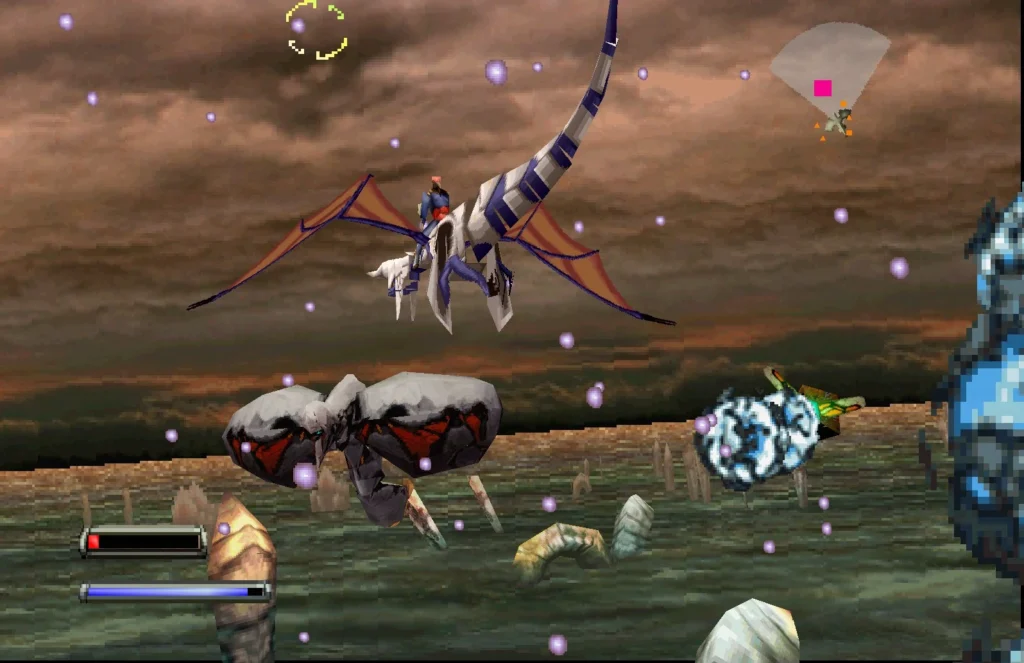
What sticks with people is the atmosphere. Panzer Dragoon does not feel like a generic fantasy shooter. It has its own language, architecture, creatures, and sense of ancient sadness. Even the opening cinematic feels like a lost artifact from an era when CD-based games wanted to feel cinematic and mythic.
It still matters because it gave the Saturn a true identity piece. Serious retro fans should try it not only for the gameplay, but to understand why Sega’s most misunderstood console still has such loyal defenders.
Worth Revisiting If: You are curious about the Saturn, early 3D spectacle, or games that build a world with minimal explanation.
8. Klonoa: Door to Phantomile
Platform: PlayStation
Released: 1997
At first glance, Klonoa: Door to Phantomile looks like a cute platformer. Give it a little time, and it reveals itself as one of the most heartfelt and quietly emotional games of the PlayStation era.
Klonoa’s core mechanic is beautifully simple. He grabs enemies with his Wind Bullet and uses them as projectiles or double-jump tools. That one idea powers the platforming, puzzle-solving, and boss fights without making the game feel overcomplicated. It is accessible, but it has enough cleverness to keep players engaged.
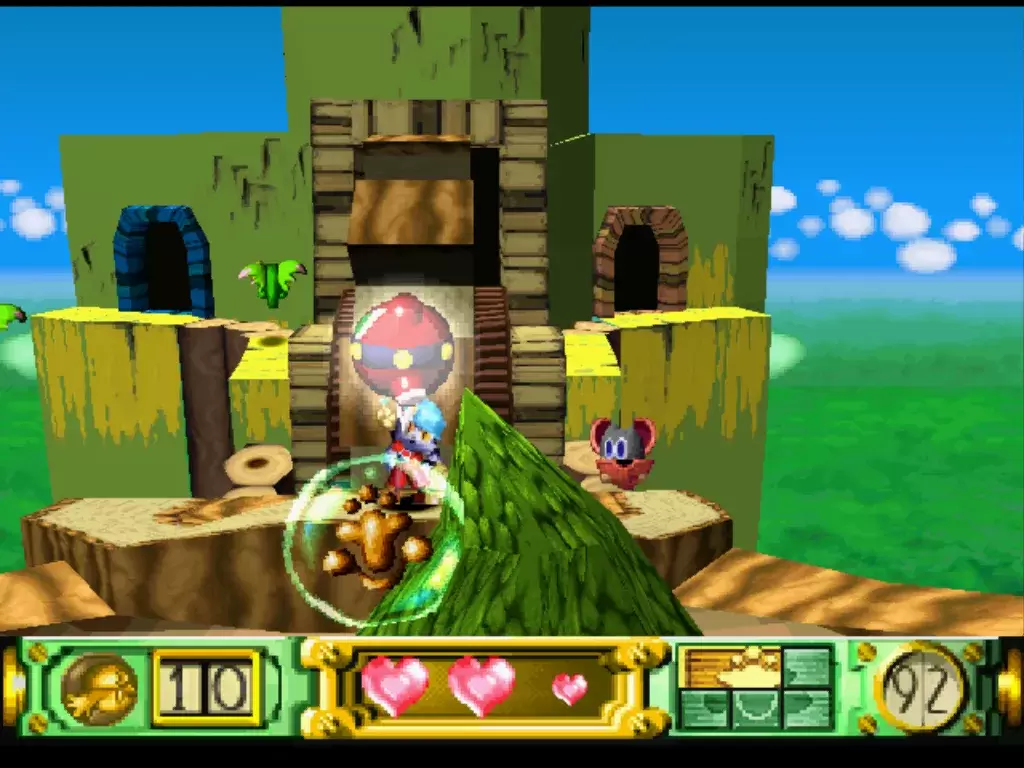
The game’s 2.5D presentation is a huge part of its charm. You move along a side-scrolling path while the world curves, rotates, and opens up behind you. It gives the adventure a storybook quality, helped by bright character designs and dreamy music.
What pushes Klonoa into cult classic territory is its emotional ending. Without spoiling it for newer players, this is one of those retro games that catches people off guard. It starts like a cheerful mascot adventure and leaves behind a surprisingly bittersweet memory.
Serious retro fans should try Klonoa because it shows how much feeling could exist inside a polished platformer. It is gentle, clever, and more powerful than its soft exterior suggests.
Best Way to Play Today: Modern remaster options have made this much easier to revisit than hunting the original PlayStation disc.
7. Guardian Heroes
Platform: Sega Saturn
Released: 1996
Guardian Heroes is what happens when a beat ’em up refuses to stay in its lane. Developed by Treasure, this Saturn favorite combines side-scrolling brawling, RPG-style leveling, branching paths, magic attacks, multiple endings, and chaotic multiplayer into one gloriously excessive package.
The lane-based movement gives combat a distinct rhythm. You hop between foreground, middle, and background planes while enemies swarm the screen and spells explode everywhere. It can look messy at first, but once you settle in, the game becomes a wild stage play of swords, skeletons, sorcery, and ridiculous power moves.
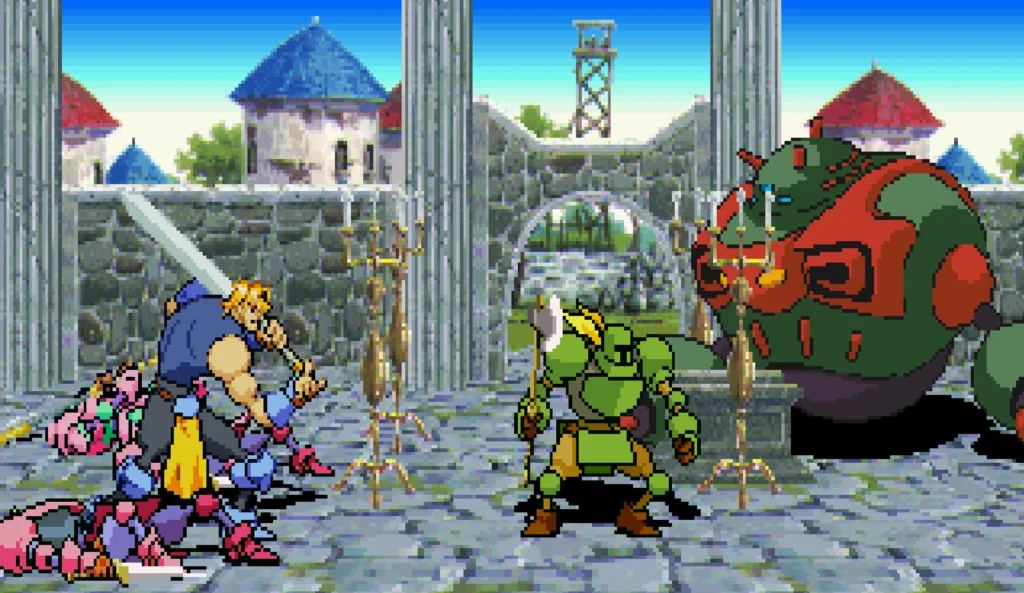
The undead golden warrior ally is one of the game’s most memorable touches. He follows your party like a silent wrecking ball, making the adventure feel bigger and stranger than a standard brawler. Add in branching story decisions and you have a game that practically begs for repeat playthroughs.
Its cult appeal is easy to understand: Guardian Heroes feels generous. It gives players more systems, routes, characters, and spectacle than expected. Serious fans should try it because it expands the definition of what a 2D brawler could be.
Worth Revisiting If: You love beat ’em ups but want something deeper, weirder, and more replayable than a straight arcade-style run.
6. Vagrant Story
Platform: PlayStation
Released: 2000
Vagrant Story is not a breezy nostalgia trip. It is dense, stylish, moody, and demanding. That is exactly why it belongs here.
Set in the ruined city of Leá Monde, this Square-developed action RPG follows Ashley Riot through a grim political fantasy full of shadows, secrets, and gothic architecture. Visually, it is one of the most striking games on the original PlayStation, using cinematic camera work, expressive character models, and a muted color palette that gives the whole adventure a serious, almost theatrical feel.
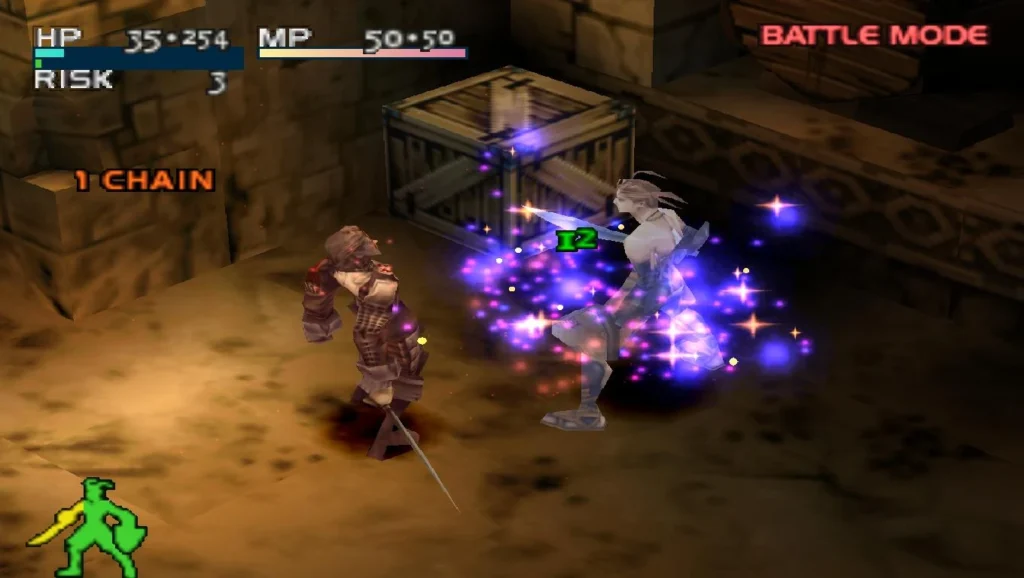
The combat system is where the game divides people. You target body parts, manage risk, craft and tune weapons, and learn how enemy types respond to different damage styles. It is not something you mash through casually. The menus, systems, and difficulty can feel intimidating, especially for players expecting a standard action RPG.
But the payoff is real. Vagrant Story feels like a game made with total confidence in its own identity. The atmosphere, writing, music, and combat design create something that still feels unusually adult for its era.
Serious retro fans should try it because it represents PlayStation ambition at its sharpest. It may not be for everyone, but it is absolutely worth understanding.
Worth Revisiting If: You like dark fantasy, complex systems, and games that ask for patience before they reveal their brilliance.
5. Illusion of Gaia
Platform: Super Nintendo
Released: 1994
The Super Nintendo library is packed with legendary RPGs, which makes Illusion of Gaia feel a little like the fascinating cousin who never gets invited into the main conversation often enough. Developed by Quintet and published by Enix, this action RPG blends real-world landmarks, ancient mysteries, emotional storytelling, and straightforward combat into something uniquely memorable.
You play as Will, a young boy with psychic powers, traveling through places inspired by the Inca ruins, the Great Wall of China, Angkor Wat, and the Tower of Babel. That world-tour structure gave the game an unusual identity. It felt educational in a dreamy, inaccurate, 16-bit-myth kind of way, like flipping through a strange illustrated history book from the game rental shelf.
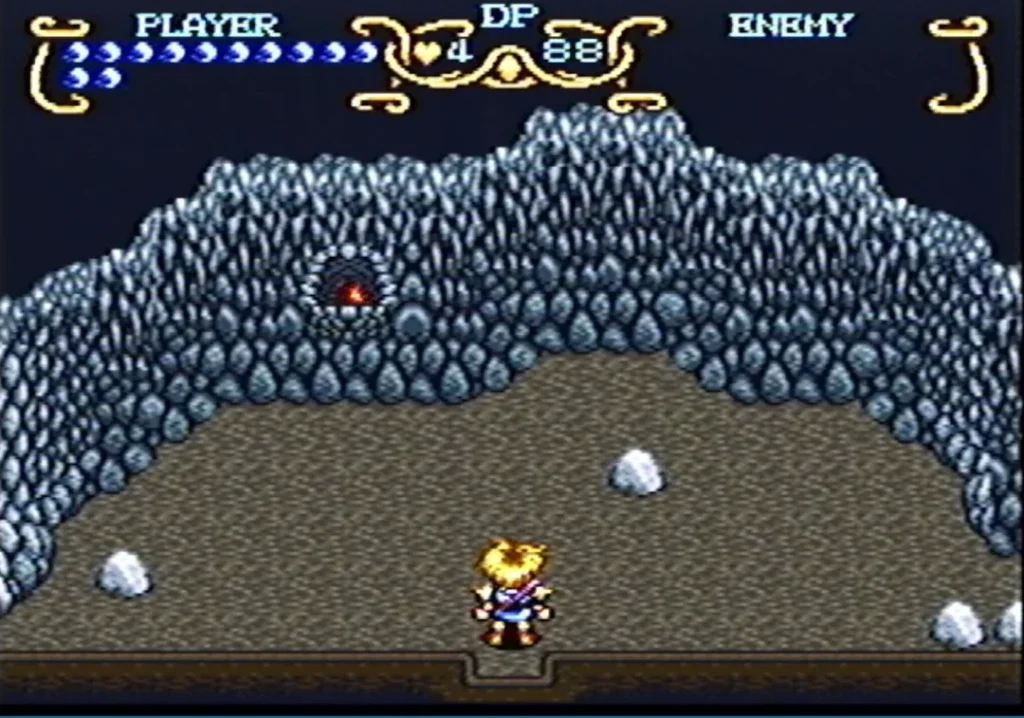
Combat is simpler than some RPG fans might expect, but the transformation system adds flavor. Will can become Freedan, a powerful dark knight, and later Shadow, giving the adventure a sense of growth and mystery. The story also has a melancholy streak, touching on loss, sacrifice, and growing up in ways that stood out during the era.
Illusion of Gaia still matters because it captures the SNES adventure RPG at its most earnest. Serious fans should try it because it offers something different from the usual fantasy kingdoms and crystal quests.
Collecting Note: Original cartridges can vary in price depending on condition and packaging, so casual players may want to research options before buying.
4. The Adventures of Batman & Robin
Platform: Super Nintendo
Released: 1994
Some licensed games chase the name on the box and forget the soul of the source material. The Adventures of Batman & Robin on Super Nintendo does the opposite. It understands that Batman: The Animated Series was not just about punching goons in alleys. It was about mood, detective work, striking shadows, tragic villains, and that unmistakable noir atmosphere.
Rather than turning Batman into a nonstop projectile-dodging action hero, the SNES version leans into a more deliberate side-scrolling action-adventure structure. Each stage is built around a major villain, and the game changes its rhythm to match the threat. The Joker’s stage feels different from Two-Face’s. The Riddler’s section brings in puzzle elements. The Scarecrow stage plays with unsettling visuals and atmosphere. That variety gives the game a “case file” feeling, almost like you are playing through episodes from the show rather than just clearing generic levels.
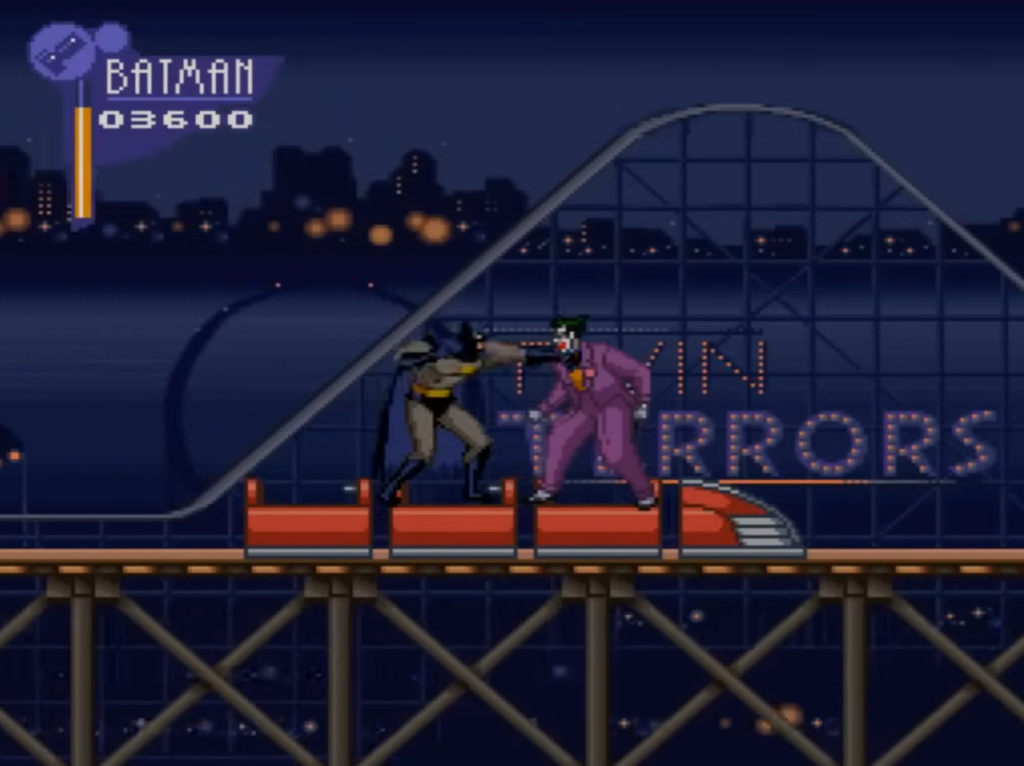
The detail fans remember most is how lovingly it pulls from the animated series. Batman’s cape, the dark backgrounds, the villain designs, and the moody presentation all feel closer to the show’s identity than many licensed games of the era managed. It is still an action game, and it can absolutely push back, but it is not trying to overwhelm you every second. It wants you to slow down enough to notice the world.
That is why the SNES version deserves this slot. The Genesis game has its own cult following for its frantic arcade action, wild difficulty, Jesper Kyd soundtrack, and hardware-pushing effects. Retro fans should try it because it shows what happened when a licensed 16-bit game actually respected the source material.
Worth Revisiting If: You love Batman: The Animated Series, slower-paced action-platformers, villain-themed levels, and licensed retro games with real atmosphere.
3. Skies of Arcadia
Platform: Dreamcast
Released: 2000
Some games feel like comfort food. Skies of Arcadia feels like a grand adventure novel you discovered on a summer break and never quite forgot.
This Dreamcast RPG follows Vyse, Aika, and Fina through a world of floating islands, air pirates, ancient civilizations, and ship battles. While many RPGs of the era leaned darker or more brooding, Skies of Arcadia embraced optimism. It is colorful, sincere, adventurous, and proud of it.
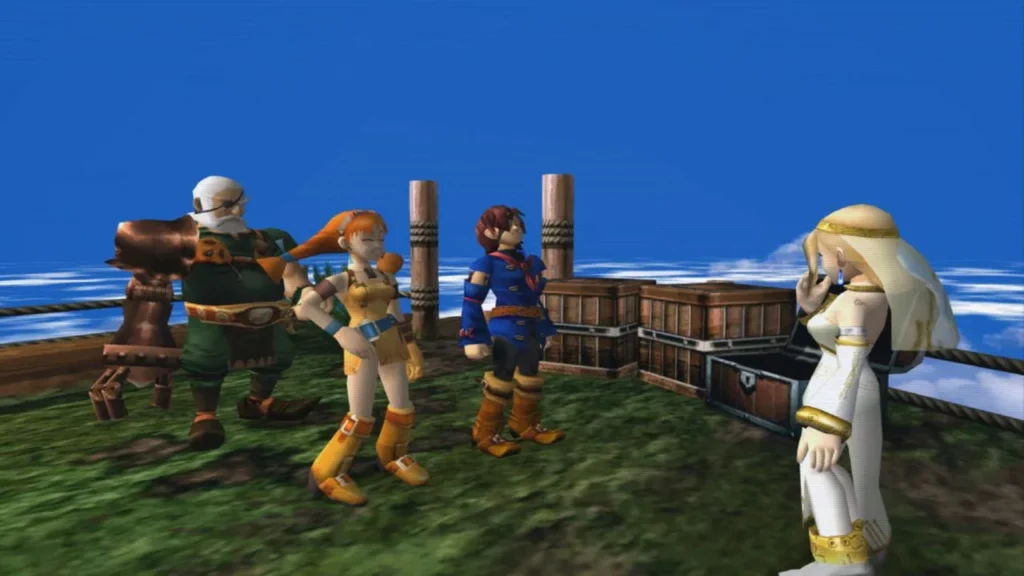
The airship exploration is the big memory. Sailing through clouds, discovering hidden locations, recruiting crew members, and upgrading your ship gives the game a sense of open-sky wonder. The ship battles add a separate layer of strategy, turning major encounters into dramatic cannon-fire duels.
Yes, the random encounter rate in the original Dreamcast version can test your patience. That flaw is part of why the GameCube version, Skies of Arcadia Legends, became the preferred way for many players. But even with its rough edges, the spirit of the game shines.
Serious retro fans should try Skies of Arcadia because it preserves a kind of earnest adventure energy that feels rare now. It is not cynical. It is not embarrassed to be heroic. It just wants to take you somewhere wonderful.
Best Way to Play Today: The GameCube version is often discussed as the smoother revisit, but availability and pricing can shift, so compare carefully before buying.
2. EarthBound
Platform: Super Nintendo
Released: 1995 in North America
EarthBound is one of the most famous cult classics in retro gaming, which sounds contradictory until you remember how strange its journey was. It did not dominate the SNES era commercially in North America, but over time it became one of the most beloved and analyzed RPGs of its generation.
Instead of knights, castles, and dragons, EarthBound gives you baseball bats, bicycles, burger shops, pay phones, department stores, suburbs, and psychic kids fighting cosmic horror. Ness and his friends travel through a world that feels familiar and bizarre at the same time, like childhood memories filtered through a dream.
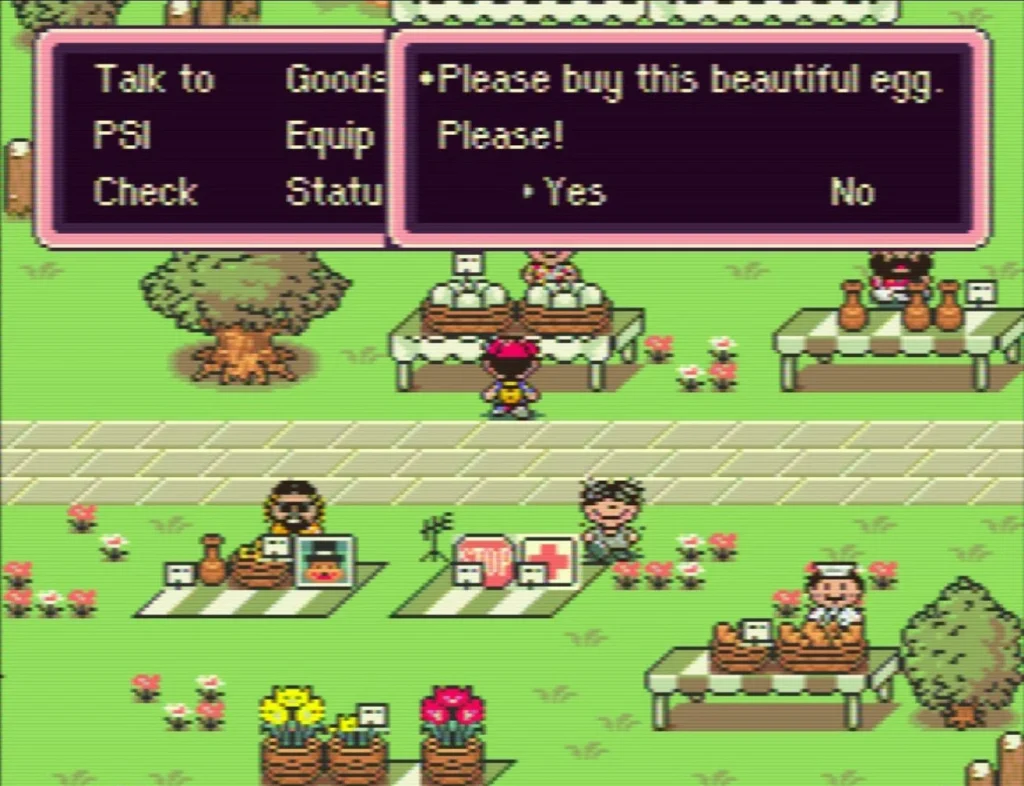
The details are unforgettable. Saving the game by calling your dad. Fighting New Age Retro Hippies. Seeing enemies like the Annoying Old Party Man or the Territorial Oak. Getting homesick. Eating hamburgers from trash cans. EarthBound understands that weirdness works best when it is grounded in something emotionally recognizable.
Its cult status comes from tone. It is funny, eerie, sweet, sad, and deeply human. Serious retro fans should try it because it proves a game can be mechanically simple in places but emotionally unforgettable.
Best Way to Play Today: Nintendo has made the game available through modern subscription options at times, which is far easier than chasing an original cartridge.
1. Snatcher
Platform: Sega CD in North America
Released: 1994 in North America
If there is a Mount Rushmore for cult classic retro games, Snatcher has a strong claim to one of the spots. Directed by Hideo Kojima, this cyberpunk adventure game blends visual novel storytelling, investigation, light gun-style shooting segments, and a heavy dose of sci-fi noir atmosphere.
Set in Neo Kobe City, Snatcher follows Gillian Seed as he investigates humanoid machines that kill people and take their place. The influence of cyberpunk cinema is obvious, but the game’s identity comes from how committed it is to mood. It is talky, stylish, tense, and packed with little investigative details that make the world feel dangerous.
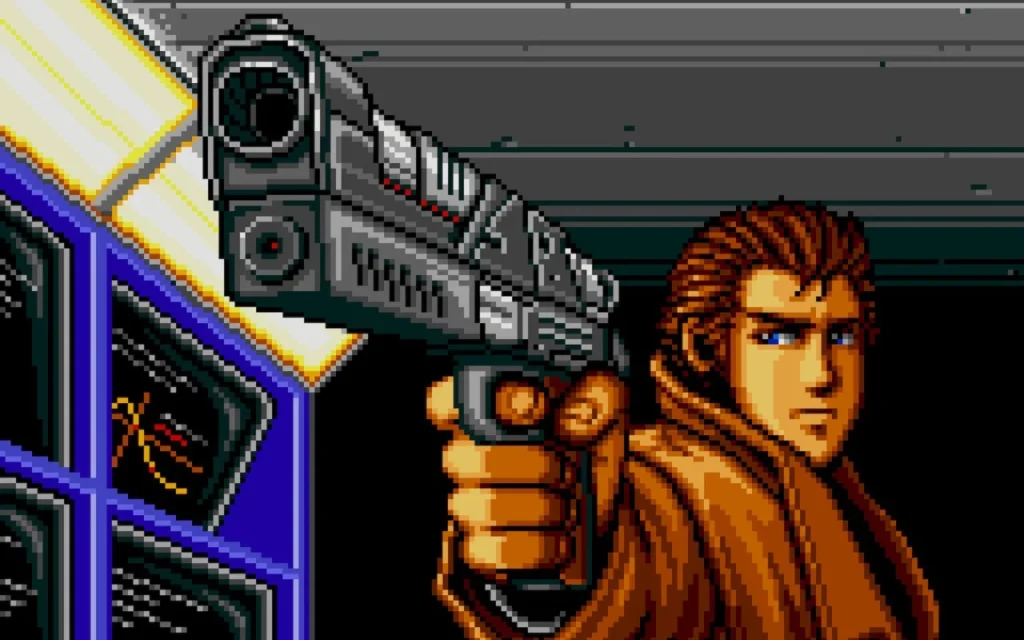
The Sega CD presentation gives it a distinct flavor. Voice acting, music, still-image scenes, and menu-driven exploration all create that early-CD feeling when games were experimenting with cinematic storytelling. It is not fast-paced in the modern sense, but that is part of the charm. You poke around rooms, question characters, scan details, and slowly sink into the mystery.
Snatcher also carries heavy collector interest, especially in its English-language Sega CD form. That means many fans know it by reputation long before they ever play it. Serious retro fans should try it because it is historically important, stylistically bold, and still one of the great examples of narrative ambition in the 16-bit CD era.
Collecting Note: Original copies can be costly, so research carefully before buying. For many players, learning about the game’s history and finding a legal, practical way to experience it is the better first step.
Best Way to Revisit These Cult Classics Today
A list like this comes with a practical reality check: some cult classic retro games are easy to revisit, while others can become expensive, inconvenient, or locked behind aging hardware.
For players who want the most authentic nostalgia hit, original cartridges, discs, controllers, memory cards, and CRT displays still create a feeling modern setups cannot fully duplicate. There is something special about the click of a cartridge, the hum of an old console, or the glow of a tube TV during a late-night session.
But original hardware is not always the smartest first step. Some games have modern collections, remasters, digital releases, or subscription availability that make them far easier to try. When those options exist, they are often the best place to start, especially if you are exploring a game for the first time rather than collecting it as a display piece.
For original hardware players, useful accessories may include a reliable controller, controller adapter, HDMI adapter, upscaler, memory card, protective case, or replacement AV cable depending on the console. None of those should be treated like magic fixes, but the right setup can make revisiting old games much smoother.
The honest advice is simple: do not overpay just because a game has a cult reputation. Try the most accessible legitimate version first when possible, then decide whether the original cartridge or disc is worth adding to your shelf.
Final Thoughts: The Weird Ones Are Often the Ones We Remember
Cult classics are important because they remind us that retro gaming history is bigger than the obvious hits.
Yes, the blockbuster franchises matter. The mascot icons matter. The best-selling consoles and famous RPGs matter. But the soul of retro gaming also lives in the strange discoveries — the games passed between friends, defended on forums, rented on a whim, misunderstood at launch, or rediscovered years later by players who finally found the right doorway in.
These 13 games do not all play the same, look the same, or appeal to the same kind of fan. That is the point. Some are charming. Some are punishing. Some are emotional. Some are weird enough to make you wonder how they ever got approved. Together, they show why retro gaming remains such a deep and rewarding hobby.
A serious fan does not need to love every cult classic. But every serious fan should try a few and understand why people still talk about them.
Sometimes the games that missed the mainstream spotlight are the ones that shine the longest.