Posted on June 22, 2026
Sonic Adventure 2 at 25: The Dreamcast Classic That Sent Sega Out With Speed, Style, and Shadow
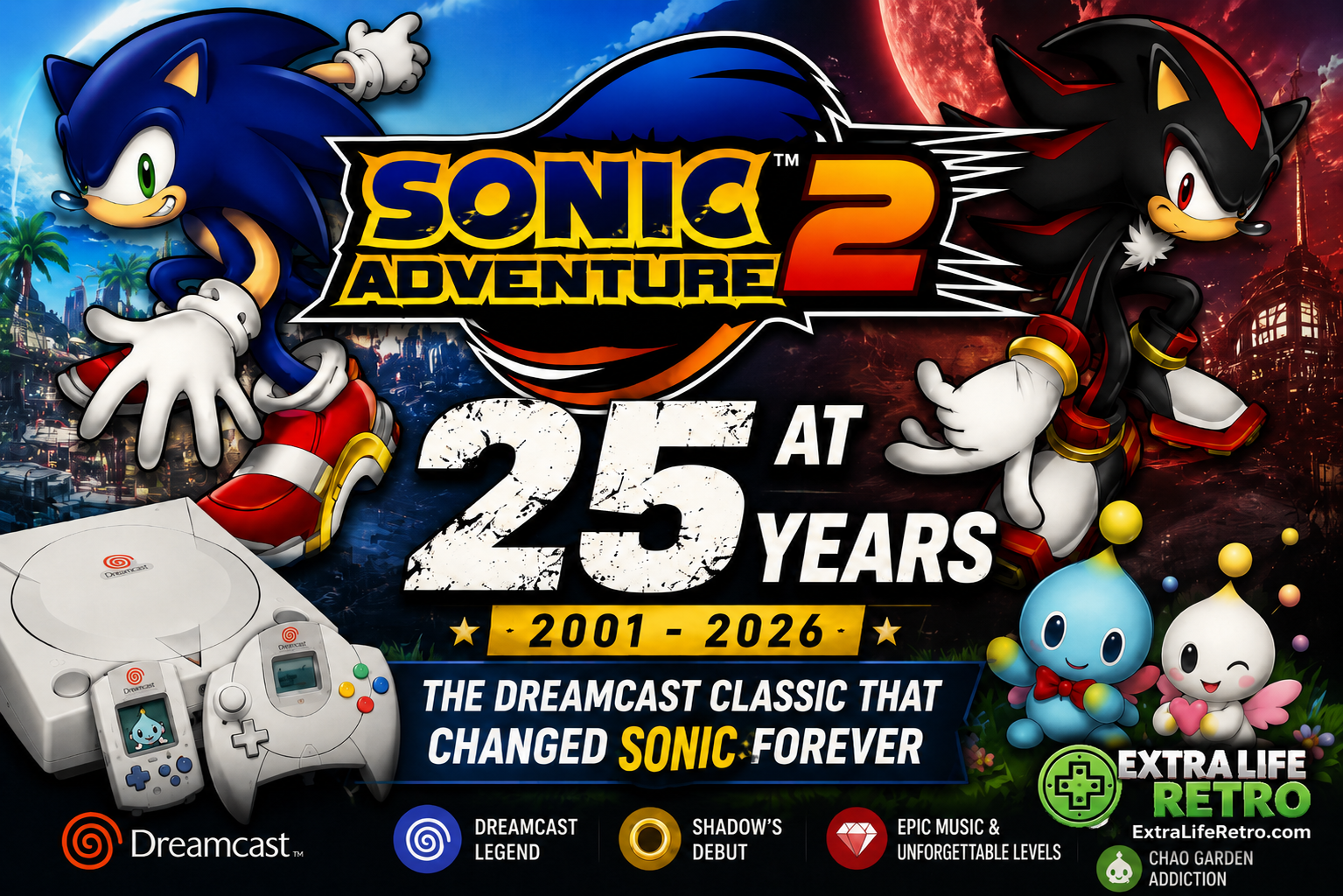
Sonic Adventure 2 just turned 25, and a quarter-century later, Sega’s final mainline Sonic game for its own hardware still feels like one of the most dramatic handoffs in retro gaming history.
On June 19, 2026, Sonic Adventure 2 at 25 became more than a simple birthday note for Dreamcast fans. It marked 25 years since Sonic Team and Sega launched one of the most memorable, divisive, stylish, soundtrack-blasting 3D Sonic games ever made. The original Dreamcast release arrived in North America on June 19, 2001, with Sega’s own launch announcement framing it around Sonic’s 10th anniversary.
That timing still matters. Sonic Adventure 2 was not just another sequel. It landed after Sega had already begun shifting away from the Dreamcast hardware business and toward becoming a third-party publisher. Wired reported from E3 2001 that Sega was moving into a “platform agnostic” future across PlayStation 2, GameCube, Xbox, Game Boy Advance, and Dreamcast.
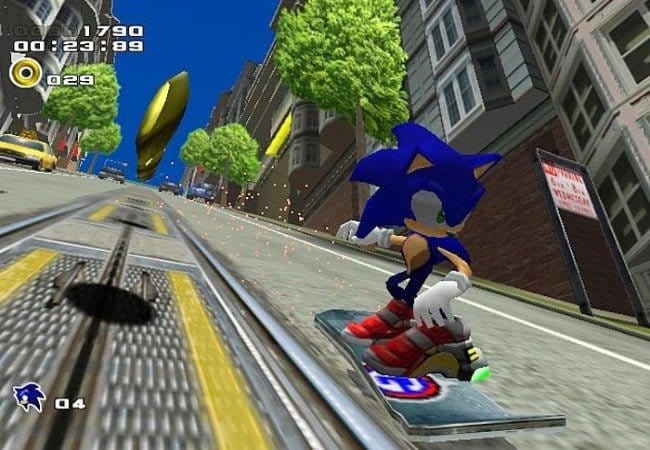
So yes, this anniversary is about Sonic, Shadow, City Escape, Chao Gardens, and that gloriously early-2000s soundtrack. But it is also about the moment Sega’s blue mascot stopped being only a Sega-console icon and began his long second life across everyone else’s machines.
What We Know So Far
There is no newly confirmed Sonic Adventure 2 remake, remaster, anniversary collection, or physical reissue tied directly to the game’s 25th anniversary at the time of writing.
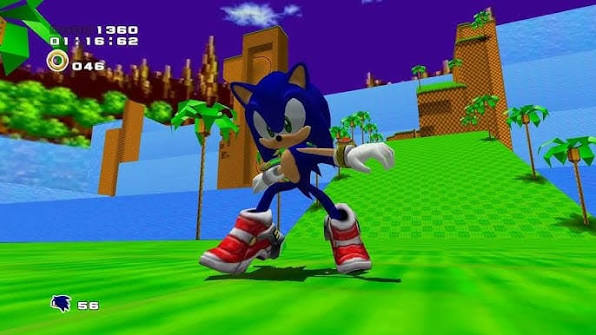
What is confirmed is the milestone itself. Sonic Adventure 2 originally released for the Sega Dreamcast in June 2001, with Sega of America announcing the Dreamcast launch on June 19, 2001. The game was developed by Sonic Team and published by Sega. The modern PC version remains available on Steam, where Sega is listed as both developer and publisher for the 2012 release.
The Xbox version is also still listed on Microsoft’s store as a backward-compatible Xbox Live Arcade release, with Xbox One and Xbox Series X|S support shown on the store page. Microsoft’s backward compatibility information explains that supported Xbox 360 and original Xbox games can be played on Xbox One and Xbox Series X|S when owned digitally or on compatible disc where applicable.
The Sonic Adventure 2: Battle Mode DLC is also listed separately on Xbox, adding content inspired by the GameCube-era Sonic Adventure 2 Battle, including extra two-player content and Chao Karate.
That means this anniversary is not a product launch story. It is a legacy story. And honestly, that may be the more interesting angle.
Why Sonic Adventure 2 Still Hits Different
Some games age quietly. Sonic Adventure 2 did the opposite.
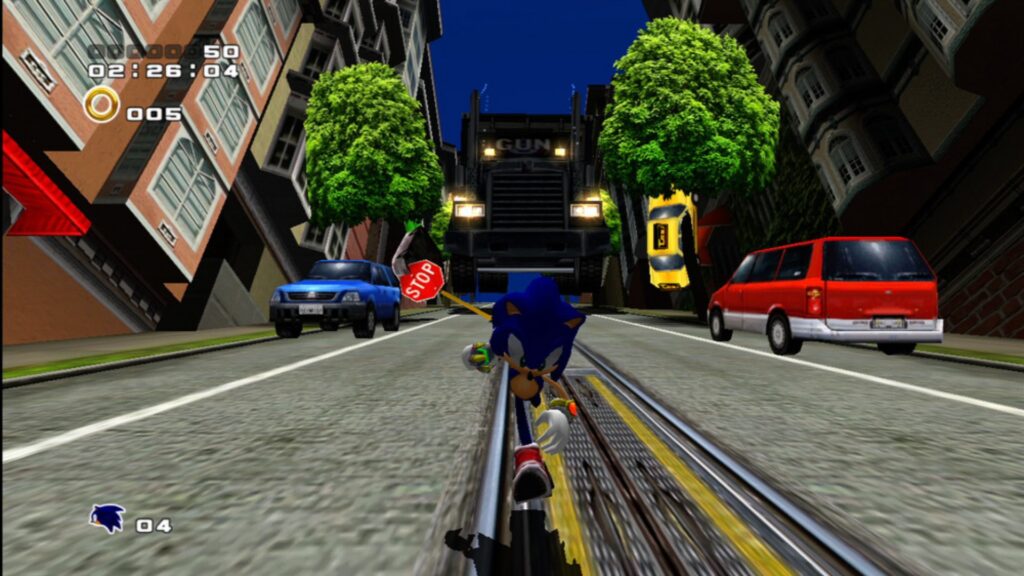
This is a game that still comes crashing into the room with electric guitars, grinding rails, military trucks, melodrama, jewel hunting, mech shooting, and a black-and-red hedgehog who walked in like he already had his own fanbase waiting for him.
The original Sonic Adventure proved Sonic could exist in 3D. Sonic Adventure 2 tried to make that 3D identity sharper, louder, faster, and more cinematic. It dropped the Adventure Fields from the first game and pushed players into a more direct stage structure. You were either racing through high-speed Sonic and Shadow stages, blasting through mech levels with Tails and Eggman, or searching for emerald pieces with Knuckles and Rouge.
Was every part equally loved? Absolutely not.
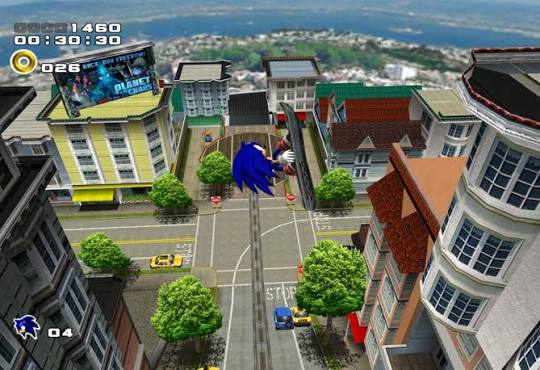
That is part of the game’s legacy. Sonic Adventure 2 is not remembered because it was clean, safe, or universally agreed upon. It is remembered because it had personality pouring out of every seam. It had confidence. It had weirdness. It had a soundtrack that understood the assignment before most players even knew what the assignment was.
And then there was City Escape.
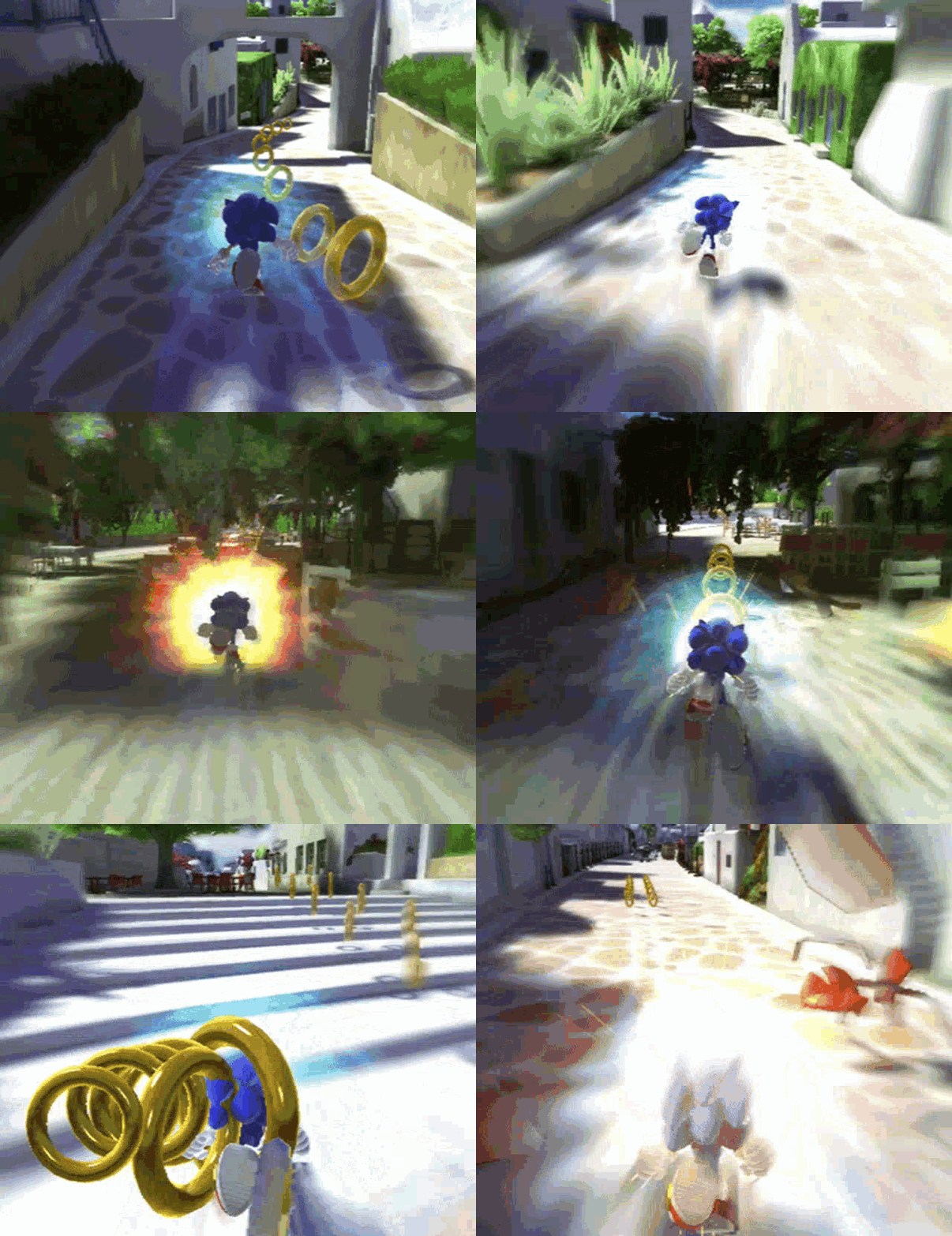
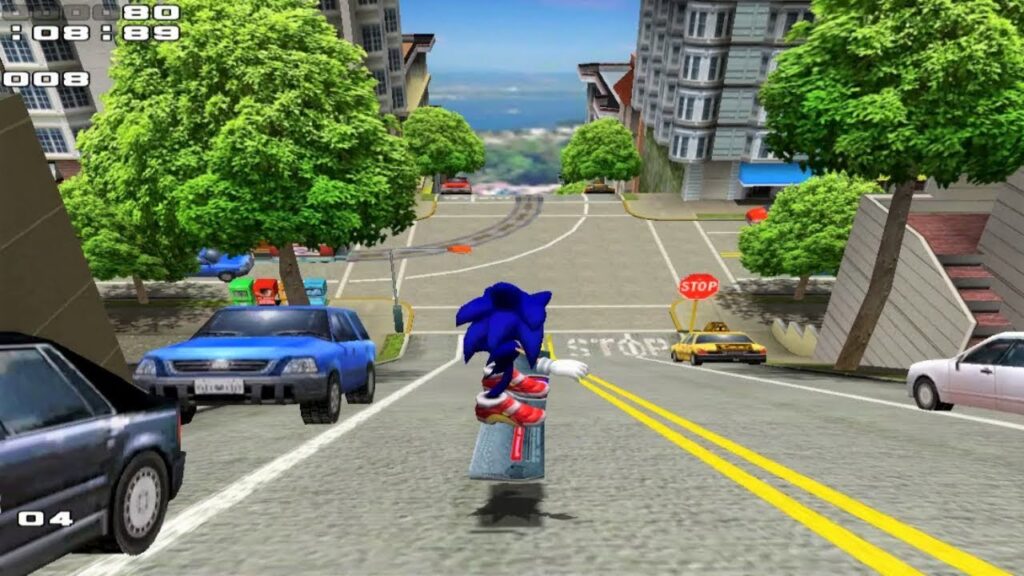
For a certain generation of Dreamcast and GameCube players, that opening level is not just a stage. It is a memory trigger. The board slide down San Francisco-style streets. The G.U.N. truck smashing through the road behind Sonic. The vocals kicking in. The feeling that Sega, even in a wounded hardware moment, could still make something that felt impossibly cool.
The Dreamcast Context Makes the Anniversary Bigger
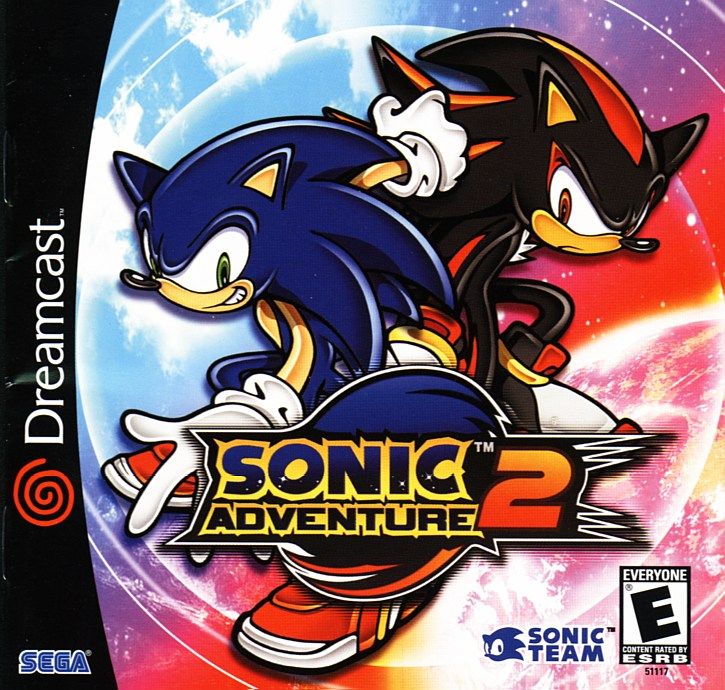
To understand why Sonic Adventure 2 at 25 matters, you have to remember where Sega was in 2001.
The Dreamcast was beloved, innovative, and ahead of its time in ways retro fans still talk about: online features, arcade-quality ports, VMU weirdness, crisp visuals, and a library that felt like Sega refusing to go quietly. But commercially, the writing was already on the wall. Sega was preparing for life after hardware.
That gives Sonic Adventure 2 a strange emotional weight. It was a celebration of Sonic’s 10th anniversary, but it also felt like a final bow for Sega’s mascot on Sega’s own console. The Dreamcast still had great games after it, but as a symbolic Sonic moment, this one was massive.
It was Sega saying: we may be leaving the console war, but Sonic is not leaving the stage.
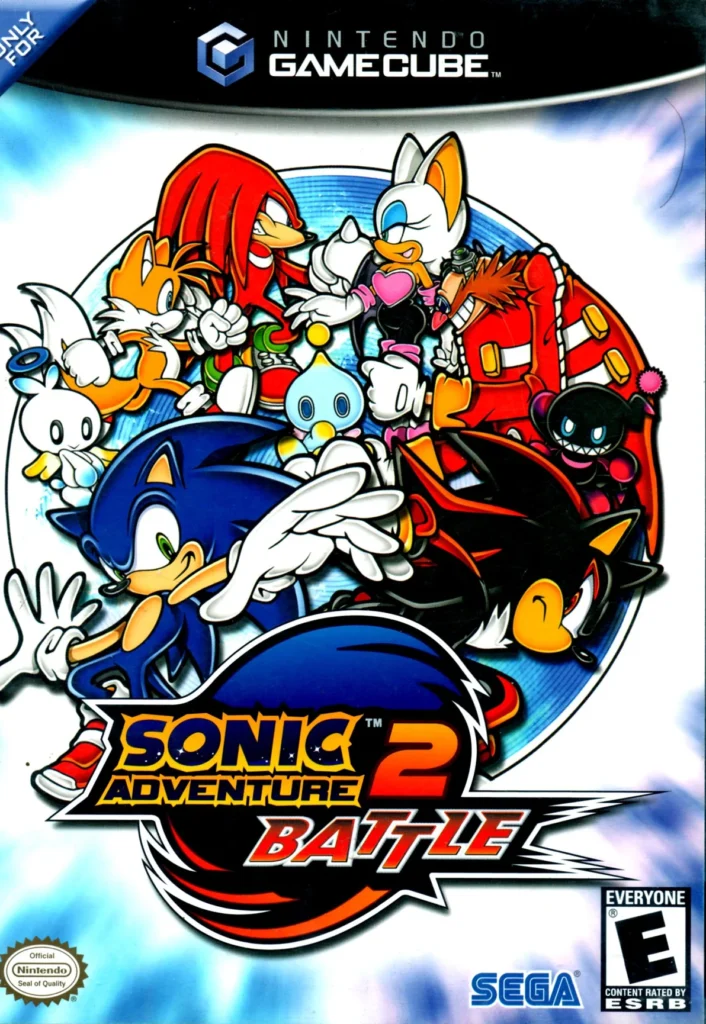
The GameCube version, Sonic Adventure 2 Battle, made that shift even clearer. Sonic showing up on a Nintendo console was once the kind of thing that sounded like playground nonsense. Then it became reality. For kids who grew up on “Genesis does what Nintendon’t,” seeing Sonic on Nintendo hardware felt almost unreal.
That is why this anniversary carries more than nostalgia. It marks the bridge between two eras: Sega as console warrior and Sega as third-party publisher.
Why Retro Fans Should Care
The easy answer is that Sonic Adventure 2 is still fun, messy, loud, and memorable.
The better answer is that it represents a rare kind of retro gaming artifact: a game that captures both the ambition and instability of its time.
This was not a cautious sequel. It leaned hard into multiple playable characters, a split Hero/Dark campaign structure, a bigger story, an edgier rival, and more replay systems. The Chao Garden alone became a long-term obsession for players who might have rented the game for the action stages and then accidentally spent hours raising little digital creatures like it was a side game hiding inside the main game.
For preservation-minded fans, the anniversary is also a reminder that Dreamcast-era games deserve better long-term access. Sonic Adventure 2 is luckier than many games from that generation because it has a modern PC version and backward-compatible Xbox availability. But it still has not received the kind of comprehensive modern treatment that many fans would love to see: a polished collection, a carefully handled console re-release, or a definitive version that respects both the Dreamcast original and Battle content.
And for younger players, this is one of the clearest windows into early 3D Sonic identity. Not the classic Genesis formula. Not the modern boost formula. Not the movie-era brand machine. This is Sonic in the Dreamcast transition zone, when Sega was experimenting in public and doing it with full-volume confidence.
Best Way to Play Today
This post may contain affiliate links. If you buy through them, Extra Life Retro may earn a small commission at no extra cost to you.
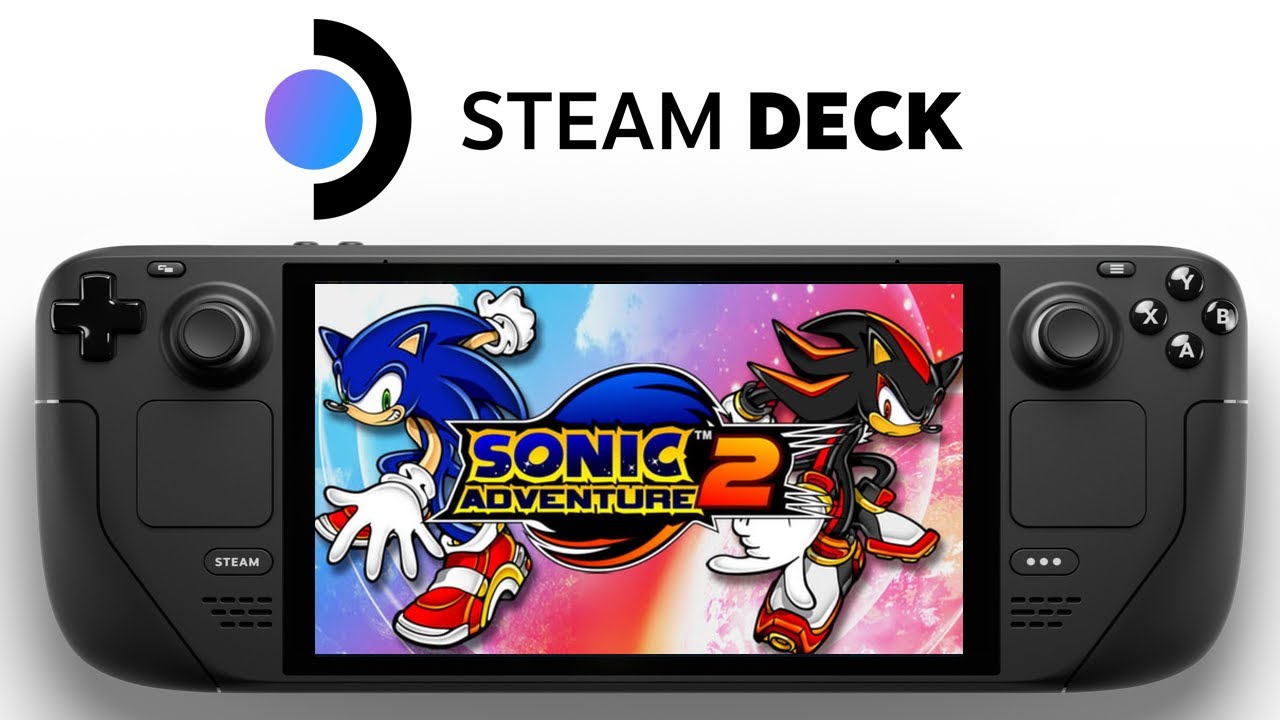
For most players, the easiest way to revisit Sonic Adventure 2 today is the Steam version or the Xbox backward-compatible release. Steam lists the 2012 PC release from Sega, while Xbox currently lists Sonic Adventure 2 as playable on Xbox One and Xbox Series X|S.
If you want the full nostalgia hit, the original Dreamcast disc is still the purest time-capsule version. That means original hardware, a Dreamcast controller, a VMU, and preferably a clean display setup. A CRT is beautiful if you have the space, but a reliable Dreamcast HDMI solution or scaler can make the game easier to enjoy on a modern TV without turning your living room into a cable jungle.
The GameCube version, Sonic Adventure 2 Battle, is also worth watching if you grew up with Nintendo hardware or care about the expanded multiplayer and Chao content. Just do not assume every physical copy is cheap or pristine. Check condition, region, manual inclusion, disc wear, and seller reputation before buying.
In plain terms: play digitally if you want convenience. Go physical if you want the shelf-piece nostalgia. Neither path is wrong.
What This Means for Collectors
Collectors should treat the 25th anniversary as a reason to pay attention, not a reason to panic-buy.
Anniversaries can create temporary interest around physical copies, soundtracks, figures, strategy guides, and related memorabilia, but there is no confirmed new Sonic Adventure 2 collector’s edition or official anniversary reissue at the time of writing. Without that confirmation, it would be irresponsible to tell readers to rush into purchases.
The smarter play is to watch the categories that naturally connect to the game:
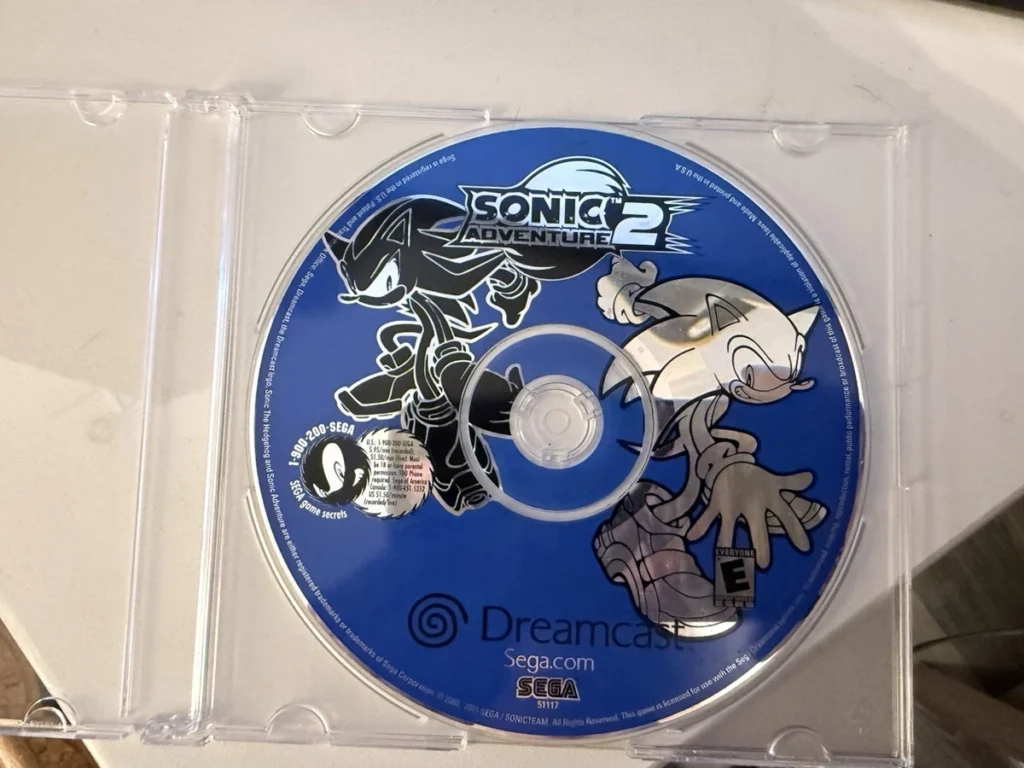
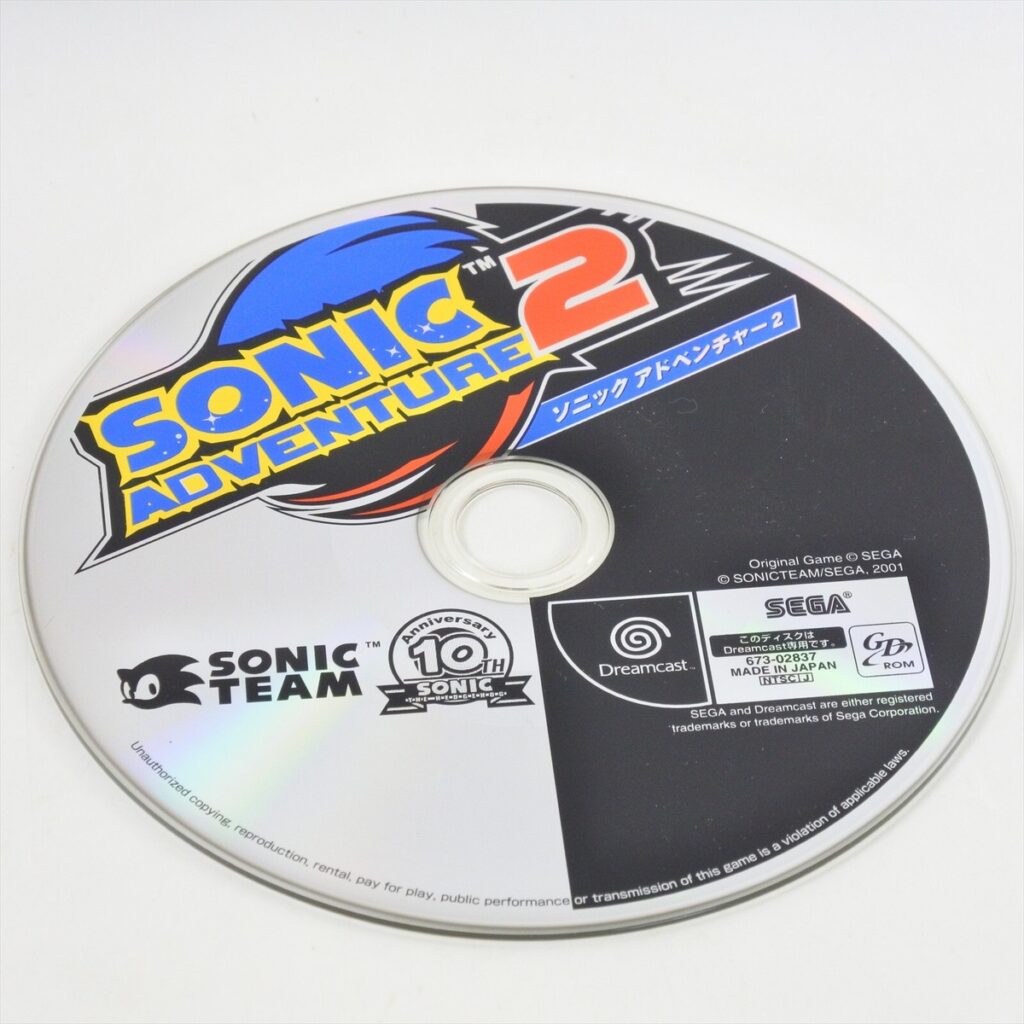
Original Dreamcast copies are the most historically important version because they represent Sonic’s last major Dreamcast moment. Sonic Adventure 2 Battle on GameCube matters because it symbolizes Sonic crossing into Nintendo territory. Strategy guides, soundtrack releases, and Shadow-focused collectibles may also see renewed attention because Shadow remains one of the game’s biggest lasting contributions to the franchise.
Collectors should also be careful with condition. Disc-based retro collecting is not just about owning the box. Scratches, resurfacing quality, manual condition, case damage, and regional differences all matter. If a listing looks suspiciously cheap, slow down and compare it against multiple marketplaces before jumping.
Shadow’s Legacy Is a Huge Part of the Story
You cannot talk about Sonic Adventure 2 at 25 without talking about Shadow.
Shadow the Hedgehog could have been a one-game rival. Instead, he became one of the most enduring characters in the entire Sonic universe. His debut gave the franchise a darker mirror for Sonic: similar speed, different attitude, heavier backstory, and a visual design that instantly stood apart.
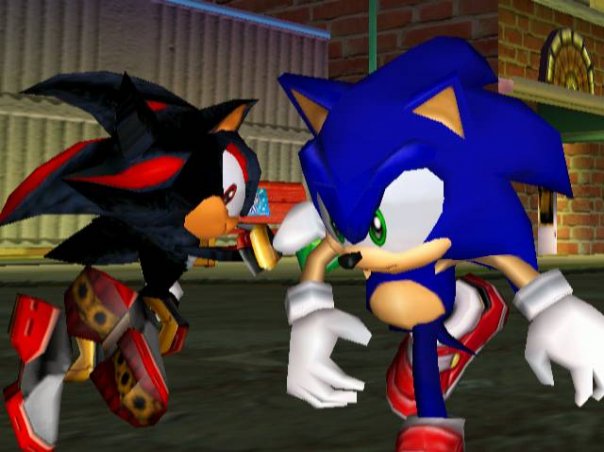
That staying power is one reason the game still matters culturally. Even fans who debate the treasure hunting, mech stages, camera behavior, or voice acting usually recognize how important Shadow became. The character’s continued prominence in modern Sonic media and games keeps pulling attention back toward Sonic Adventure 2 as the origin point.
That is the real power of this anniversary. It is not only about a 2001 Dreamcast game. It is about the moment Sega introduced a character who would reshape the franchise’s identity for decades.
What We Still Don’t Know
The big unknown is whether Sega plans to do anything more substantial with Sonic Adventure 2 around this milestone.
So far, there is no confirmed remake, no official new remaster, no newly announced physical edition, and no dedicated modern console collection centered on the Adventure games. A recent GamesRadar report quoted Sonic Team head Takashi Iizuka discussing the difficulty of remaking older Sonic titles, noting that remaking them for modern hardware can take resources similar to making a new game.
That does not mean a future port, collection, or remaster is impossible. It just means fans should separate hope from confirmed news.
The practical questions remain obvious:
Will Sega ever bring the Adventure games to current PlayStation and Nintendo platforms in a clean, official package?
Would a new release preserve the Dreamcast feel or lean on the later Battle content?
Could the Chao Garden return in a way that does not get over-modernized?
Would Sega treat the soundtrack, widescreen support, camera behavior, and control quirks carefully enough to satisfy longtime fans?
Those are great questions. They are not confirmed answers.
The Bigger Retro Gaming Takeaway
The reason Sonic Adventure 2 still gets people talking is simple: it came from a time when big mascot games were allowed to be strange.
Modern brand management often sands the edges down. Sonic Adventure 2 had edges everywhere. It had rap songs for Knuckles. It had a prison break. It had a government conspiracy. It had space colonies. It had a final boss wrapped in melodrama. It had Chao raising tucked inside like Sega accidentally invented a comfort-game loop inside a high-speed platformer.
That kind of personality is hard to fake.
For retro fans, the 25th anniversary is a chance to revisit a game that is not perfect but absolutely matters. It matters to Dreamcast collectors. It matters to Sonic fans. It matters to anyone interested in Sega’s transition from console maker to third-party publisher. And it matters to players who understand that sometimes the most memorable games are not the smoothest ones, but the ones with the strongest pulse.
A quarter-century later, Sonic Adventure 2 still has that pulse.
You can hear it in City Escape. You can see it in Shadow’s first appearance. You can feel it in the Dreamcast controller, in the GameCube port, in the Chao Garden, and in every fan who still lights up the moment someone says, “rolling around at the speed of sound.”
Twenty-five years on, Sonic Adventure 2 is still running.