Posted on March 24, 2026
Blaster Master: The NES Game That Made You Feel Small
You know that feeling when you’re a kid and you wander too far from home, and suddenly everything feels bigger and more dangerous than it did five minutes ago?
That’s Blaster Master.
This game figured out something most NES titles never bothered with: scale. Not just graphically—though driving around in a tank and then hopping out to explore on foot was wild for 1988—but emotionally. One minute you’re piloting this unstoppable metal beast, bouncing around planets, blowing through walls. The next minute you’re walking through a door, and suddenly you’re this tiny, fragile thing in a room full of enemies that want you dead.
That shift? That’s the whole game. And thirty-plus years later, it still hits different.
At a Glance
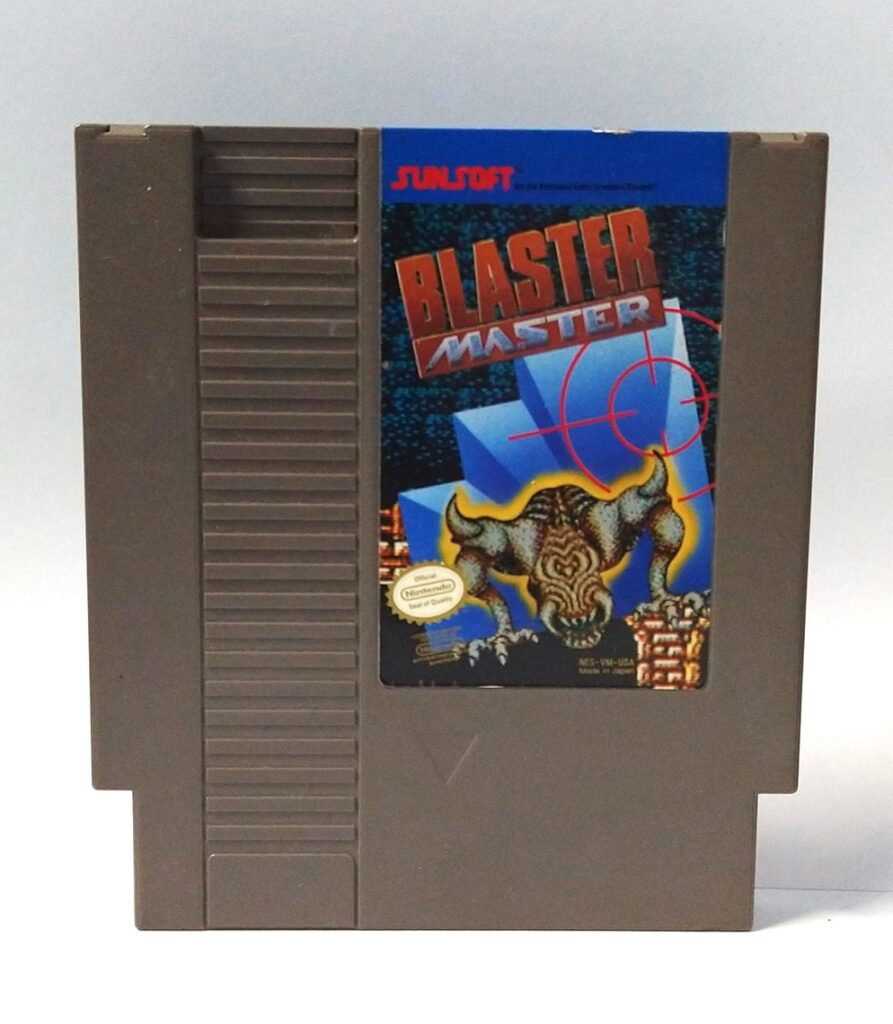
- Platform: NES
- Released: 1988 (Sunsoft)
- Genre: Side-scrolling vehicle action meets top-down dungeon crawler
- Vibe: Gritty sci-fi with a serious chip on its shoulder
- You’ll Love It If: You want something weird, ambitious, and legitimately challenging
- Maybe Skip If: You need modern conveniences or you’ll throw your controller through a wall
- Best Way to Play: However you can grab it—but save states are your friend
The Story Nobody Remembers (But Should)
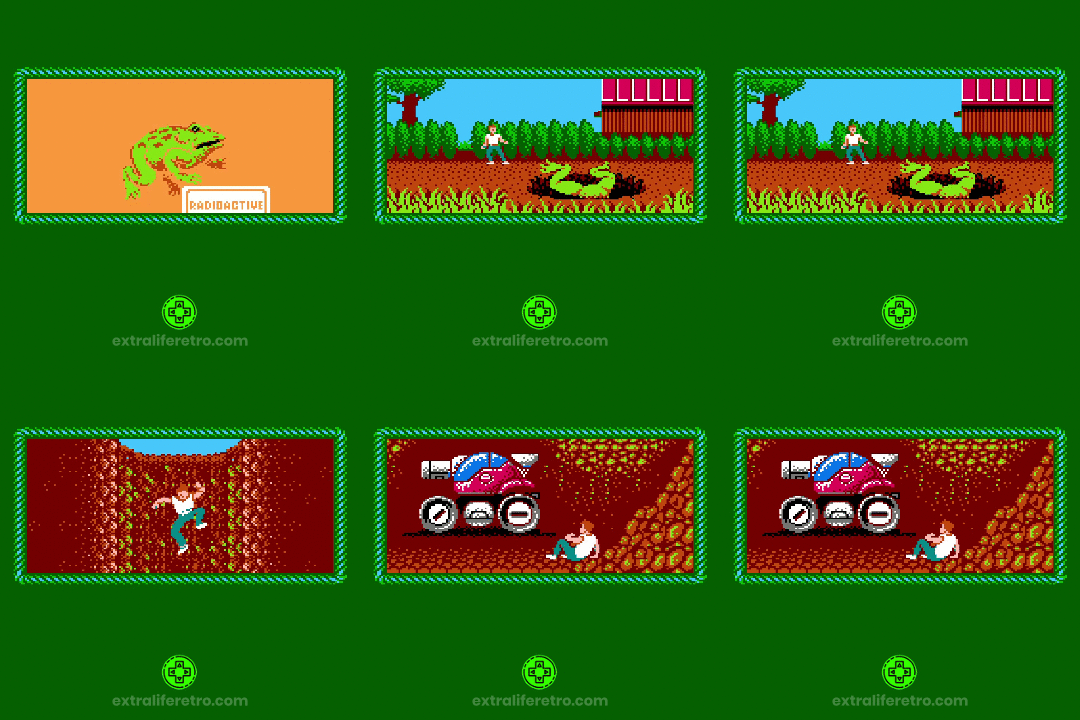
Okay, real talk: the American version’s story is bonkers. Your pet frog Fred escapes, falls down a hole, mutates into a giant frog, and you follow him into an underground mutant-infested nightmare driving a battle tank called SOPHIA 3rd.
Was this the original Japanese story? Absolutely not. Did we care as kids? Also no. Because the moment you started playing, none of that mattered.
What mattered was the feeling. That sense of descending into something dark and dangerous. That realization that you were way out of your depth. That slow, earned progression as you pushed deeper into this hostile alien world.
The story was silly. The experience was dead serious.
Why This Game Grabbed Us By The Throat
You Were Powerful… Until You Weren’t
Here’s what Blaster Master understood that most games didn’t: contrast creates tension.
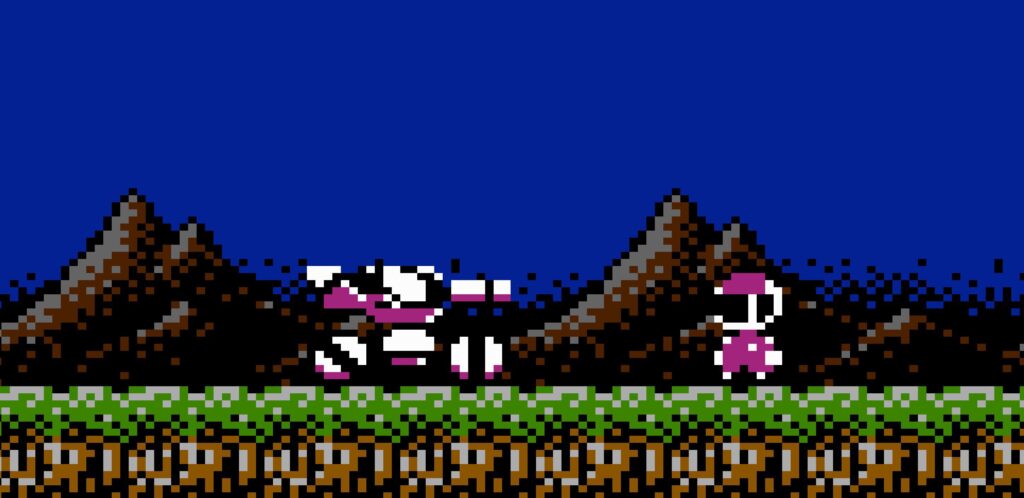
When you’re in SOPHIA—your tank—you feel unstoppable. You’ve got hover capabilities, you can blast through enemies, you can take hits. You’re the predator. The music is driving and confident. You own this.
Then you reach a checkpoint. You exit the tank. You walk through a door.
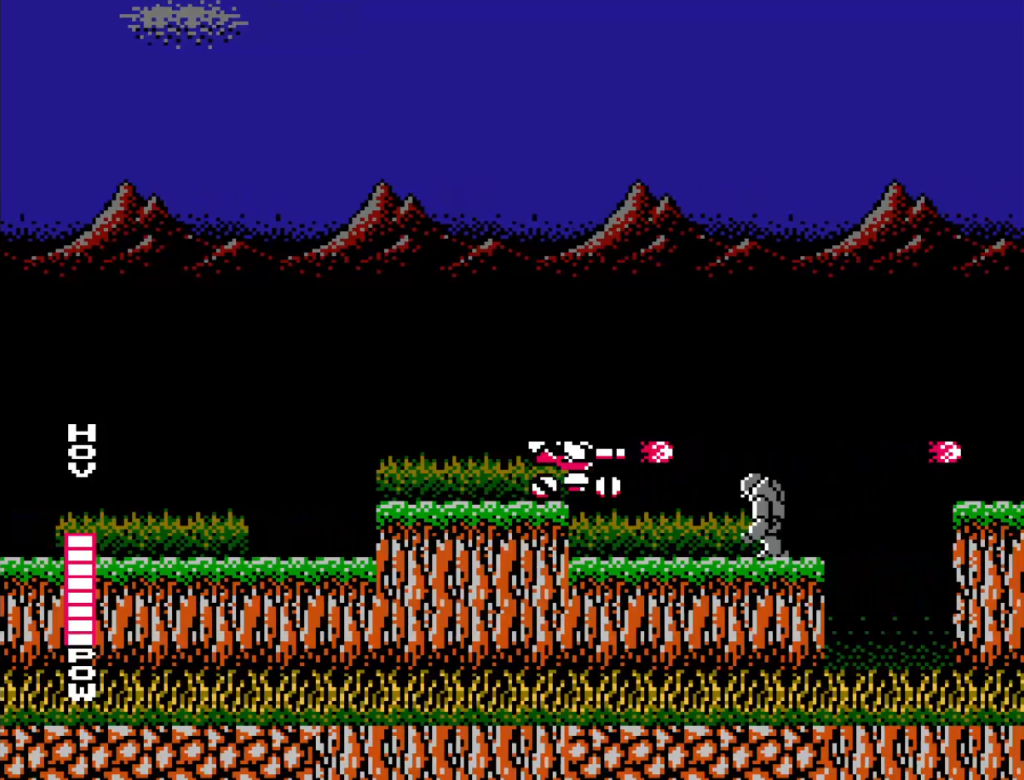
And everything changes.
Suddenly you’re in a cramped, top-down room. You’re slow. You’re weak. You have a tiny gun. Enemies swarm you. The music shifts to something claustrophobic and urgent. One wrong move and you’re toast.
That feeling of going from “I got this” to “oh god oh god oh god” in the span of a single door transition? That’s game design magic. That’s why we remember this game.
The World Felt Huge
For an NES game, Blaster Master felt genuinely massive. Not just in terms of map size—though it was big—but in terms of the way it made you feel small in it.
You’d drive through these sprawling caverns, see doors you couldn’t reach yet, paths blocked by water or walls you couldn’t break. You’d make a mental note: “I’ll come back when I’m stronger.” And you would. Hours later. With a new upgrade. And that door you couldn’t open before? Now it led somewhere completely new.
That sense of returning to old areas with new abilities, seeing the map expand, understanding how it all connected—that was still fresh in 1988. And it still feels good today.
It Didn’t Baby You (For Better and Worse)
Blaster Master respected you enough to assume you had a brain.
No quest markers. No tutorials. No “hey dummy, shoot the wall here.” You had to pay attention. Observe. Remember. Think.
Sometimes that meant genuine discovery moments that felt earned. “Wait, I can use the hover ability to reach that ledge I’ve been stuck looking at for an hour!”
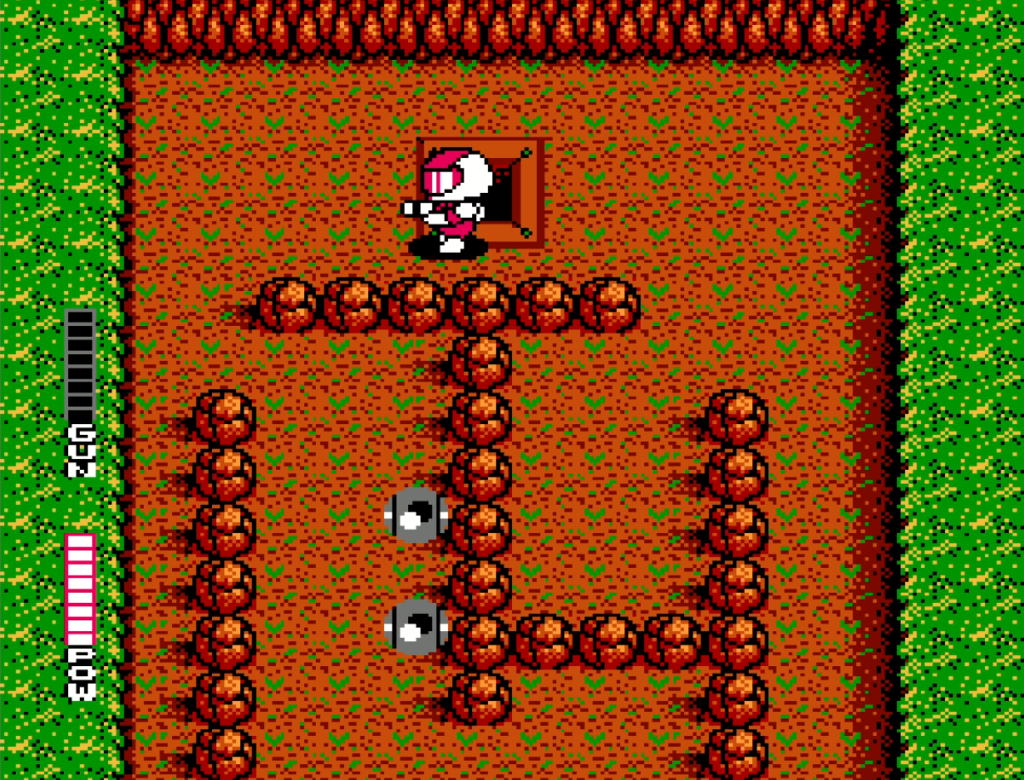
Sometimes it meant wandering around for twenty minutes wondering what the hell you were supposed to do next.
Both of those experiences are very NES. And honestly? Both are part of why people who loved this game really loved it.
The Dungeons Were Genuinely Tense
Those top-down sections inside the bases? They weren’t just palette swaps. They were gauntlets.
You’d enter a room. Enemies everywhere. Projectiles flying. Your health bar melting. And you’d have to decide: do I clear this room methodically and risk getting overwhelmed, or do I make a break for the exit and hope I don’t get clipped?
And when you finally found the boss room, fought through the pattern, grabbed the upgrade, and escaped? That felt like an accomplishment. Not a participation trophy. An actual victory you earned through pattern recognition and sheer stubbornness.
The Parts That’ll Make You Swear
Let’s not pretend this game aged like fine wine in every department.
Checkpoints? What Checkpoints?
This is the big one. Blaster Master does not care about your time.
You can push deep into a new area, make great progress, find a new power-up, and then die to some cheap enemy placement and get sent WAY back. Not to the last room. Not to the last safe spot. Back to the last area transition you crossed.
If you grew up with this, you accepted it. If you’re coming to it fresh in 2025, you’re going to ask “why would anyone design it this way?”
The answer is: because it was 1988 and they could get away with it.
Sometimes You’re Just… Lost
There will be moments where you genuinely have no idea where to go next. You’ll drive around. Check your map. Drive around more. Shoot random walls. Stand there thinking “am I missing something obvious?”
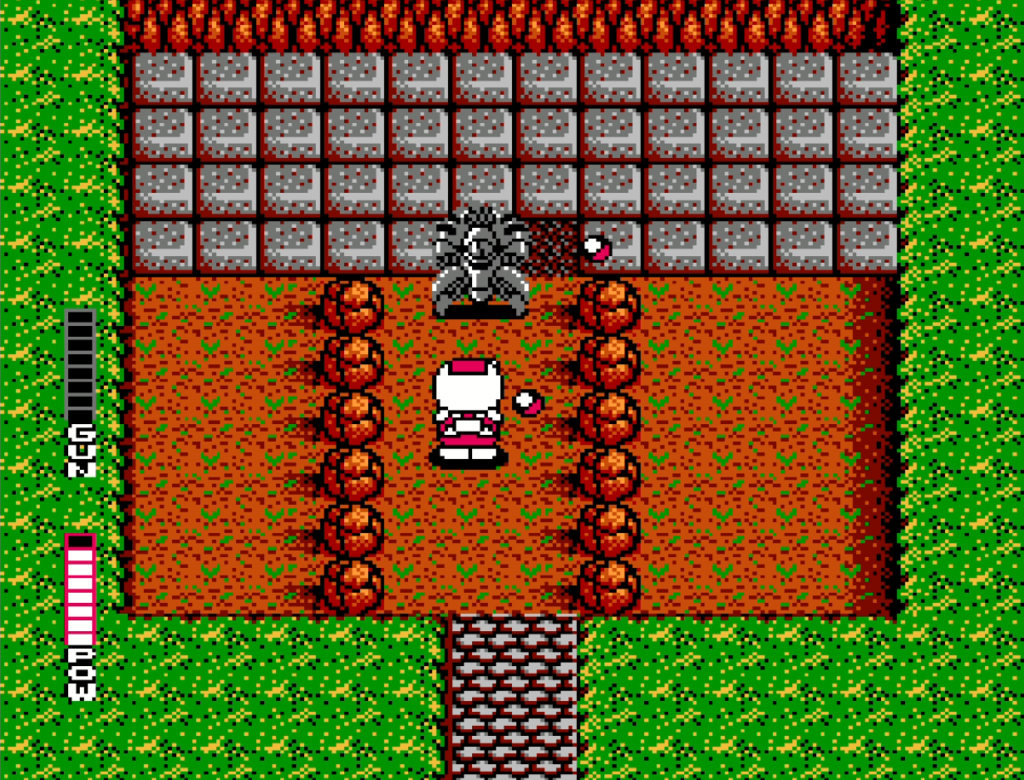
Sometimes yes. Sometimes no. Sometimes the game just wants you to wander until you stumble onto the answer.
This can be meditative and exploratory if you’re in the right mood. It can be teeth-grindingly frustrating if you’re not.
The Top-Down Combat Can Feel Cheap
The tank sections? Chef’s kiss. Tight, responsive, satisfying.
The on-foot dungeon sections? Hit or miss. Sometimes you’re dodging projectiles like a pro. Sometimes you’re getting stunlocked by three enemies and you can barely see what’s happening.
It’s not broken. But it’s definitely the weaker half of the game mechanically. You put up with it because the atmosphere and tension make it worthwhile. But let’s be honest: you’re here for SOPHIA.
How to Actually Enjoy This Game Today
Look, I’m going to say something that might sound like heresy:
Use save states.
I know, I know. “That’s not how it was meant to be played.” But here’s the thing: the game was also meant to be played by kids in 1988 who had infinite free time and nothing else to do.
You’re an adult with responsibilities. You don’t need to prove anything to Blaster Master.
Save states don’t make the game easy. They just remove the part where you lose 30 minutes of progress because you took a hit you didn’t see coming. The exploration is still challenging. The bosses still require pattern memorization. The dungeons are still tense.
You’re just not being punished for the game’s most outdated design choices.
Other Tips That’ll Help:
- Keep notes. Seriously. Jot down “Area 3 has a door I can’t open yet” or “saw a power-up behind a wall in Area 5.” Future you will thank present you.
- Take it slow in dungeons. Don’t rush. Clear enemies methodically. The game rewards patience, not speed.
- Explore everything. If you see a suspicious wall or platform, try shooting it or jumping to it. The game hides tons of secrets.
- Don’t force it. If you’re stuck, take a break. Come back fresh. The answer will click.
Where to Play It
Switch Online (NES Collection): Easiest access, built-in save states, rewind function if needed
NES Classic Edition: If you’ve got one, it’s included
Original Hardware: The authentic experience, complete with authentic suffering
Emulation: Works perfectly, highly recommended with save state support
Modern Release: Blaster Master Zero exists (and it’s excellent), but it’s a reimagining, not the original
Pick whichever method gets you playing. The game’s design is strong enough to shine through any platform.
Who Should Play This in 2025?
You’ll Love It If:
- You want something genuinely different from the usual NES library
- You love exploration and gradual world-building
- You appreciate games with atmosphere and identity
- You liked Metroid but want something weirder and darker
- You don’t mind learning through trial and error
Skip It If:
- You need clear objectives and quest markers
- Losing progress makes you want to quit gaming forever
- You hate backtracking or feeling temporarily lost
- You need every game mechanic to feel perfectly polished
The Real Reason It Still Matters
Blaster Master is one of those games that reminds you why retro gaming isn’t just about nostalgia.
Yes, it’s old. Yes, it’s hard. Yes, it will frustrate you.
But it’s also bold, atmospheric, and genuinely unique in ways that most games—retro or modern—never achieve.
It won’t hold your hand. It won’t apologize for its difficulty. And it definitely won’t tell you where Fred the frog went (spoiler: he’s probably in Area 6 somewhere, the little jerk).
But if you meet it halfway—if you bring patience, curiosity, and maybe a notepad—Blaster Master will show you why some NES games are still worth talking about decades later.
Now get in the tank. SOPHIA III is waiting.
Final Verdict
Blaster Master isn’t for everyone. It’s stubborn, it’s demanding, and it expects you to meet it on its terms.
But if you’re willing to give it a fair shot—armed with save states, a notepad, and maybe a little patience—you’ll find something genuinely special. A game that makes you feel small and lost and overwhelmed, and then slowly, methodically, lets you grow into someone who can conquer it.
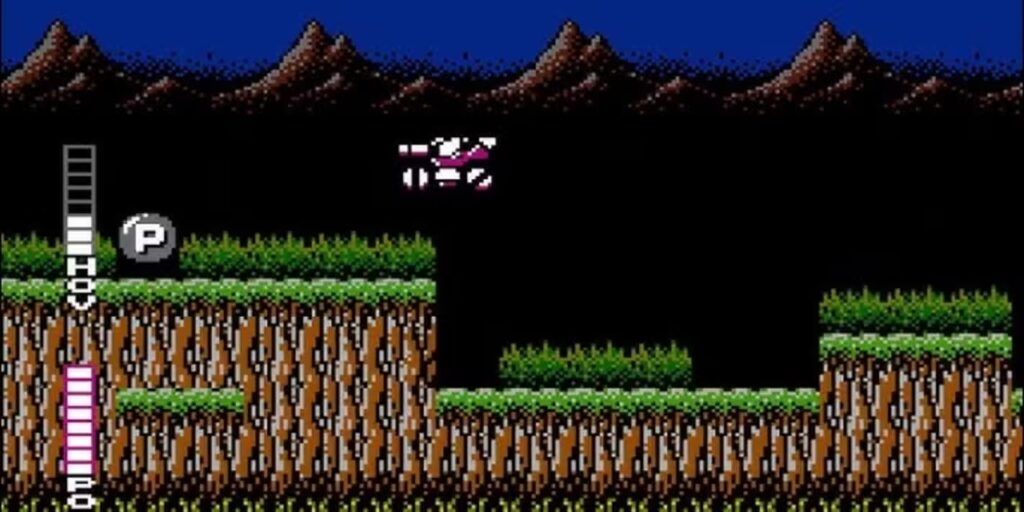
It’s the kind of game you finish and think: “I earned that ending.”
And honestly? We could use more games like that.
Have you played Blaster Master? What was your “I’m stuck where do I go” moment? Hit reply—I want to hear your tank stories.