Posted on June 12, 2026
10 Best-selling Retro Games That Deserved Every Sale
Best-selling retro games are not always the same thing as the “best” retro games. Sometimes they sold because they were bundled with hardware. Sometimes they rode a wave of hype, controversy, movie tie-ins, or playground buzz. And sometimes they sold because they were exactly the right game at exactly the right moment.
That is what makes this list fun.
We are not just looking at sales charts and calling it a day. This is about the best-selling retro games that still deserve the hype because they helped define the culture around their systems. These are the games that lived on rental shelves, dominated sleepovers, sparked schoolyard debates, filled arcades, sold consoles, and gave players memories that still come rushing back the moment you hear the music, see the box art, or hold the controller again.
So yes, this is a ranked list — but not strictly by sales numbers alone. The ranking considers commercial success, cultural memory, replay value, influence, system identity, and whether the game still gives modern retro fans a real reason to revisit it today.
These are 10 best-selling retro games that were not just popular. They became part of the language of gaming.
10. Disney’s Aladdin
Platform: Sega Genesis
Released: 1993
Why it belongs: The licensed 16-bit platformer that proved movie games could be more than quick cash-ins.
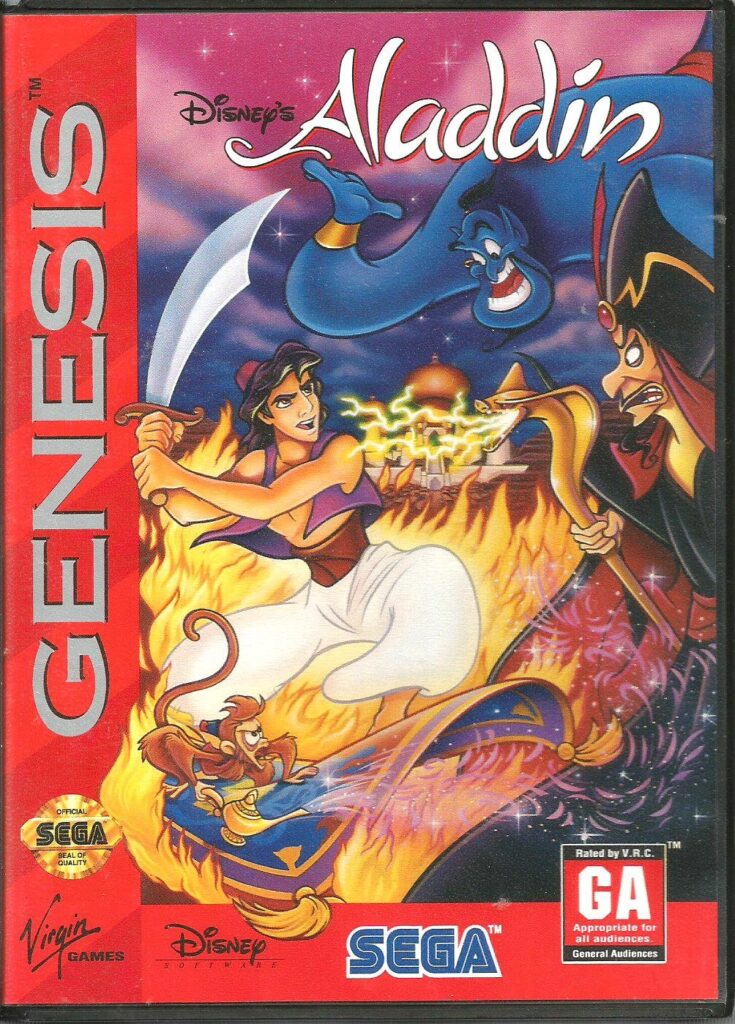
Disney’s Aladdin on Sega Genesis belongs here because it captures a very specific kind of 16-bit magic: the moment when a licensed game could look like the movie, feel fast enough for the Genesis crowd, and still be approachable for younger players who recognized the characters from the VHS shelf. It was colorful, energetic, and instantly inviting, which helped it stand out in an era crowded with platformers.
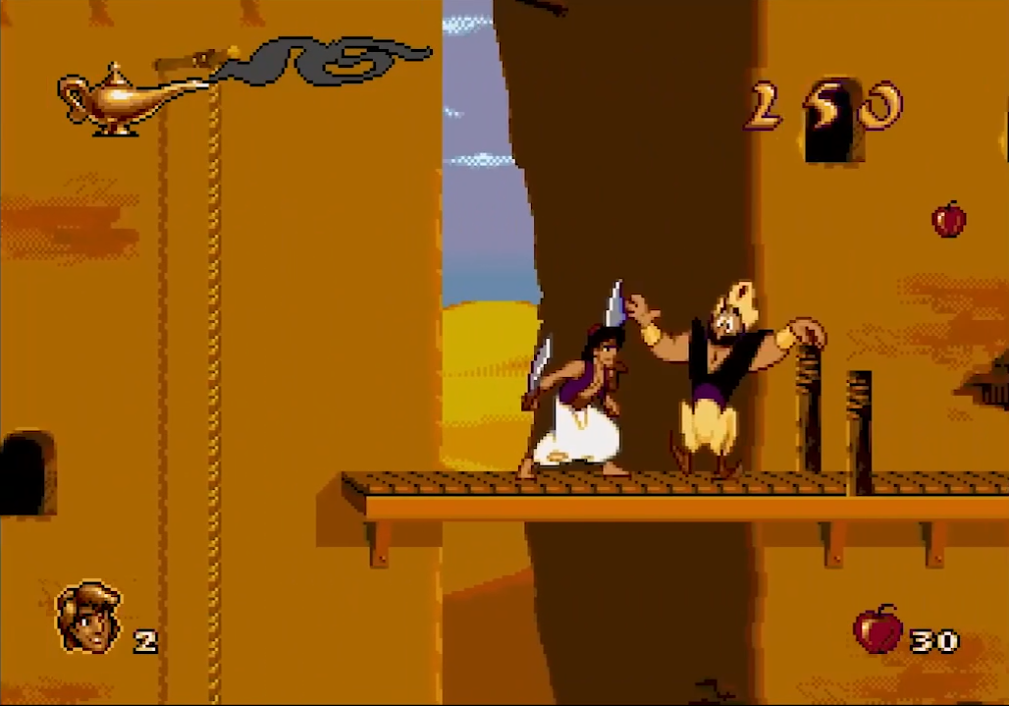
What players remember most is the animation and personality. Aladdin’s sword swings, apple throws, rooftop jumps, and expressive movement gave the game a lively cartoon quality that felt impressive at the time. Stages like Agrabah Market and the Cave of Wonders carried enough visual identity to make the game feel connected to the film without simply retelling it in a dull way.
It also represents the rental-era appeal of licensed games done right. This was the kind of cartridge that looked exciting from the box art alone, especially for kids who were already surrounded by Disney music, toys, and movie tie-ins. Unlike many licensed games from the era, it had enough polish and momentum to become part of the Genesis identity rather than just another forgotten adaptation.
It still deserves the hype because it remains a strong example of mainstream 16-bit appeal: easy to understand, fun to revisit, and historically interesting as one of the Genesis’ biggest pop-culture hits. Newer retro fans should know that while it is not the deepest platformer on this list, it shows how powerful a well-made licensed game could be when the source material, visual style, and console audience lined up.
9. GoldenEye 007
Platform: Nintendo 64
Released: 1997
Why it belongs: The N64 shooter that turned four-player split-screen into a living-room event.
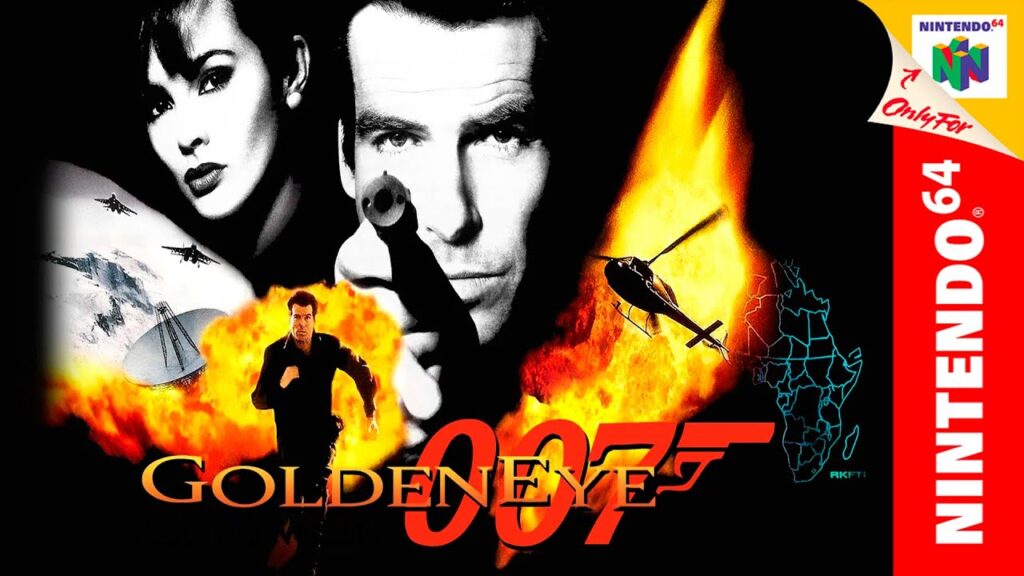
GoldenEye 007 earns its place because it did something few console shooters had done before it: it made first-person action feel natural, social, and endlessly replayable on a home console. Before online multiplayer became normal, GoldenEye gave players a reason to crowd around one television, divide the screen into four tiny windows, and spend an entire night chasing each other through blocky hallways.
The campaign had plenty of memorable moments on its own. Facility, Dam, Bunker, Archives, and Control gave the game a spy-thriller structure that made it feel more ambitious than a simple movie tie-in. Objectives changed by difficulty level, which encouraged repeat play and gave experienced players more to master beyond simply reaching the exit.
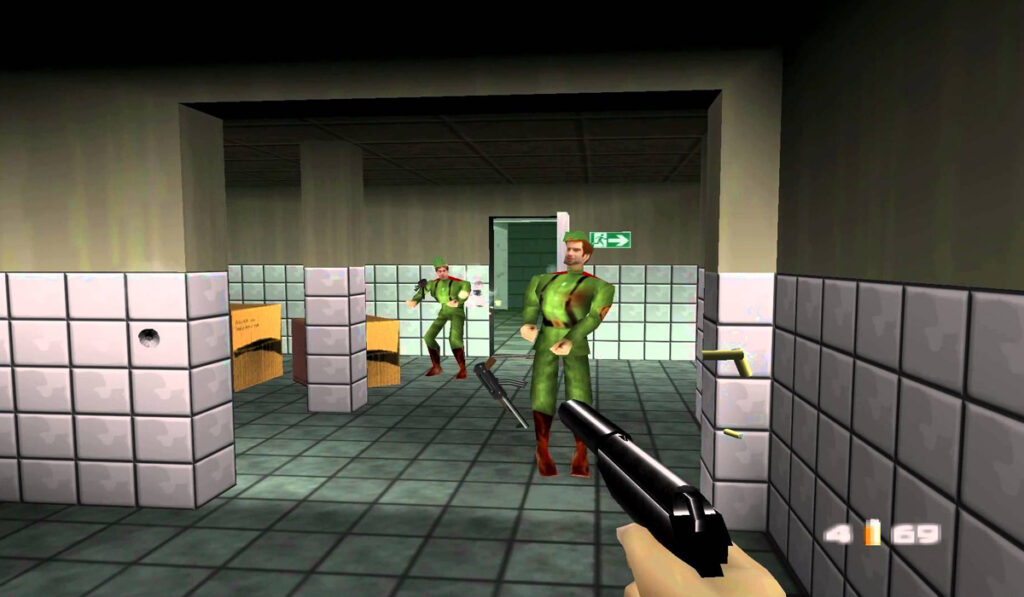
But the multiplayer is the reason GoldenEye became legend. Proximity mines, slappers-only matches, License to Kill, power weapons, character selection arguments, and the eternal Oddjob debate all became part of N64 culture. This was not polished by modern shooter standards, but that barely mattered when four friends were yelling across the room and accusing each other of screen-looking.
It still deserves the hype because it preserves one of the clearest memories of the N64 era: local multiplayer as a social ritual. Newer retro fans may need patience with the controls and frame rate, but the historical importance is obvious. GoldenEye helped prove that console shooters could be more than awkward compromises, and for many players, it was the first FPS that felt like a party game.
8. Mortal Kombat
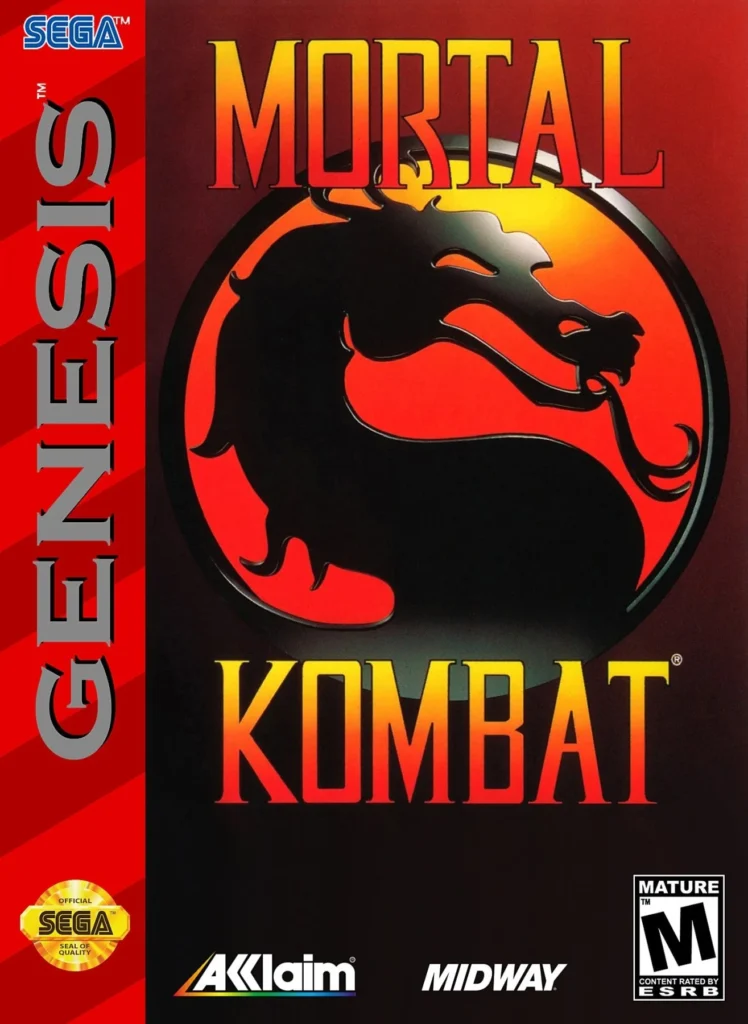
Platform: Sega Genesis
Released: 1993
Why it belongs: The arcade fighter that brought controversy, secrets, and attitude into the living room.
Mortal Kombat deserves a spot because it was not just another fighting game. It was a cultural flashpoint. Where Street Fighter II had colorful martial arts energy, Mortal Kombat brought digitized fighters, harsh sound effects, blood, fatalities, and a darker attitude that made it feel dangerous to younger players. It was the kind of game people whispered about before they even played it.
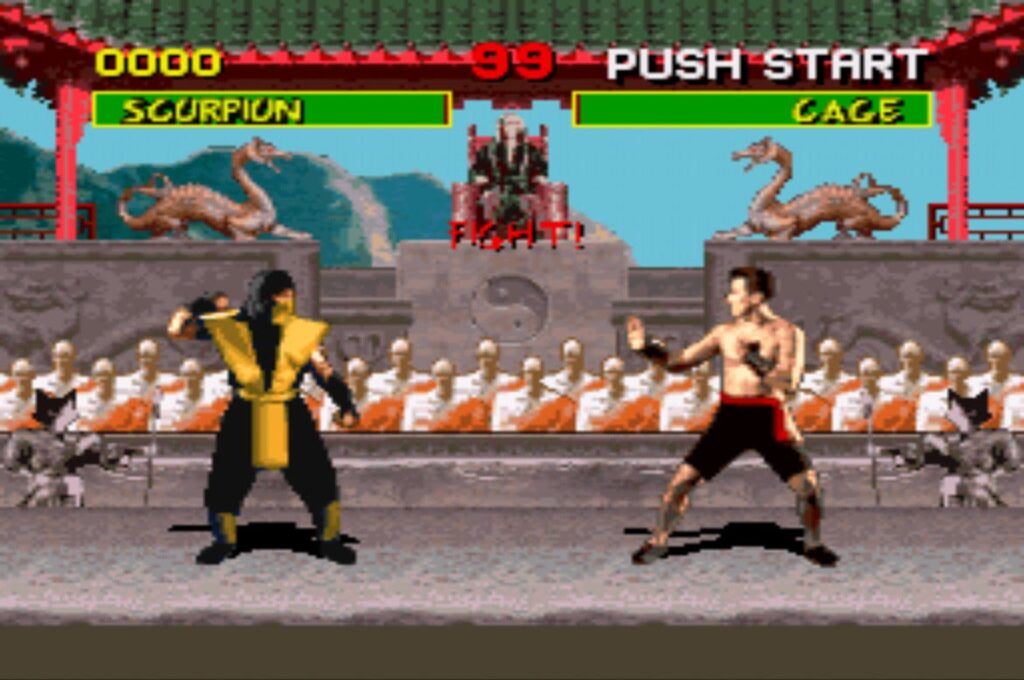
The Sega Genesis version became especially memorable because of the blood code. That detail alone helped define the console-war conversation around the game. Players argued over which home version was better, which version felt closer to the arcade, and whether the Genesis port’s edgier presentation made it the “real” one. In an era when playground debate could influence what kids asked for at Christmas, that mattered.
Its characters also had instant staying power. Scorpion’s spear, Sub-Zero’s freeze, Raiden’s lightning, Liu Kang’s flying kick, and Johnny Cage’s Hollywood arrogance gave the roster a sharp identity. The Fatalities turned matches into spectacle, while the secretive feel of finishing moves made the game perfect for magazines, rumors, and friends trying to teach each other hidden inputs.
It still deserves the hype because it represents the moment when fighting games became louder, more controversial, and more culturally visible. Newer retro fans should understand that the original Mortal Kombat is stiff compared to later entries, but its importance is bigger than mechanical smoothness. It helped push games into mainstream debate and gave the Genesis one of its most rebellious home-console memories.
7. Sonic the Hedgehog 2
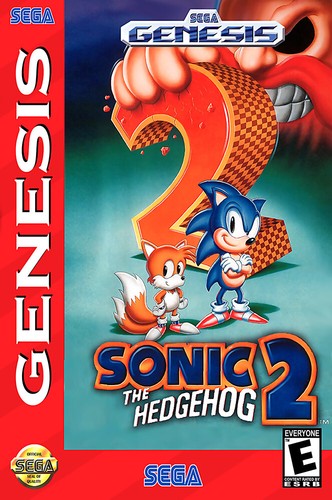
Platform: Sega Genesis
Released: 1992
Why it belongs: The Genesis sequel that turned Sega’s attitude into a complete 16-bit identity.
The original Sonic the Hedgehog introduced Sega’s blue mascot, but Sonic the Hedgehog 2 made the formula feel bigger, faster, and more confident. This was the Genesis at full swagger: bright colors, punchy music, speed-focused level design, and a character who felt built to challenge Mario from across the console aisle.
The Spin Dash was the key addition. Instead of needing a long stretch of ground to build momentum, Sonic could charge up and blast forward instantly. That one mechanic made the game feel more aggressive and responsive. Add Tails into the mix, and Sonic 2 gained a friendlier two-character identity without losing the speed and attitude that made Sega feel different.
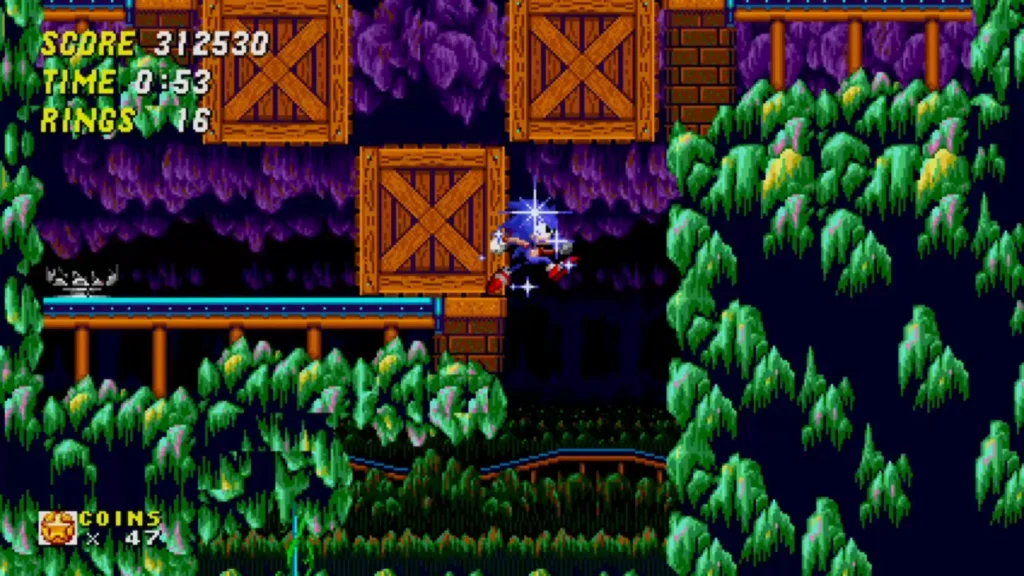
Players still remember Emerald Hill Zone as one of the great opening stages of the 16-bit era. It teaches Sonic’s rhythm through slopes, springs, loops, rings, and hidden paths without slowing the player down. Then Chemical Plant Zone raises the pressure with industrial platforms, purple water, and that unforgettable drowning countdown that could make even confident players panic.
It still deserves the hype because it captures why the Genesis mattered. Sonic 2 was stylish, loud, fast, and full of personality. It is not perfect — later stages can punish players who do not know the layout — but that memorization-heavy design is part of its old-school DNA. For newer retro fans, this is one of the clearest ways to understand Sega’s 16-bit appeal.
6. Halo: Combat Evolved
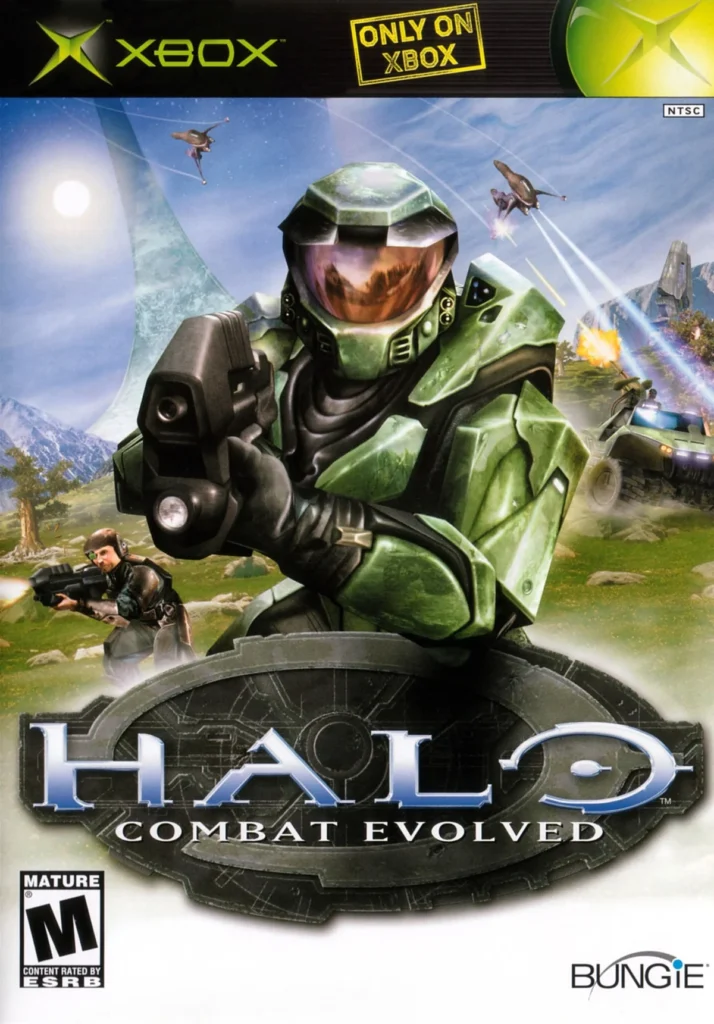
Platform: Xbox
Released: 2001
Why it belongs: The game that gave the original Xbox its identity.
Halo: Combat Evolved belongs on this list because it did not just sell well; it made the Xbox feel necessary. Microsoft entered the console space against companies with much deeper gaming history, and Halo gave the system a defining reason to exist. It was big, confident, atmospheric, and instantly recognizable in a way launch-era games rarely are.
The campaign mixed military sci-fi, alien mystery, vehicle combat, and open battlefield encounters in a way that felt fresh on consoles. The first time players stepped onto the ringworld, saw the landscape open up, and realized the game was not just corridor shooting, Halo felt different. The Warthog, the Needler, the energy sword, the Flood reveal, and the sweeping music all helped build its identity.
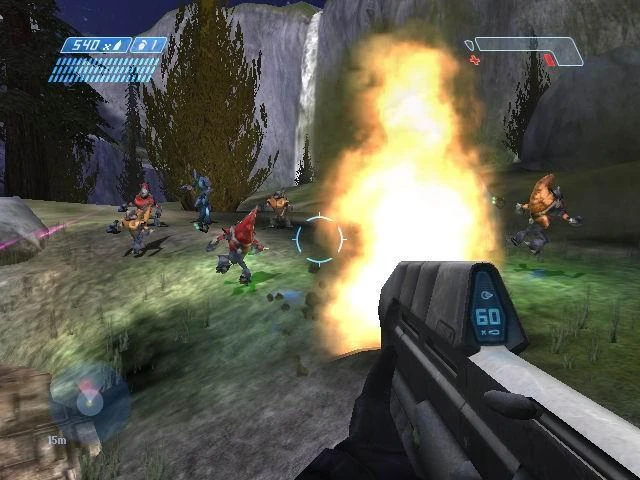
Local multiplayer made it even bigger. Blood Gulch became one of the great console multiplayer maps, especially for players who experienced it through split-screen or system link setups. Oversized Duke controllers, heavy CRT televisions, tangled cables, and late-night matches became part of the Xbox memory. Halo was not only played; it was gathered around.
It still deserves the hype because it marks a turning point for console shooters. GoldenEye helped open the door, but Halo made the modern console FPS feel fully formed. Newer retro fans may find some repetition in the campaign’s back half, especially in reused environments, but the overall impact is undeniable. Halo gave the Xbox its battle cry.
5. Gran Turismo 3: A-Spec
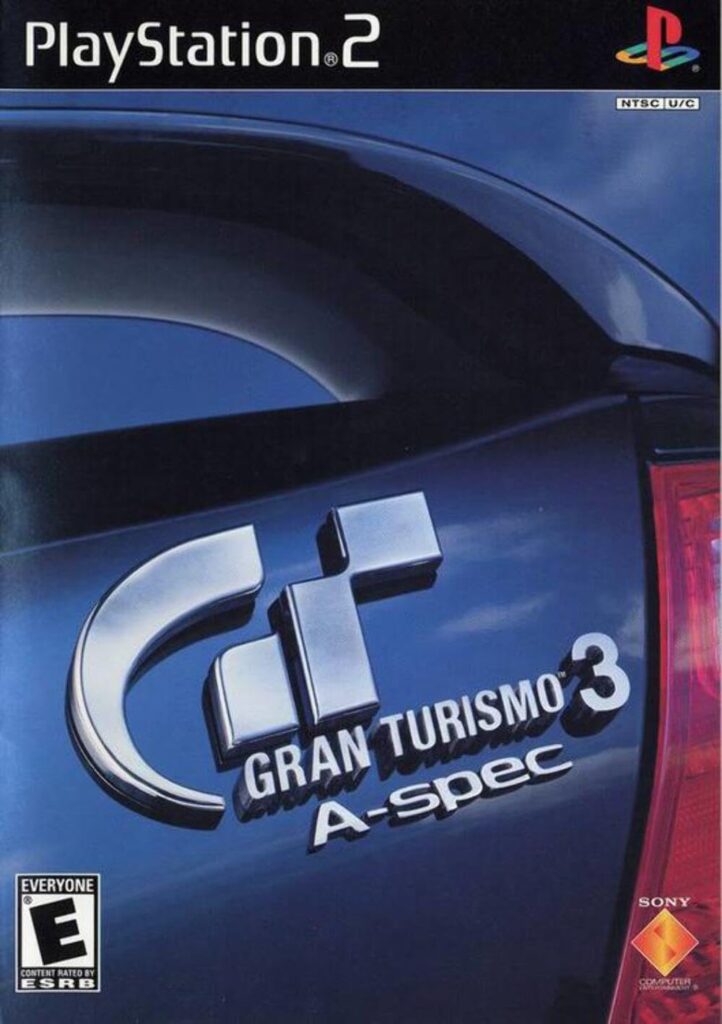
Platform: PlayStation 2
Released: 2001
Why it belongs: The PS2 racing blockbuster that made car culture feel premium.
Gran Turismo 3: A-Spec earns its place because it represents the PlayStation 2 at its most polished and aspirational. This was not a loud arcade racer built around shortcuts and crashes. It was a sleek, serious, car-obsessed game that made players feel like they were stepping into a garage, a showroom, and a driving school all at once.
At the time, the visuals were a major part of the appeal. Car models, lighting, replays, reflections, and track presentation made the game feel like a technical showcase for the PS2. Even players who were not hardcore racing fans could look at Gran Turismo 3 and understand that the new console generation had arrived with more cinematic polish.
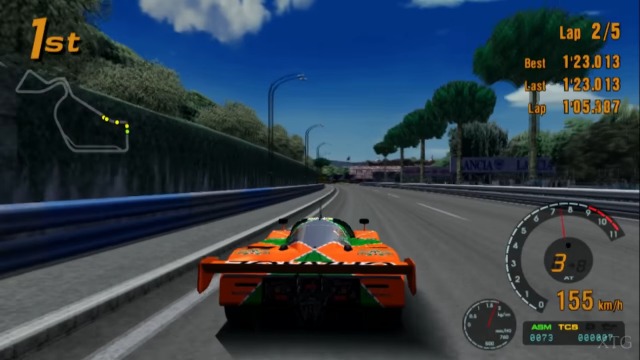
The gameplay loop also gave it staying power. License tests, gradual car upgrades, event progression, and the satisfaction of earning better vehicles created a slower, more deliberate kind of reward. It asked players to improve, not just accelerate. For some, those license tests were a badge of honor. For others, they were a source of controller-gripping frustration.
It still deserves the hype because it shows how broad the PS2 audience was. This was not just a system for action games, RPGs, and open-world chaos. It was also home to polished simulation-style experiences that made players care about handling, braking, tuning, and progression. Newer retro fans should revisit it if they want to understand why Gran Turismo was once one of PlayStation’s most powerful system-selling names.
4. Street Fighter II
Platform: Arcade, SNES, Genesis, and other platforms
Released: 1991
Why it belongs: The fighting game that turned special moves into a shared language.
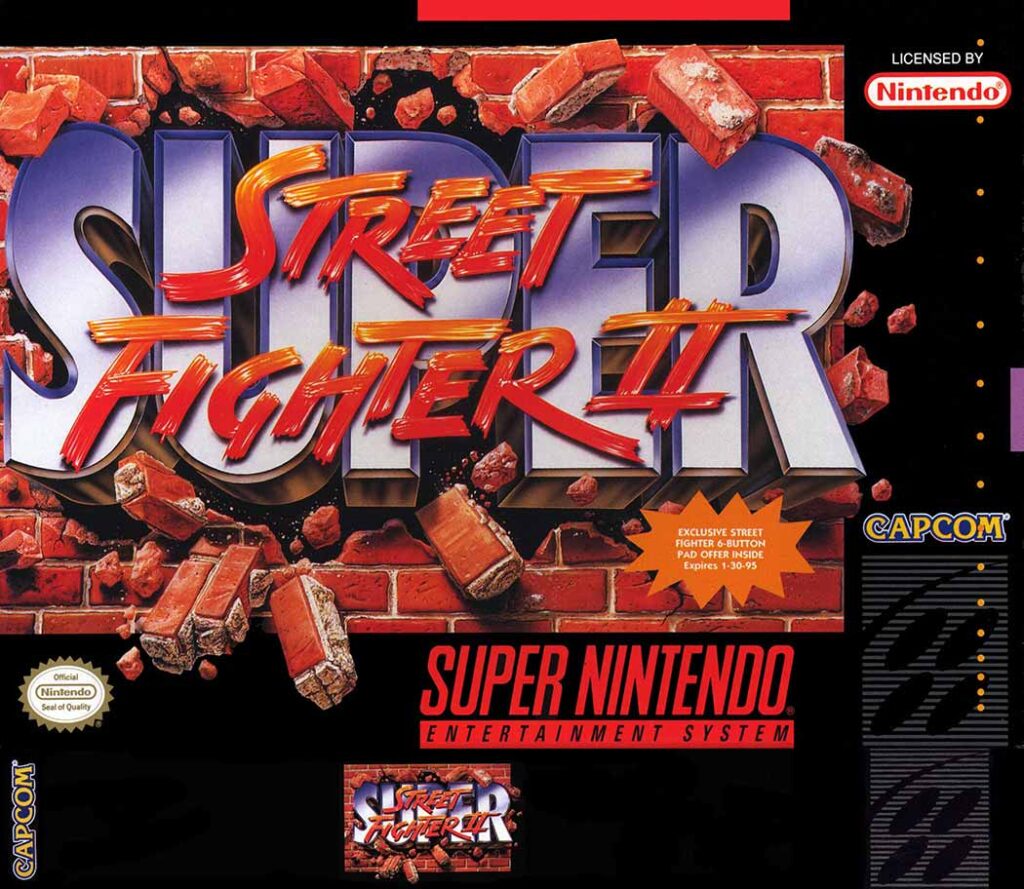
Street Fighter II stays on the list because it is bigger than any one home console. It is an arcade culture pick, a fighting game milestone, and one of the clearest examples of a game becoming a social language. Even people who did not know frame data understood fireballs, Dragon Punches, Sonic Booms, and the pressure of standing next to someone at an arcade cabinet.
The roster made the game unforgettable. Ryu, Ken, Chun-Li, Guile, Blanka, Zangief, Dhalsim, E. Honda, and the bosses each had distinct looks, fighting styles, and national backdrops. That variety mattered. Players did not just pick a character for moves; they picked an identity. Everyone had a main, or at least someone they claimed they were better with than they really were.
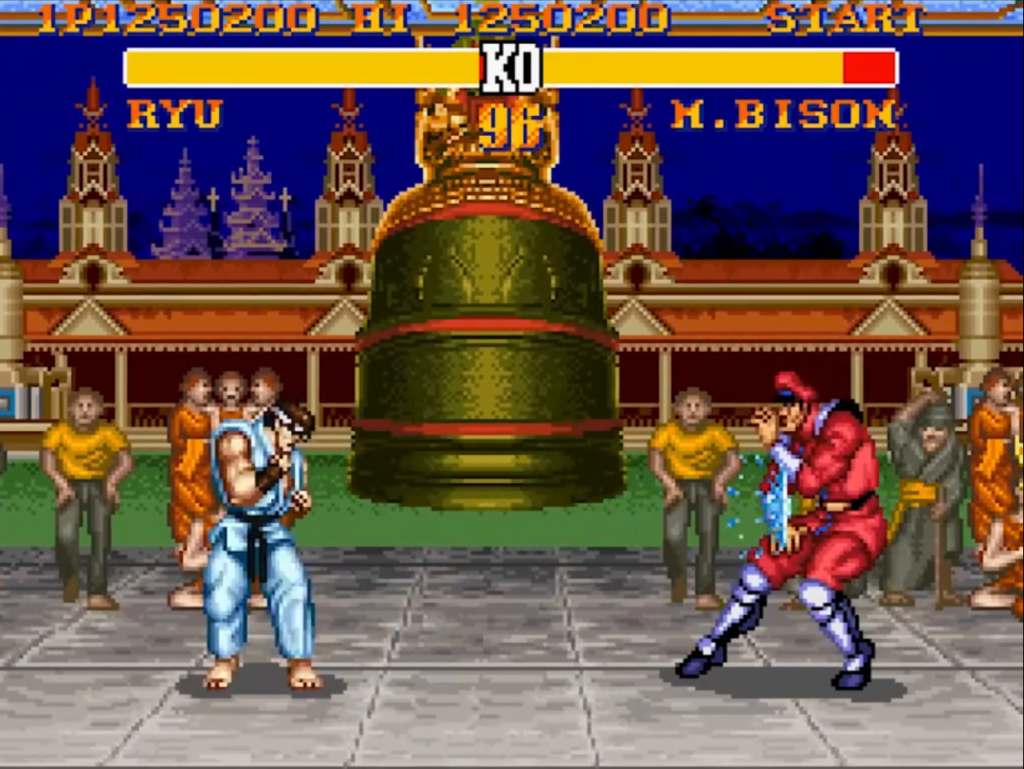
Home versions turned the arcade rivalry into living-room competition. The SNES and Genesis ports each had their own audience, but the core memory was the same: two players, one screen, and endless rematches. Throws felt cheap, fireball spam caused arguments, and landing a clean special move could make a player feel like they had unlocked forbidden knowledge.
It still deserves the hype because modern fighting games are still living in the world Street Fighter II helped build. It is not as fast, complex, or feature-rich as later entries, but its clarity is part of the appeal. Newer retro fans should revisit it to understand the foundation: spacing, timing, matchup habits, and the thrill of beating the person sitting right next to you.
3. Super Mario World
Platform: Super NES
Released: 1990 in Japan, 1991 in North America
Why it belongs: The 16-bit platformer that made secrets feel like part of the adventure.
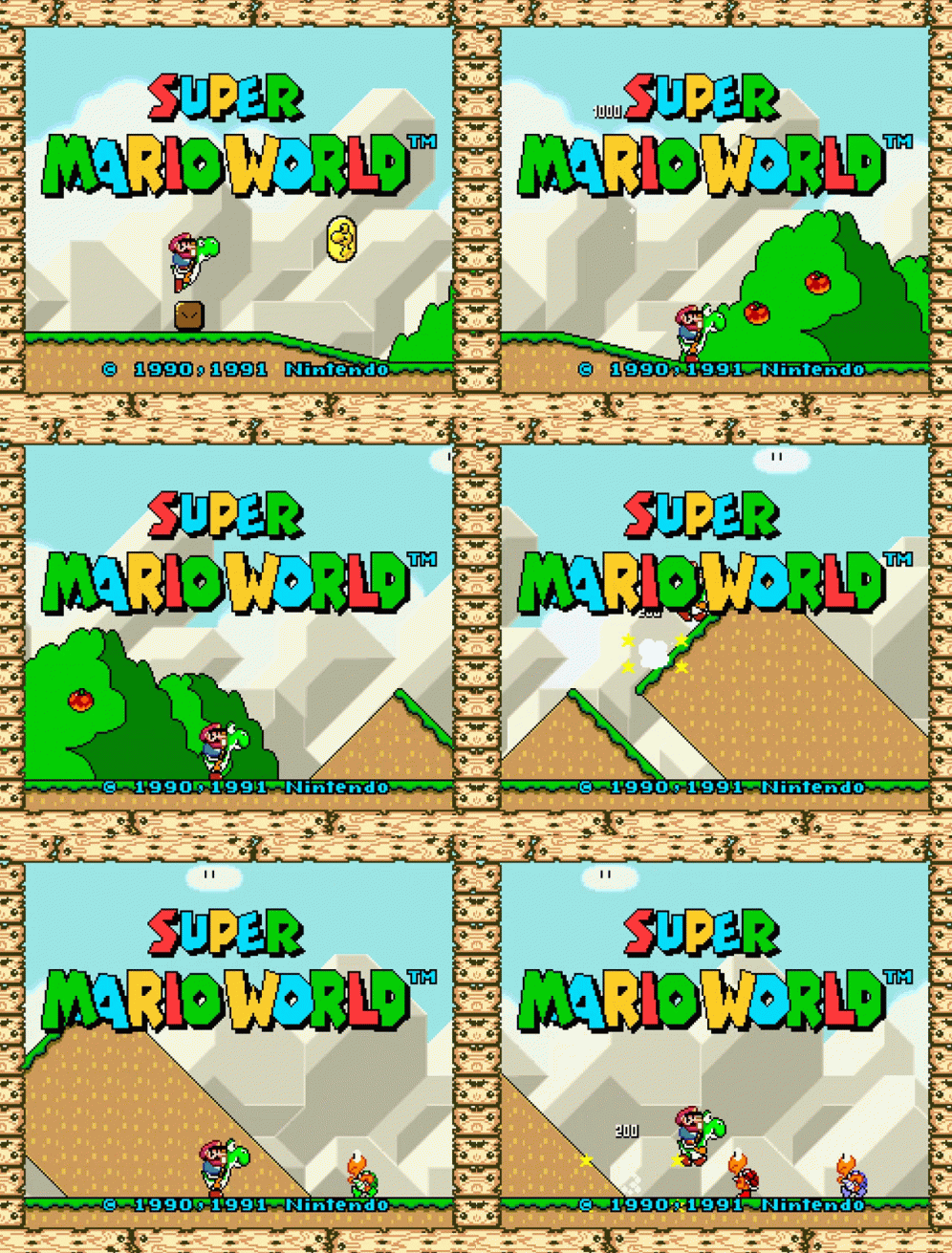
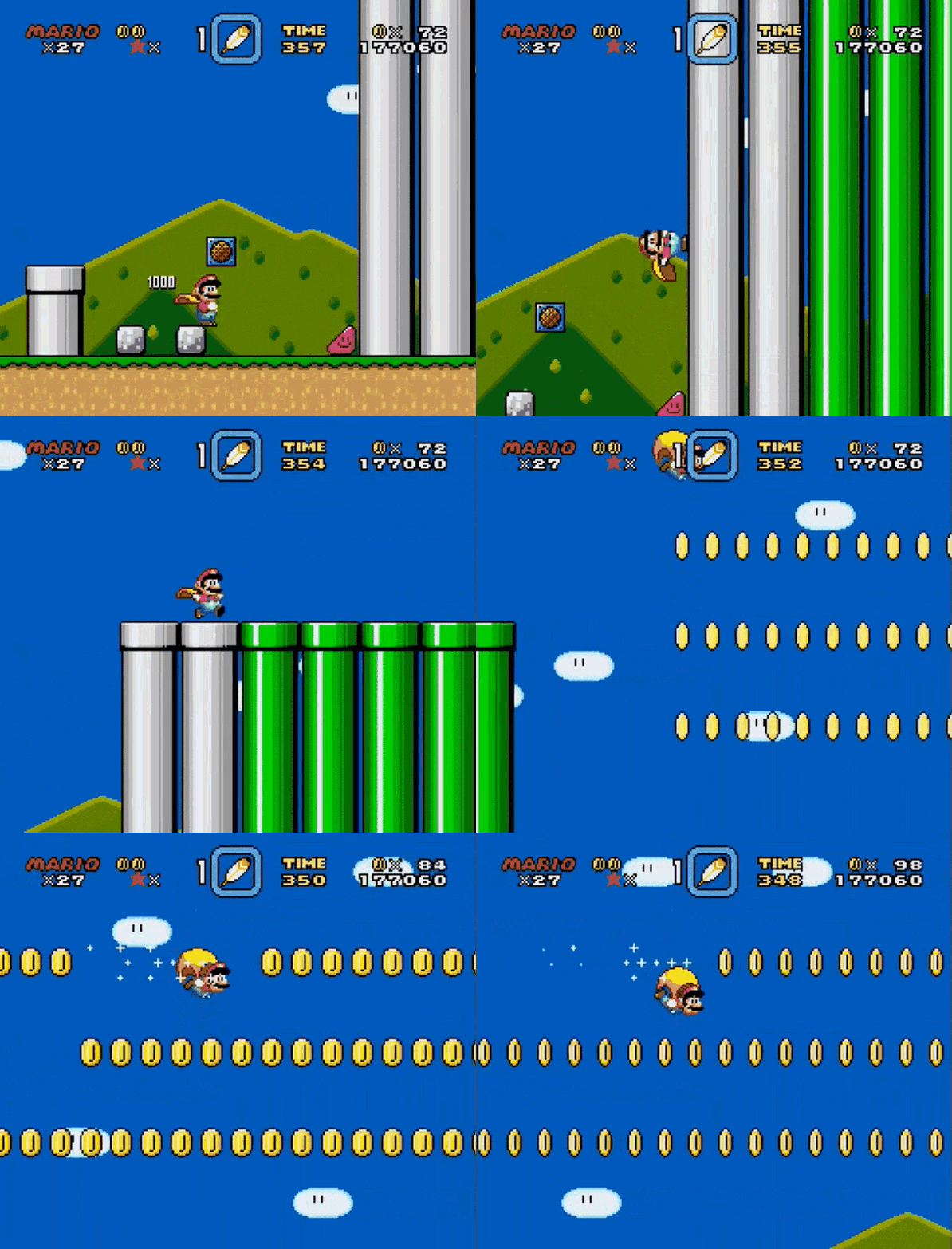
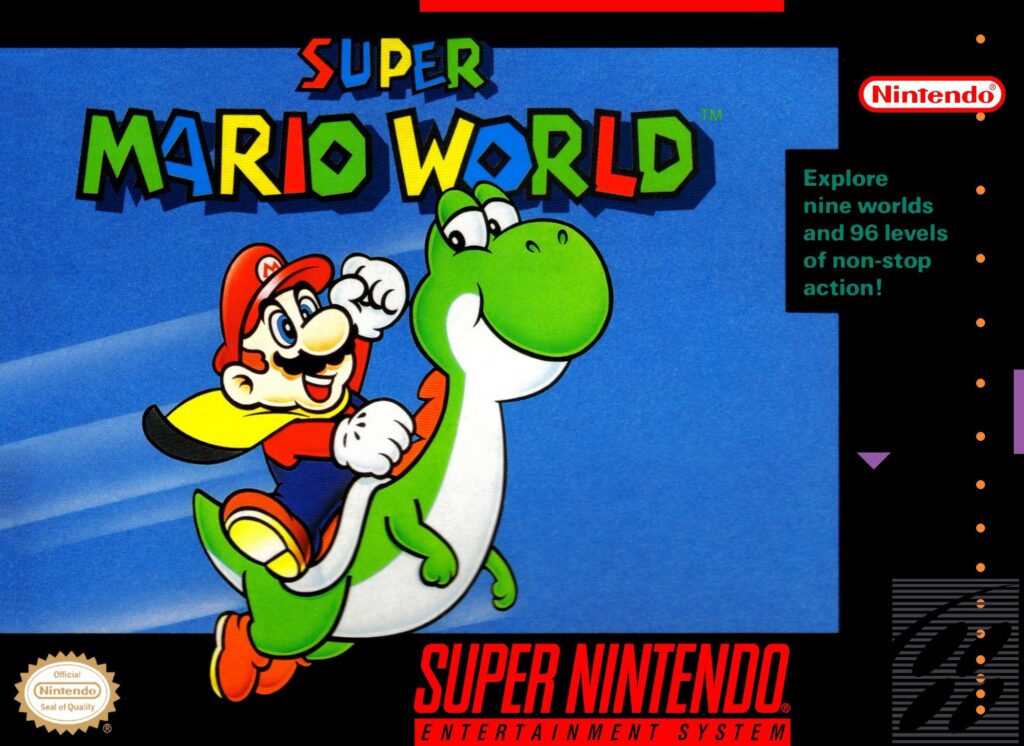
If Super Mario Bros. helped define the language of console platforming, Super Mario World showed how much personality, mystery, and replay value could live inside one 16-bit cartridge. Dinosaur Land was not just a set of stages. It felt like a bright, playful map full of locked doors, suspicious ghost houses, secret exits, and paths that made players wonder what they had missed.
Yoshi was the defining addition. He changed the feel of the adventure immediately, giving Mario a companion who could eat enemies, flutter across gaps, and interact with colored shells in different ways. For many players, the first time Yoshi popped out of that egg is one of those small retro moments that still feels instantly familiar.
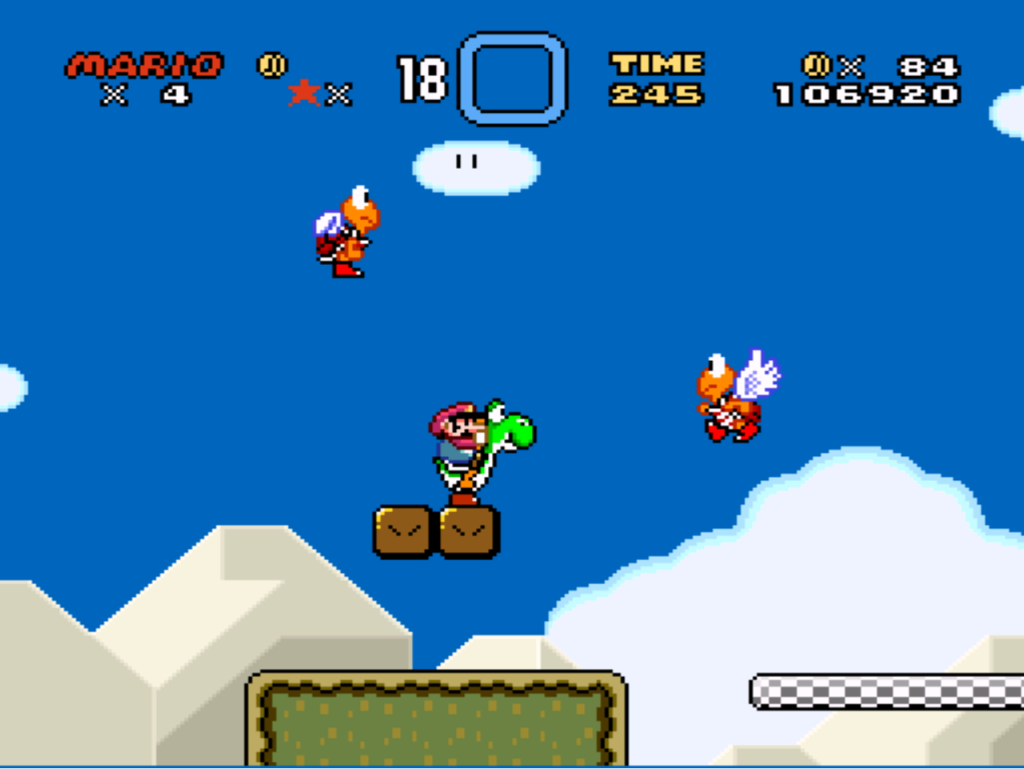
What makes Super Mario World so memorable is its layered design. Beginners can finish the main route and have a great time. Curious players can hunt alternate exits. Completionists can chase Star Road, Special World, and every hidden path. That sense of “wait, there’s more?” gave the cartridge a lasting feeling of discovery.
It still deserves the hype because it is generous without being bloated. It is not the edgiest game on this list, and it does not have the rebellious energy of Sega or the cinematic scale of the PS2 era. But it remains one of the cleanest examples of 16-bit craft: readable, colorful, clever, and rewarding for players who like secrets that feel earned.
2. Grand Theft Auto: San Andreas
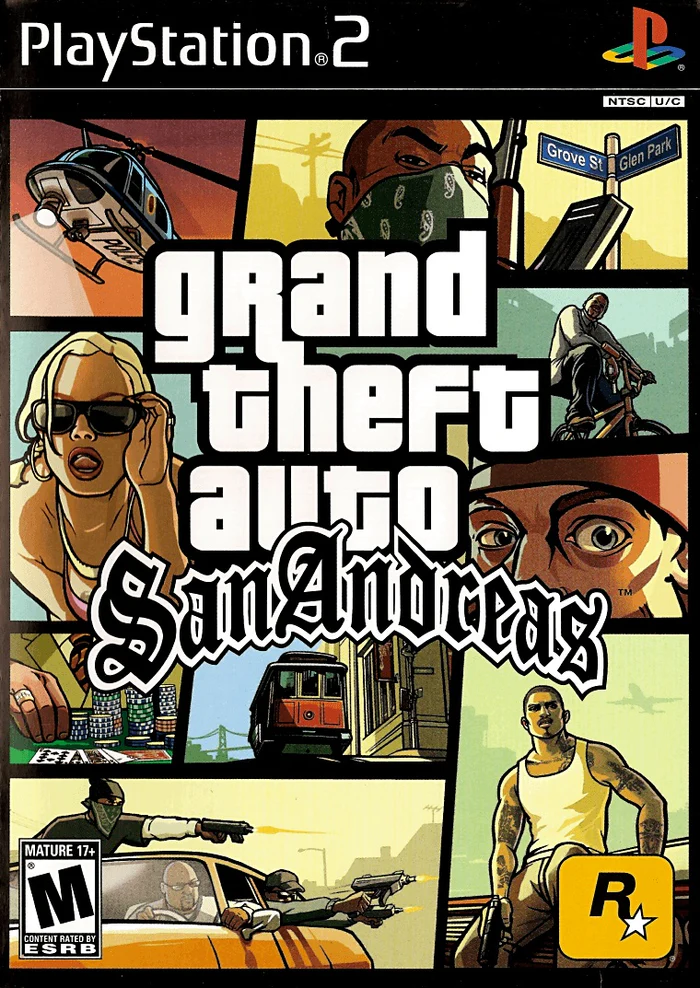
Platform: PlayStation 2
Released: 2004
Why it belongs: The PS2 open-world giant that felt impossibly huge.
Grand Theft Auto: San Andreas belongs near the top because it represents the PS2 blockbuster era at full scale. This was the kind of game that made players feel like the disc contained more than it reasonably should. Los Santos, San Fierro, Las Venturas, countryside roads, deserts, gyms, lowriders, casinos, bikes, planes, and radio stations all contributed to a world that felt enormous for its time.
What players remember most is not only the story, but the freedom around it. CJ’s return to Grove Street gave the game a strong emotional center, but many memories came from everything players did between missions. Cheat codes, police chases, custom cars, fast food stops, territory battles, and long drives through the desert made San Andreas feel like a messy, living playground.
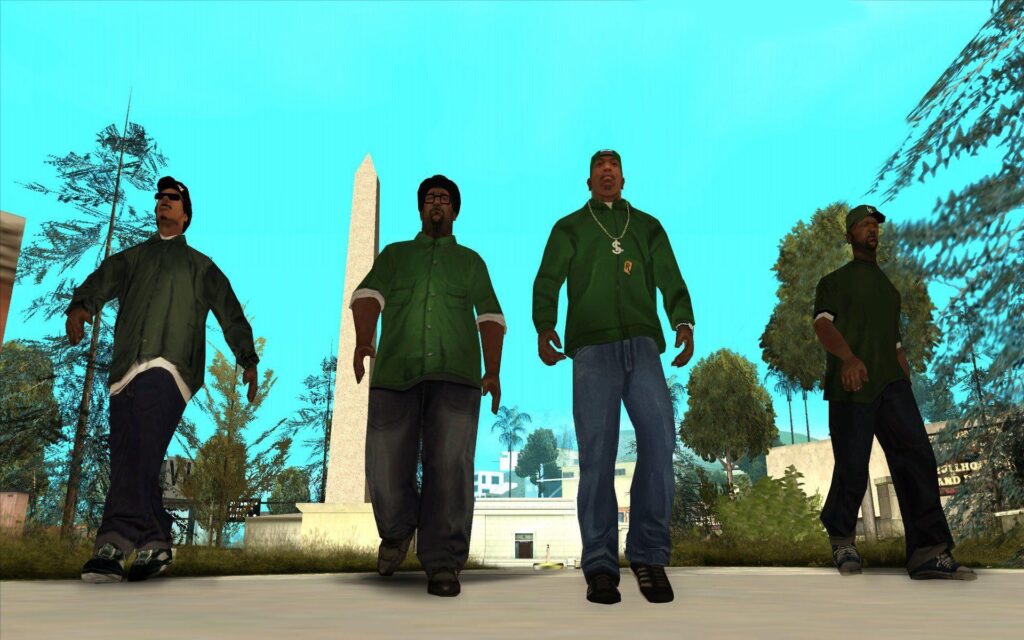
It also became a rumor machine. Bigfoot stories, hidden locations, strange sightings, and schoolyard theories gave the game a mythic quality. Whether those rumors were true almost did not matter. The world felt large and strange enough that players wanted to believe anything could be hiding out there beyond the next hill or under the next bridge.
It still deserves the hype because it captured a very specific PS2 feeling: ambition without restraint. Some mechanics are clunky now, and certain missions still test patience, but the scope, personality, soundtrack energy, and cultural memory remain powerful. For newer retro fans, San Andreas explains why the PS2 era felt so big, weird, and impossible to exhaust.
1. Super Mario Bros.
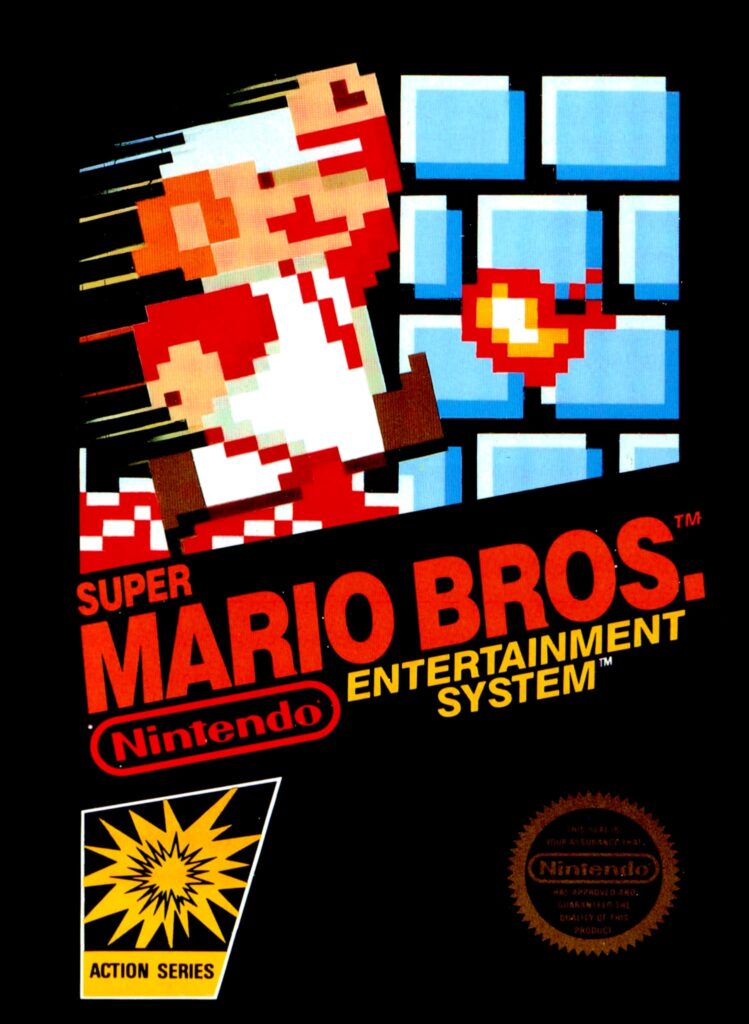
Platform: NES
Released: 1985
Why it belongs: The foundational NES platformer that helped define home console gaming.
Super Mario Bros. keeps the number-one spot because its importance goes beyond sales. It helped teach millions of players how console platforming worked. It gave the NES a defining identity and showed that home gaming could feel precise, colorful, challenging, and endlessly replayable after the industry had gone through a rough period.
World 1-1 is still one of the best examples of teaching through design. The first Goomba, the question block, the mushroom, the pipe, the coins, the platform gaps, and the flagpole all communicate ideas without stopping the player for a lecture. You learn by moving, jumping, failing, and trying again. That simplicity is why the game still feels readable decades later.
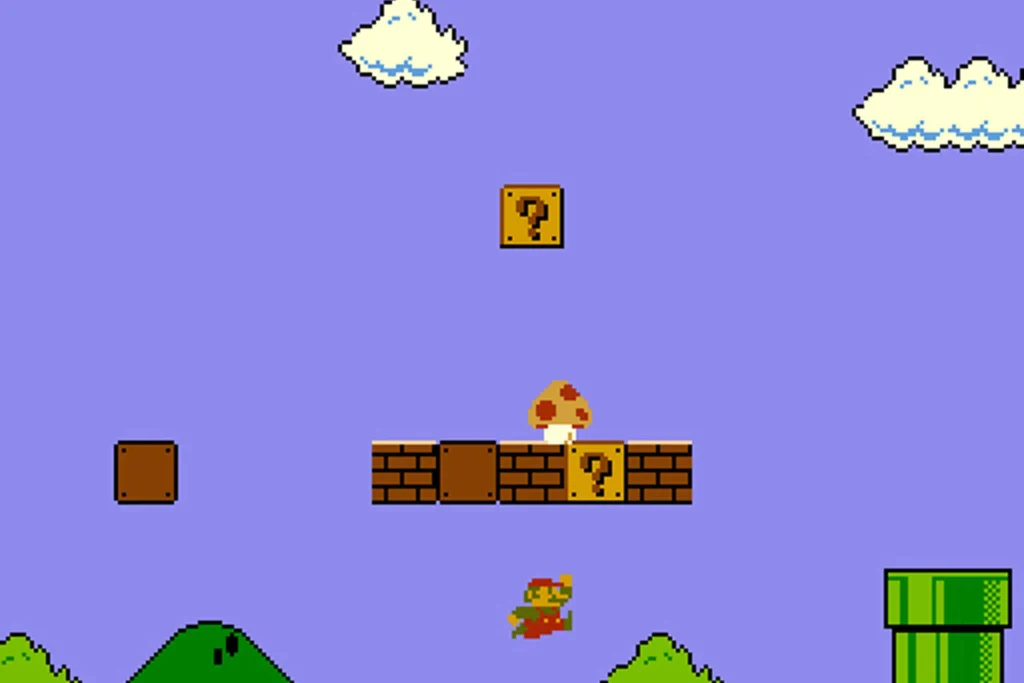
The memories around it are just as important. Super Mario Bros. was tied to department-store kiosks, living-room NES setups, instruction manuals, Saturday mornings, and players discovering warp zones through friends or magazines. The phrase “our princess is in another castle” became part of gaming culture because so many players experienced that same small joke and frustration.
It still deserves the hype because it remains historically essential and surprisingly playable. It is not as layered as Super Mario World or as flashy as later platformers, but its design is clean, direct, and iconic. Newer retro fans should revisit it not just as a museum piece, but as the blueprint for so much of what console gaming became.
Best Way to Revisit These Games Today
The best way to revisit these games depends on what kind of retro experience you want.
For pure nostalgia, original hardware still hits differently. A Genesis cartridge, a Super NES controller, a Nintendo 64 with four controller ports filled, a PS2 memory card, or an original Xbox hooked up for local multiplayer carries a feeling that modern convenience cannot fully recreate. There is something special about the physical ritual: blowing dust off a shelf, untangling controller cords, hearing the disc drive spin, or seeing the game appear through the soft glow of a CRT.
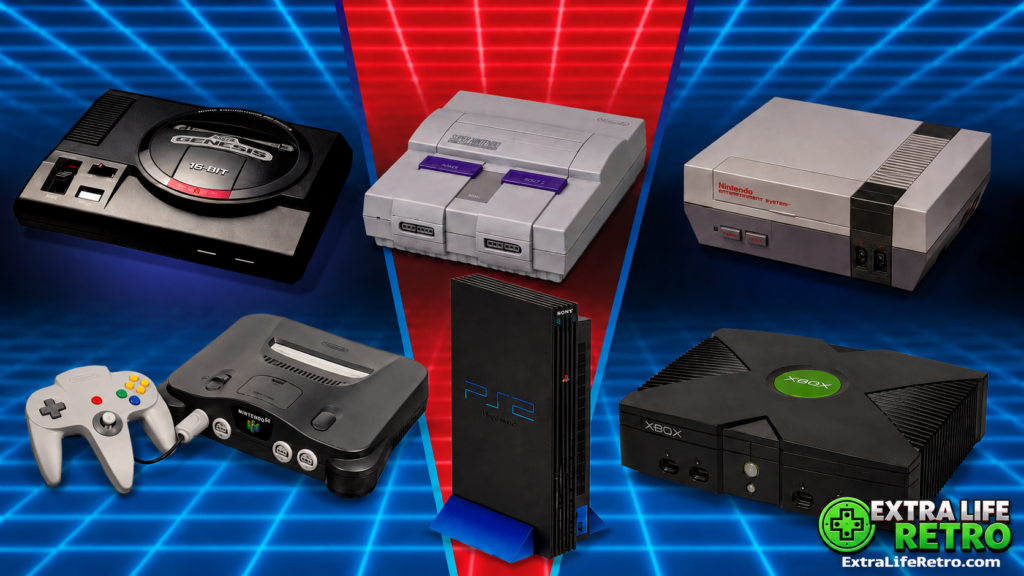
That said, original hardware is not always the easiest or cheapest path. Some cartridges and discs have climbed in price, older controllers wear down, save batteries can fail, and modern TVs do not always treat classic consoles kindly. If you are just trying to replay the games without turning it into a collecting project, modern collections, official re-releases, digital storefronts, and carefully chosen hardware adapters can make the experience much smoother.
For Nintendo classics like Super Mario Bros. and Super Mario World, official retro libraries are often the easiest starting point. For arcade and fighting game history, modern Capcom collections can make Street Fighter II far more accessible than chasing multiple old ports. For Genesis picks like Sonic the Hedgehog 2, Mortal Kombat, and Disney’s Aladdin, availability can vary by collection and licensing, so it is worth checking current official options before buying.
The PS2 and original Xbox entries are a little different. Grand Theft Auto: San Andreas, Gran Turismo 3: A-Spec, and Halo-era Xbox games are tied closely to their original controllers, memory cards, and couch setup. You can revisit some of them through newer versions, but if you want the full nostalgia hit, a working PS2 or original Xbox setup still has a lot of charm.
For collectors, the smart move is to buy with purpose. Do not overpay just because a game is famous. Check disc condition, cartridge labels, manuals, cases, controller quality, and whether you actually plan to play the game. A clean copy, a reliable controller, a memory card, a protective case, or a good HDMI solution may bring more long-term joy than chasing the most expensive version.
For newer retro fans, start with access and enjoyment first. Play the convenient version. See what clicks. If a game truly grabs you, then consider original hardware later.
Final Thoughts
The best-selling retro games earned their place in gaming history for different reasons.
Some were design landmarks. Some were technical showpieces. Some were social explosions. Some were tied to a console’s identity so tightly that it is hard to imagine the system without them. Super Mario Bros. helped teach a generation how console platformers worked. Sonic the Hedgehog 2 gave Sega its swagger. Street Fighter II turned fighting games into a shared competitive language. GoldenEye 007 made four-player split-screen feel like an event. Halo gave the original Xbox its battle cry. San Andreas showed how massive and strange a PS2 world could feel.
That range is what makes retro gaming so rich.
The real story is not just that these games sold millions. The real story is that people remembered them. They remembered the levels, the music, the rivalries, the secrets, the cheat codes, the late nights, the arcade cabinets, the rental cases, the controller arguments, and the feeling that a game could take over a weekend.
Not every best-seller remains worth revisiting. Some were products of timing. Some were carried by hype. Some are more historically interesting than genuinely fun today. But the games on this list still have something to say. They still show us why their eras mattered, why their systems had distinct personalities, and why retro gaming continues to pull people back in.
Sales made them visible.
Memory made them last.