Posted on April 23, 2026
10 Retro Games That Still Feel ‘Modern’ in 2026
Some retro games hold up incredibly well. Not in terms of their graphics but in terms of the ideas they represent. They still feel weirdly fresh, like they were quietly designing the future while the rest of us were still blowing dust out of cartridges.
There is a particular kind of shock that only retro games can give you.
It usually starts with a familiar title screen. Maybe it is a game you rented three times and never finished. Maybe it is one you used to hear older kids talk about like it was some secret treasure you were not cool enough to fully appreciate yet. You boot it up in 2026 expecting a pleasant little nostalgia hit, maybe a few warm memories, maybe a smile at the music.
And then something stranger happens.
The game does not just feel “good for its time.” It feels current. Sharp. Intentional. Alive. You start noticing ideas that still show up in modern games. You remember exactly why people got obsessed with it. And if you grew up with this stuff, there is also a satisfying little feeling of vindication: no, you were not imagining it back then. Some of these games really were that brilliant.
That is what this list is about. Not retro games that are merely important. Not games we respect from a distance like museum pieces. These are the ones that still feel startlingly modern in 2026, the ones that make you sit back and think, Man… they really nailed this long before everybody else caught on.
1. Super Metroid (SNES, 1994)
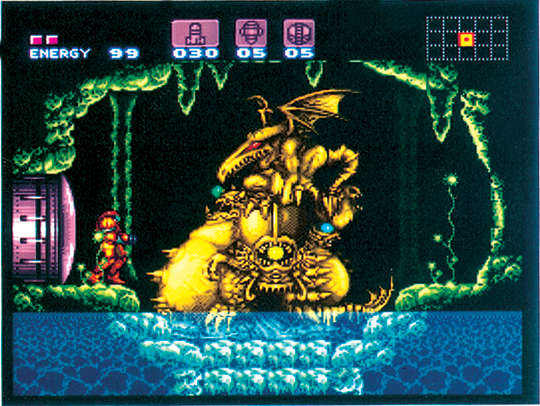
This one almost feels unfair to include because Super Metroid has become the gold standard for so many conversations about design, mood, and exploration. But every time you come back to it, the same thing happens: it still feels elegant in a way that a lot of newer games never quite manage.
Back then, it felt mysterious in the best possible way. No giant tutorial dumps. No constant chatter in your ear. Just that lonely opening, the eerie quiet of Zebes, and the sense that the game trusted you to pay attention. If you grew up in the era of paper maps, gaming magazines, and playground rumors, that kind of discovery hit different. You probably remember getting stuck somewhere, then hearing from a friend at school that there was a hidden path behind a suspicious wall, and suddenly your whole afternoon had purpose again.
What feels modern about Super Metroid now is how cleanly it teaches through space, atmosphere, and repetition. It respects the player. It trusts curiosity. It makes backtracking feel meaningful instead of padded. In 2026, that still feels fresh.
And then there is the mood. The music, the colors, the emptiness, the way each room feels like it has a history older than you. A lot of modern games chase immersion. Super Metroid just quietly had it.
2. The Legend of Zelda: A Link to the Past (SNES, 1991)
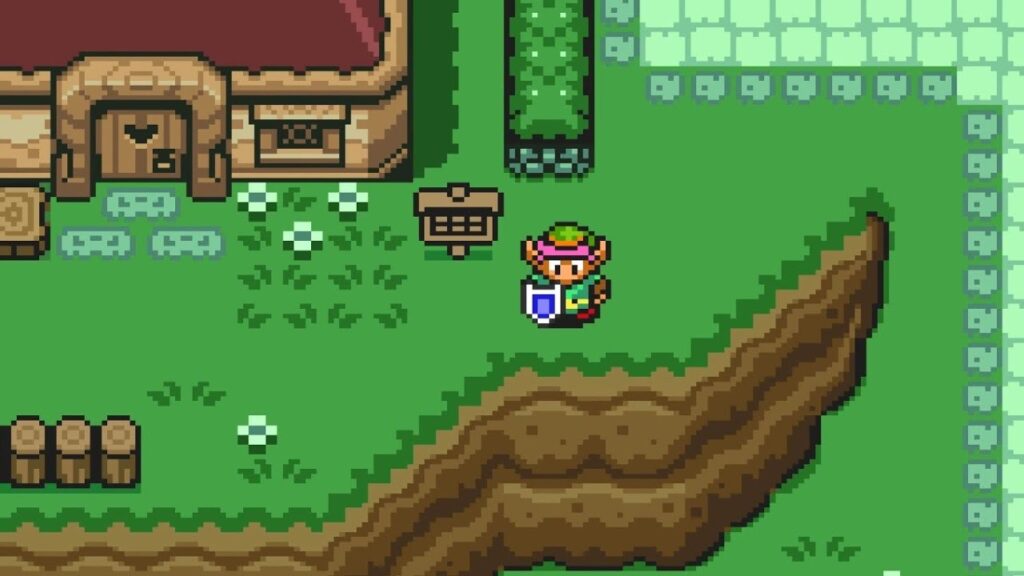
Some games feel modern because they were mechanically ahead of the curve. Others feel modern because they understood pacing and player delight at a level that is still hard to top. A Link to the Past is one of those.
If you played this as a kid, you probably remember the feeling of your world getting bigger in real time. First the map itself felt huge. Then the Dark World appeared and your brain basically melted. Suddenly the game was not just an adventure. It was a layered place with secrets folded into secrets.
That feeling still lands.
There is something so confident about the way this game moves. It gives you freedom without chaos. It gives you direction without smothering you. Every item feels exciting. Every new area feels like a reward. Even now, it has that “one more dungeon, one more secret, one more thing to check” energy that keeps modern players glued to sprawling action-adventure games.
And emotionally, it taps into a very specific kind of old-school magic. This was the era of drawing your own maps, talking to siblings about where to go next, and staring at the box art like it contained hidden wisdom. A Link to the Past still feels like an invitation to adventure in the purest form.
3. Chrono Trigger (SNES, 1995)
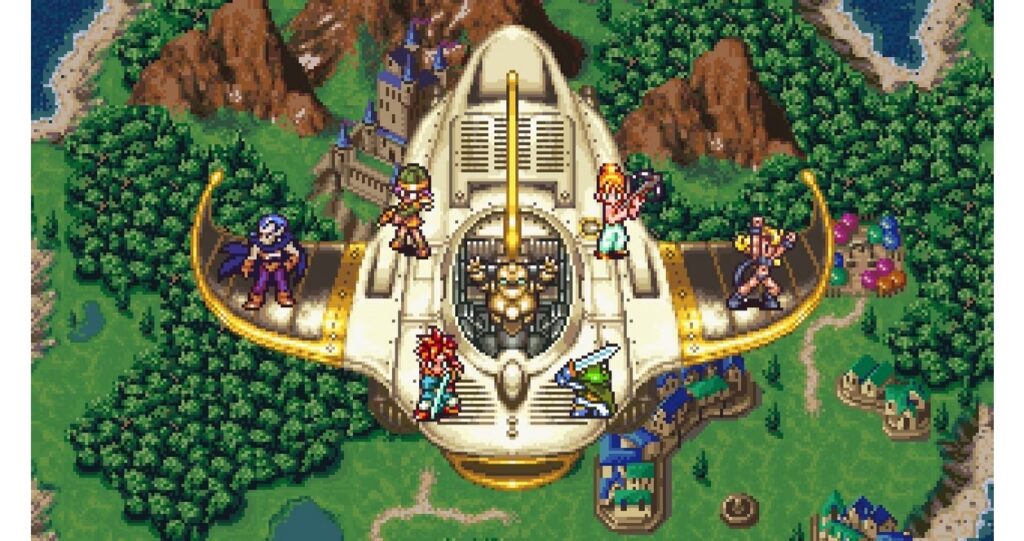
There are old RPGs you revisit out of duty, because they are historically important. Then there is Chrono Trigger, which you revisit because it still feels joyful.
Even now, it moves with an ease that surprises you. Battles are fast. The story wastes very little time. The characters are iconic without needing endless exposition. The multiple endings still feel exciting. The world feels big without being exhausting. In an age where plenty of RPGs seem determined to bury you under lore and systems, Chrono Trigger feels refreshingly alive.
A lot of us first encountered it through borrowed cartridges, used copies behind glass cases, or breathless magazine write-ups that made it sound legendary. And somehow, when you finally got your hands on it, it actually lived up to the hype. That was rare.
What makes it feel modern in 2026 is not just its time-travel structure or clean presentation. It is the way it values momentum. Every town, every era, every twist feels like it belongs. It does not drag. It does not show off for too long. It gives you wonder and keeps moving.
That is still a lesson a lot of newer games could stand to relearn.
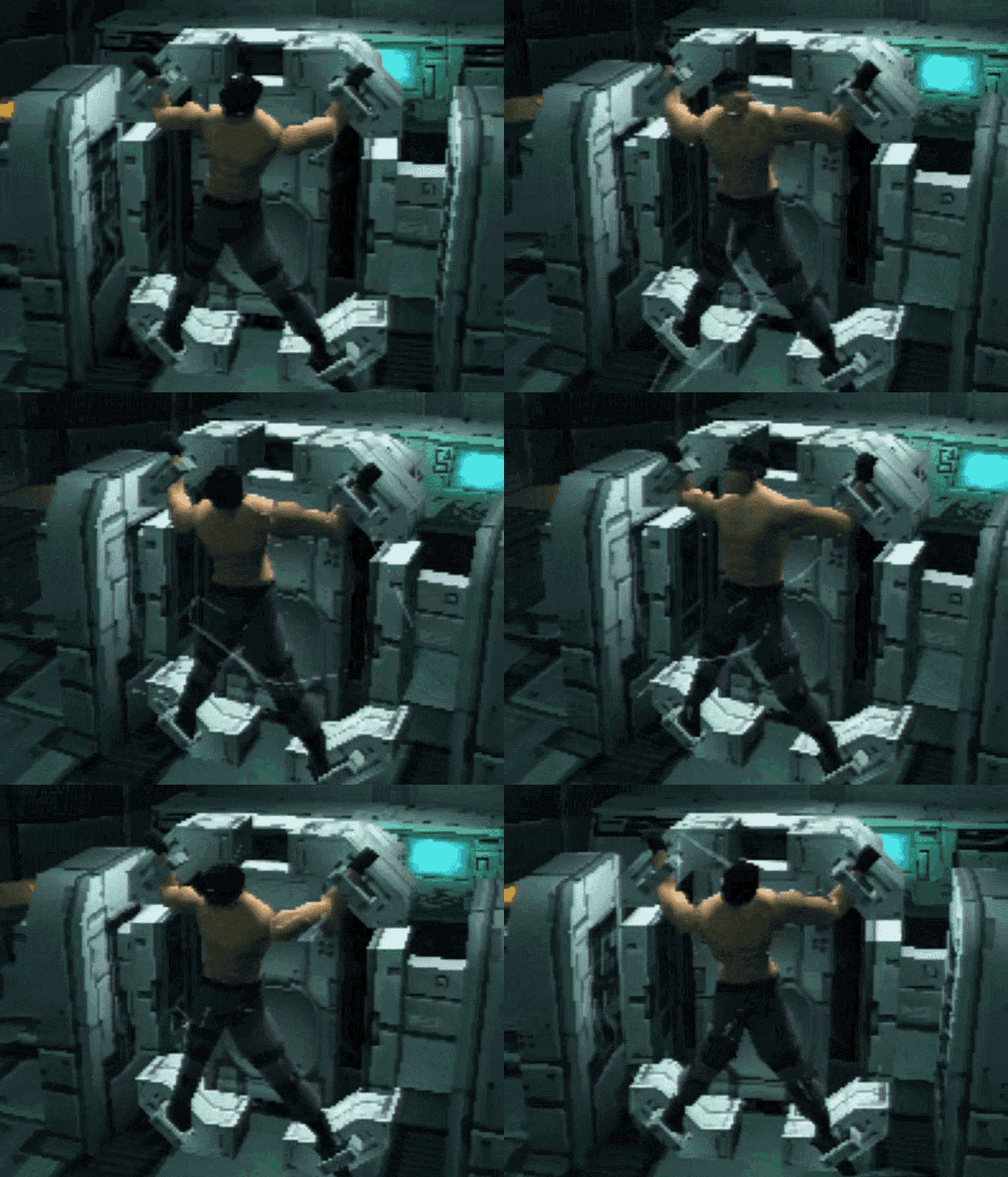
4. Metal Gear Solid (PlayStation, 1998)
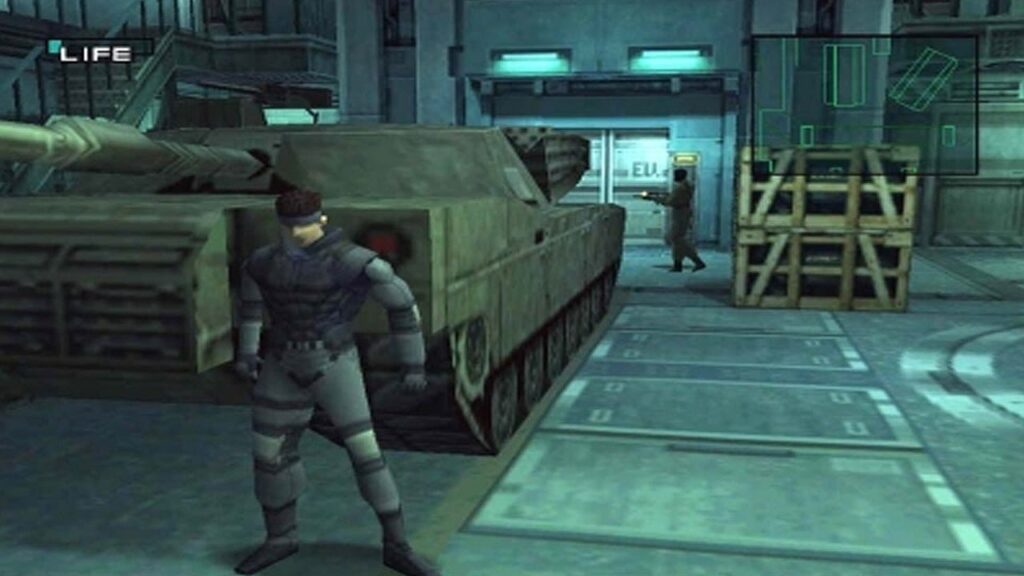
The first time you played Metal Gear Solid, it felt like games were suddenly growing up right in front of you.
Not in the grim, joyless sense people sometimes mean when they say that. More in the sense that games could now be cinematic, weird, self-aware, emotionally invested, and wildly inventive all at once. The voice acting. The codec calls. The stealth tension. The boss fights that felt like stories in themselves. It was the kind of game that made you want to call a friend immediately and say, “You are not going to believe this part.”
What still feels modern about it is its sense of presentation and personality. It understood framing, pacing, player psychology, and spectacle in a way that still feels influential. It did not just want to entertain you. It wanted to mess with you a little. It wanted you to feel watched, clever, tense, and surprised.
And if you were there for the original PlayStation era, you remember how huge that was. Demo discs. Magazine screenshots. The buzz around “this is like a movie.” Sneaking past guards in the glow of a CRT late at night felt different then. It still kind of does now.
5. Burnout 3: Takedown (PS2/Xbox, 2004)
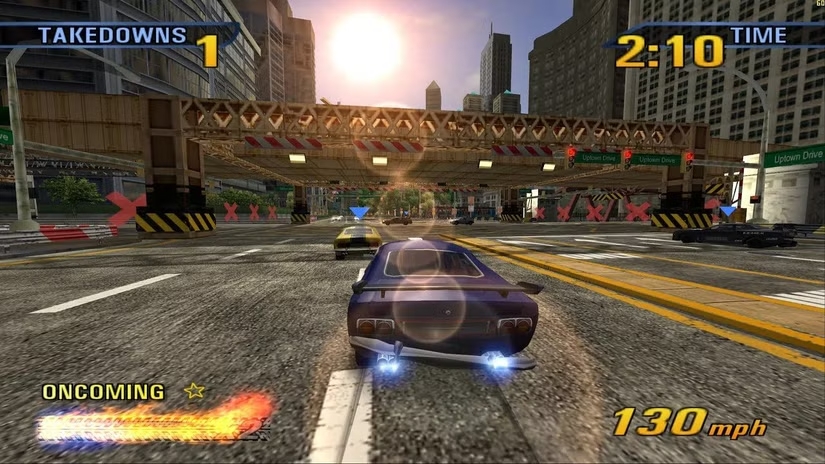
Some games feel modern because of their systems. Burnout 3 feels modern because of its sheer energy.
It still feels like it understands exactly why action games are fun. It is immediate. Aggressive. Spectacular. It rewards confidence and recklessness in a way that still feels intoxicating. You are not just trying to win a race. You are trying to dominate the road, slam rivals into traffic, and turn speed into mayhem.
Back in the 2000s, this was the kind of game that owned living rooms. Sleepovers. Split-screen taunting. Taking turns in Crash mode and trying to top each other’s destruction totals. That perfect mix of arcade absurdity and pure competitive swagger. It was impossible not to get loud while playing it.
In 2026, what feels so modern is its understanding of flow. Every event feels designed to keep your adrenaline high. It trims the fat. It leans into spectacle. It knows exactly what it is and never apologizes for it. Plenty of modern racers look prettier. Not many feel this alive.
6. Resident Evil 4 (GameCube/PS2, 2005)
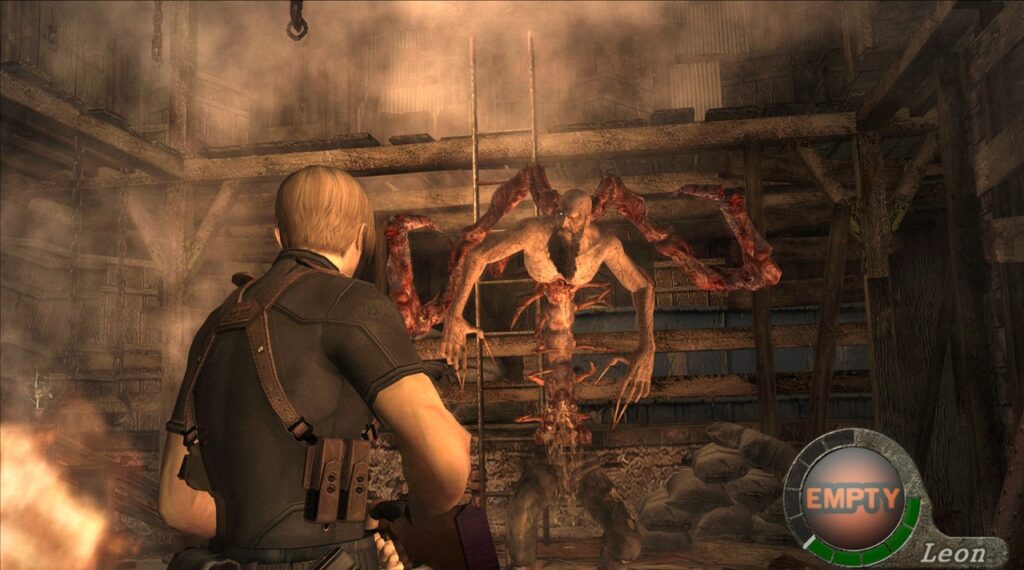
There are games that changed an industry so thoroughly that it is easy to forget how shocking they felt at the time. Resident Evil 4 is one of those.
If you were there in 2005, you remember the buzz. The chainsaw guy. The village ambush. The over-the-shoulder camera. The feeling that something had shifted. This was not just another sequel. It was a new language for action games.
And even now, it still feels incredibly modern in the way it balances pressure, pacing, and set-piece design. Encounters are dynamic. Enemies push you in smart ways. The tone swings from horror to camp to action without falling apart. Its rhythm is so good that you barely notice how expertly it is guiding you from one unforgettable moment to the next.
It also carries that very specific mid-2000s memory of gaming culture. Reading previews online. Hearing impossible praise from friends. Seeing screenshots that looked unlike anything else. Maybe even saving up for it because you knew this was one of those games. One of the ones people would still be talking about years later.
Turns out they were right.
7. Tony Hawk’s Pro Skater 3 (PS2/Xbox/GameCube, 2001)
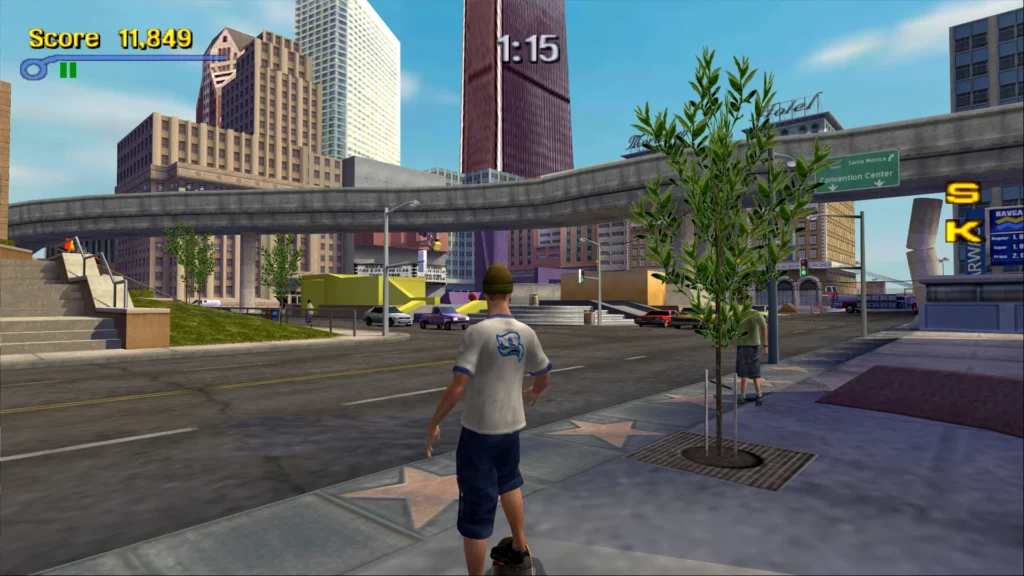
This one is pure early-2000s electricity.
You put on Tony Hawk’s Pro Skater 3 and suddenly you are back in that era when game soundtracks shaped your taste, cheat codes were social currency, and every level felt like a playground waiting to be broken open. It was one of those games where even people who were not “gaming people” could get pulled in for hours.
Why does it still feel modern? Because it understood pick-up-and-play design better than most games ever made. Instant fun. Constant momentum. Short bursts that turn into marathon sessions. Clean goals. Satisfying mastery. It practically predicts the design philosophy of so many modern games that want to be endlessly replayable without wasting your time.
But beyond all that, it still captures a feeling. The coolness of that era. The menus. The music. The speed. The sense that maybe, if you landed this combo, you were briefly the greatest player alive. You probably remember restarting runs again and again, convinced the next one would be the perfect one.
Sometimes it was.
8. Deus Ex (PC, 2000)
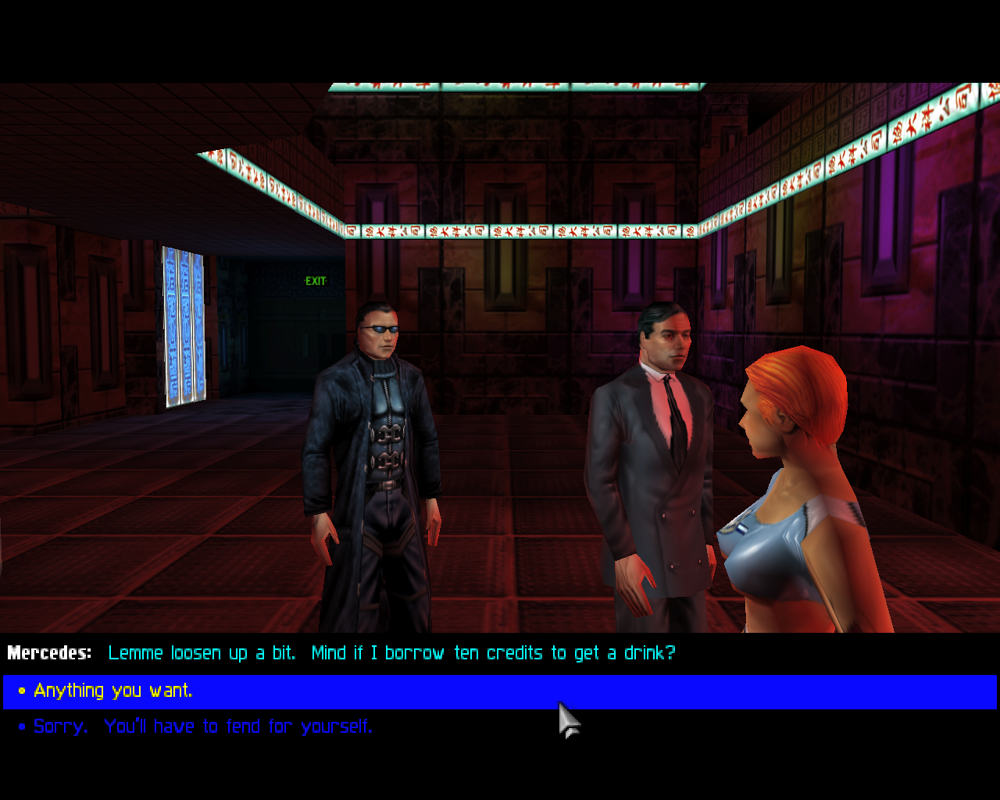
Every so often you go back to an older PC game and realize it was not just ambitious. It was almost rude about how ambitious it was.
That is Deus Ex.
This was the kind of game that made you feel smart just for playing it. Multiple routes. Different playstyles. Big conversations. Consequences. Systems layered on systems. It gave players room to improvise in ways that still feel forward-thinking in 2026. Long before “player choice” became a marketing bullet point on every other release, Deus Ex was already showing what that could really mean.
And for PC players of that era, the memories are vivid. Installing it and wondering if your machine could handle it. Reading strategy talk on forums. Arguing with friends about the “right” way to play. Feeling like you had discovered a game built for people who wanted more than a straight line from one explosion to the next.
Today, it still feels modern because it trusts systems over spectacle. It wants you to experiment. It lets you fail weirdly. It makes space for player expression. That still feels like the future when it is done well.
9. Halo: Combat Evolved (Xbox, 2001)
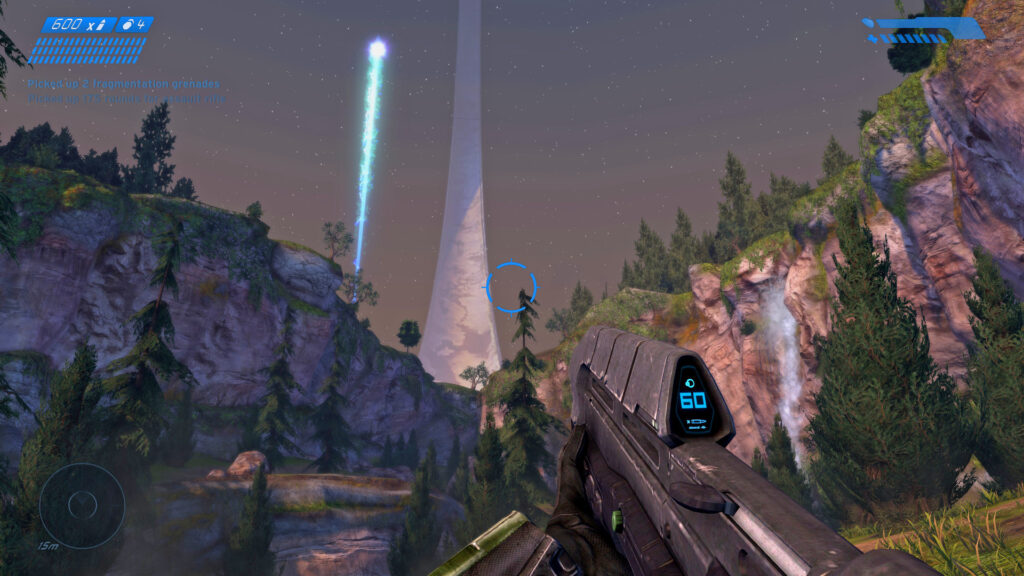
It is hard to explain to younger players just how massive Halo felt when it landed.
This was not just a great shooter. It was an event. LAN parties. System-link setups. Sleep-deprived multiplayer sessions. Friends dragging giant original Xbox consoles into basements and bedrooms like they were hauling military hardware. The chants, the rivalries, the accusations of screen-looking, the legends that grew out of single matches. Halo was social in a way that felt bigger than the game itself.
And yet the campaign still feels remarkably modern too. Wide combat spaces. Smart enemy behavior. Vehicular freedom. A gunplay rhythm that feels intuitive and readable. It helped define how console shooters could feel for decades.
What stands out in 2026 is how natural it all still feels. Nothing seems desperate. Nothing is overcomplicated. It just gives you a sandbox, a few unforgettable weapons, and a world that begs to be played with. That kind of clean design rarely gets old.
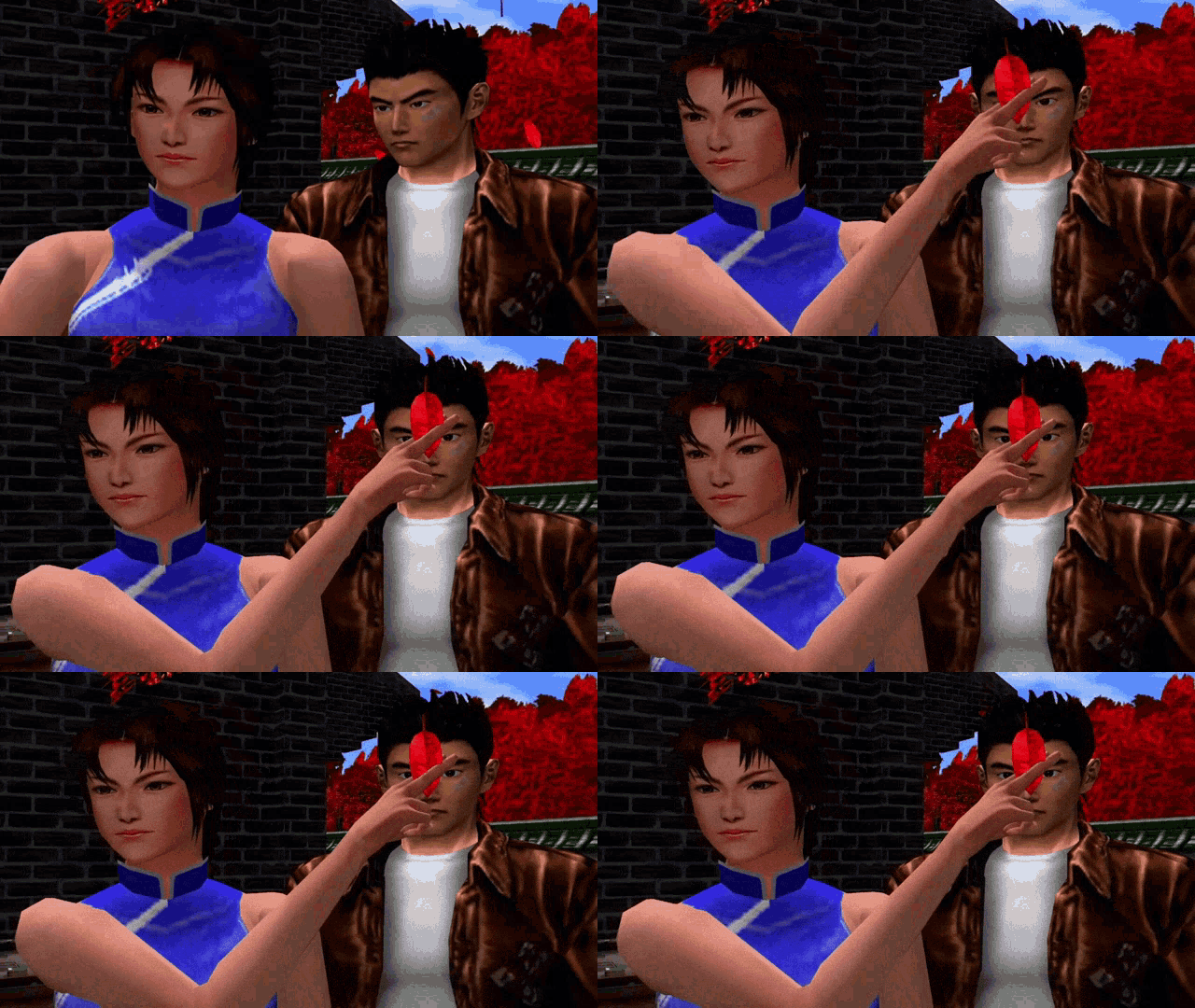
10. Shenmue (Dreamcast, 1999)
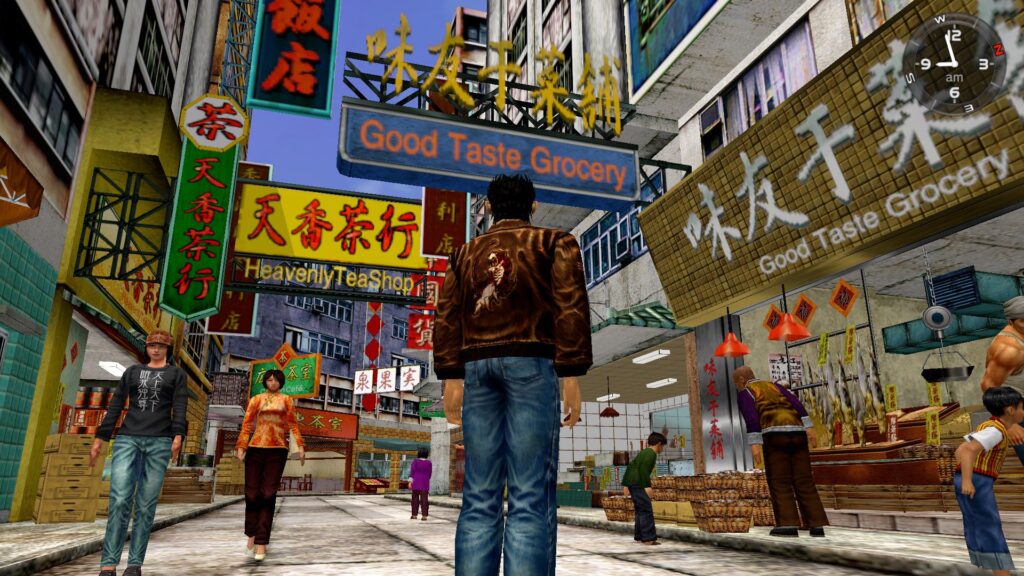
This one is a little different from the others, because Shenmue still feels modern less in moment-to-moment slickness and more in overall ambition. You play it now and realize just how boldly it was reaching for a kind of lived-in world that countless games would chase afterward.
Day-night schedules. NPC routines. environmental detail. Mini-games. Quiet downtime. A sense that ordinary life mattered alongside the bigger story. In 1999, that was astonishing. Even now, parts of it feel strangely contemporary, like an early blueprint for open-world immersion before the formula calcified.
If you were a Dreamcast kid, you probably remember how special that machine felt anyway. It had that electric underdog energy, and Shenmue felt like proof that the future had arrived early. Walking through Yokosuka, checking drawers, feeding the cat, wandering the streets with no rush to get to the next explosion—it all felt different from what games usually asked of you.
And that might be why it still matters. It believed small details could create emotional attachment. It believed atmosphere could be gameplay. In 2026, that still resonates.
Why These Games Still Matter
What links all these games together is not just quality. It is confidence.
They knew what they were. They had ideas. They trusted players. They carved out strong identities instead of chasing trends. And because of that, they still feel fresh when you return to them now. Not fresh in the sense of “basically modernized by accident,” but fresh in the deeper sense that great design, strong atmosphere, and memorable emotion do not really expire.
That is the real joy of rediscovering retro games in 2026. Sometimes you go back for comfort and end up finding surprise instead. You remember the rental stores, the strategy guides, the school rumors, the controller cords snaking across the carpet, the title themes playing through cheap TV speakers. But you also rediscover something else: some of these games were not just part of your childhood. They were genuinely ahead of their time.
So no, it was not just nostalgia talking.
You really did love some incredible games.
And honestly, that is one of the best feelings retro gaming can still give us.