Posted on June 5, 2026
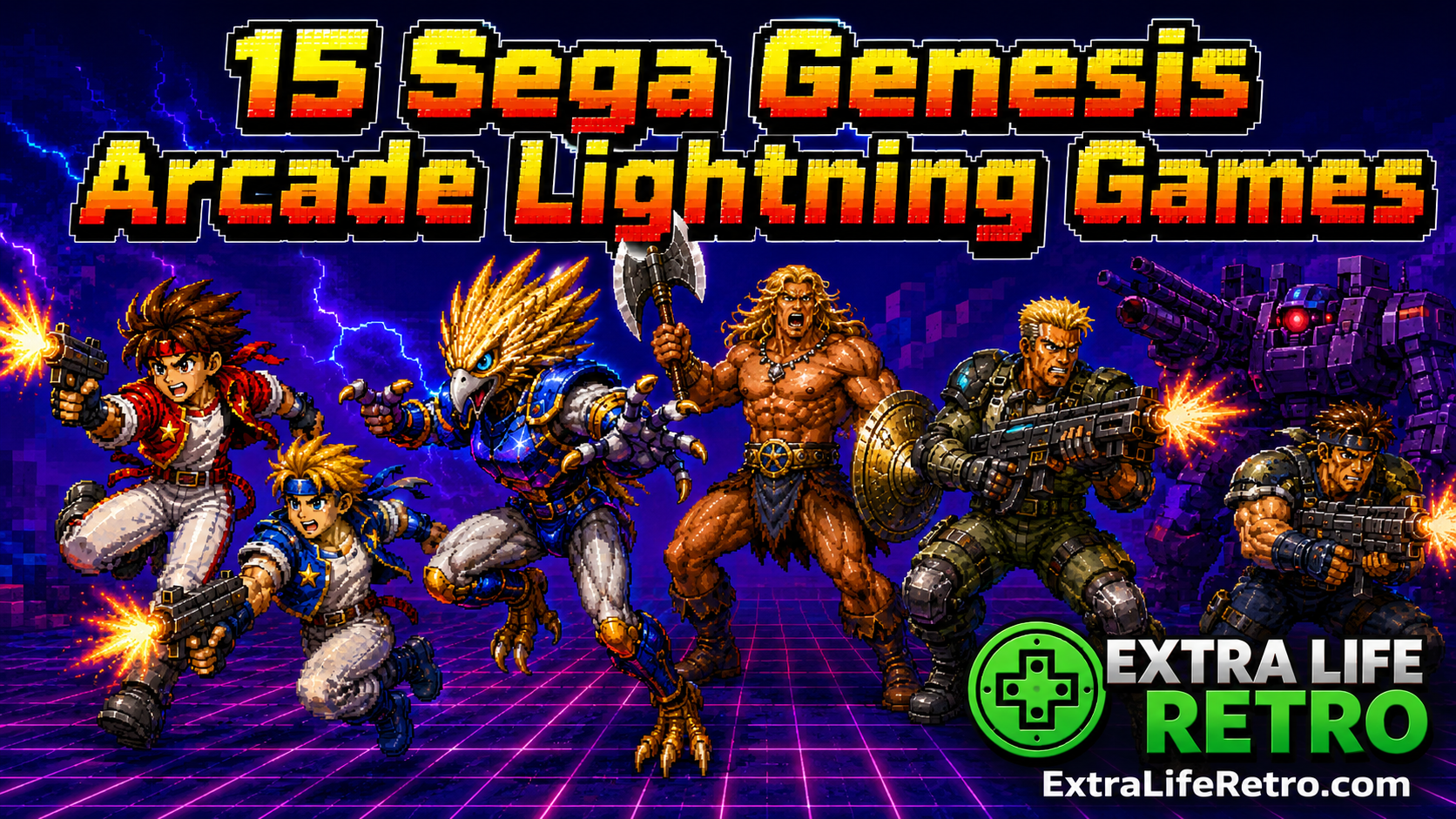
15 Sega Genesis Games That Still Hit Like Arcade Lightning
Disclosure: Some of the links in this post are affiliate links. This means if you click on the link and purchase an item, we will receive an affiliate commission at no extra cost to you. All opinions remain my own. I only recommend products or services I believe will add value to my readers.
These Sega Genesis games still have that blast-processing spirit — loud, fast, colorful, and impossible to forget.
There was something different about the Sega Genesis.
The Super Nintendo had its charm, no doubt. But the Genesis had swagger. It had that black console shell, that red reset button, those crunchy sound effects, and games that felt like they had been smuggled out of an arcade after midnight. Even the box art felt like it was challenging you to prove something.
For a lot of us, Genesis gaming meant sitting too close to a CRT television, blowing dust out of cartridges, arguing over who got the six-button controller, and hearing music that sounded like a robot band jamming in a neon-lit warehouse. These were games built on speed, attitude, and instant gratification. You did not need a tutorial. You pressed Start, got punched in the face by the first level, and learned the hard way.
The funny thing is, many of these Sega Genesis games still feel alive today. Not just historically important. Not just “good for their time.” Alive. Fast. Punchy. Weird. Full of personality.
Some of these franchises have gone quiet. Some got sequels but still deserve another proper modern revival. Others are trapped in licensing limbo or collector-price territory. But all 15 deserve another look because they still deliver the kind of arcade fun that made the Genesis feel dangerous in the best possible way.
15. ESWAT: City Under Siege — The Cyber-Cop Action Game Ready for a Second Chance
ESWAT is not always the first name people mention when they talk about Sega Genesis games, but it has the right ingredients for a comeback.
You start as a regular cop taking down criminals, then eventually suit up in powered armor and become a walking cybernetic problem-solver. That progression made the game memorable. You did not just start powerful. You earned the suit.
What players remember is the shift. Once the armor enters the picture, the game becomes bigger, heavier, and more exciting. It has that cyberpunk police-action flavor that felt very late-80s and early-90s in the best way.
ESWAT also carried Sega’s arcade DNA. It was direct, stylish, and full of action-movie energy. You could almost hear the VHS trailer voiceover in your head.
This game deserves a comeback because the concept is still strong. A side-scrolling cyber-cop action game with modern pixel art, co-op, and arcade pacing could absolutely work. ESWAT does not need to be reinvented beyond recognition. It just needs another shot.
Best Way to Play Today
ESWAT is one of those games where many players may discover it through a retro library rather than original collecting. If you find a clean cartridge at a fair price, it is a fun conversation piece. But it is not worth overpaying unless you are specifically building out a Sega action collection.
14. Alien Storm — Sega’s Weird Arcade Invasion Still Has Co-Op Energy
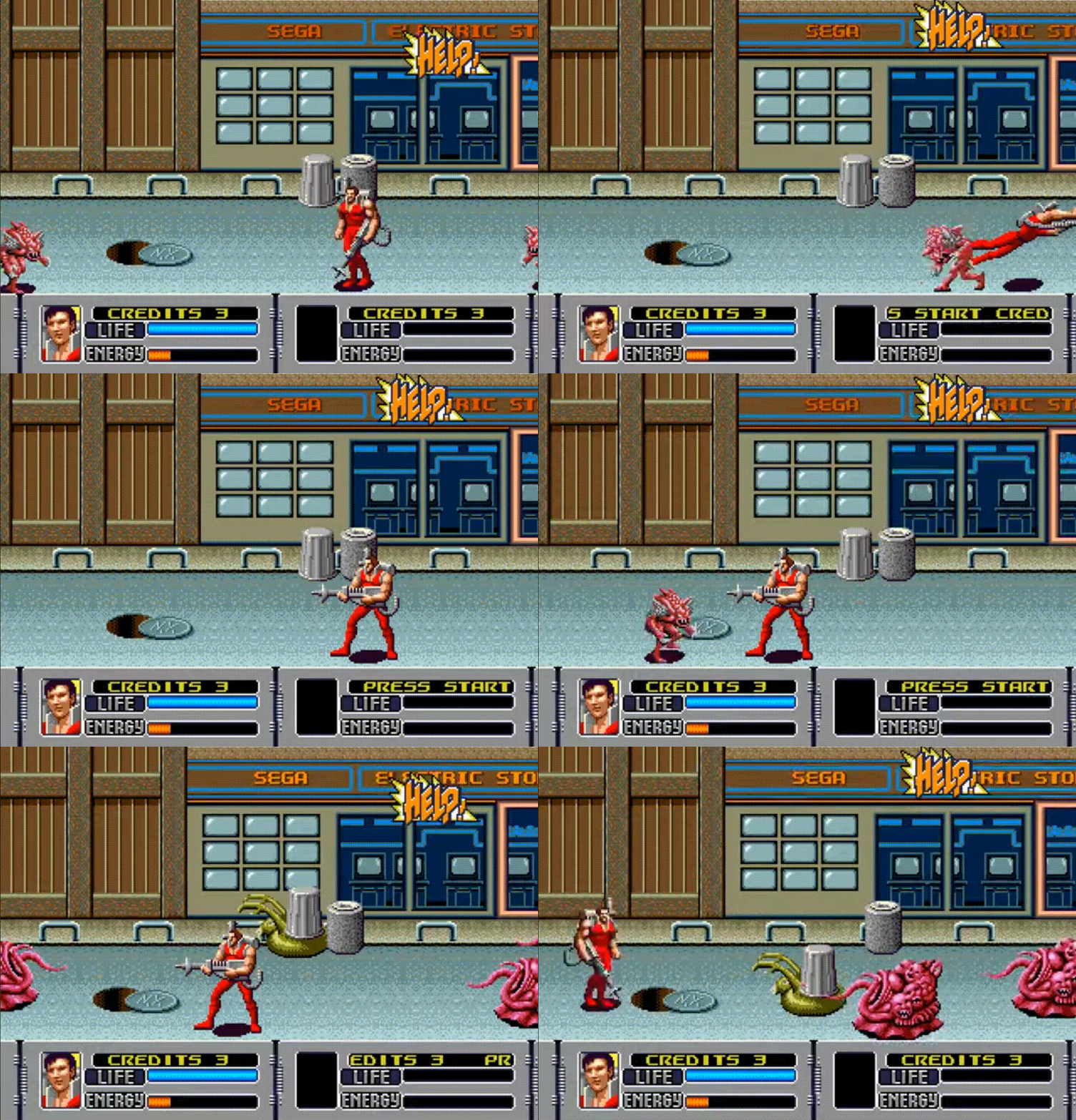
Alien Storm feels like Golden Axe got abducted by aliens and came back with a blaster.
This was a strange, fast arcade action game where you fought alien invaders in streets, shops, and bizarre interior stages. It mixed side-scrolling beat-’em-up action with shooting gallery segments and running stages, giving it a pace that never stayed still for long.
What players remember is the weirdness. Aliens popping out of mailboxes. Characters blasting through screens. The whole game had that early 1990s arcade absurdity where nobody stopped to explain anything because the next enemy wave had already arrived.
It was perfect for co-op. Not because it was refined to perfection, but because it was goofy, loud, and immediate. You could hand a controller to someone and say, “Just shoot everything weird.”
Alien Storm deserves a comeback because Sega’s arcade catalog is full of oddball energy modern gaming could use more of. A new version could lean into the comedy, speed, and co-op chaos.
Worth Picking Up Today?
Alien Storm is available through some official Sega retro offerings, depending on platform and region. The original cartridge is usually not as intimidating as the heavy collector titles, making it a decent pickup for Genesis fans who like arcade-style co-op.
13. Ranger X — The Mech Shooter That Felt Like a Hidden Weapon
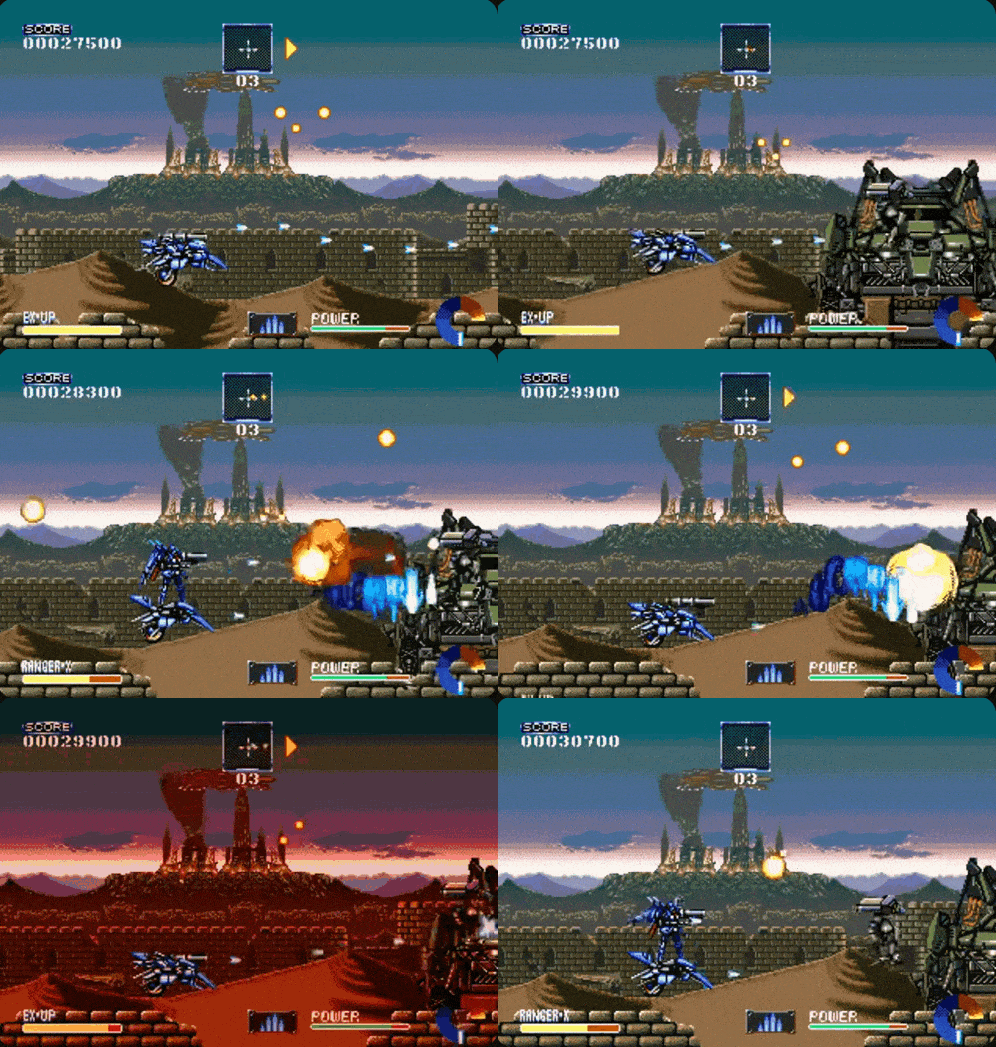
Ranger X is one of those Genesis games that makes you say, “Wait, why don’t more people talk about this?”
It looks great, moves fast, and gives you a powerful mech with a support vehicle that changes how you approach combat. It is part run-and-gun, part shooter, part mechanical fever dream. Once you get comfortable with the controls, it feels incredibly satisfying.
What players remember is the complexity. This was not a basic left-to-right action game. You had to manage movement, aiming, weapons, and your bike-like support machine. It took a little patience, but the payoff was big.
There was also something very Genesis about its look: metallic, bright, aggressive, and just a little mysterious. It felt like a game you discovered at a friend’s house and then could not stop thinking about.
Ranger X deserves a comeback because mech action is always one good idea away from being exciting again. This one already had the foundation.
Collecting Notes
Ranger X is not as mainstream as Sonic or Streets of Rage, but retro fans know it. That means prices can vary sharply. A loose cartridge is usually the practical target. Complete copies are more for serious collectors.
12. Road Rash II — The Motorcycle Game That Made Every Race Personal
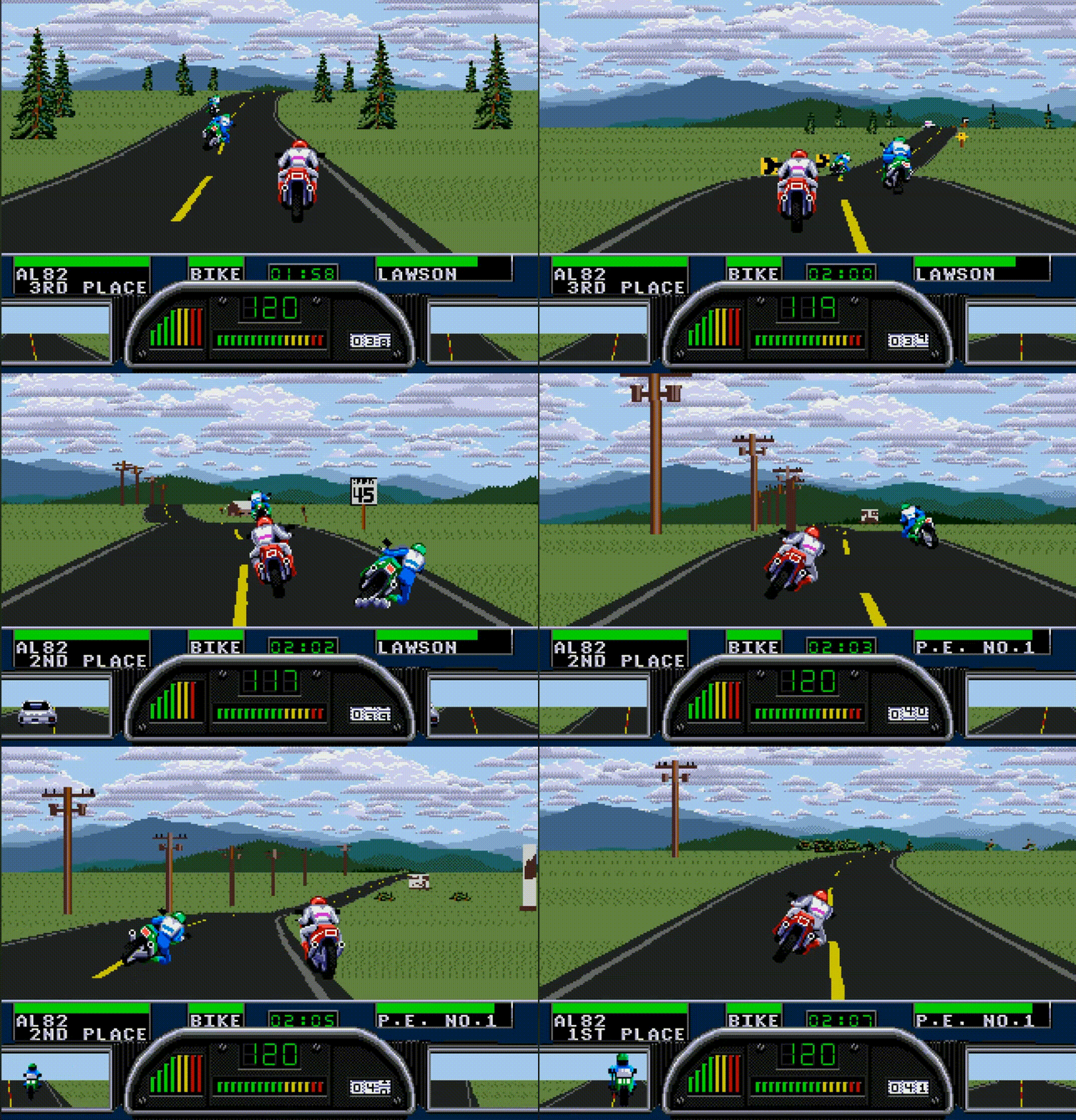
Road Rash II was not just a racing game. It was a grudge match at 100 miles per hour.
You raced motorcycles across open roads, dodged traffic, kicked rival riders, swung clubs, and tried not to eat pavement in the most humiliating way possible. It was fast, funny, violent, and weirdly social even when you were playing alone.
What players remember is the attitude. The digitized faces. The nasty crashes. The cops. The feeling of finally buying a better bike and immediately becoming reckless with it. Road Rash made racing feel dangerous in a way that clean circuit racers never could.
This was also a perfect rental game. You could pick it up quickly, laugh at the crashes, and spend the weekend trying to earn enough cash for the next bike. It was simple, but it had that “one more race” pull.
The modern game, Road Redemption Road Redemption carries the Road Rash II spirit forward with brutal bike combat, high-speed crashes, and chaotic arcade racing attitude. For this reason, Road Rash deserves a replay because arcade racing could use more personality. Not every racing game needs to be a simulation or an open-world checklist. Sometimes you just want speed, bad decisions, and a chain-swinging rival who needs to be taught a lesson.
Best Way to Play Today
Road Rash can be trickier to revisit officially than some Sega-published Genesis staples, so original cartridges remain attractive for collectors. Just be careful with price spikes. If you are mainly chasing the feel, a Genesis cartridge plus a decent controller is still the most authentic route.
11. Ristar — The Forgotten Sega Star With Stretchy-Armed Charm
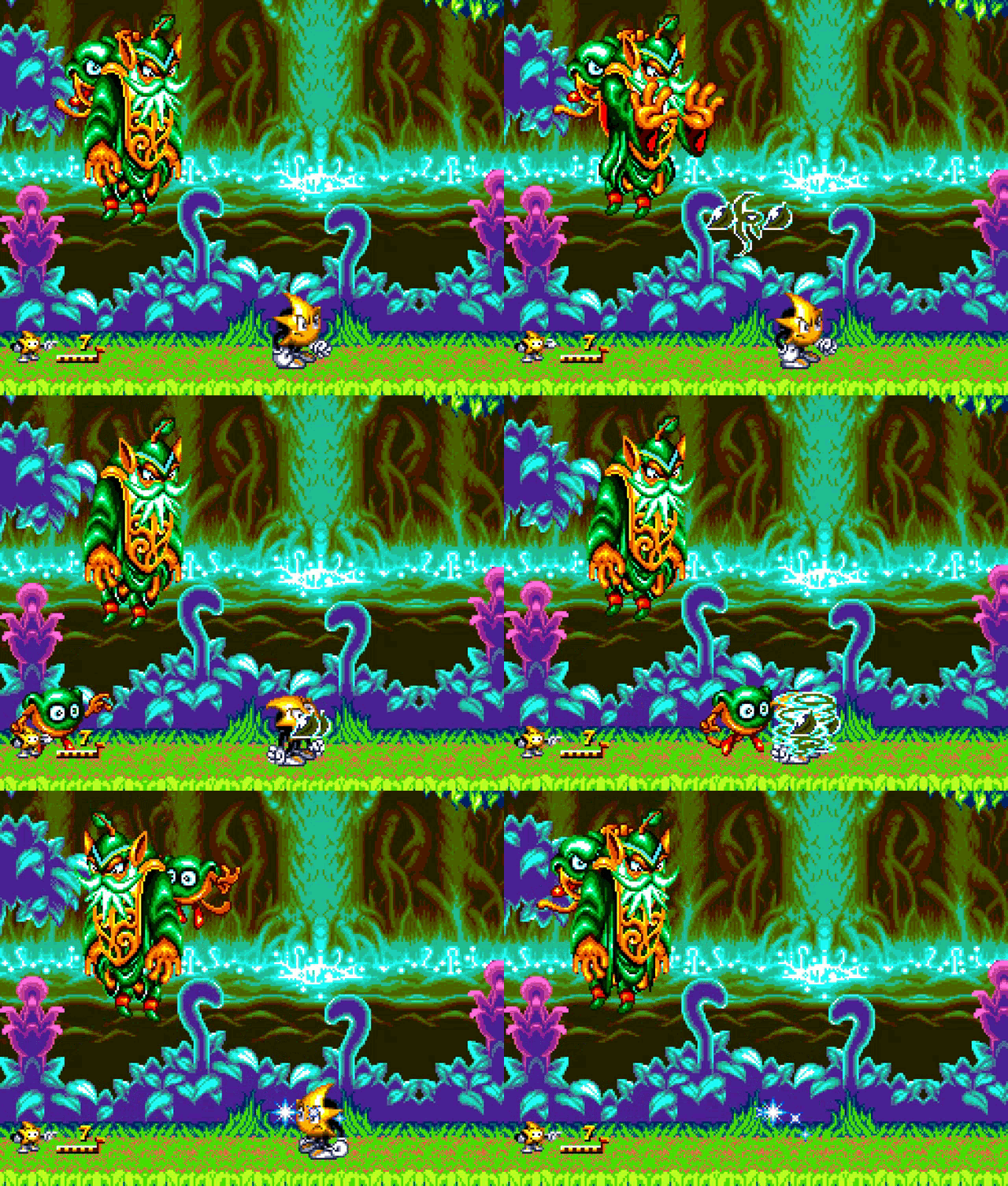
Ristar always felt like he arrived just a little too late.
By the time this bright, charming platformer hit the Genesis, the industry’s attention was shifting toward 3D. But anyone who played it knew Sega had something special here.
Instead of running fast like Sonic, Ristar grabbed, swung, climbed, and headbutted enemies with those stretchy star arms. It gave the game a different rhythm. You did not just zip through levels. You interacted with them.
What players remember is the charm. Ristar had expressive animation, colorful worlds, and that cheerful late-Genesis polish. It felt like a game made by people who still believed 2D platformers had magic left in them.
Ristar deserves a comeback because the core mechanic still feels fresh. A modern hand-drawn or high-quality pixel art sequel could be wonderful. Not every Sega mascot needed to be Sonic. Ristar had his own shine.
Best Version to Play Now
Ristar has been included in several Sega collections over the years, making it easier to revisit than some other late-era Genesis games. A loose original cartridge is worth considering if the price is fair, but boxed copies can climb because fans have come around to its reputation.
10. Golden Axe — The Arcade Fantasy Brawler That Still Feels Like a Quest
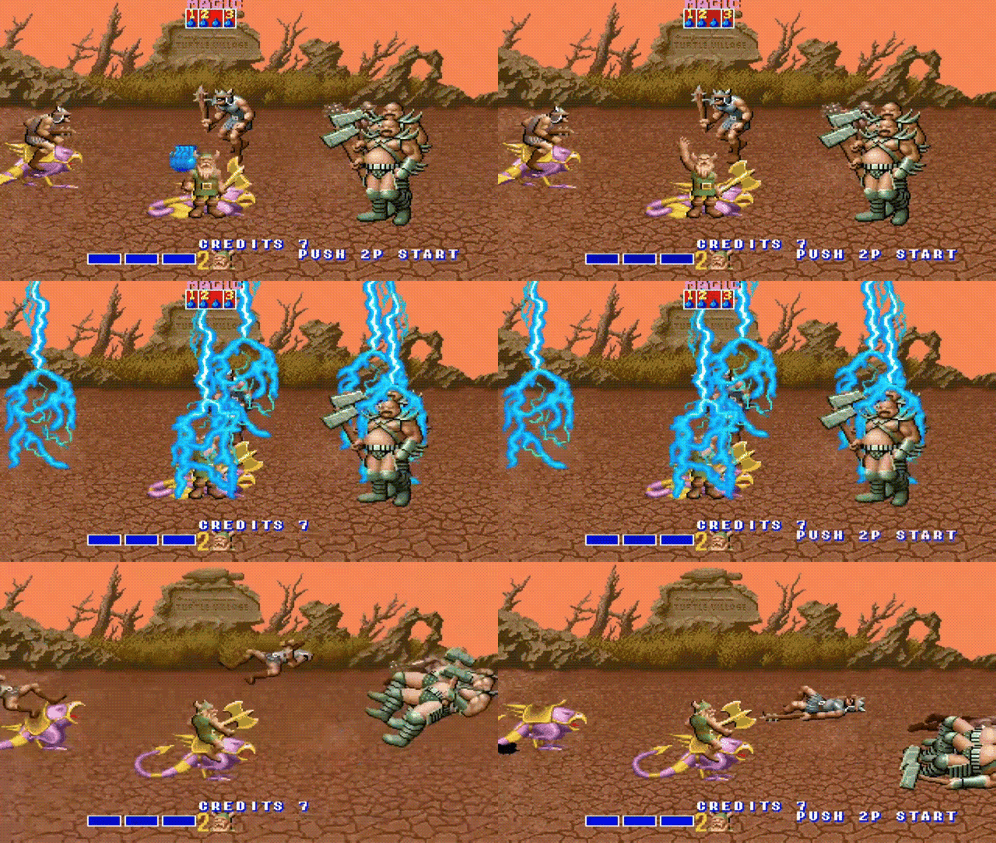
Golden Axe is not the deepest beat-’em-up ever made, but it has something that many deeper games do not: instant atmosphere.
The moment you see the fantasy world, hear the music, and choose your warrior, dwarf, or Amazon, you are in. It feels like a sword-and-sorcery arcade cabinet brought home to the living room.
What players remember most are the mounts. Riding those little dragon beasts and knocking enemies across the screen was pure joy. And let’s be honest, the magic attacks were half the reason we played. Filling up those blue pots and unleashing a screen-clearing spell felt like calling down the wrath of the arcade gods.
Golden Axe matters because it captured the fantasy craze of its era perfectly. It was Conan, Dungeons & Dragons, arcade brawling, and Sega attitude all rolled into one.
A comeback makes sense because fantasy co-op brawlers are still fun. Give it the right art direction, keep the simplicity, add satisfying combat, and Golden Axe could ride again.
Worth Picking Up Today?
Golden Axe is one of the easier Sega Genesis games to revisit through official collections and mini consoles. Original cartridges are common compared to rarer action titles, so this is a good budget-friendly collecting option if you want something authentic without going broke.
9. Contra: Hard Corps — The Genesis Action Game That Refused to Blink
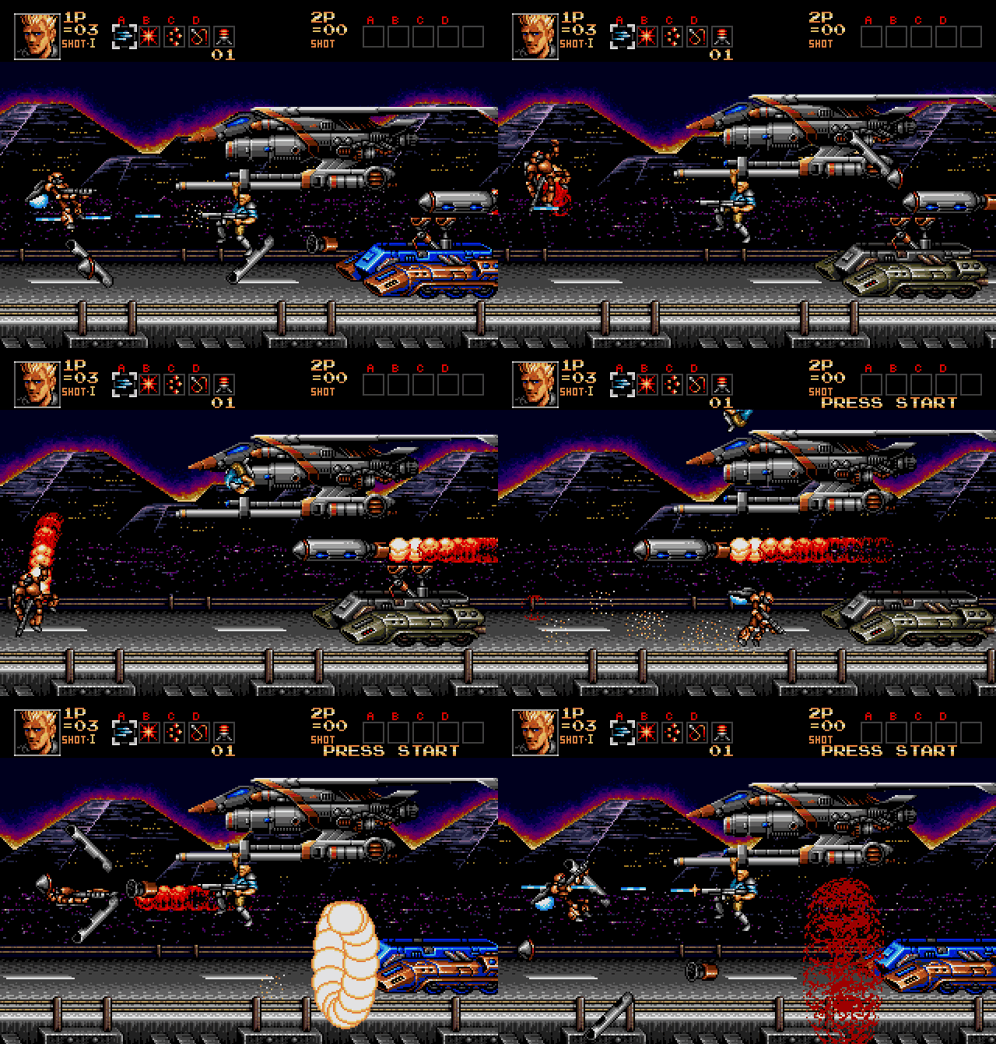
Contra: Hard Corps was not here to be gentle.
This was Contra with branching paths, wild characters, huge bosses, and the kind of speed that made the screen feel like it was barely holding together. It was loud, ridiculous, and absolutely committed to action.
Players remember the boss fights. A giant robot here. A mutant nightmare there. Something exploding every few seconds. Hard Corps felt like it was trying to one-up itself constantly.
It also had personality. The character roster made it feel different from earlier Contra games. You were not just another soldier. You had options, routes, and enough attitude to match the Genesis brand.
This game deserves continued love because it represents the Genesis at its most unrestrained. It is hard, yes. Sometimes brutally hard. But it is also unforgettable.
Collecting Notes
Contra: Hard Corps is a highly respected Genesis title, which means original copies are not always cheap. If you want the cleanest experience, look for official Contra collections. If you are collecting cartridges, inspect labels carefully because action classics often lived rough lives in rental stores and bedroom stacks.
8. Vectorman — The Green Robot Who Made Pre-Rendered Graphics Feel Cool
Vectorman arrived when the Genesis was fighting to prove it still had life left in it.
The PlayStation and Saturn were coming. The industry was shifting. But then here came this glowing green robot made of spheres, blasting through polluted future landscapes with animation that looked slick, strange, and futuristic.
What players remember is the look. Vectorman did not resemble the earlier Genesis heroes. He looked like he belonged to the next generation, or at least to a late-night tech demo that somehow became a full game. The way he moved, transformed, and fired across the screen gave the game a distinct identity.
It also had that arcade action feel Sega fans loved. Run, jump, shoot, transform, survive. No fluff. Just fast stages and strange enemies.
Vectorman still rocks because the character still has visual potential. A modern 2.5D action game with that eco-sci-fi theme could absolutely work. The original had personality. It just needs a new stage.
Best Way to Play Today
Vectorman has appeared in several Sega collections over the years, and it is often one of the more accessible Genesis classics. Original cartridges are usually easier to find than some of the rarer games on this list. If you want a low-cost nostalgia hit, this is a good place to start.
7. Comix Zone — The Game That Let You Punch Through a Comic Book
Comix Zone was one of the most Genesis things ever made.
You played as Sketch Turner, a comic artist trapped inside his own comic book, fighting through panels while the villain literally drew enemies into existence. That concept is still cool. Honestly, it may be cooler now than it was then.
What players remember is the presentation. Jumping between panels. Tearing through the page. Watching the comic layout become the level design. It felt like the Genesis had cracked open a graphic novel and dared you to fight your way out.
The game was tough, too. Maybe too tough for some of us back then. It had that late-era Genesis difficulty where every hit mattered and every mistake felt personal. But even when it beat you down, Comix Zone stayed memorable because nothing else looked or felt quite like it.
This one deserves a comeback badly. With today’s comic book culture, indie animation, and love for stylized action games, Comix Zone is sitting on a concept that still has power.
What to Buy If You Want the Full Nostalgia Hit
A complete-in-box copy looks fantastic on a shelf because the whole game is built around comic book energy. But for playing, modern re-releases are easier and cheaper. This is also one where a printed strategy guide or art-focused collectible would make perfect sense if Sega ever revived it properly.
6. Alien Soldier — The Boss Rush Beast Most Players Discovered Too Late
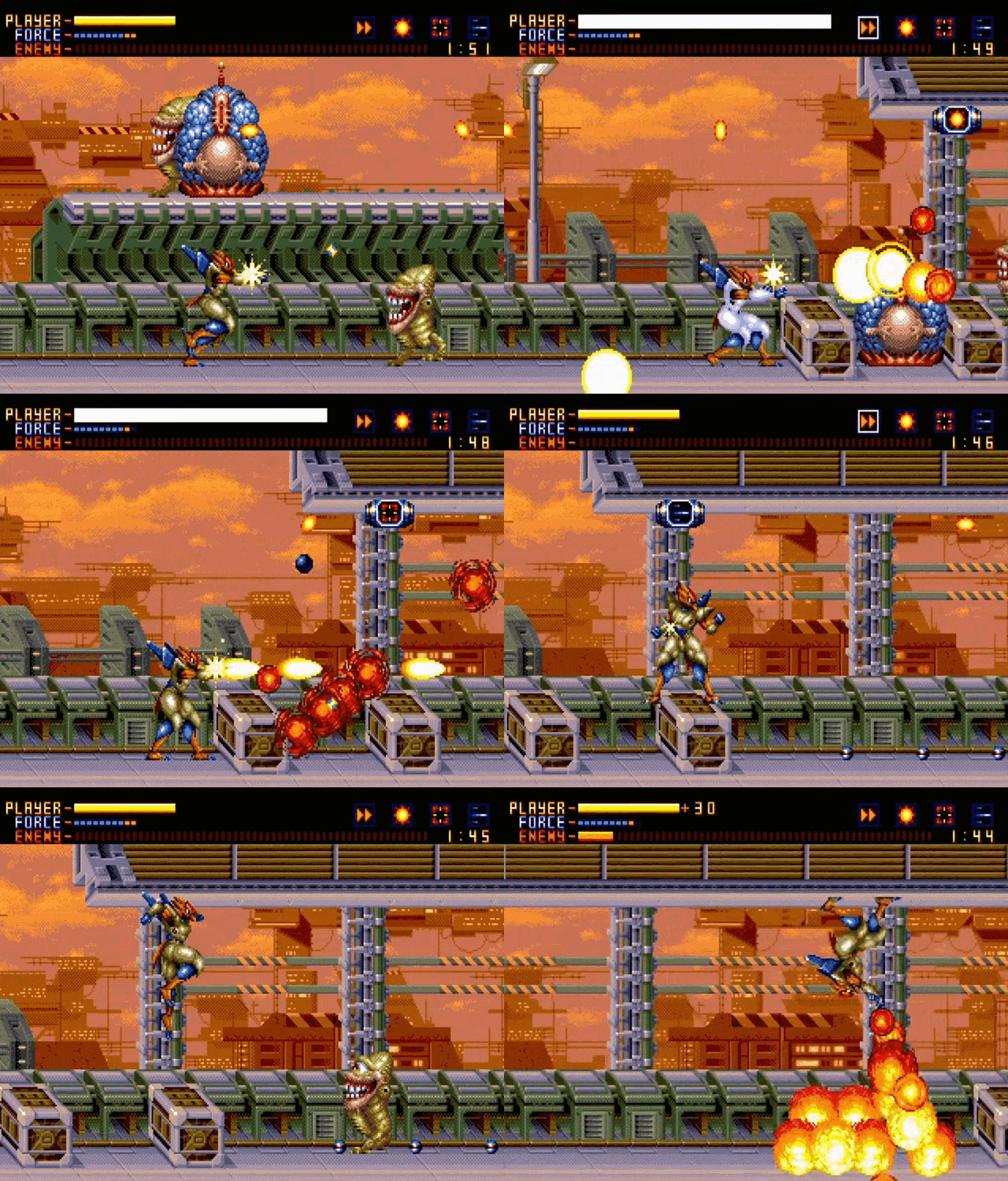
Alien Soldier feels like a game made for people who thought regular action games were too polite.
It is fast, strange, aggressive, and absolutely packed with bosses. This is not a gentle Saturday morning rental. This is a game that stares at you and says, “Keep up.”
Players who discovered it later often wondered how something this wild lived on the Mega Drive. It has that Treasure DNA: oversized enemies, unusual movement, weapon management, and visual chaos that somehow remains playable once you understand its rhythm.
What makes Alien Soldier stick is its intensity. Every encounter feels like a test. There is very little filler. It is all action, all pressure, all style.
This one deserves a comeback because modern players are much more comfortable with difficult, pattern-heavy action games now. Alien Soldier was ahead of its time. In today’s world of boss-rush indies and stylish action revivals, it would make perfect sense.
Worth Picking Up Today?
This is one where original hardware collecting can get painful. Alien Soldier is famous enough among retro fans to command serious prices. Unless you are building a premium Mega Drive collection, a legal modern release is the smarter path.
5. Thunder Force IV / Lightening Force — When the Genesis Decided to Melt Your Speakers
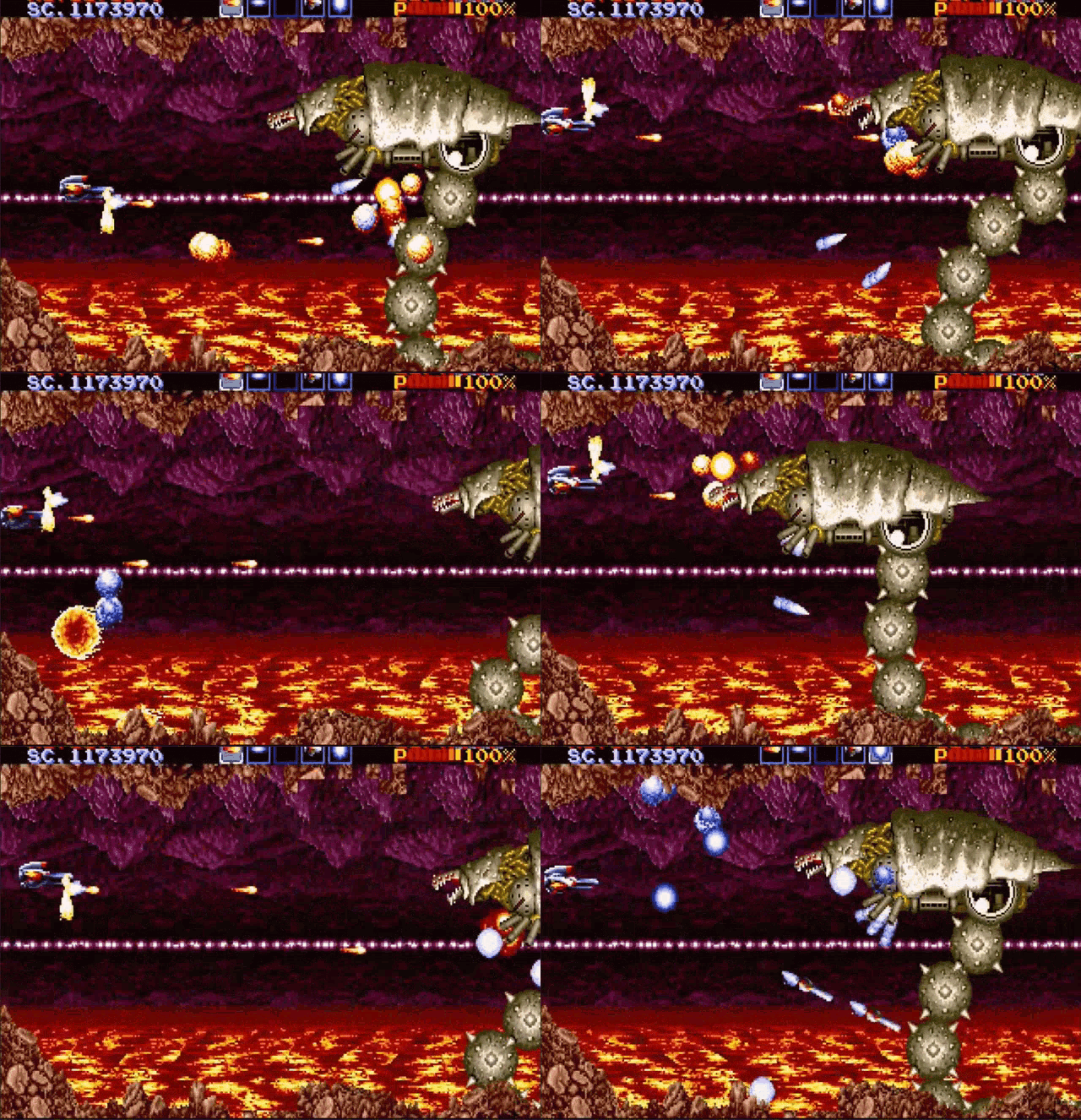
Thunder Force IV, released in North America as Lightening Force, is the Genesis showing off.
This is a side-scrolling shooter with huge skies, roaring music, layered backgrounds, and a sense of speed that still feels impressive. The soundtrack alone sounds like the console is trying to become a heavy metal guitar.
What players remember is the intensity. Enemies sweep in from every direction. Bosses arrive like mechanical disasters. Your weapon loadout matters. One mistake can cost you your best tools and suddenly turn confidence into panic.
But that was the shooter life. You learned patterns. You memorized enemy waves. You got a little farther each time. And when everything clicked, Thunder Force IV made you feel like a 16-bit ace pilot carving through an alien war zone.
This series deserves a comeback because arcade shooters never stopped being fun. They just need personality, speed, and a soundtrack that sounds like it might blow out old TV speakers.
Best Way to Play Today
Original copies of Lightening Force can be expensive, especially in good condition. If you are not collecting, look for an official modern release or collection first. This is also a game where a low-lag setup matters. Shooters punish delay, so avoid a cheap display setup that makes the controls feel mushy.
4. Rocket Knight Adventures — The Possum With a Jetpack Who Should Have Been Huge
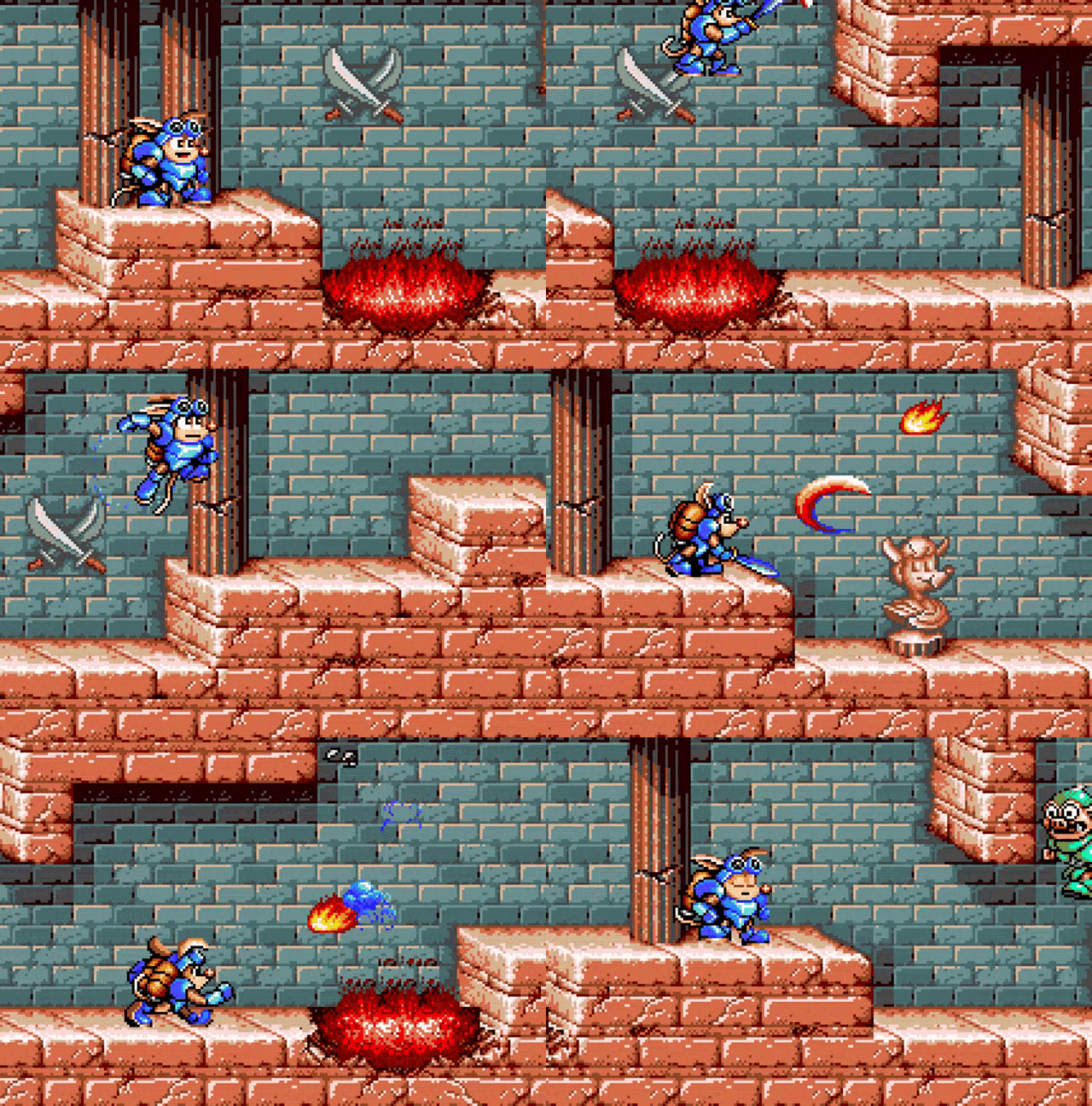
Rocket Knight Adventures is one of the great “why didn’t this become bigger?” Genesis stories.
Sparkster had everything: armor, a sword, a jetpack, expressive animation, and a game that moved like a Saturday morning cartoon with arcade instincts. It was colorful, charming, and surprisingly intense when the action kicked in.
What players remember most is the jetpack charge. Holding the button, lining up the angle, and launching Sparkster across the screen gave the game its own flavor. It was platforming, but with a rocket-powered twist that made every stage feel playful.
There was also a wonderful Konami weirdness to the whole thing. Pig soldiers, airships, mechanical bosses, heroic animals, fantasy kingdoms — it felt like someone mixed Sonic, a Disney adventure, and an arcade shooter into one bright cartridge.
Rocket Knight deserves a comeback because it has the kind of character-driven action that modern indie games are constantly chasing. Sparkster was built for a second life. He just needs the right team to light the fuse again.
Collecting Notes
Rocket Knight Adventures is one of those Genesis cartridges that collectors respect, so prices can climb. A loose cartridge is usually more reasonable than a complete-in-box copy. For players who just want the experience, watch for official re-release options before spending collector money.
3. Shinobi III: Return of the Ninja Master — Sega’s Coolest Ninja Deserves the Spotlight Again
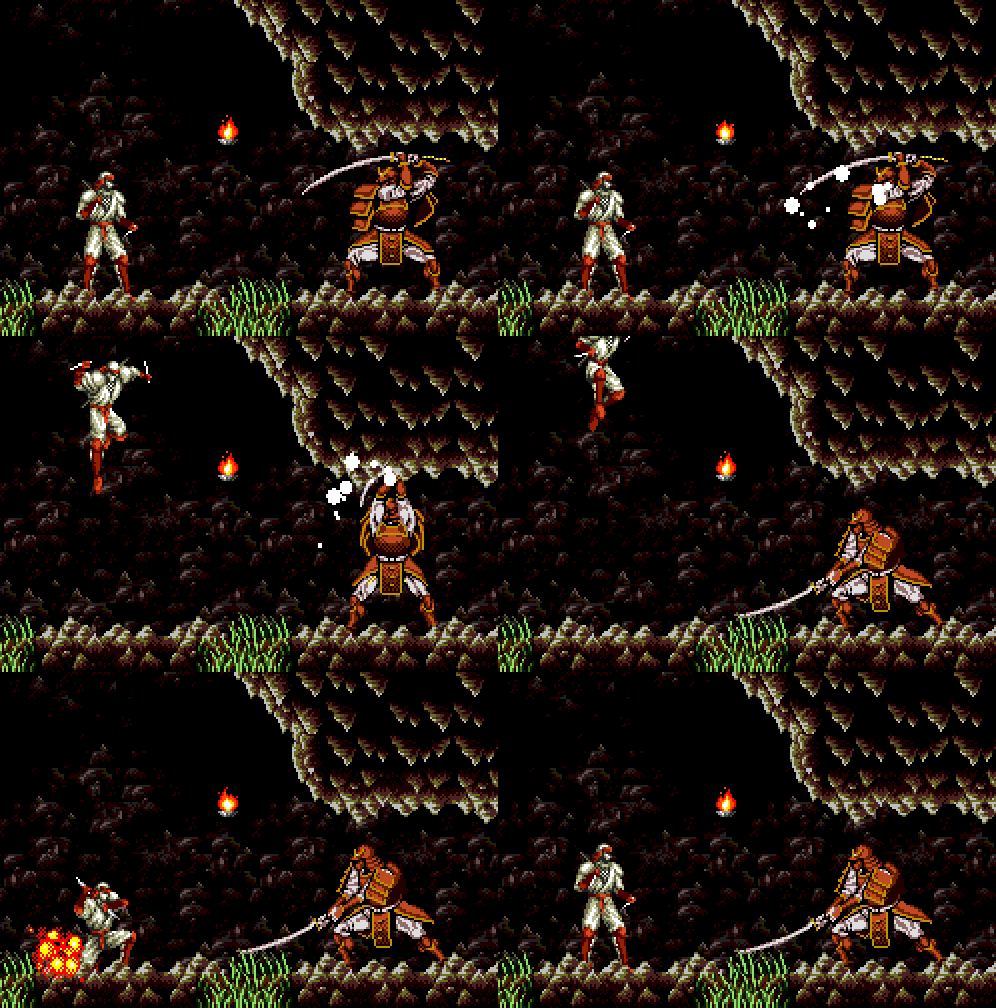
Shinobi III is pure 16-bit cool.
Joe Musashi moves like a shadow with purpose. He can run, slash, jump, wall-kick, throw shuriken, ride a horse, surf across the water, and fight biomechanical nightmares without ever looking like he is trying too hard. This is one of those Genesis games that makes the system look better than people remember.
The magic of Shinobi III is how smooth it feels. It has action, but also grace. It is not just about hacking through enemies. It is about timing, movement, and that little moment of confidence when you land a perfect attack and keep moving like a ninja in a Saturday afternoon anime.
Players remember the horse stage, the surfboard stage, the cyber-ninja energy, and the feeling that Sega had created a hero who could stand with any mascot or action star from the era.
Shinobi deserves a proper modern comeback because the core idea is still strong: stylish side-scrolling ninja action with speed, precision, and atmosphere. That never goes out of style.
Best Version to Play Now
Shinobi III appears in several retro Sega compilations and subscription libraries depending on platform and region. Original cartridges are still out there, but condition matters. If you just want to play, do not overpay for a boxed copy unless you are collecting seriously.
2. Gunstar Heroes — The Run-and-Gun Fever Dream That Never Slowed Down
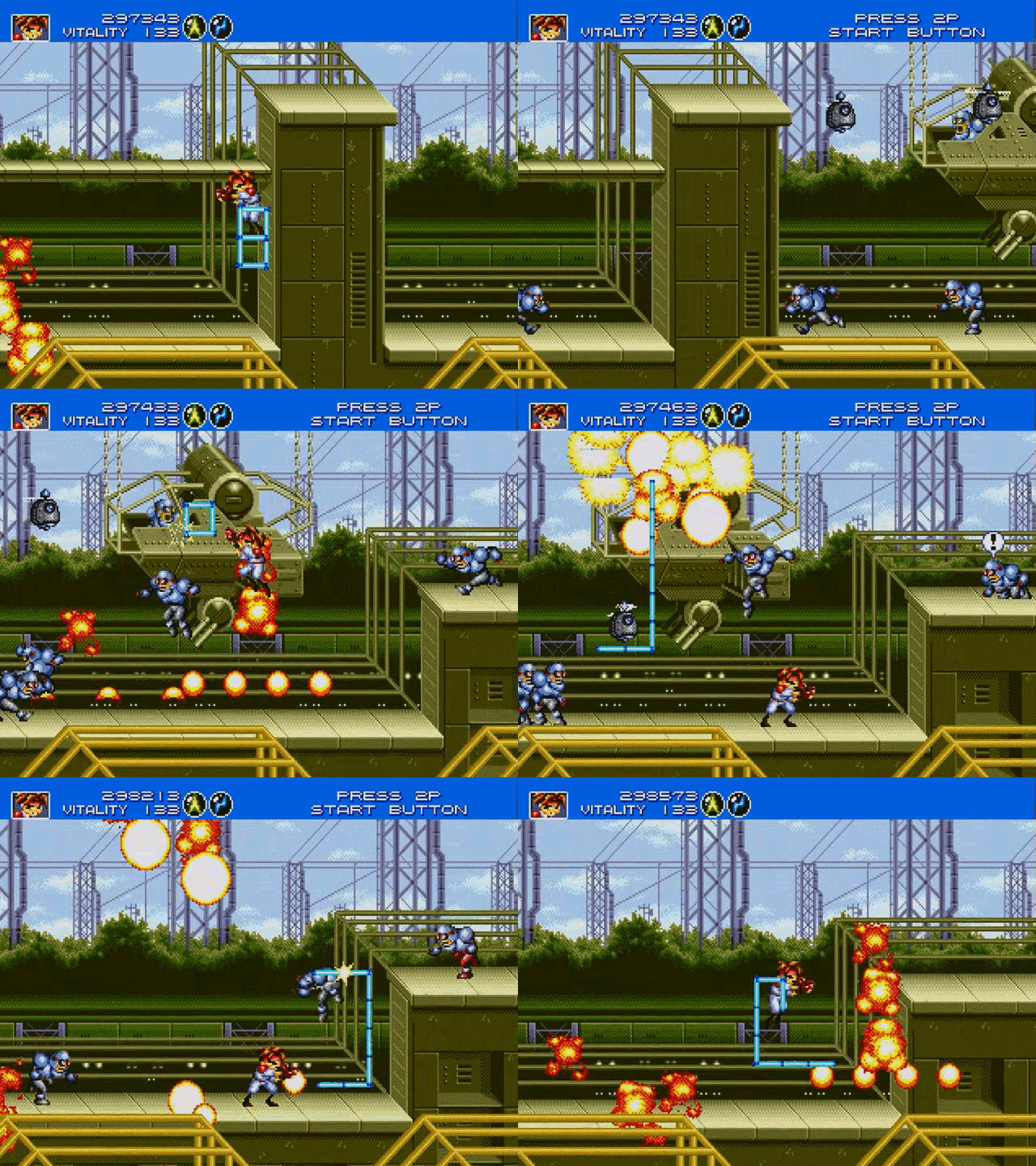
Gunstar Heroes felt like Treasure looked at every action game on the Genesis and said, “Good start, but what if everything exploded twice as much?”
As we said in our Gunstar Heroes review, this is Treasure at full blast: explosive co-op, wild weapon combinations, screen-filling bosses, and nonstop Genesis energy. It’s the kind of game that reminds you why 16-bit arcade action still matters — fast, loud, chaotic, and impossible not to love.
This game was chaos with a smile. You could shoot in every direction, combine weapons, slide across the floor, throw enemies like sacks of laundry, and fight bosses that felt like they were being assembled in real time by some mad arcade engineer. The dice palace stage alone felt like something nobody else would have dared to put into a 16-bit action game.
What players remember most is the energy. Gunstar Heroes did not walk. It sprinted. It did not ask you to admire the scenery. It threw robots, missiles, fireballs, and screen-filling bosses at you until your thumbs got sore.
There was also that great two-player tension. You and a friend could be unstoppable one minute and accidentally ruin each other’s rhythm the next. That was part of the fun. It felt like co-op built for kids who had just eaten too much cereal on a Saturday morning.
Best Way to Play Today
Gunstar Heroes is one of those games worth playing on original hardware if you want the full cartridge-and-CRT experience, but the original cartridge can get pricey. A legal modern collection or subscription release is usually the more practical route. A good Genesis-style controller also helps because this game was built for quick firing, fast movement, and zero hesitation.
1. Streets of Rage 2 — The Soundtrack Still Throws the First Punch
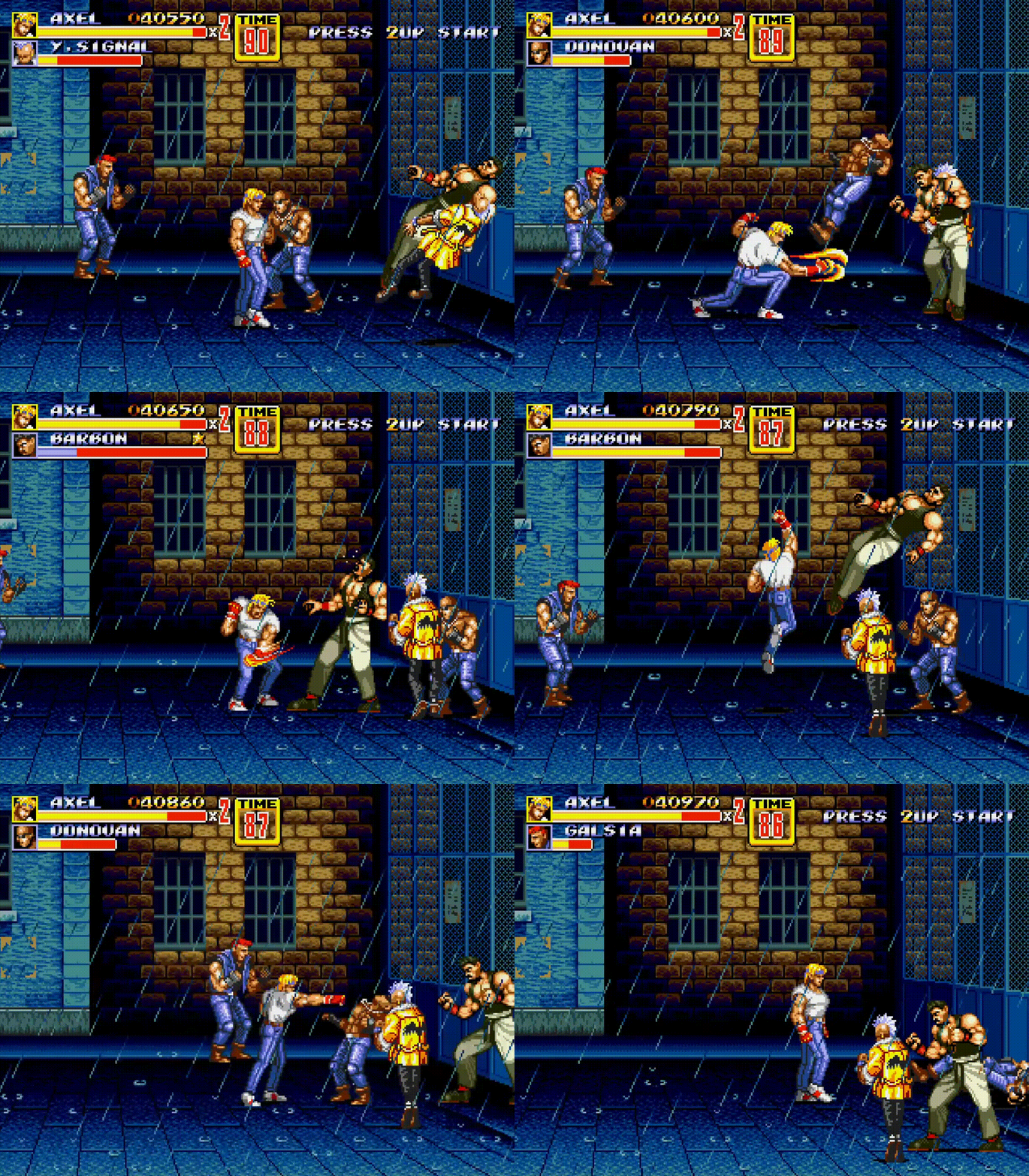
Streets of Rage 2 is one of those games where the music starts and your shoulders automatically loosen up. Yuzo Koshiro’s soundtrack did not just accompany the action — it gave the whole game its heartbeat.
This was the Genesis beat-’em-up at its peak. Axel’s Grand Upper, Blaze’s precision, Skate’s speed, Max’s wrestling power — every character felt distinct. The city was grimy, neon, and dangerous, but in that perfect 1990s arcade way where every alley looked like a place where someone was about to get suplexed.
What players remember is the rhythm. Walk right. Punch. Grab. Throw. Eat suspicious roast chicken off the ground. Keep moving. Beat up a biker. Fight a boss with a health bar that looked way too long. Repeat until the living room felt like an arcade cabinet.
This game still matters because it understood something simple: beat-’em-ups are not just about combat. They are about momentum, music, friendship, and yelling when someone takes the health item you clearly needed more.
Worth Picking Up Today?
Streets of Rage has been re-released many times, and the series even received a strong modern revival with Streets of Rage 4. For the classic Genesis feel, Streets of Rage 2 is still the one to revisit. If you are collecting, the original cartridge is a beautiful shelf piece, but casual players are better served by an official collection or modern digital version where available.
Final Thoughts: The Genesis Still Has Gas in the Tank
The Sega Genesis was never just a console. It was a mood.
It was speed lines, crunchy explosions, neon cities, arcade ports, weird mascots, tough bosses, and music that sounded like it came from another planet. These games did not always age perfectly, but the best of them still have that spark. They get to the point quickly. They respect your time. They hand you the controller and say, “Let’s go.”
That is why these Sega Genesis games deserve comebacks. Not because nostalgia alone is enough, but because the core ideas still work. Fast action still works. Couch co-op still works. Stylish side-scrollers still work. Weird mascots, cyber-ninjas, rocket possums, comic-book brawlers, and motorcycle outlaws still work when the game behind them has heart.
Whether you played them on the Genesis, the Sega Mega Drive, a mini console, a modern collection, or a friend’s dusty old setup, these games remind us why the 16-bit era still matters.
The Genesis did not whisper for attention.
It revved the engine, kicked open the arcade door, and dared us to keep up.