Posted on June 17, 2026
Skate, Score, Repeat: Tony Hawk’s Pro Skater 2 is A Love Letter to 90s Skate Culture
Disclosure: Some of the links in this post are affiliate links. This means if you click on the link and purchase an item, we will receive an affiliate commission at no extra cost to you. All opinions remain my own. I only recommend products or services I believe will add value to my readers.
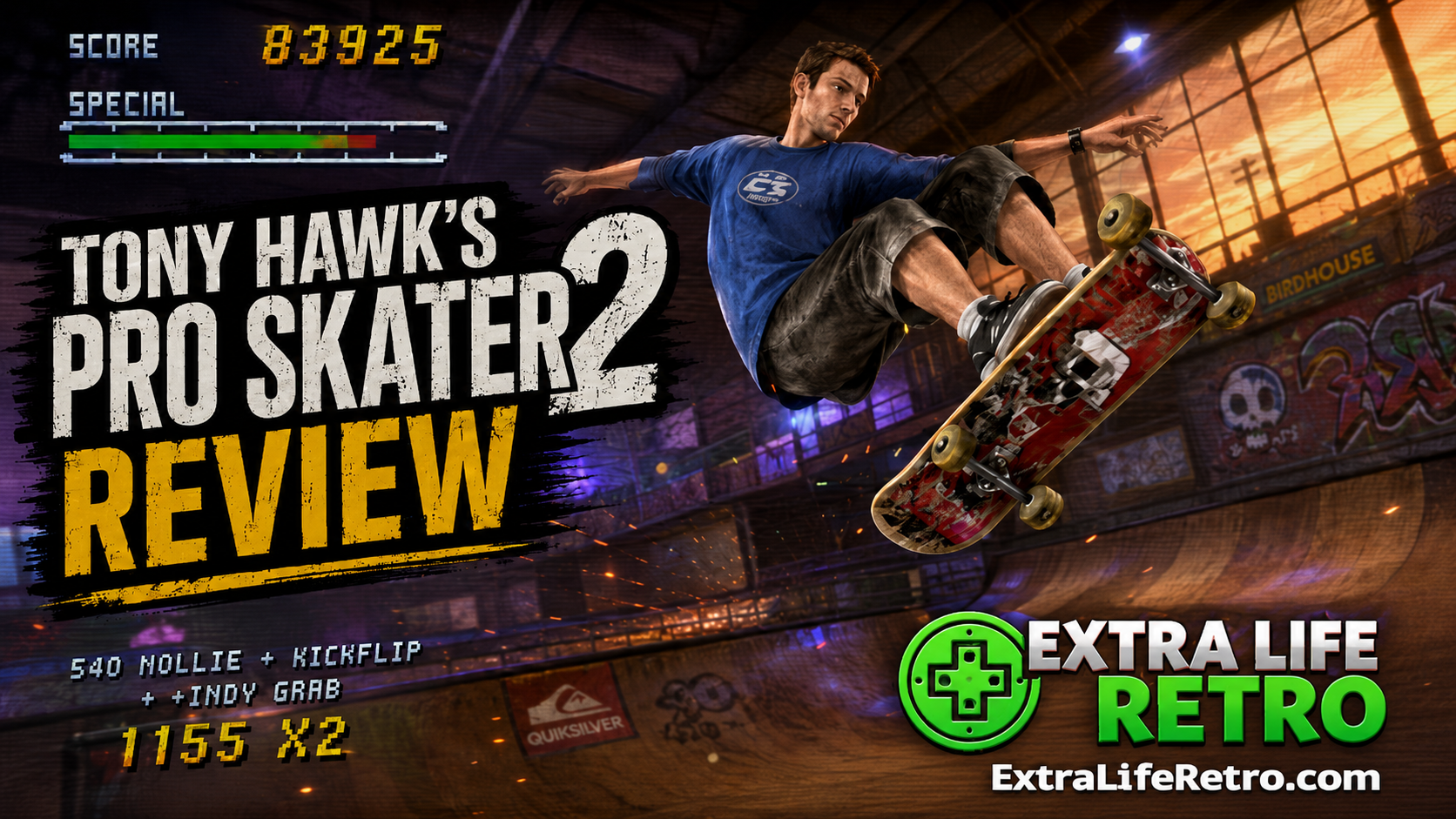
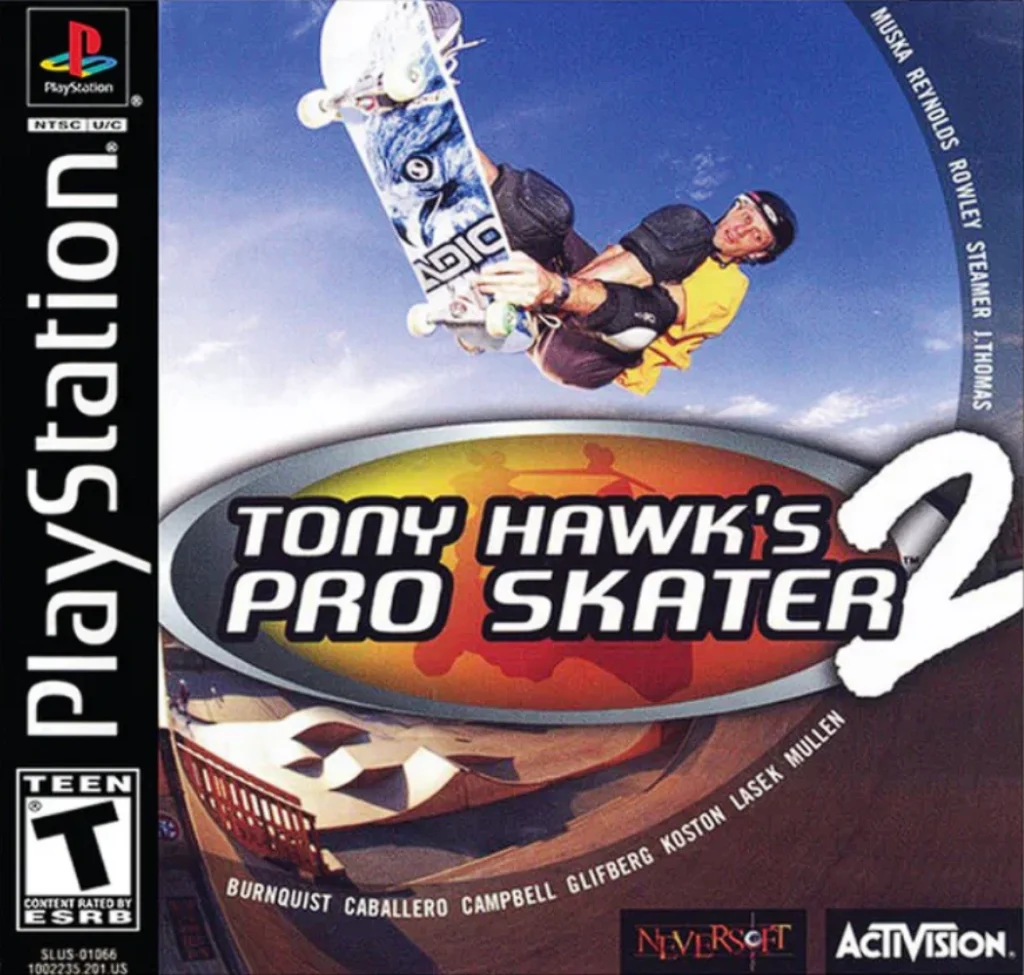
This Tony Hawk’s Pro Skater 2 Review revisits the game that turned skateboarding into a living room obsession, rewired sports games, and gave an entire generation a new way to see rails, rooftops, ramps, and music.
Before Tony Hawk’s Pro Skater 2, most sports games still lived inside familiar boundaries. Football games chased broadcasts. Basketball games chased the hardwood. Racing games chased speed. But this game kicked the door open and said a sport could be a mixtape, a playground, a fashion statement, a score attack, and a cultural movement all at once.
That was the shock of it. Tony Hawk’s Pro Skater 2 did not simply make skateboarding playable. It made skateboarding feel contagious. Suddenly, a handrail was not just street furniture. A stair set was not just something outside a school. A warehouse was not just a warehouse. The game trained players to look at ordinary spaces like they were hiding lines, combos, gaps, and secrets. It turned skate culture into a language millions of non-skaters could suddenly understand with a controller in their hands.
Released in 2000, right when PlayStation gaming, punk rock, hip-hop, X Games energy, skate videos, and mall-era youth culture were all crashing into each other, Tony Hawk’s Pro Skater 2 became more than a great sequel. It helped change what a sports game could be. It made style matter. It made music matter. It made repetition feel cool. And for a lot of players, it made two minutes feel endless.
At a Glance
Platform: Originally PlayStation, with later versions on Dreamcast, Nintendo 64, Windows, Mac, Game Boy Color, Game Boy Advance, and other platforms
Released: 2000
Developer: Neversoft Entertainment
Publisher: Activision
Genre: Skateboarding / Extreme Sports / Arcade Sports
Vibe: A loud, fast, rebellious burst of turn-of-the-millennium skate culture where every rail, rooftop, and half-pipe feels like an invitation to risk the whole run for one cleaner combo.
You’ll Love It If: You enjoy score chasing, short arcade-style sessions, killer soundtracks, secret hunting, trick mastery, and games that reward practice without wasting your time.
Maybe Skip If: You need modern tutorials, relaxed open-world pacing, or forgiving physics from the first five minutes.
Best Way to Play: Most players should start with Tony Hawk’s Pro Skater 1 + 2, the modern remastered collection. Original hardware is still the best route for the full nostalgia hit.
Collector Note: The original PS1 version is still fairly approachable compared with many retro heavy-hitters, though complete, black-label, and sealed copies vary by condition.
The Sequel That Turned a Hit Into a Movement
The first Tony Hawk’s Pro Skater was already a lightning strike. It proved skateboarding could work as a fast, accessible, arcade-style video game without becoming stiff or overly technical. But Tony Hawk’s Pro Skater 2 is where the formula became mythic.
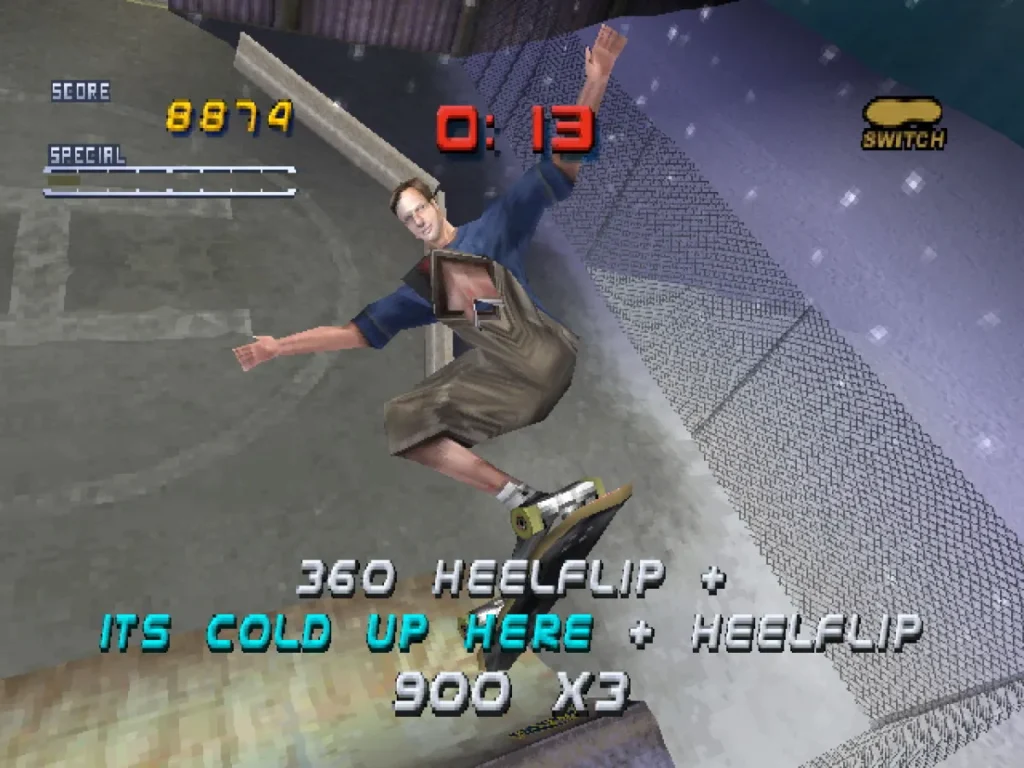
This was the one that made the series feel less like a sports experiment and more like a cultural export. It brought skateboarding into bedrooms, dorm rooms, basements, rental stores, and after-school hangouts. Players who had never touched a real board suddenly knew the names of pro skaters. They knew the sound of trucks scraping across rails. They knew what a kickflip, heelflip, manual, melon, or crooked grind looked like, even if they could not land one on pavement without destroying their knees.
That mattered.
This was gaming acting as a cultural translator. Tony Hawk’s Pro Skater 2 did not water skateboarding down into a toy version of itself. It exaggerated it into something playable, readable, and instantly addictive. It gave players the fantasy of flow without the hospital bill. It brought the attitude, music, fashion, locations, and rhythm of skate culture into a form that felt natural on a PlayStation controller.
And because the game was so easy to start, it spread fast. One person would bring it over. Someone else would know a better route. Another friend would insist there was a secret tape in some impossible place. A sibling would discover a gap by accident. A score war would begin. The controller would keep moving from hand to hand.
That was the real multiplayer, even before you selected an actual multiplayer mode.
Why It Felt So Different in 2000
To understand why Tony Hawk’s Pro Skater 2 mattered, you have to remember where gaming was at the time. The PlayStation was near the end of its run. The Dreamcast was showing off cleaner 3D. The PlayStation 2 was looming like the future. Games were getting bigger, flashier, and more cinematic.
Then here came Tony Hawk’s Pro Skater 2, a game built around two-minute runs.
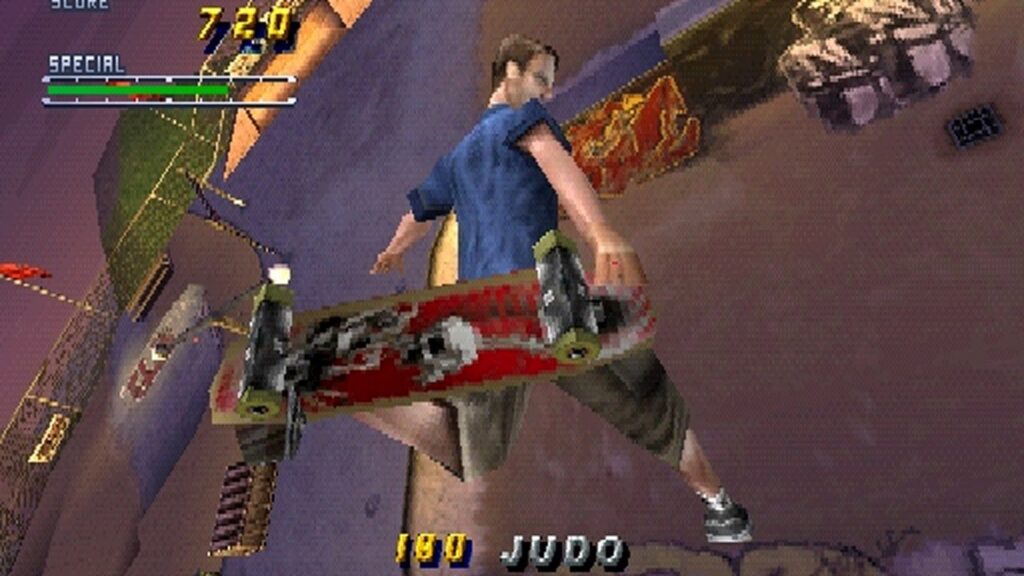
That sounds small until you play it. The timer was not a restriction. It was pressure. It made every run feel urgent. You had no time to wander. You had to attack the level. Find the tape. Spell SKATE. Hit the high score. Grab the cash. Discover the gap. Land the combo. Restart if you blew it.
The structure made failure painless and success addictive. A bad run cost you two minutes. A good run made you feel like a genius. A great run made you immediately believe you could do even better.
That loop was powerful because it respected the player’s time while constantly tempting their ego. It was perfect for short sessions, but dangerous in the way great arcade games are dangerous. You could sit down for one run and lose an hour because the game kept whispering, “You almost had it.”
Manuals Changed Everything
The single most important addition in Tony Hawk’s Pro Skater 2 was the manual.
The first game already had ramps, grabs, flips, grinds, transfers, and level goals. But the manual connected the whole language together. It let players bridge flat ground between tricks, turning isolated stunts into long, improvised score chains.
That changed how you looked at every level.
Before manuals, a rail was a rail and a ramp was a ramp. After manuals, the space between them mattered. Suddenly, you were not just performing tricks. You were composing routes. You were thinking three moves ahead. Grind this rail, manual across the concrete, flip trick off the ledge, land into another manual, catch the next rail, pray you do not overbalance, then cash out before the whole thing explodes.
It was thrilling because the game always made greed dangerous. You could bank the combo and feel safe, or stretch it one more trick and risk everything. That little push-your-luck rhythm became the soul of the series.
It also made Tony Hawk’s Pro Skater 2 one of those rare sequels that did not just add more content. It deepened the entire idea.
Gameplay: The Part Your Hands Remember
The magic of Tony Hawk’s Pro Skater 2 is that it feels simple until you start taking it seriously.
At first, you skate around, hit ramps, mash out tricks, collect letters, and try not to slam into walls. The controls are approachable enough that almost anyone can understand the basics. Ollie, flip, grab, grind, manual. The game gives you the vocabulary quickly.
But fluency takes work.
Real mastery comes from timing, balance, speed, and level knowledge. You learn which rails are safe. You learn which jumps are traps. You learn when to hold a grind and when to bail out. You learn that a sloppy landing can wreck a beautiful combo. You learn that the timer is always your enemy and your best motivator.
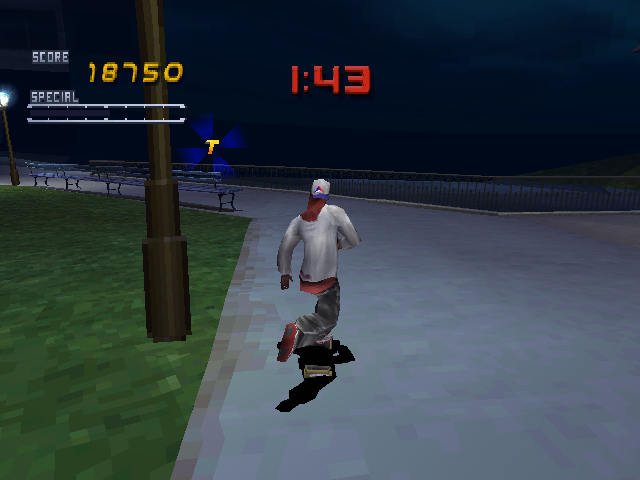
The game’s career mode gives each level a checklist of goals, but the better you get, the more those goals become excuses to explore. The real game is the space between objectives. It is figuring out how to turn a level into a personal route. It is discovering that the obvious path is rarely the best one.
The roster helped sell the fantasy too. Tony Hawk was the name on the box, but the game also gave players a lineup of real skaters with different stats and styles. For a lot of players, this was their first real introduction to names like Bob Burnquist, Rodney Mullen, Kareem Campbell, Elissa Steamer, Steve Caballero, Eric Koston, and others. That mattered because the game was not just selling skateboarding as a generic activity. It was pointing toward real people, real culture, and real style.
The create-a-skater mode added another layer. It let players place themselves inside the fantasy. Create-a-park pushed that even further, giving players a way to build their own playgrounds and understand the game’s design logic from the inside out.
The menus are straightforward, the sessions are quick, and the feedback is immediate. That ease of use is one reason the game traveled so well from player to player. You did not need a long explanation. You just needed someone to hand you the controller and say, “Try this.”
The Levels Are Small, But They’re Built Like Songs
Modern games often try to impress with size. Tony Hawk’s Pro Skater 2 impresses with density.
The Hangar is a perfect opener because it teaches the game’s rhythm without turning into a tutorial. It gives you ramps, rails, glass to smash, a helicopter to mess with, and enough secrets to make the place feel bigger than it really is.
School II might be the game’s defining level. It has that dreamlike version of a familiar place: stairs, bells, rooftops, rails, courtyards, gym areas, and off-limits routes. It feels like every schoolyard rumor about where you were not supposed to go became a skate level.
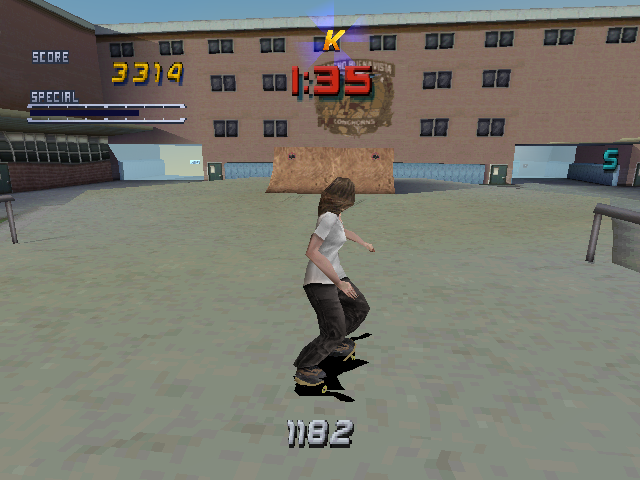
Marseille brings competition pressure and a tighter arena feel. New York gives you city lines and big gaps. Venice Beach has grit, rooftops, and personality. Philadelphia feels like an urban skate session full of corners worth testing. The Bullring is loud, strange, and chaotic, exactly the kind of finale a game like this deserves.
These levels stick because they are not just places. They are loops. They are rhythms. They are puzzles disguised as skate spots. Once you start learning them, you do not just remember where things are. You remember how they connect.
That is why players still talk about these stages decades later. They were designed to be replayed until they became muscle memory.
Graphics: One Game, Several Very Different Windows Into the Same Culture
The tricky thing about talking about the graphics in Tony Hawk’s Pro Skater 2 is that there was no single visual experience. This was not just a PlayStation game that everyone saw the same way. It landed across PlayStation, Nintendo 64, Dreamcast, Windows, and Mac OS, and each version carried its own flavor of the era.
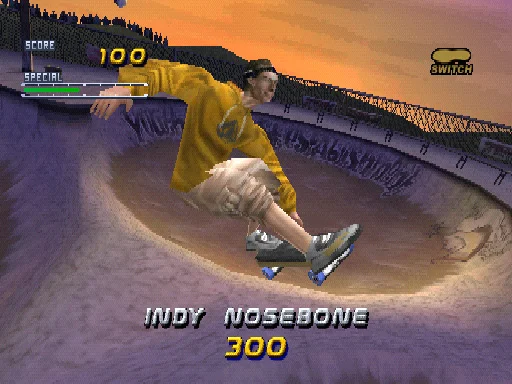
On the original PlayStation, the game has that unmistakable late-PS1 look: chunky skaters, warping textures, sharp edges, and environments that sometimes feel like they are being held together by pure attitude. But it works because the important things are readable. Rails pop. Ramps make sense. Gaps invite you in. The game knows that clarity matters more than polish when you are flying toward a grind with three seconds left on the timer.
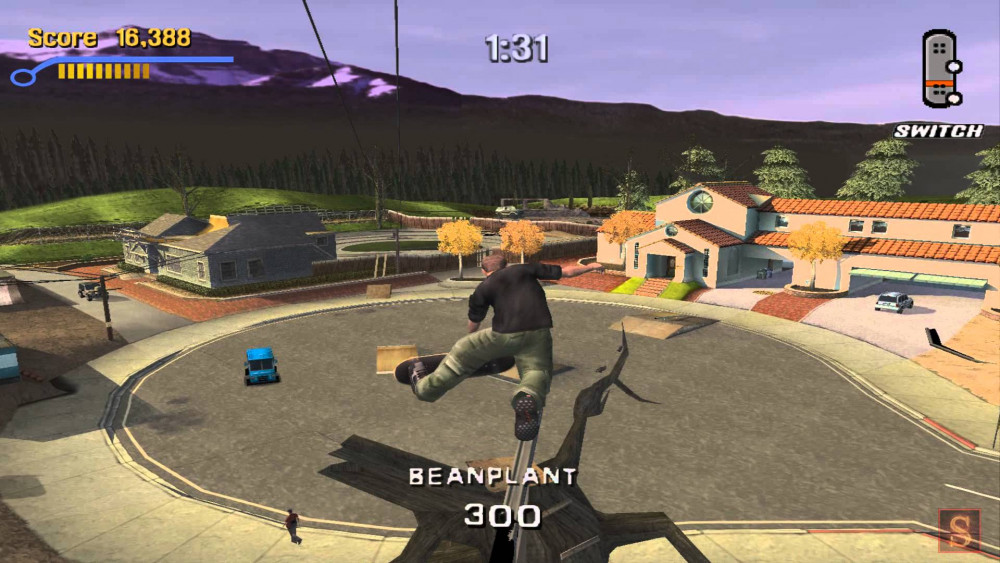
The Nintendo 64 version delivers the same basic spirit through different compromises. It has the smoother, cartridge-based feel many N64 players remember, but it also comes with the kinds of audio and presentation tradeoffs that often separated N64 ports from their disc-based cousins. For players who lived on Nintendo hardware, though, that version still mattered. It brought the Tony Hawk’s Pro Skater 2 obsession into a different living room ecosystem, with its own controller feel and its own nostalgic texture.
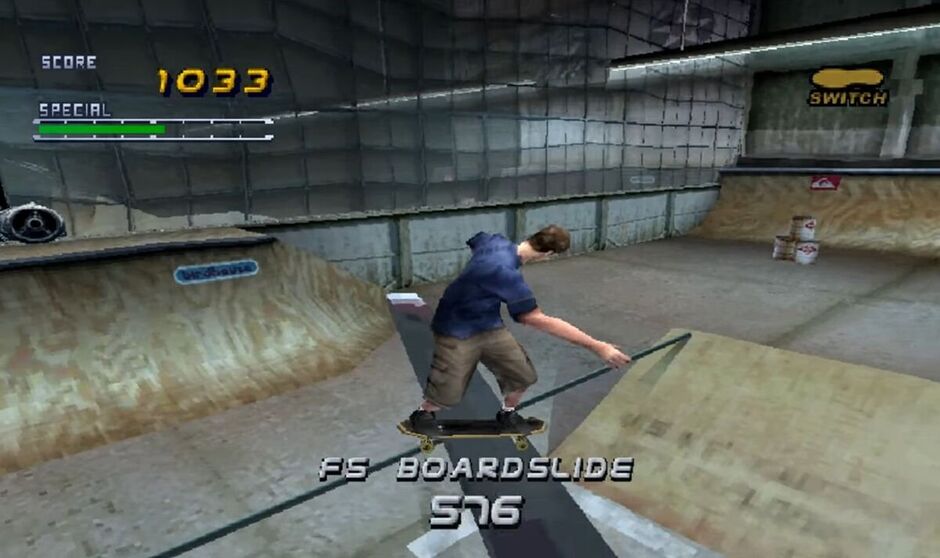
The Dreamcast version is where the game starts looking closer to how many players imagined it in their heads. Cleaner character models, sharper environments, and a generally smoother presentation make it one of the best-looking original-era versions. It does not change the soul of the game, but it lets the level design breathe a little more. If the PlayStation version feels like the raw mixtape, the Dreamcast version feels like someone cleaned up the recording without losing the energy.
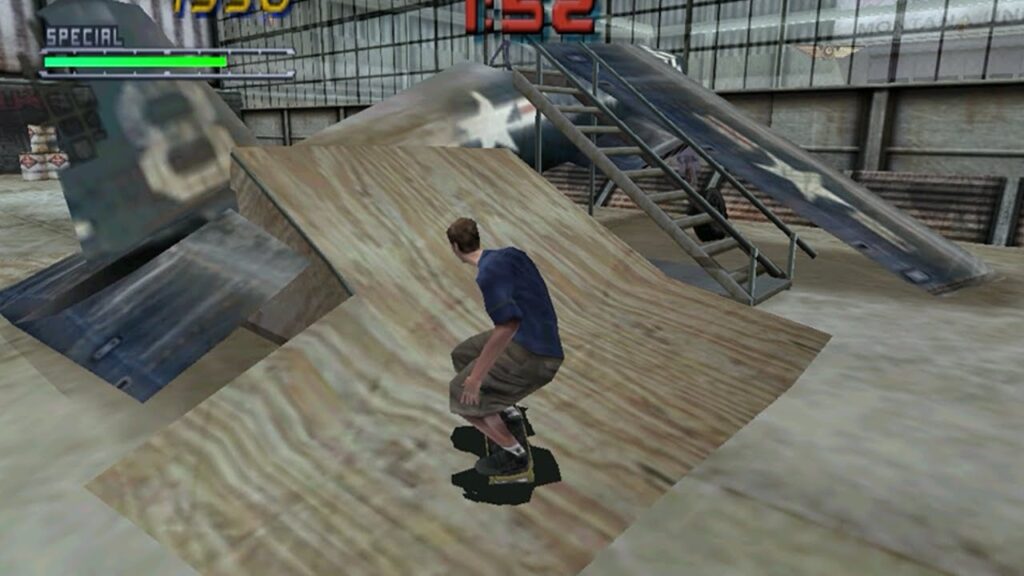
Windows and Mac OS players had yet another experience. Depending on the machine, monitor, controller setup, and settings, the game could look cleaner and sharper than the console versions, but it also depended more on the player’s hardware. For some, this was the premium way to see the game. For others, it lacked the couch-and-controller simplicity that made the console versions feel so immediate.
That is what makes the visual legacy of Tony Hawk’s Pro Skater 2 interesting. The graphics were never just about polygon counts. They were about access. Different platforms gave different players their own doorway into the same skate-culture explosion. Whether you remember the gritty PS1 original, the N64 port, the cleaner Dreamcast version, or a computer monitor running the game in a bedroom or family office, the art direction still did its job: it made every schoolyard, hangar, city block, beach, and bullring feel like a place built to be conquered one combo at a time.
Soundtrack: The Game That Made Your Console Feel Like a Mixtape
The soundtrack is not decoration. It is part of the game’s bloodstream.
Tony Hawk’s Pro Skater 2 understood something that more games should have learned from: music can turn mechanics into memory. When the right track hits during a good run, the game feels bigger. The combo feels better. The level feels more alive. The whole thing starts to feel like a skate video you are somehow controlling.
The mix of punk, rock, hip-hop, and alternative energy helped introduce players to sounds they may not have found otherwise. For younger players at the time, the game became a gateway. You did not just remember the levels. You remembered the songs. You remembered the exact feeling of trying to land a combo while the soundtrack pushed you forward.
That cultural impact is hard to overstate. This was one of those games that did not merely reflect youth culture. It helped distribute it. It put skate-adjacent music in front of millions of players and made the soundtrack feel inseparable from the gameplay.
Even now, mention Tony Hawk’s Pro Skater 2 to longtime fans and there is a good chance the first thing they remember is not a score or a goal. It is a song kicking in.
Story: The Run Is the Story
There is no grand plot here, and the game is better for it.
The story of Tony Hawk’s Pro Skater 2 is the run. It is the first time you find the secret tape. It is the first time you realize you can connect a manual into a grind. It is the first time you blow a massive combo at the last second and stare at the screen in silence. It is the first time you beat a friend’s score and act like you are not deeply proud of yourself.
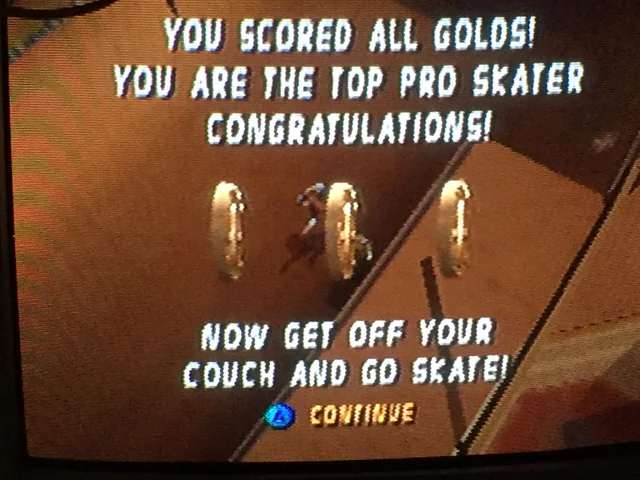
The game creates drama through repetition. Every run has a beginning, middle, and end. Every mistake has consequences. Every clean landing feels earned. Every level goal gives you a reason to come back.
That is old-school arcade storytelling at its purest. No speech needed. No lore dump required. Just a timer, a score, a space, and your own stubbornness.
The Flaws: Still Brilliant, Still a Product of Its Time
Affection should not turn into blindness. The original Tony Hawk’s Pro Skater 2 has rough edges.
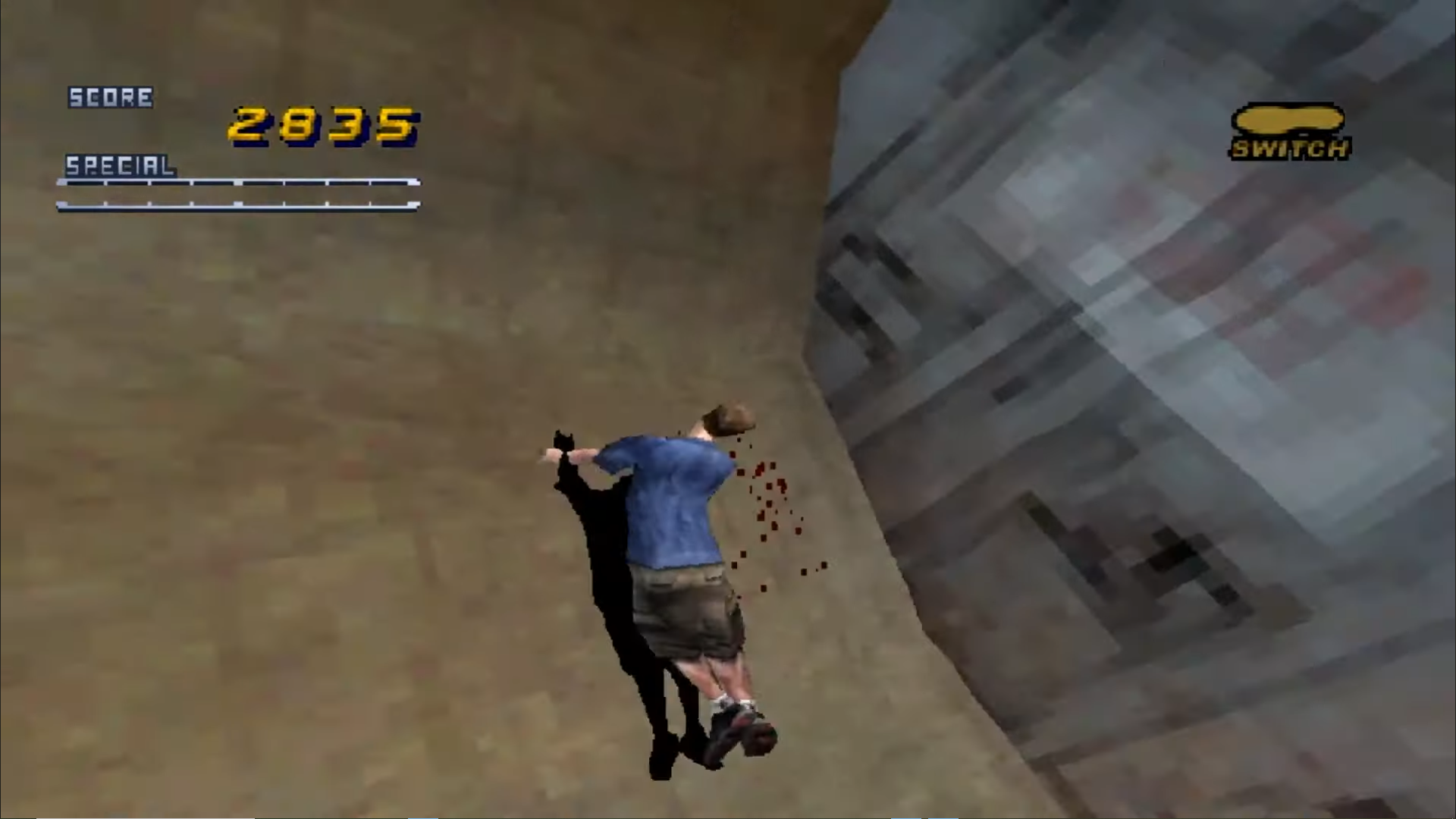
The camera can get awkward, especially when you are close to walls or trying to line up a precise route. Some objectives can feel obscure until you learn the level layout. The two-minute timer is part of the genius, but it can also feel stressful for players who prefer slower exploration. The original physics and movement may feel less forgiving if you are coming from the modern remake.
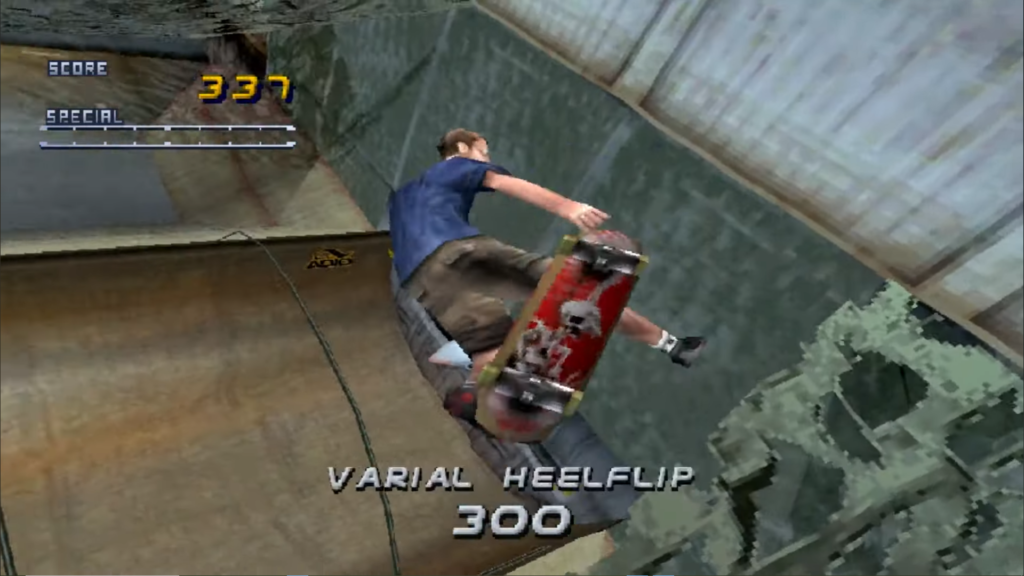
The PS1 version also shows its age visually. Newer players may need a few minutes to adjust to the chunky models and old-school 3D presentation. The game is readable, but it is definitely not smooth in the modern sense.
And while the game is easy to pick up, it does not explain itself the way modern games often do. You learn by trying, failing, restarting, and talking to other players. That was part of the charm in 2000, but it may feel blunt today.
Still, these flaws rarely damage the core experience. They are the scuffs on the deck, not cracks through the board.
Why It Still Matters
Tony Hawk’s Pro Skater 2 still matters because it helped move sports games away from pure simulation and toward style, identity, and expression.
It proved that a sports game could be built around rhythm instead of realism. It proved licensed music could define a game’s personality. It proved short sessions could create long-term obsession. It proved that subculture could be translated into mainstream gaming without losing all of its edge.
It also arrived at a moment when gaming itself was becoming more culturally confident. The medium was no longer just chasing arcades or Saturday morning cartoons. It was pulling from music, street culture, fashion, sports, video editing, and youth identity. Tony Hawk’s Pro Skater 2 stood right in the middle of that shift.
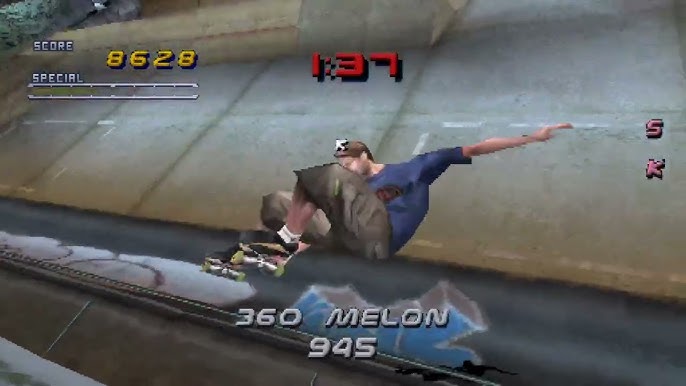
That is why it still feels important. It was not just a great skateboarding game. It was a bridge between gaming and a wider cultural moment.
For players who grew up with it, the game preserves the sound and texture of a very specific era: demo discs, rental cases, translucent controllers, memory cards, skate shoes, schoolyard rumors, and late-night score battles. For newer players, it remains a masterclass in compact design. Every level has a purpose. Every run teaches you something. Every restart feels like a challenge, not a punishment.
Best Way to Play Today
If you want the full nostalgia hit, the original PlayStation version still has its own charm. Pair it with a DualShock controller, a memory card, and a CRT if you want to recreate the real living-room feel. The Dreamcast version is also worth considering if you want a cleaner-looking original-era version. Nintendo 64 collectors have their own port, though soundtrack and presentation differences matter. Handheld versions are historically interesting, but they are not substitutes for the main console experience.
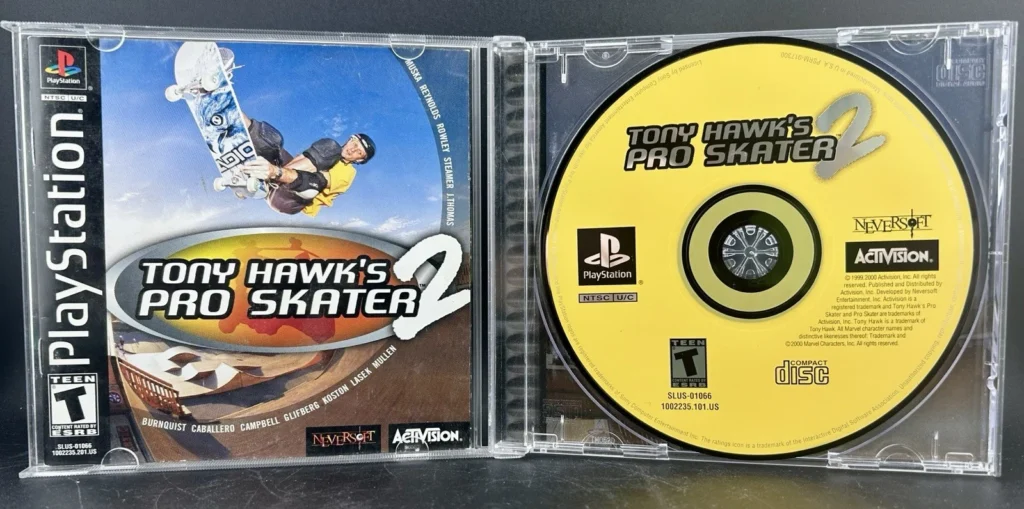
Collectors should be careful but not panicked. The original PS1 version is generally still affordable compared with many retro classics, especially loose or complete standard copies. Sealed copies, black-label condition, manuals, and overall completeness can change the price, so check recent sold listings before buying.
For casual players, younger fan, the easiest way to experience Tony Hawk’s Pro Skater 2 today is through Tony Hawk’s Pro Skater 1 + 2, the modern remastered collection. It gives you updated visuals, smoother performance, modern platform access, and a cleaner way to appreciate the classic level design without needing original hardware.
Worth Revisiting Today?
Yes — but the reason depends on the player.
If you grew up with it, Tony Hawk’s Pro Skater 2 is a time machine. It brings back the pace of turn-of-the-millennium gaming, when a game could be loud, focused, stylish, and endlessly replayable without becoming bloated.
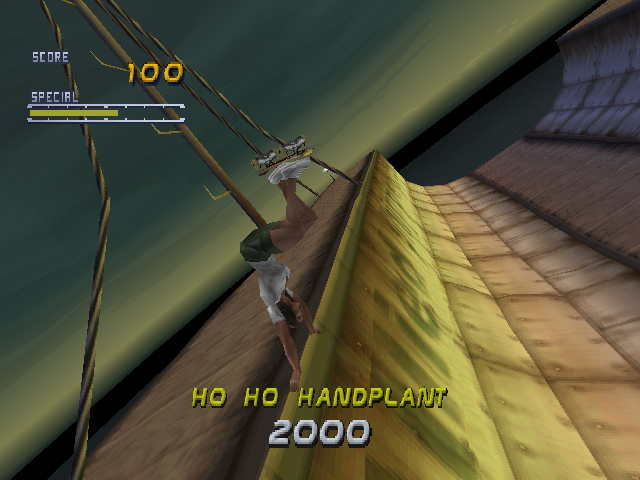
If you missed it the first time, it is still worth studying and playing because its design remains sharp. The levels are compact. The goals are readable. The movement has personality. The soundtrack still defines the mood. The scoring system still creates that dangerous little voice that says, “One more trick.”
New players should start with the remaster unless they specifically want the original feel. Retro fans and collectors should absolutely spend time with the PS1 or Dreamcast version to understand what players actually experienced at the time.
Just do not approach it like a modern open-world sports game. Approach it like an arcade cabinet with a punk-rock heart.
Final Takeaway
Tony Hawk’s Pro Skater 2 is remembered because it made skateboarding feel like a shared language.
It taught players to see the world differently. It made music part of the mechanics. It turned short sessions into long memories. It gave sports games a new attitude and helped prove that style, flow, and cultural authenticity could matter as much as realism.
The game is not flawless. The original version is old, sometimes rough, and clearly built in a different era. But the heart of it still beats hard. Two minutes. One run. A rail you almost hit clean. A score you almost topped. A song that kicks in and pulls the whole memory back.
That is the kind of retro game worth preserving.
Not because it merely “holds up,” but because it still reminds us how powerful a game can be when mechanics, music, culture, and timing all land clean.