Posted on June 15, 2026
Gothic 1 Remake Is Finally Out — And Retro RPG Fans Are Already Arguing in the Best Possible Way
Disclosure: Some of the links in this post are affiliate links. This means if you click on the link and purchase an item, we will receive an affiliate commission at no extra cost to you. All opinions remain my own. I only recommend products or services I believe will add value to my readers.
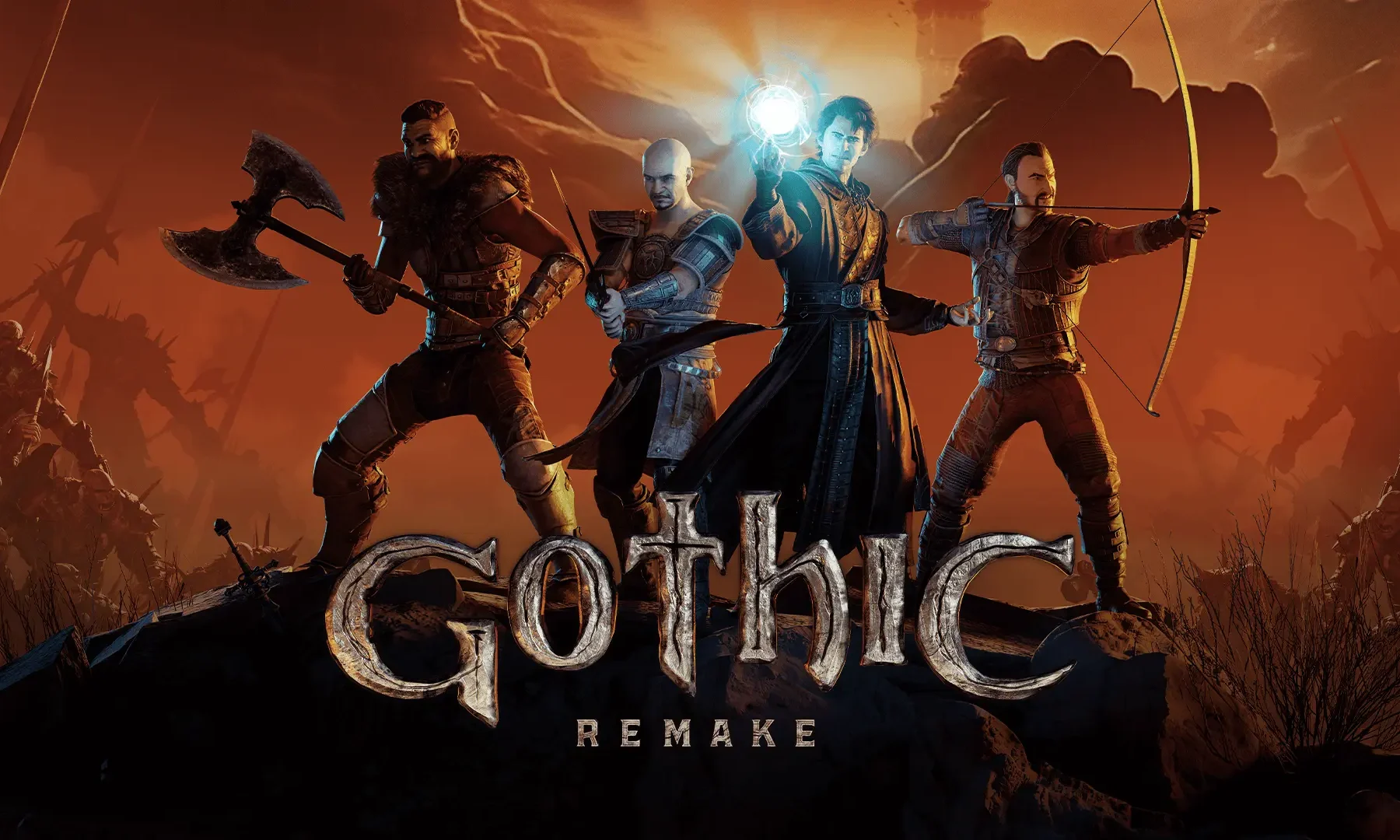
The Gothic 1 Remake is officially out, and for a certain kind of old-school RPG fan, that is not a small headline. THQ Nordic confirmed that the remake launched on June 5, 2026 for PC, PlayStation 5, and Xbox Series X|S, with Alkimia Interactive rebuilding the 2001 cult classic in Unreal Engine 5 while trying to preserve the original game’s harsh atmosphere, faction-driven structure, and famously unfriendly sense of freedom.
THQ Nordic and Alkimia Interactive have brought the brutal 2001 cult RPG back from the Valley of Mines, and the early reaction is exactly what you would expect from Gothic fans: excited, skeptical, impressed, and very concerned about the jank.
That last part matters. Gothic 1 was never the polite fantasy RPG that gently tapped you on the shoulder and asked if you wanted to save the kingdom. It threw you into a prison colony, punched you in the face, told you to figure things out, and then let the local wildlife finish the lesson. For fans who still miss that strange, dangerous, early-2000s PC RPG energy, the remake is a big deal.
And judging by the early response, the big conversation is not simply “Is it good?” It is more specific than that: Did Alkimia actually preserve what made Gothic Gothic, or did the remake modernize too much or not enough?
Gothic 1 Remake: What We Know So Far
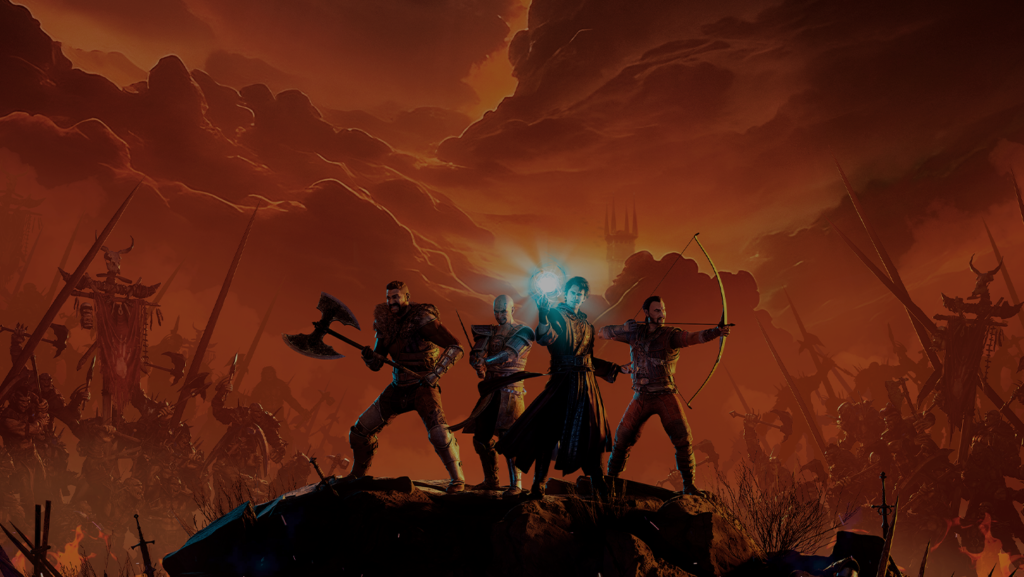
The confirmed basics are clear. Gothic 1 Remake is available now on PC, PS5, and Xbox Series X|S. It was developed by Alkimia Interactive and published by THQ Nordic, with the official launch announcement describing it as a full Unreal Engine 5 rebuild that remains faithful to the original game’s atmosphere, story, and harsh charm.
Steam lists the game as an Action RPG, with single-player support, Steam achievements, Steam Cloud, and a downloadable demo. As of the latest Steam listing captured, user reviews were marked very positive, with 80% of 3,506 English-language user reviews positive.
The official site highlights several pillars of the remake: a handcrafted open world, dynamic NPC routines, a living environment where inhabitants work, sleep, eat, and fight, and a modernized combat system designed to update the original’s mechanics while keeping the brutal tone intact.
A physical copy is also part of the launch conversation. THQ Nordic’s launch post points readers to a standard physical edition through its EU Store and notes that more order options are available through the official Gothic website.
Why This Release Matters to Retro RPG Fans
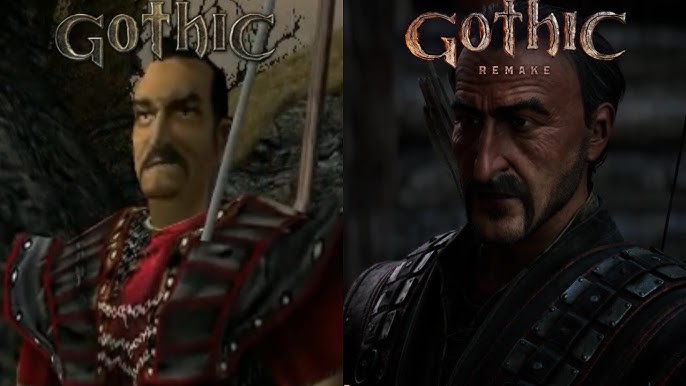
To understand why people are watching this remake so closely, you have to remember where Gothic 1 sits in RPG history.
The original game arrived in 2001, before many modern open-world RPG expectations had hardened into formula. It was not built around glowing map markers, endless checklist content, or frictionless fast travel. It was built around danger, reputation, factions, routines, and the feeling that the world existed whether you were ready for it or not.
PC Gamer’s review frames that history well, pointing out that the original appealed to players who found even later RPGs like Morrowind too accommodating. The remake keeps that stubborn identity: no minimap-style handholding, no easy fast travel structure, and a world that expects players to pay attention.
That is why Gothic 1 Remake lands differently from a normal remake. This is not just a prettier version of an old game. It is a test case for whether a developer can revive a cult classic without sanding off the weird edges that made people love it in the first place.
Retro fans have seen plenty of remakes that look beautiful but lose the soul. Gothic’s soul is the hard part. The mud, the danger, the camps, the cranky NPCs, the bad decisions, the “why did I wander into this forest?” panic — all of that is part of the texture.
Early Fan and Critic Reaction: Cautious Excitement Meets Classic Gothic Pain
The early reaction appears to be split in a very Gothic way: many players are glad the remake feels faithful, while others are frustrated that some of the old-school roughness survived the rebuild.
On Steam, the broad user response is positive so far, with the listing showing very positive reviews at the time captured. That suggests a strong early player base is responding well to the remake’s approach, even if individual complaints around difficulty, performance, or design friction are part of the conversation.
Critics are landing in a similar place, though with more caution. GamesRadar+ called it a strong remake of an influential RPG, praising the visual overhaul, tough but rewarding gameplay, and story, while also criticizing repeated NPC barks, frustrating quests, and jank that does not always feel charming.
PC Gamer was more reserved, scoring it 60 and arguing that the remake remains deeply committed to Gothic’s grim, punishing identity. The review praised some combat and control improvements but criticized bugs, performance issues, NPC weirdness, and certain new frustrations such as the lockpicking minigame.
That reaction is important because it tells us something honest: Gothic 1 Remake is not being received like a safe, glossy crowd-pleaser. It is being received like a Gothic game. For longtime fans, that may actually be reassuring. For newcomers, it is a warning label.
The Biggest Changes and Improvements Over the Original
The most obvious change is visual. The remake has been rebuilt in Unreal Engine 5, and both official material and early reviews emphasize the massive environmental upgrade. The Valley of Mines now has denser scenery, modern lighting, more detailed characters, and a stronger sense of weather, mud, decay, and danger.
Combat is another major change. The original Gothic’s combat system was famously awkward, especially for players who did not grow up with early-2000s PC RPG control schemes. The remake updates combat with smoother controls, more varied enemy attacks, and better ranged aiming. PC Gamer specifically noted that attack animations still improve as your character learns skills, preserving the feeling of growing from useless prisoner to competent fighter, but the controls are better overall.
That progression arc is crucial. Gothic was never about starting as the chosen one. You began as a nobody. You swung badly. You got beaten up. You ran from animals that would be low-level trash mobs in other RPGs. The remake seems to understand that the humiliation is part of the design.
The world simulation also remains central. THQ Nordic’s official description emphasizes NPC routines, reactive behavior, rival camps, and a world that does not scale politely around the player.
There are also practical modern improvements: Steam lists achievements, cloud support, and controller-related PC features through the current release page.
But this is not a remake that turns Gothic into Skyrim. The lack of handholding is still part of the sales pitch. THQ Nordic’s own launch copy makes that plain: no glowing trails, no enemies magically scaling to your level, and nothing stopping you from walking into a place that is way too dangerous.
What Still Feels Old-School — For Better and Worse
This is where the reaction gets interesting.
The remake improves visuals, combat flow, controls, and presentation, but it does not fully remove Gothic’s old-school hostility. That means the game can still feel refreshing, but also exhausting.
GamesRadar+ praised how rewarding the remake can be once players push through its difficulty, but the review also called out contrived quest logic, repeated dialogue barks, and jank that tests patience.
PC Gamer was even blunter about bugs and NPC behavior, describing examples of odd NPC placement, weird animations, repeated behaviors, and crashes reported by coworkers. The review also argued that the remake is still best suited for players who actively enjoy old-school, unforgiving RPG design.
That is probably the fairest read right now: Gothic 1 Remake appears to be a faithful modernization, not a total comfort pass.
For some retro fans, that is the whole appeal. For others, especially younger players coming in from smoother modern RPGs, this may feel like being handed an old PC game magazine demo disc and told, “Good luck, kid.”
Why Retro Fans Should Care
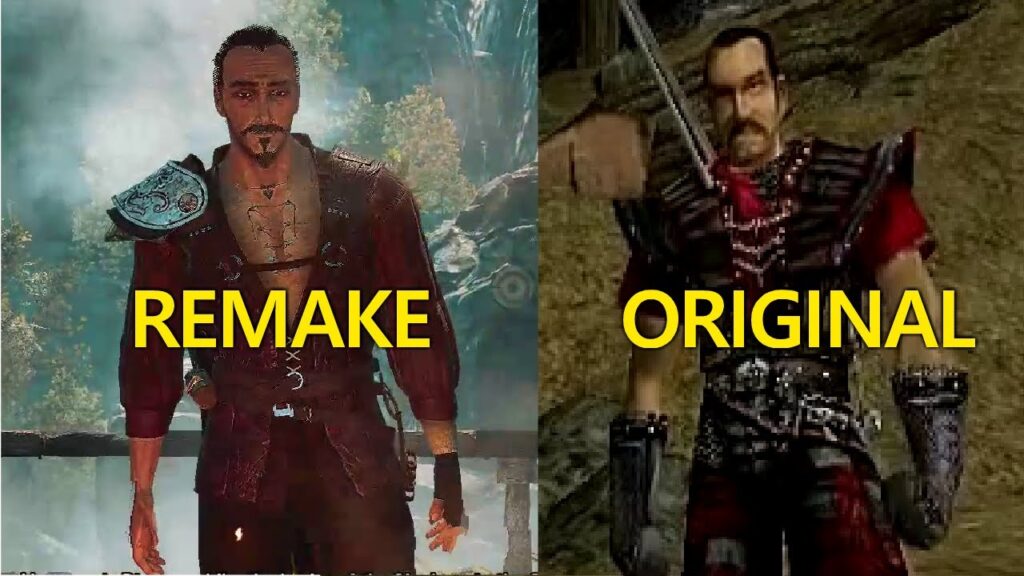
The Gothic 1 Remake matters because it is part of a bigger retro revival question: How much should old games change when they come back?
Some remakes rebuild everything. Some remasters barely touch anything. Gothic is walking the hardest road: trying to modernize a game whose awkwardness, danger, and refusal to explain itself are part of its identity.
That makes it especially meaningful for fans of PC RPG history. Gothic was never as mainstream in North America as some console RPGs or Bethesda titles, but in Europe and among hardcore RPG fans, it became one of those “you had to be there” games — the kind passed around through forums, fan patches, word-of-mouth recommendations, and late-night conversations about games that actually trusted players to get lost.
For preservation-minded players, the remake also helps pull attention back to the original. A good remake does not erase the old version. It gives people a doorway into it. Someone may discover the remake, get curious, and then go back to see what the original was really like.
That matters. Retro gaming is not just about keeping cartridges and discs on shelves. It is about keeping game design memory alive.
What This Means for Players and Collectors
For players, the decision is pretty simple: Gothic 1 Remake is worth watching closely if you love old-school RPGs that make you earn every inch of progress.
This does not sound like the best pick for someone who wants a relaxing fantasy checklist game. It sounds more like a game for players who enjoy friction, atmosphere, faction politics, strange NPCs, and worlds that are not designed around constant convenience.
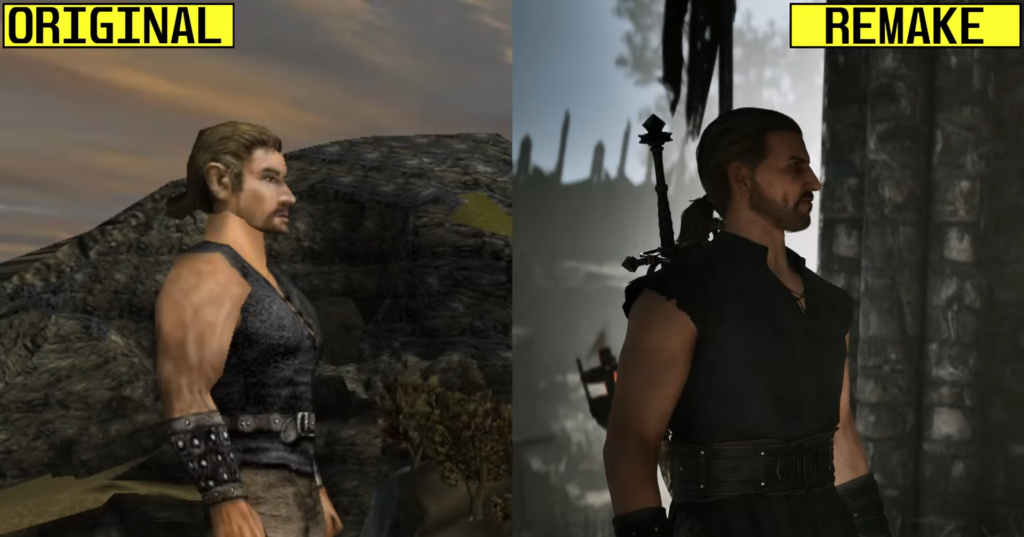
For collectors, the physical release is the item to monitor. THQ Nordic has confirmed physical copy options through its store and official site, but collectors should avoid panic buying or assuming rarity without evidence.
The smarter move is to watch availability, regional editions, console versions, and whether any special or limited editions become meaningfully scarce over time. There is no need to invent urgency here. Gothic fans are passionate, but that does not automatically mean every physical copy becomes a collector’s item.
The original Gothic 1 Big Box Collector’s Edition is already a serious collector piece, with PriceCharting showing a recent completed sale at $1,670, so fans interested in owning the original should compare prices carefully before jumping in.
Best Way to Play Today
The easiest modern route is the remake on PC, PS5, or Xbox Series X|S, depending on your setup. PC players get storefront flexibility through Steam and GOG links listed by THQ Nordic, while console players can jump in on current-generation hardware.
If you are curious but cautious, the Steam page also lists a downloadable demo, which is a good move for a game this specific. Gothic’s design is not for everyone, and there is no shame in testing the waters before buying.
For the full nostalgia hit, players may also want to compare the remake with the original Gothic 1, which remains available on modern PC storefronts. And if this release has you hungry for more classic role-playing without paying collector prices, our guide to Retro RPGs That Are Cheaper Than You Think is a good next stop.
What We Still Don’t Know
There are still a few things worth watching.
First, patches. Early reviews mention bugs, crashes, NPC issues, performance tradeoffs, and some quality-of-life frustrations. PC Gamer specifically noted crash reports and issues with NPC behavior, while also pointing to the rough lockpicking experience.
Second, long-term player sentiment. Steam’s early user review rating is positive, but launch-week impressions can shift as more players reach later chapters, experience bugs, or compare the remake more deeply against the original.
Third, collector movement. Physical options are confirmed, but value, scarcity, and edition desirability will take time to settle. Nobody should treat this like a guaranteed investment piece right now.
Final Thoughts: The Colony Is Back, Bruises and All
The best thing about the Gothic 1 Remake reaction is that it does not feel sanitized. People are not just clapping because an old name returned. They are arguing about whether the remake preserved the right pain, fixed the right problems, and kept enough of the original’s strange identity intact.
That is exactly the kind of conversation a cult RPG revival should create.
Gothic was never built for everyone. It was built for players who like being dropped into a hostile world and forced to listen, learn, fail, reload, and eventually carve out a place for themselves. If the remake can bring that feeling to modern hardware while giving new players a fighting chance, then this release already matters.
Not because it is perfect. It clearly is not.
It matters because one of PC gaming’s great weird, stubborn, beloved RPGs is back in the conversation and the Valley of Mines still looks ready to chew up anyone who walks in unprepared.