Posted on October 31, 2026
6 Creepy PS2 Games That Still Haunt Us Today
A dead wife sends a letter. A ghost drifts toward you while you desperately try to focus a camera. Somewhere inside a sprawling castle, footsteps announce that your pursuer has found you again.
Welcome back to PlayStation 2 horror.
The PS2 generation produced some of the scariest retro horror games, and many of its most unsettling experiences remain remarkably effective more than two decades later. Not because their graphics rival modern horror, but because their developers understood something more important: fear thrives when players lose control of a situation.
From psychological mysteries to supernatural survival, these six games used sound, limited visibility, unusual mechanics, and deeply uncomfortable storytelling to make players dread what might happen next.
We’ve ranked them by the effectiveness of their horror, the distinctiveness of their design, and what they still offer players today.
Some have aged more gracefully than others. All six have something worth saying about what makes video games frightening.
6. The Suffering (2004) — When Violence Becomes the Nightmare
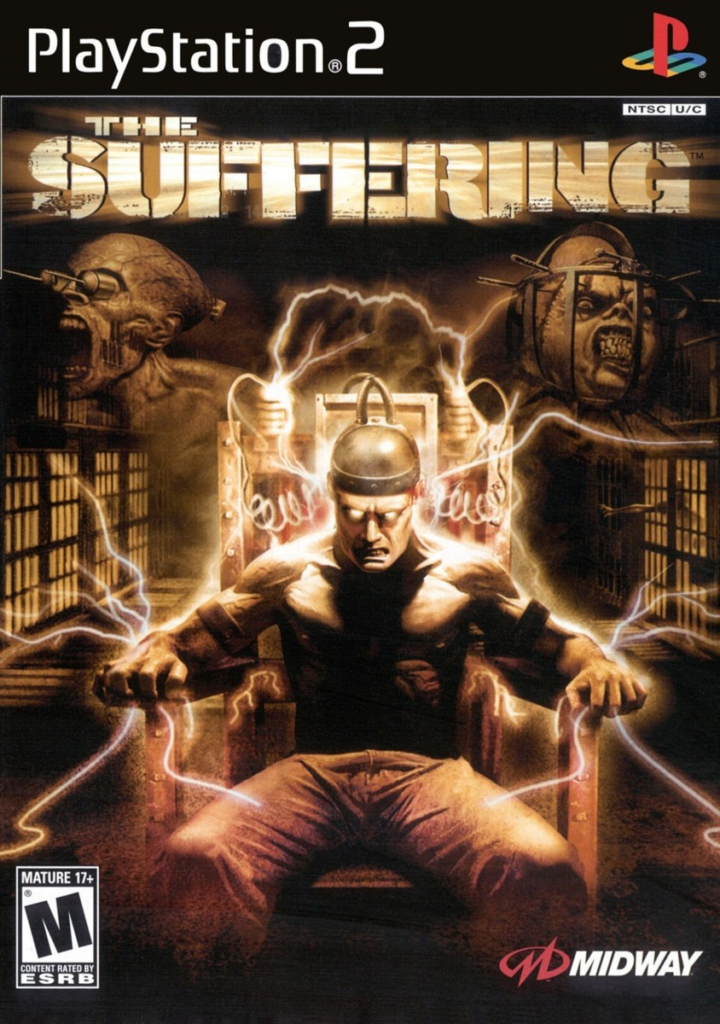
Platform: PlayStation 2 | Developer: Surreal Software
Prison is already a frightening place. Now imagine being trapped inside one when creatures inspired by its history of executions begin slaughtering everyone around you.
That’s the situation facing Torque, the condemned prisoner at the center of The Suffering.
Imprisoned for the murders of his wife and children, Torque begins the game with a deeply uncertain personal history. As supernatural creatures overrun Carnate Island’s prison, he must fight his way through an environment filled with violence, disturbing visions, and reminders of his supposed crimes.
What distinguishes The Suffering from more traditional survival horror is its aggressive approach to combat.
Instead of encouraging players to flee every encounter, the game provides firearms and other weapons to fight back. Torque can even transform into a powerful creature using his Insanity Meter.
But this ability isn’t a free escape from danger. His transformed state is temporary, and remaining in it too long can drain his health to a fatal point.
That creates an interesting contradiction. Violence helps Torque survive, yet violence is also the source of the game’s most uncomfortable questions.
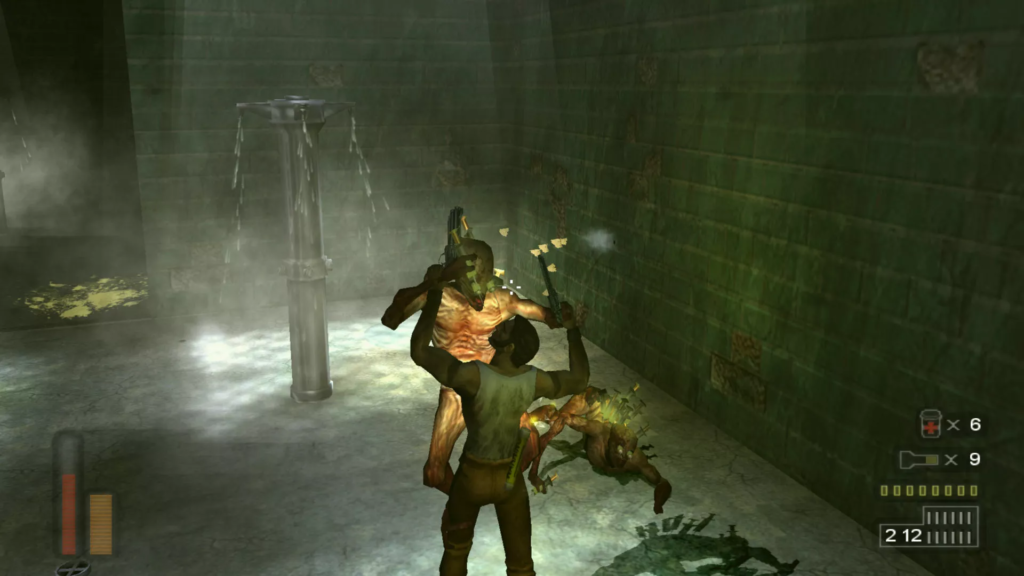
The enemy designs deepen that relationship. Creatures reference methods of execution, including lethal injection and firing squads, making the prison’s history feel physically embedded in its monsters.
Your treatment of other characters also affects Torque’s moral standing and the story’s outcome.
The drawback is that The Suffering often feels more like a supernatural action game than a conventional survival horror experience. Plenty of ammunition and regular combat encounters can make its monsters less intimidating once you understand their behavior.
That tension between combat and survival connects The Suffering to a broader tradition of classic shooters that test your reflexes and your nerves. The difference is that The Suffering wants its violence to leave you questioning the character behind the trigger.
Still, its combination of creature design, moral choices, and psychological uncertainty deserves recognition.
Why it still haunts us: The prison’s monsters are frightening, but the possibility that Torque himself belongs among them makes the story more disturbing.
5. Rule of Rose (2006) — The Cruelty of Childhood
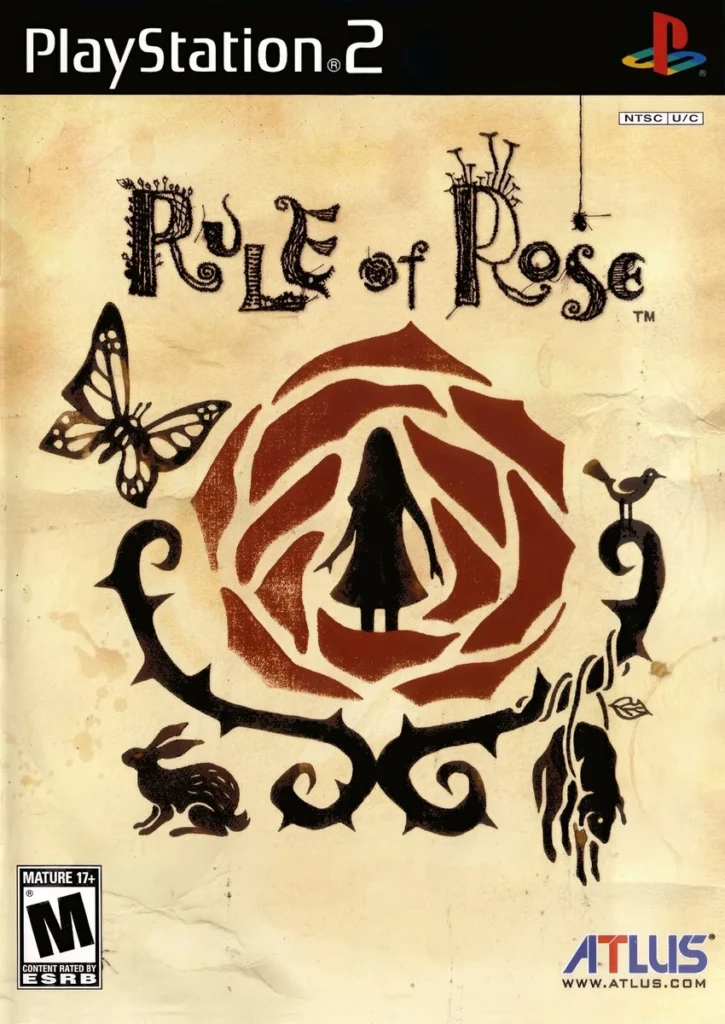
Platform: PlayStation 2 | Developer: Punchline
Most horror games have the decency to give you a monster you can recognize.
Rule of Rose makes things considerably more uncomfortable by placing much of its horror in the behavior of children.
Set against a disturbing, storybook-inspired vision of 1930s England, the game follows Jennifer, a young woman caught in a bizarre hierarchy ruled by the Red Crayon Aristocrats.
These children enforce strange rituals, assign status through arbitrary rules, and subject Jennifer to humiliation and intimidation.
It’s an unsettling premise because the cruelty rarely feels random. The game’s social hierarchy turns belonging into something that can be granted, withdrawn, or weaponized.
Jennifer’s lack of authority is reinforced by the gameplay. She isn’t an action hero who can simply overpower everyone threatening her. Much of her time is spent exploring, searching, and trying to understand a world that refuses to explain itself.
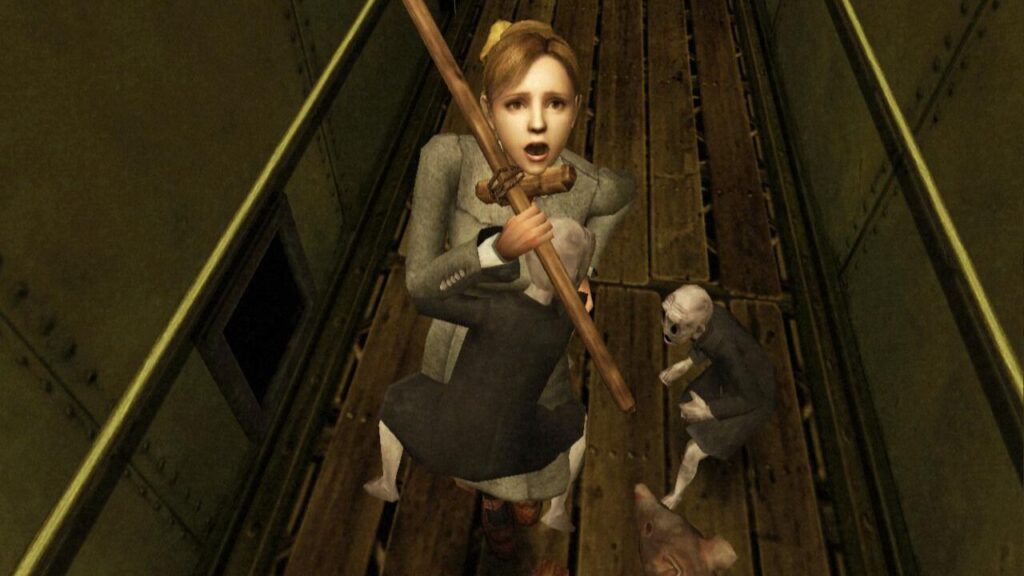
Her dog, Brown, becomes an important companion. By following scents and locating objects, he helps Jennifer navigate the environment and gives players a practical relationship to rely on.
That small measure of companionship matters in a game otherwise defined by hostility.
Unfortunately, Rule of Rose is also an example of how ambitious storytelling can be undermined by frustrating mechanics.
Its melee combat is awkward, enemy encounters can become tedious, and the experience occasionally demands more patience than the narrative seems to justify.
These aren’t insignificant complaints. Anyone interested primarily in responsive combat should approach this one with caution.
But beneath those limitations is a horror story with an unusually uncomfortable understanding of bullying, exclusion, and the damage people can inflict on one another.
Why it still haunts us: Rule of Rose makes childhood innocence feel like a fragile illusion, exposing the cruelty that can hide beneath rituals, games, and social hierarchies.
4. Haunting Ground (2005) — Every Footstep Could Be Your Last
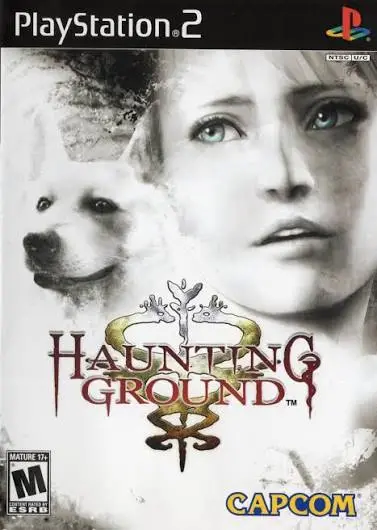
Platform: PlayStation 2 | Developer: Capcom
There’s a particular kind of horror that comes from realizing you’re being hunted.
Not confronted by an enemy waiting in a room. Not challenged by a monster with an obvious weak point.
Hunted.
Haunting Ground builds nearly its entire experience around that distinction.
You play as Fiona Belli, a young woman who awakens inside a mysterious castle following a car accident. She quickly discovers that the people inhabiting the castle have sinister intentions toward her.
Unlike characters in more combat-oriented horror games, Fiona has limited ways to defend herself. Evasion, hiding, and avoiding confrontation are generally safer than attempting to fight.
Her greatest ally is Hewie, a white German Shepherd who accompanies her throughout the adventure.
Hewie can retrieve objects, assist with puzzles, and attack pursuers. But the game doesn’t treat him as an automatic solution to every problem. Players must communicate with him and develop a dependable relationship through commands and encouragement.
This creates one of the game’s most memorable dynamics: survival depends on cooperation rather than firepower.
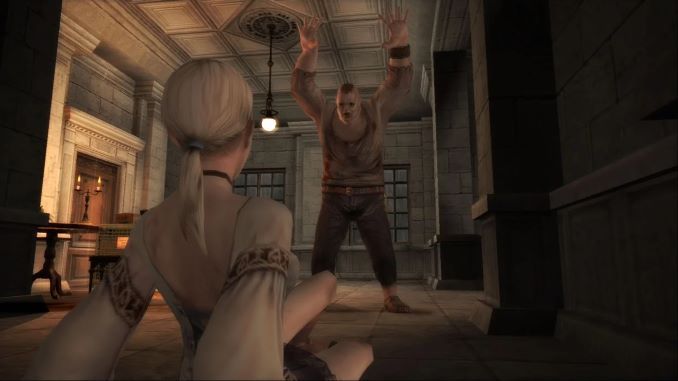
And then there’s the Panic system.
When Fiona becomes severely frightened, visibility deteriorates and she may begin running involuntarily, making it harder to navigate the environment. Panic can turn an already dangerous pursuit into a disastrous loss of control.
That’s a particularly effective piece of horror design.
In many games, danger simply lowers your health. In Haunting Ground, danger can interfere with your ability to respond.
The downside is that its pursuit sequences can become repetitive. Backtracking through the castle while trying to avoid an attacker may eventually feel exhausting rather than frightening.
Nevertheless, its combination of vulnerability, companionship, and mechanically represented fear gives Haunting Ground a personality few horror games have replicated.
Why it still haunts us: You don’t need an elaborate monster encounter when the sound of an approaching pursuer is enough to make you reconsider entering the next hallway.
3. Siren (2003/2004) — What If the Monster Could See You?
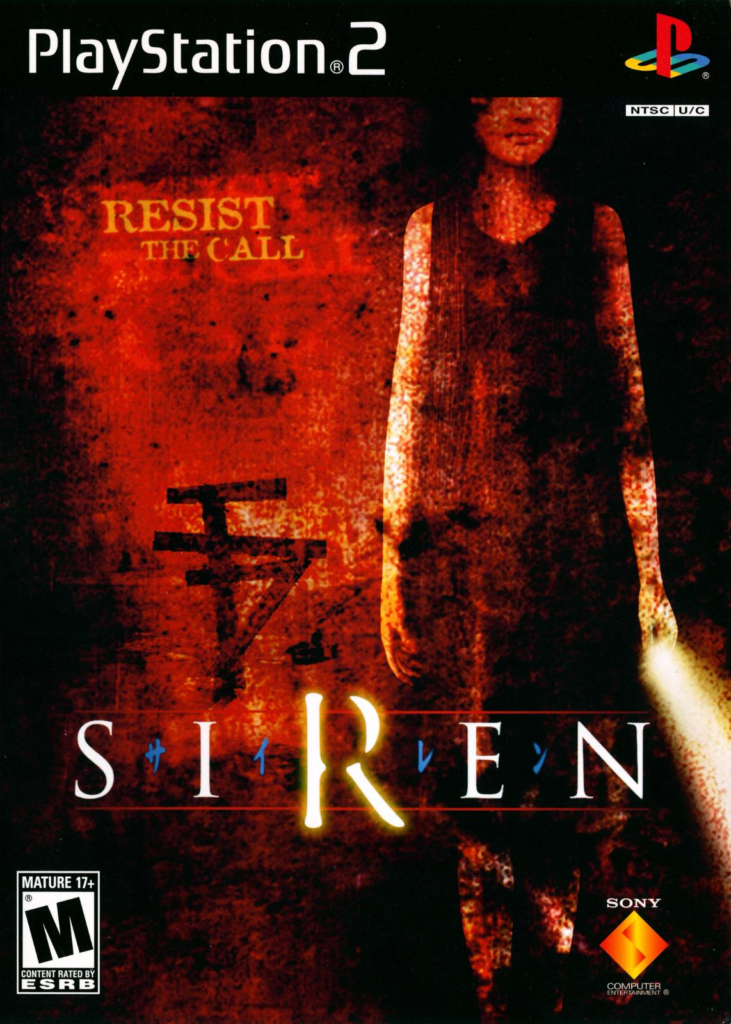
Platform: PlayStation 2 | Original Japanese release: 2003; North American release: 2004 | Developer: Japan Studio
Imagine hiding from something dangerous, then suddenly seeing the world through its eyes.
You notice an empty corridor. A doorway. A familiar landmark.
And then you realize exactly where the creature is standing.
Siren builds an entire horror experience around that deeply uncomfortable idea.
Set in the remote Japanese village of Hanuda, the game follows multiple characters caught in a supernatural catastrophe. The village’s inhabitants have transformed into Shibito, terrifying beings whose appearance and behavior blur the boundary between the living and the dead.
Unlike enemies that simply wander toward the player, Shibito can appear disturbingly attached to ordinary activities and familiar locations.
That makes Hanuda feel less like an abandoned monster-filled setting and more like a community whose daily existence has become horribly distorted.
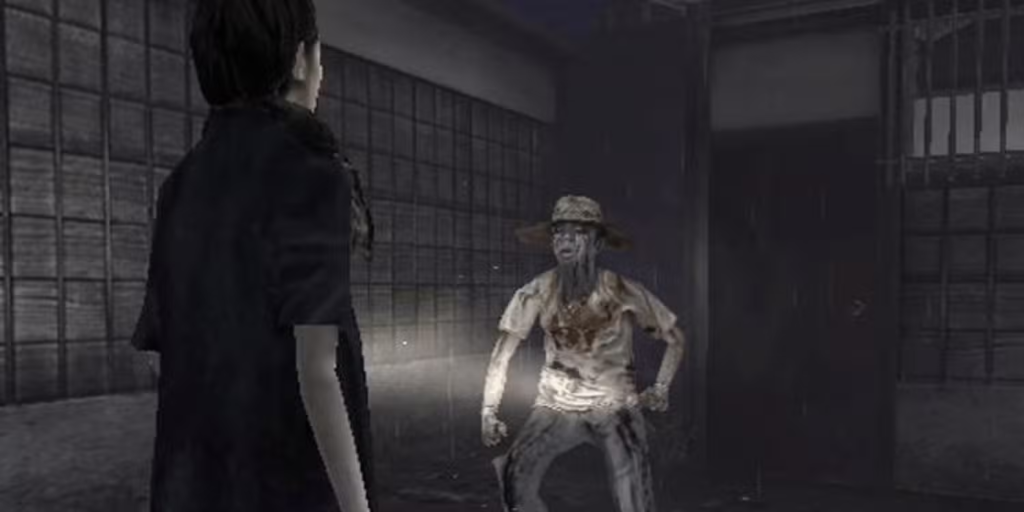
But the game’s defining innovation is Sightjacking.
This mechanic allows you to see through the eyes of other characters, including enemies. By observing a Shibito’s vision, you can determine where it’s looking, track its movements, or identify a possible route around danger.
Sometimes that perspective reveals something even worse: the enemy is looking toward the place where you’re hiding.
It’s a fascinating inversion of conventional horror.
Most games reward gathering information because knowledge gives players control. Siren makes knowledge unsettling because understanding the danger doesn’t necessarily provide the means to escape it.
The game’s interconnected scenarios reinforce this disorientation. Multiple protagonists experience different parts of the catastrophe, and understanding the larger story requires piecing together events across their separate perspectives.
Unfortunately, Siren can be unforgiving.
Its objectives aren’t always intuitive, some scenarios require considerable trial and error, and the difficulty can discourage players who prefer more forgiving modern horror games.
But its unusual mechanics and uncompromising atmosphere make it one of the PS2’s most distinctive experiments in fear.
Why it still haunts us: Sightjacking lets you see the world through a monster’s eyes, but that knowledge only makes you more aware of how vulnerable you are.
2. Fatal Frame II: Crimson Butterfly (2003) — You Have to Look at the Ghost
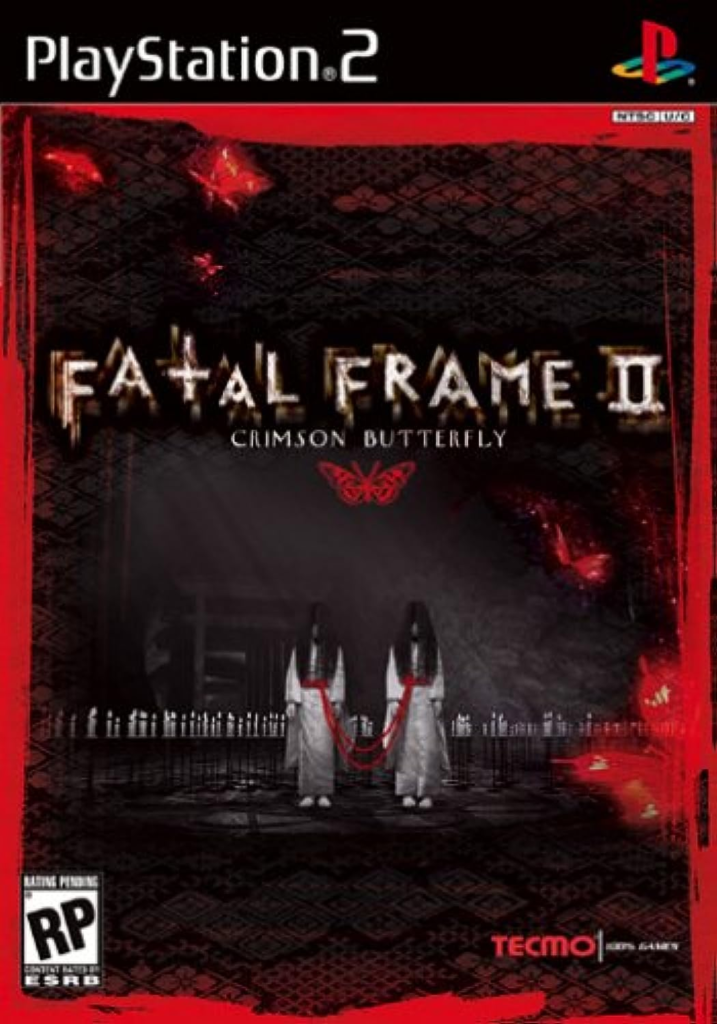
Platform: PlayStation 2 | Original release: 2003 | Developer: Tecmo
Most people confronted by a vengeful ghost would probably run.
Fatal Frame II: Crimson Butterfly asks you to do something considerably less sensible.
Stand your ground. Raise a camera. And wait.
The game follows twin sisters Mio and Mayu Amakura, who become trapped in Minakami Village, an eerie settlement haunted by restless spirits and the legacy of a disturbing ritual.
Exploring the village means wandering through traditional Japanese buildings, darkened rooms, and narrow passages where the next ghost could appear without warning.
But the game’s greatest achievement is the Camera Obscura.
Rather than relying on conventional weapons, Mio uses this supernatural camera to photograph and repel hostile spirits.
It’s a simple premise with a brilliant consequence: to defeat an enemy, you have to look directly at it.
And often, the most effective photographic opportunities occur when the spirit is dangerously close.
That transforms combat into a nerve-racking exercise in timing.
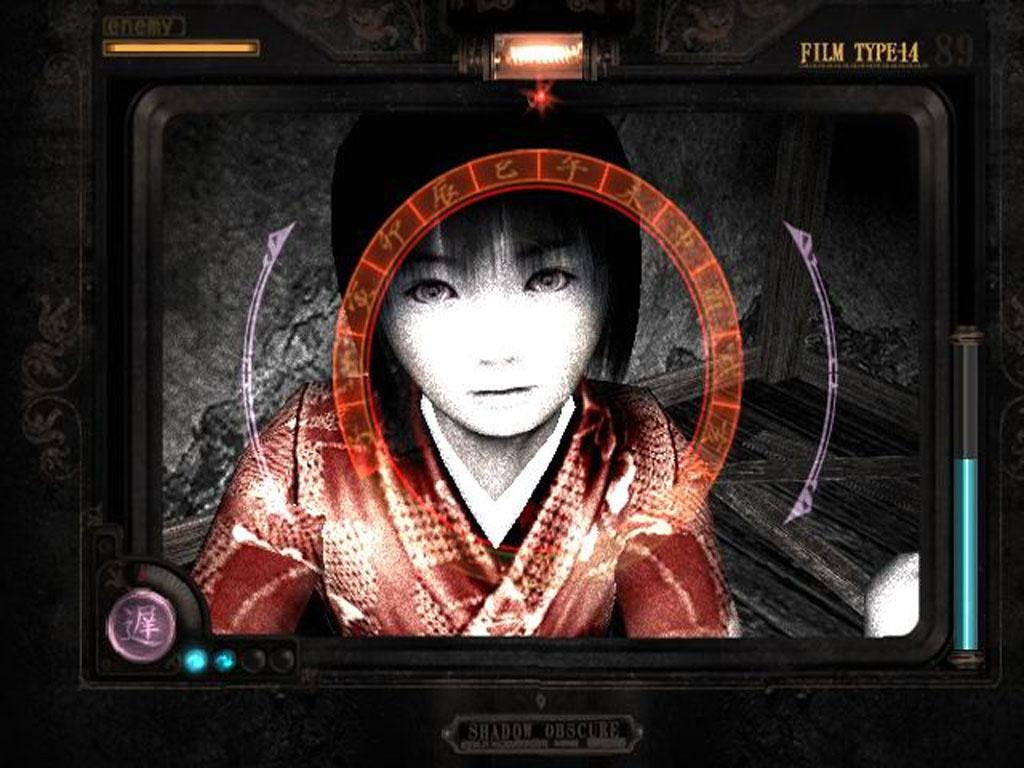
You watch a ghost approach through the viewfinder, waiting for a stronger opportunity to strike. Taking the photograph early may keep you safer, but delaying can provide a more effective attack while increasing your exposure.
The resulting tension is unlike the satisfaction of firing a shotgun at an approaching zombie.
Here, the action required to survive is almost the same action your fear tells you to avoid.
The relationship between Mio and Mayu gives those encounters additional emotional weight. The village isn’t simply an obstacle course filled with ghosts. It’s a place where the sisters’ bond becomes entangled with the terrible history surrounding them.
The original game does have limitations. Its fixed camera perspectives, movement controls, and deliberate pacing require adjustment, particularly for players accustomed to modern third-person horror.
Yet those limitations rarely undermine the idea at its core.
Why it still haunts us: Fatal Frame II turns looking at the monster into the central act of survival. It makes courage feel less like bravery and more like the terrifying decision to wait another second.
1. Silent Hill 2 (2001) — Some Monsters Come From Within
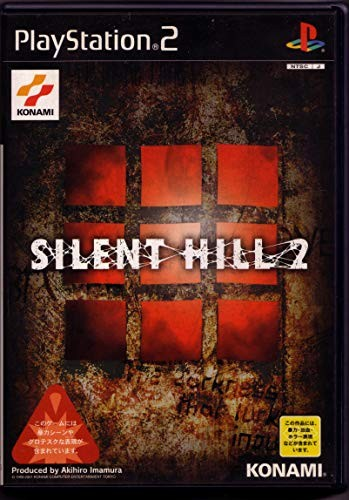
Platform: PlayStation 2 | Original release: 2001 | Developer: Team Silent / Konami
A man receives a letter from his dead wife.
She wants him to meet her in the town where they once shared happier memories.
With that simple premise, Silent Hill 2 begins one of the most unsettling journeys in video game history.
James Sunderland arrives in Silent Hill searching for his wife, Mary. What he finds is a town submerged in fog, filled with disturbing creatures and people whose experiences seem connected by grief, suffering, and deeply personal secrets.
At first, the familiar mechanics suggest conventional survival horror.
You explore buildings, solve puzzles, conserve supplies, and fight monsters with whatever weapons you can find.
But Silent Hill 2 becomes far more interesting when you recognize that the town’s horror isn’t limited to the threats occupying its streets.
Consider its use of fog.
On a practical level, fog restricts visibility and prevents players from comfortably surveying their surroundings. As an atmospheric device, it also makes the town feel disconnected from the ordinary world, as though reality itself is withholding information.
Then there’s the sound.
Akira Yamaoka’s soundtrack and the game’s unsettling industrial ambience make even relatively uneventful stretches of exploration uncomfortable. Silence becomes suspicious. Mechanical noises suggest dangers whose origins aren’t immediately clear.
The game’s creature designs deepen that unease.
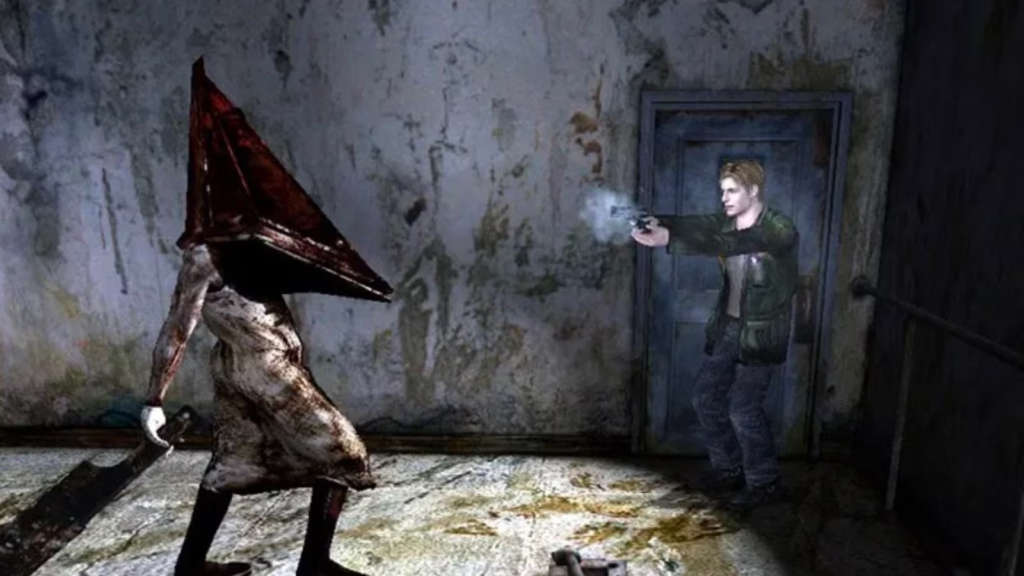
Pyramid Head, in particular, is memorable not simply because of his appearance, but because his presence feels connected to James in a way that ordinary monsters do not.
As the story unfolds, the relationship between James’s emotional state and the horrors surrounding him becomes increasingly difficult to ignore.
A compelling reading of Silent Hill 2 is that its monsters and environments externalize emotions the characters cannot comfortably confront. The game’s symbolism invites interpretation rather than requiring every creature to have a single simple explanation.
That uncertainty is part of its strength.
Silent Hill 2 also benefits from its willingness to slow down.
Its empty streets and uncomfortable pauses give players time to anticipate something terrible. Unlike games that maintain constant pressure through combat, Silent Hill 2 often allows dread to accumulate before anything directly threatens you.
Of course, the original PS2 release isn’t mechanically flawless.
Combat can feel cumbersome, navigation requires patience, and some puzzles interrupt the emotional momentum. Players approaching it after contemporary horror games may find those elements unnecessarily awkward.
But the experience remains remarkable for the way it connects its atmosphere, story, sound, and character psychology.
Fatal Frame II arguably offers the more immediately frightening combat system. Siren has the more unusual perspective mechanic. Haunting Ground represents helplessness through direct gameplay systems.
Silent Hill 2 earns the top position because all of its strongest elements work toward the same disturbing question: what happens when someone is forced to confront a truth they would rather bury?
Why it still haunts us: Silent Hill 2 makes fear personal. Its greatest horror isn’t merely what James encounters in the town, but what those encounters gradually reveal about him.
Where Can You Play These PS2 Horror Games Today?
Revisiting these games isn’t always as easy as selecting them from a modern digital storefront.
Some have received official conversions or remakes, while others are primarily accessible through older physical editions.
The uneven availability of these classics highlights why retro game re-releases matter more than ever. Preserving a physical disc is important, but preserving the ability to actually experience the game matters just as much. When older titles remain inaccessible outside aging hardware and secondhand markets, an important part of gaming history becomes harder for new generations to discover.
Siren offers one of the most convenient options. Its official PS4 and PS5 release includes rewind, quick saves, and enhanced presentation features, making its demanding original design easier to approach without fundamentally replacing the PS2 game.
Fatal Frame II: Crimson Butterfly received a full remake on March 12, 2026, for PlayStation 5, Xbox Series X|S, Nintendo Switch 2, and PC through Steam. The remake significantly changes graphics, controls, audio, and gameplay. It’s an accessible modern interpretation, not the identical 2003 experience.
Silent Hill 2 also received a full remake, originally released on PS5 and PC in October 2024. Its over-the-shoulder camera, expanded environments, and revised combat make it substantially different from the original PlayStation 2 release.
For Rule of Rose and Haunting Ground, collectors can seek out original PS2 discs, although they should check the region, condition, completeness, and compatibility before buying. Modern licensed digital options should be independently confirmed rather than assumed.
The Suffering received PC and original Xbox editions alongside its PS2 release. However, the PC version was delisted from GOG in September 2024, and older PC installations can present compatibility challenges on modern Windows systems.
If you’re planning to revisit these games on original hardware, your television also deserves consideration. The PS2 generation was designed around displays quite different from today’s flat panels, which is why CRT TVs remain popular among retro gaming enthusiasts. A period-appropriate display can contribute to the original visual presentation, although modern televisions and suitable video equipment offer more convenient alternatives.
If you’re interested in collecting, prioritize trusted sellers and confirm exactly which edition you’re purchasing. A loose disc, complete boxed copy, imported edition, and modern remake can represent very different ways to experience the same game.
And if your real goal is simply discovering the story, an official modern release may be considerably more practical than rebuilding an entire PS2 setup.
Why PS2 Horror Still Gets Under Our Skin
The PlayStation 2’s horror library demonstrates just how many ways developers could make players uncomfortable.
The Suffering used violence to question the protagonist’s identity. Rule of Rose exposed cruelty beneath childhood rituals. Haunting Ground transformed fear into a loss of control, while Siren made seeing through an enemy’s eyes feel dangerous.
Fatal Frame II forced players to confront ghosts directly. Silent Hill 2 asked them to confront something far more personal.
Their graphics may belong to another generation, but the ideas behind their horror remain fascinating.
That’s what makes these games worth revisiting. Not simply because they frightened players years ago, but because they reveal how thoughtfully designed mechanics, atmosphere, and storytelling can create fear without relying on technology alone.
Which PS2 horror game frightened you the most? And which overlooked nightmare deserves a place on this list?