
Posted on September 28, 2026
The Last Ninja and James Pond Are Returning on Evercade
Disclosure: Some of the links in this post are affiliate links. As an Amazon Associate we earn from qualifying purchases. This means if you click on the link and purchase an item, we will receive an affiliate commission at no extra cost to you. All opinions remain our own. We only recommend products or services we believe will add value to our readers.
Two very different pieces of British gaming history are getting new physical collections this December — and one of them is an especially interesting preservation package for fans of classic home computers.
If your retro gaming memories involve Commodore 64 loading screens, Amiga platformers, Atari ST disks or wondering how a fish named James Pond somehow became a legitimate video game mascot, Evercade has two new cartridges aimed squarely at you.
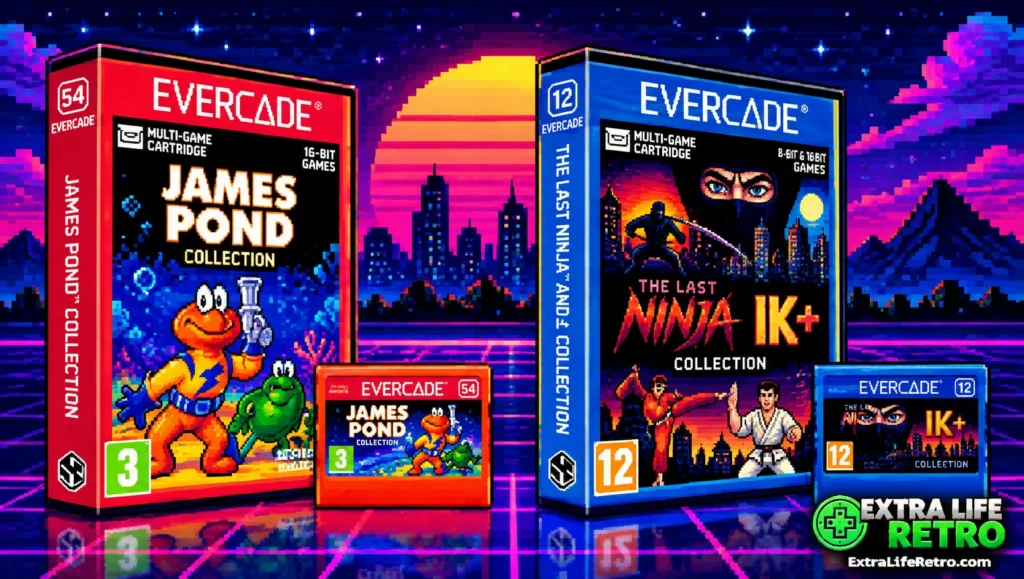
Blaze Entertainment has officially confirmed The Last Ninja & IK Collection and the James Pond Collection for Evercade, with both physical cartridges scheduled for release on December 4, 2026. Preorders opened September 24 following an earlier retailer leak that revealed the collections ahead of schedule.
And these aren’t simply two more random bundles pulled from the retro vault.
Together, the collections revive several games strongly associated with the British home-computer scene of the 1980s and early 1990s — including The Last Ninja, International Karate, IK+, James Pond and, of course, James Pond 2: Codename RoboCod.
For Evercade collectors, that’s already noteworthy. For preservation-minded retro gamers, however, The Last Ninja & IK Collection may be the more interesting release because it includes multiple computer versions of several games rather than treating them as interchangeable.
What We Know So Far
Both collections are officially licensed physical Evercade cartridges and are scheduled for December 4, 2026.
The U.S. price is listed at $29.99 per cartridge, with UK pricing at £24.99.
The Last Ninja & IK Collection
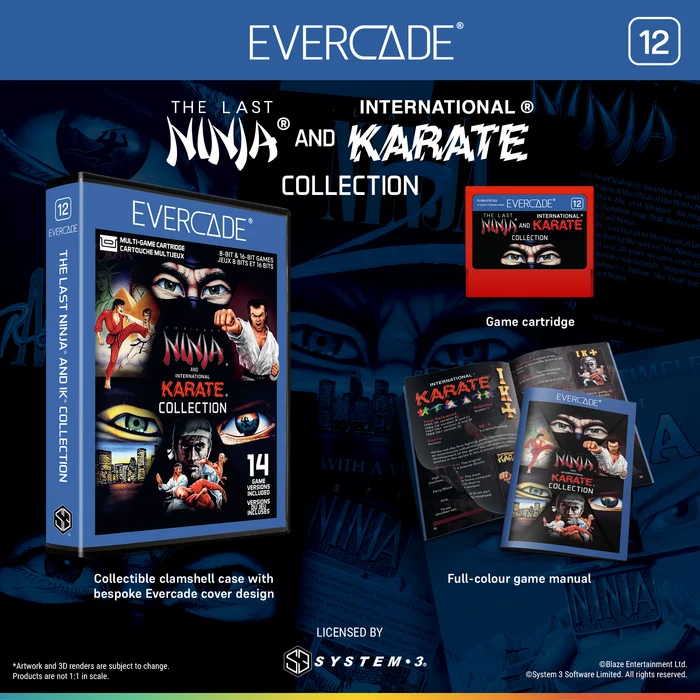
This is part of Evercade’s Home Computer Collection and gathers 14 versions of games from System 3’s Last Ninja and International Karate franchises.
The lineup includes:
- The Last Ninja
- Last Ninja 2: Back With a Vengeance
- Last Ninja 3
- Ninja Remix
- International Karate
- IK+
That list doesn’t immediately explain how Evercade gets to 14, and that’s where things become interesting.
Several games are represented by different versions from the Commodore 64, Atari ST and ZX Spectrum, turning the cartridge into something closer to a small snapshot of European home-computer gaming than a conventional six-game compilation.
James Pond Collection

The James Pond Collection is cartridge #54 in Evercade’s Home Console Collection and includes four 16-bit games:
- James Pond: Underwater Agent
- James Pond 2: Codename RoboCod
- James Pond 3: Operation StarFI5H
- The Aquatic Games Starring James Pond and the Aquabats
The cartridge is compatible with Evercade and HyperMegaTech Super Pocket hardware and comes in Evercade’s familiar physical format with a clamshell case and printed manual.
One important distinction: this shouldn’t be confused with James Pond Legacy: The Pond Is Not Enough, a separate System 3 project.
Yes, after decades of relatively little James Pond activity, we have somehow reached the point where keeping track of competing James Pond collections requires clarification.
Retro gaming is wonderful.
Why The Last Ninja Returning Matters
If you came into gaming through Nintendo, Sega or PlayStation, The Last Ninja might not carry the same instant recognition as Metroid, Ninja Gaiden or Castlevania.
For Commodore 64 players, that’s a very different story.
Released in 1987, System 3’s The Last Ninja combined isometric environments with combat, exploration and adventure-game elements at a time when that combination could feel remarkably ambitious.

Its presentation was a huge part of the attraction. The environments looked striking for the hardware, while the soundtrack helped establish an atmosphere that C64 players still remember decades later.
The game also became a major commercial success. Contemporary and retrospective sources have cited millions of copies sold, although the exact figures have varied over the years. System 3 founder Mark Cale has claimed approximately four million sales for the original.
Whatever number you accept, its importance to the C64 era is difficult to miss.
And that’s precisely why Evercade’s decision to include different computer versions is valuable.
Retro games didn’t always have one definitive version.
A game on Commodore 64 could look, sound and sometimes feel noticeably different from its Atari ST or ZX Spectrum counterpart. Those differences were part of being a computer gamer in the 1980s.
Your machine mattered.
Seeing several of those versions preserved side by side makes the cartridge useful not merely as a convenient way to replay the games, but as a way to explore how the same title changed as it moved between hardware.
Don’t Overlook International Karate and IK+
The ninjas will probably grab the headline, but International Karate and IK+ deserve their share of attention.
International Karate originally appeared on the ZX Spectrum in 1985 before spreading across numerous home-computer platforms. The Commodore 64 version was developed by Archer Maclean, who would later become one of the best-known figures in British game development.
Its sequel, IK+, arrived in 1987 and became another memorable fixture of the home-computer era.
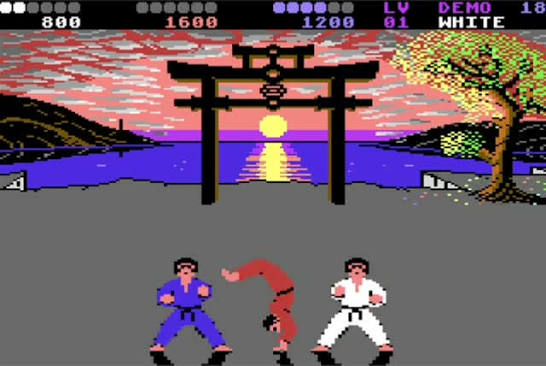
Putting the karate games alongside The Last Ninja makes historical sense. Rather than being a collection tied to one character, the cartridge effectively becomes a System 3 martial-arts showcase from a period when European computer development had its own unmistakable identity.
That’s a slice of gaming history that doesn’t receive nearly as much mainstream attention as the Japanese console story of the same period.
Evercade is giving it a physical home.
Meanwhile, James Pond Is Swimming Back Into View
Then there’s James Pond.
The original James Pond: Underwater Agent debuted in 1990, developed by Vectordean and published by Millennium Interactive, with Electronic Arts publishing the Genesis version. Designer Chris Sorrell originally developed the project before Millennium managing director Michael Hayward suggested the gloriously ridiculous “James Pond” name.
But the character really found his footing with James Pond 2: Codename RoboCod.
For players who experienced European gaming during the early 1990s, RoboCod is the game most likely to trigger the nostalgia.

Bright graphics. Enormous levels. Christmas imagery. A fish wearing a robotic suit whose body could stretch vertically across the screen.
It was exactly the kind of slightly bizarre mascot platformer the early 1990s seemed capable of producing without anyone questioning it.
The Evercade collection also includes Operation StarFI5H and the sports spin-off The Aquatic Games, meaning all four classic James Pond releases are represented on one cartridge.
That makes this less about rediscovering one universally acclaimed masterpiece and more about preserving an entire quirky franchise from a very particular moment in gaming history.
And there’s something appealing about that.
Not every retro series worth preserving needs to be Mario or Sonic.
Sometimes it’s the weird second-tier mascots, experimental computer games and franchises that disappeared when the industry changed that tell us the most about what gaming actually felt like at the time.
Why Retro Fans Should Care About These Evercade Collections

These cartridges highlight one of Evercade’s strongest ideas: old games deserve context as well as accessibility.
There are countless ways to emulate older software today. Purely from a technical standpoint, getting many games from the 1980s and 1990s running on modern hardware isn’t particularly difficult.
Officially licensed, organized physical releases are something different.
Evercade gives collectors a cartridge, case and manual while providing players with a relatively straightforward way to explore older libraries without maintaining original computers, aging floppy disks, CRT displays and decades-old peripherals.
The Last Ninja collection goes one step further by treating different computer conversions as historically meaningful versions.
That’s important.
If preservation becomes exclusively about saving the “best” version of every game, we risk losing part of what made early gaming fascinating in the first place.
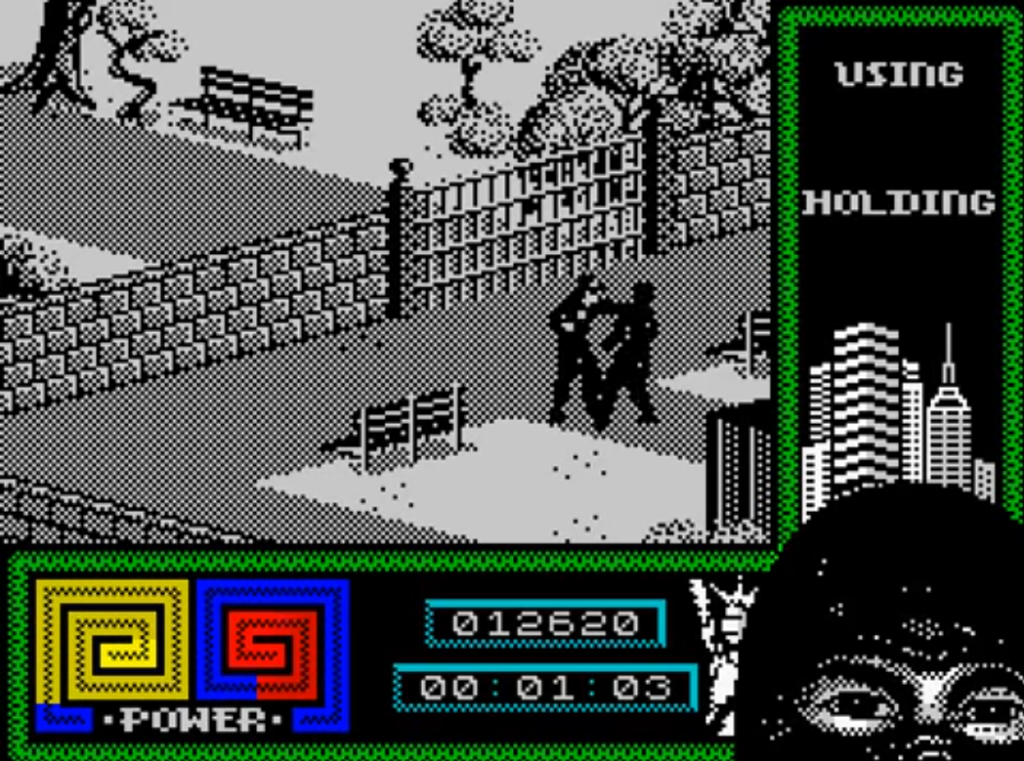
A Spectrum conversion isn’t simply an inferior Commodore 64 version.
It’s a Spectrum game.
The limitations, compromises, sound and graphical differences are part of its history.
Being able to move between versions of Last Ninja 2 or International Karate on the same modern device gives younger players a surprisingly accessible window into that era.
What This Means for Evercade Collectors
For existing Evercade owners, the decision probably comes down to what kind of nostalgia you’re chasing.
The Last Ninja & IK Collection looks particularly attractive for fans of Commodore 64, ZX Spectrum and Atari ST gaming or anyone interested in comparing classic computer versions.
James Pond Collection has a different appeal. It’s a compact physical archive of one of the more recognizable — and undeniably stranger — mascot franchises of the 16-bit period.
Neither cartridge needs to be treated as an automatic purchase.
At $29.99 each, players without a connection to these franchises may want to watch gameplay first, particularly because games designed around the conventions of 1980s home computers can feel very different from modern action games.
But for the right audience, that’s also the attraction.
These aren’t modern games wearing pixel-art costumes.
They’re artifacts from the real thing.
Best Way to Play Today
If you’ve been curious about The Last Ninja or James Pond but don’t already own the original hardware, these Evercade cartridges offer a convenient officially licensed option when they launch.
Original copies remain appealing as collectibles, particularly for anyone building a Commodore 64, Atari ST, Amiga or Genesis/Mega Drive library, but collecting original software introduces the usual questions of condition, hardware availability and cost.
For someone primarily interested in playing the games, rather than owning a period-correct copy, the Evercade releases may be the simpler route.
And if you don’t already own Evercade hardware, don’t buy an entire ecosystem solely for these two cartridges without first looking at the broader library. The value proposition makes much more sense if several Evercade collections interest you.
What We Still Don’t Know
The big details — games, pricing, physical format, compatibility and December 4 release date — are now confirmed.
The more interesting unanswered questions concern the experience itself.
How faithfully will each version reproduce the quirks of its original platform? How well will the home-computer controls translate to Evercade’s controller layout? And will these games remain enjoyable for players encountering them without decades of nostalgia doing some of the work?
Those are questions we’ll only be able to answer properly once the cartridges are in players’ hands.
For now, though, this is another encouraging example of retro preservation extending beyond the same handful of universally famous console games.
The Last Ninja, International Karate and James Pond belong to a different branch of gaming’s family tree — one filled with C64s, Spectrums, Atari STs, Amigas, floppy disks and wonderfully strange ideas.
On December 4, another little piece of that history gets a new cartridge.
And we’re very happy that someone is still making room on the shelf for it.