Posted on May 27, 2026
Sonic the Hedgehog 2 Review: The Game That Made Speed Feel Like Magic
Disclosure: Some of the links in this post are affiliate links. This means if you click on the link and purchase an item, we will receive an affiliate commission at no extra cost to you. All opinions remain my own. We only recommend products or services we believe will add value to my readers.
Speed had a new name. The Genesis had its mascot. And Sonic 2 made the 16-bit era feel unstoppable.
A warm, nostalgic look back at Sonic the Hedgehog 2, the Sega Genesis favorite that gave us Tails, Chemical Plant Zone, Super Sonic, and a whole lot of after-school bragging rights.
There are some games that do not just sit in your memory. They move.
For a lot of us, Sonic the Hedgehog 2 is one of those games. You do not simply remember playing it; you remember the feeling of it. That first blast through Emerald Hill Zone. The blue sky. The checkerboard hills. The loop-de-loops. The music bouncing around the room while the Genesis controller sat warm in your hands. Sonic was not just running across the screen. He felt like he was dragging the entire 16-bit era forward with him.
If the first Sonic the Hedgehog was Sega kicking the door open, Sonic 2 was Sega walking in with sunglasses on.
This was the game that made Sonic feel bigger, faster, cooler, and somehow more complete. It gave him a sidekick. It gave us the Spin Dash. It gave us bigger zones, sharper set pieces, a two-player mode, and one of the most unforgettable final boss stretches in Genesis history. And for a generation of kids caught in the middle of the Sega vs. Nintendo console wars, Sonic 2 was not just a game. It was evidence.
Evidence that your Genesis was cool.
Evidence that Sega had attitude.
Evidence that speed could be its own kind of magic.
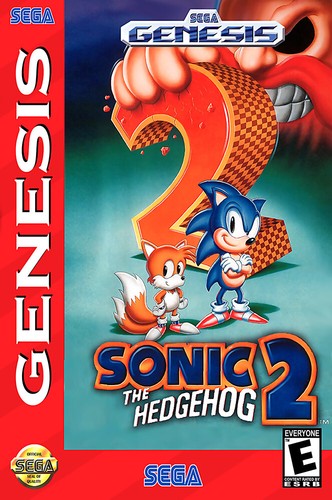
At a Glance
Platform: Sega Genesis / Mega Drive
Released: 1992 in North America and Europe / 1992 in Japan
Genre: High-speed 2D platformer
Vibe: Bright blue-sky speed, Genesis attitude, catchy music, and pure 16-bit Saturday morning energy
You’ll Love It If: You enjoy fast platforming, colorful zones, hidden routes, memorable music, and classic Sonic momentum
Maybe Skip If: You prefer slower precision platformers or get frustrated by sudden hazards and late-game difficulty spikes
Best Way to Play: Original Sega Genesis hardware, Sonic Origins Plus, SEGA AGES Sonic 2 on Switch, or Nintendo Switch Online + Expansion Pack for quick modern access
A Game That Felt Like the Future in 1992
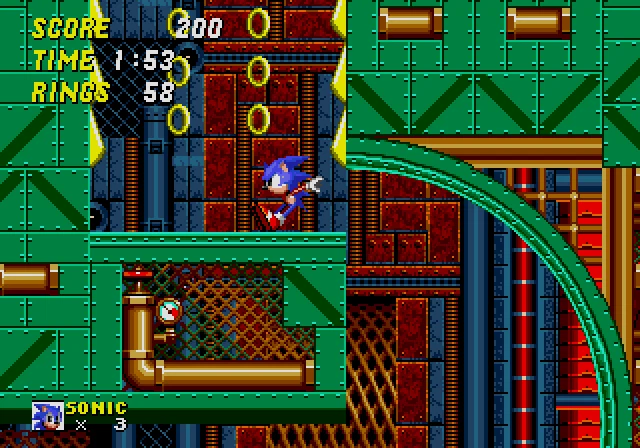
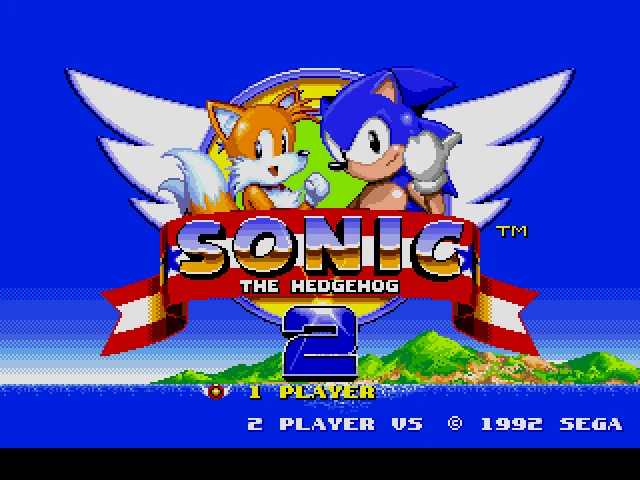
Released for the Sega Genesis in 1992, Sonic the Hedgehog 2 arrived at exactly the right moment. The original Sonic had already made Sega a household name, but the sequel felt like the real explosion. This was the game you saw in commercials, in magazines, on rental shelves, and in the living rooms of friends who were just a little too proud of owning a Genesis.
And honestly? They had reason to be.
Sonic 2 looked and sounded like confidence. Everything about it had that early-’90s Sega swagger. The colors were bright, the music was funky, the movement was wild, and the whole thing seemed designed to make your older relatives say, “How do you even follow what’s happening?”
That was part of the thrill.
Back then, a game feeling “fast” was not just a mechanical feature. It was a personality. Sonic was not cautiously hopping around like a traditional platform hero. He was tearing through hills, bouncing off enemies, launching into the sky, and occasionally slamming into spikes because you got way too cocky. Sonic 2 understood that speed was exciting because it was slightly dangerous. You always felt one second away from greatness or disaster.
And then there was Tails.
Miles “Tails” Prower was such a perfect addition that it is hard to imagine Sonic without him now. For younger siblings, cousins, or friends who were not quite ready to take the lead, Tails was the ultimate couch co-op compromise. Player two could jump in, fly around, collect rings, get hit, disappear off-screen, come back like nothing happened, and still feel involved. It was chaotic. It was messy. It was hilarious. It was also one of the most charming multiplayer memories on the Genesis.
A lot of us did not call it “asymmetrical co-op” back then. We just called it, “Fine, you can be Tails.”
Emerald Hill Zone: The Perfect First Impression
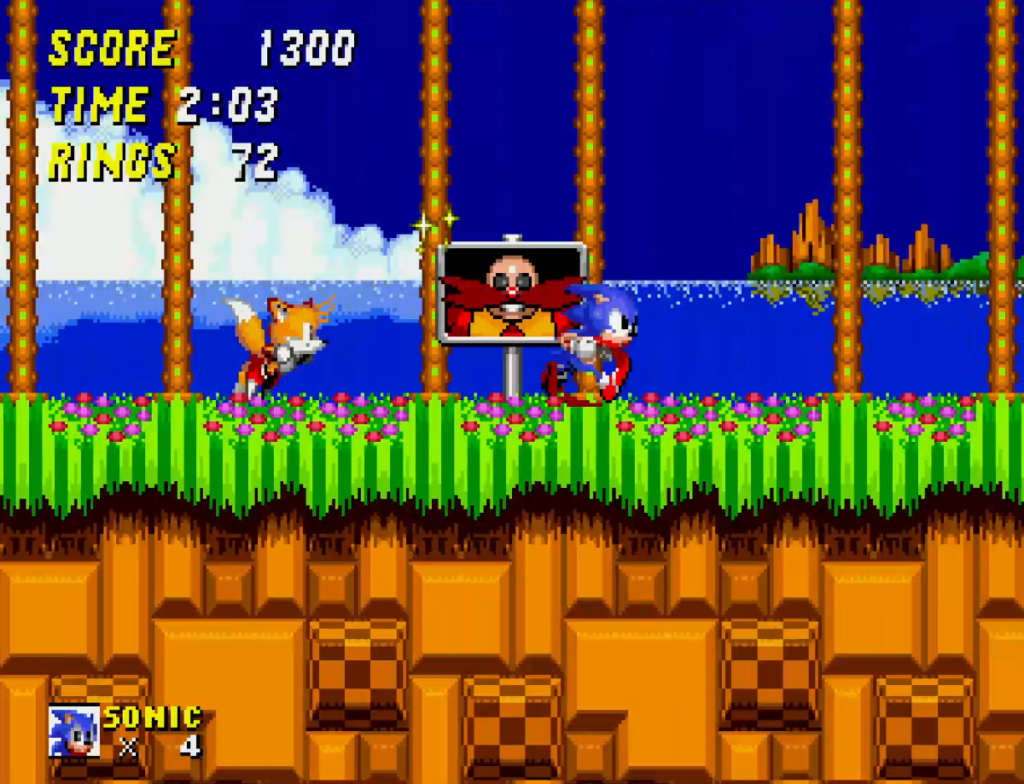
Every great Sonic game needs a first level that tells you exactly what kind of ride you are in for, and Emerald Hill Zone nails it.
It is not just a level. It is a welcome mat.
That music kicks in, the palm trees sway, the colors pop, and suddenly you are off. You roll through tunnels, launch through loops, bounce off springs, and feel like the game is encouraging you to show off before you even know what you are doing. Emerald Hill is friendly, but it is not boring. It teaches you through momentum, rhythm, and curiosity.
It also has that classic Sonic magic where the level feels bigger than the screen. You can run along the bottom route, fly across the high route, stumble into secrets, or accidentally discover some new path because you hit a spring at the right angle. Sonic 2 made you feel like the world had layers, even if you were just trying to survive long enough to reach Robotnik.
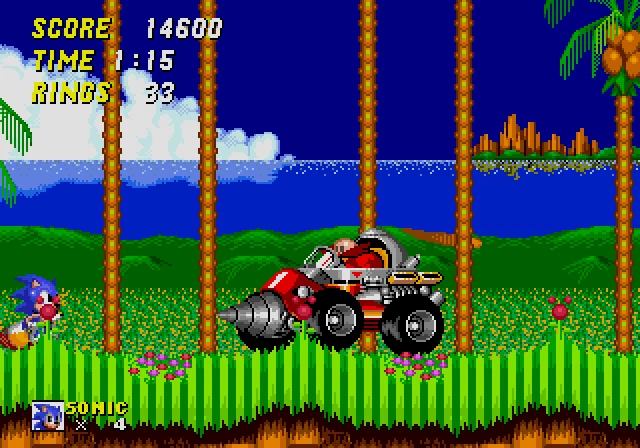
And speaking of Robotnik, that first boss is still burned into memory. The drill car. The back-and-forth movement. The feeling that you had this guy figured out after a couple of jumps. It was not the hardest fight, but it was the perfect Saturday morning cartoon villain moment. You beat him, the animals pop free, and for a second everything feels right with the world.
Then the game sends you to Chemical Plant Zone and reminds you that joy can turn into panic real quick.
Chemical Plant Zone and the Blue Water Nightmare
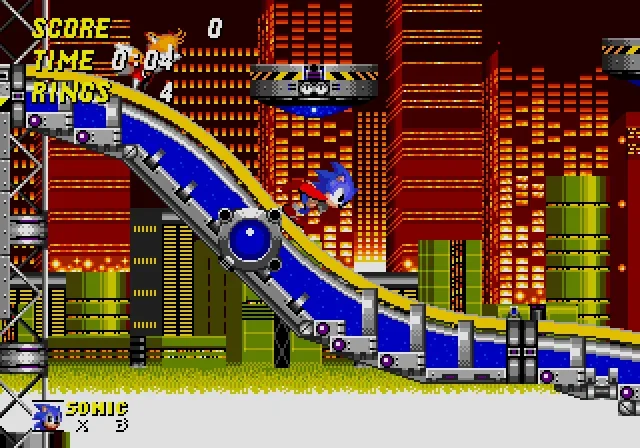
Chemical Plant Zone is where Sonic 2 becomes legendary.
The music alone is enough to make retro fans smile. That track has bounce, urgency, and coolness baked into it. It sounds like a machine city throwing a party. The level itself is fast, shiny, and full of pipes, slopes, boosters, and those long stretches where Sonic rockets forward like the Genesis is trying to prove a point.
But everyone remembers the water.
You know the part.
That rising purple liquid. The narrow platforms. The awkward jumps. The countdown music when Sonic starts drowning. That terrifying little jingle could turn a room full of confident kids into complete chaos. Someone would yell. Someone would grip the controller too hard. Someone watching would say, “Jump! Jump!” as if that helped.
And when Sonic finally grabbed that air bubble? Pure relief.
Chemical Plant Zone is one of the best examples of why Sonic 2 stuck with people. It was not just pretty. It created stories. Every player had some memory of drowning there, escaping there, or watching a friend completely fall apart under pressure. It was the kind of level you talked about at school because it gave everyone the same shared trauma in the most colorful way possible.
Casino Night, Hill Top, Mystic Cave, and the Joy of Variety
One of the reasons Sonic 2 still feels so fondly remembered is that its zones have personality. They do not blur together as generic platforming backdrops. Each one has a vibe.
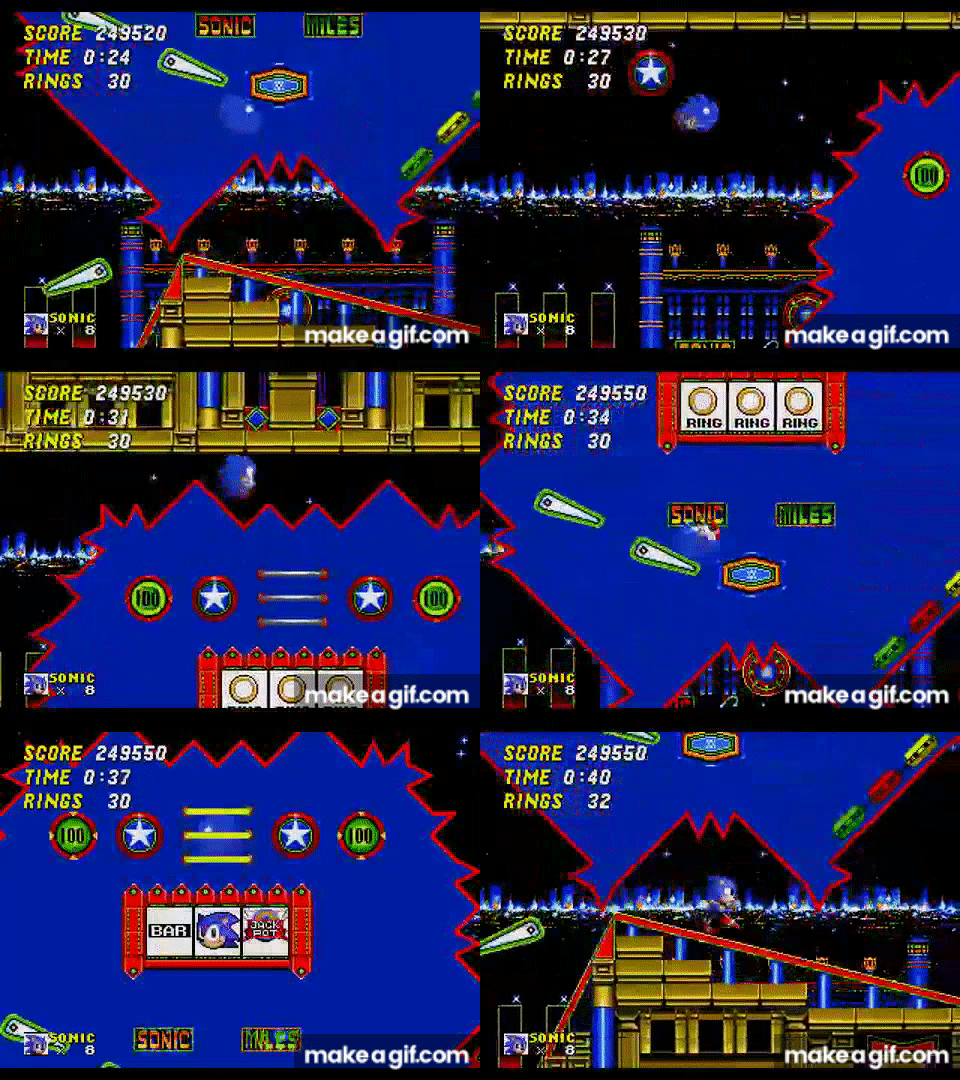
Casino Night Zone felt like the game had turned into a neon playground. Bumpers, slot machines, flashing lights, and that smooth music made it feel like Sonic had wandered into some kid-friendly Vegas fever dream. You could spend way too much time bouncing around and barely caring about forward progress. It was a level that invited messing around, which is part of why people remember it so warmly.
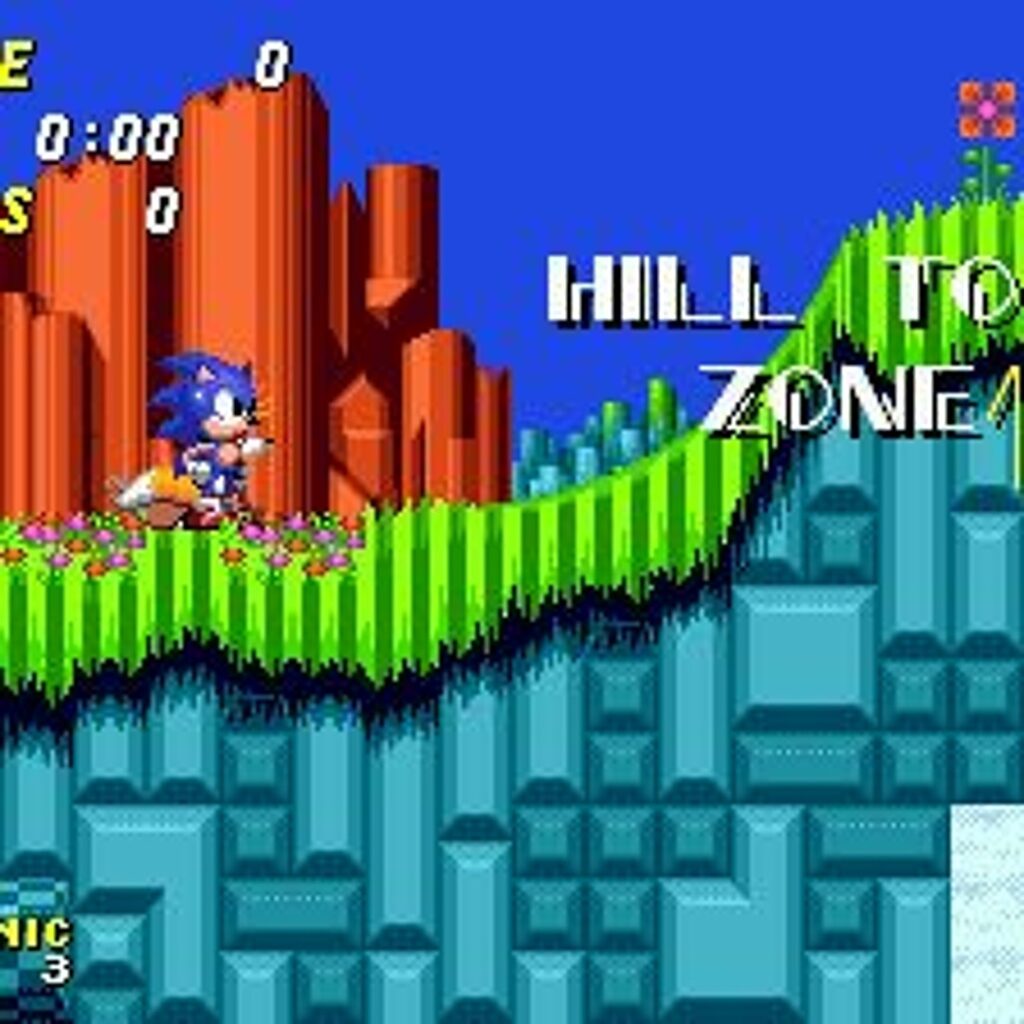
Hill Top Zone had that strange calm to it, with lava bubbling underneath and seesaws launching you into the air. It felt like a cousin to Green Hill, but with a little more danger hiding under the surface.
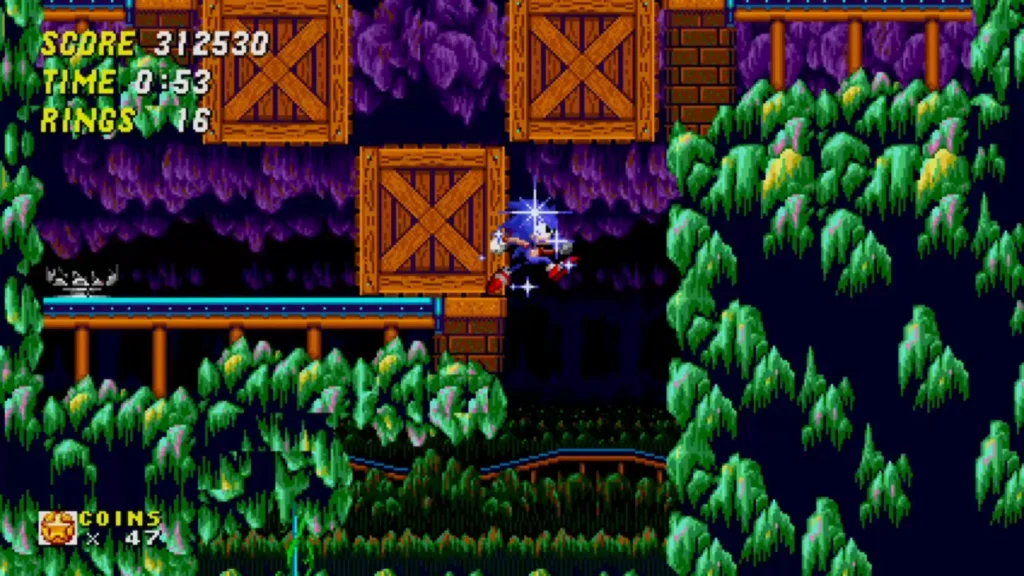
Mystic Cave Zone brought in darker colors, swinging vines, spikes, switches, and a moodier atmosphere. It had that “late-night rental session” energy, the kind of level that felt different when the room was dark and everyone else in the house was asleep.
Then you had Oil Ocean Zone, which was grimy and strange in the best Genesis way, and Metropolis Zone, which felt like Sonic 2 saying, “You thought you were good? Prove it.”
Metropolis is one of those levels that fans respect and complain about at the same time. The enemies are annoying. The hazards are mean. The difficulty jumps. But it also feels like a true late-game factory gauntlet. Sonic is not just cruising through nature anymore. He is deep in Robotnik’s world now, and everything is built to stop him.
That shift matters.
By the time you reach the end of Sonic 2, it feels like you have actually traveled somewhere.
The Music Is Half the Memory
You cannot talk about Sonic 2 without talking about the soundtrack.
This is one of those games where the music does not simply support the experience. It becomes the experience. Masato Nakamura’s compositions gave Sonic 2 a sound that was bright, melodic, funky, and instantly recognizable. Every zone had its own identity, and those songs had a way of sticking in your head long after the TV was turned off.
Emerald Hill is pure blue-sky optimism. Chemical Plant is all forward momentum. Casino Night is slick and playful. Mystic Cave is mysterious without being too scary. The boss theme has that perfect “Robotnik is here again” energy.
Back in the day, when game music was coming through little TV speakers, Sonic 2 still sounded huge. You might not have known the composer’s name as a kid, but you knew those songs. You hummed them. You heard them in your head during school. You recognized them instantly if a friend booted up the game in another room.
That is the mark of a real classic.
Special Stages, Chaos Emeralds, and the Legend of Super Sonic
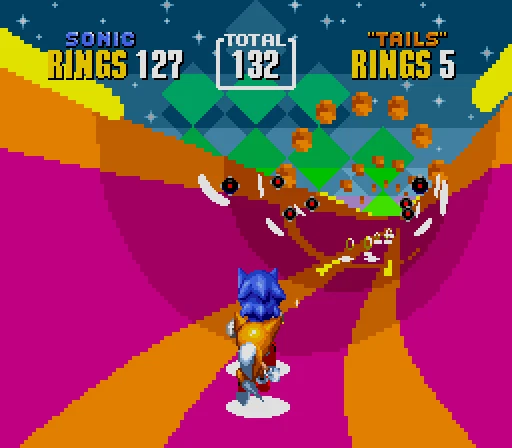
The special stages in Sonic 2 were a whole event.
Those half-pipe bonus rounds looked incredible at the time. Sonic and Tails running forward into the screen, collecting rings, dodging bombs, chasing Chaos Emeralds — it felt flashy and futuristic in that early-’90s way. It also caused plenty of frustration, especially when Tails kept bumping into bombs and costing you rings.
Poor Tails. He meant well.
But getting all the Chaos Emeralds and unlocking Super Sonic? That was playground legend material.
Before the internet made every secret instantly searchable, discoveries like Super Sonic traveled through friends, magazines, cheat books, and rumors. Maybe someone’s older brother knew how to do it. Maybe you saw a screenshot in a magazine. Maybe a friend claimed they got him once, and you were not entirely sure whether to believe them.
Then you finally saw it yourself: Sonic turns gold, the music changes, and suddenly you are blazing through the level like a tiny 16-bit comet.
It felt incredible.
Super Sonic was more than a power-up. He was a reward that made the game feel mythical. Sonic 2 had secrets worth chasing, and that gave it life beyond a simple start-to-finish playthrough.
The Final Stretch: Mecha Sonic and the Death Egg
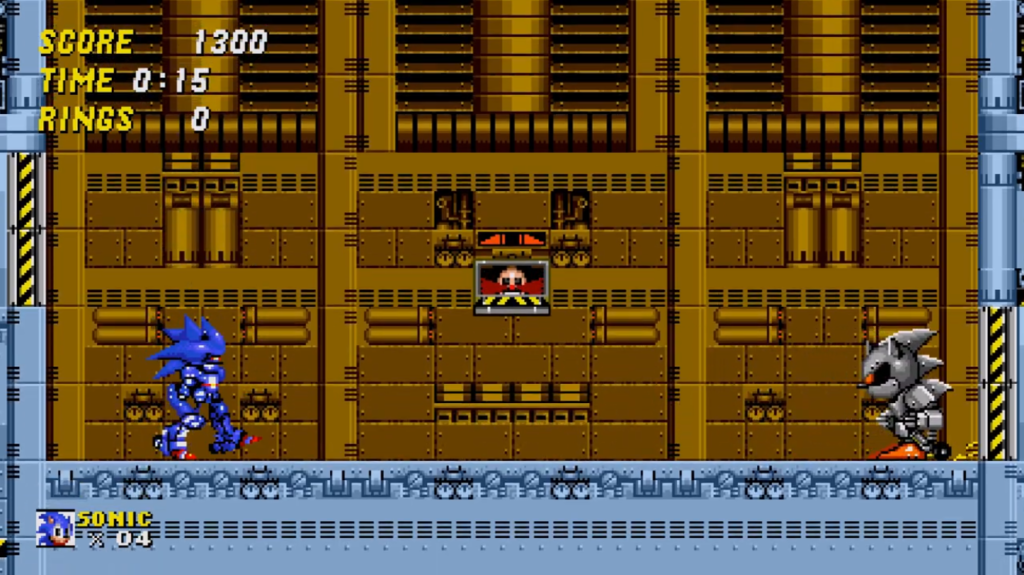
The ending of Sonic 2 is still one of the great Genesis finales.
After the aerial chaos of Sky Chase Zone and the mechanical tension of Wing Fortress, Sonic launches into space and reaches the Death Egg. No rings. No safety net. Just you, your reflexes, and Robotnik’s last line of defense.
First comes Mecha Sonic, or Silver Sonic, depending on what you grew up calling him. Either way, seeing a robotic version of Sonic was instantly cool. He looked dangerous. He felt like a dark mirror. It was one of those boss designs that hit the imagination immediately.
Then came the Death Egg Robot.
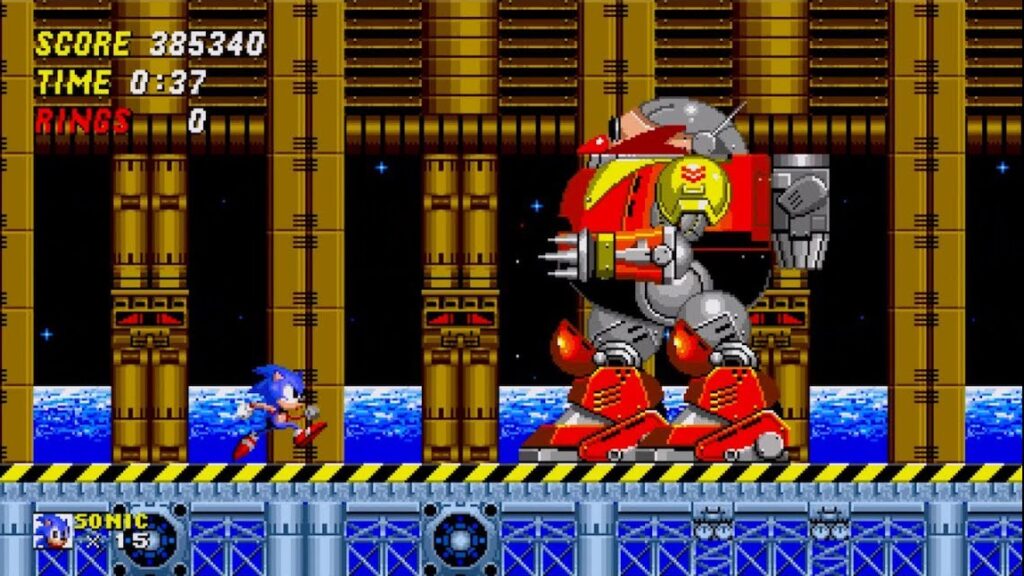
That huge Robotnik mech stomping toward you with its giant arms and slow, heavy movement felt intimidating in a way that still works. The fight was not complicated, but the pressure was real because you had no rings. One mistake and you were done. Every jump mattered. Every hit felt earned.
When you finally beat it, the victory felt massive.
And that ending, with Sonic falling from the sky and Tails catching him in the Tornado, still has that simple, perfect Saturday morning cartoon warmth. No long speech. No over-explaining. Just friendship, relief, and one more heroic image of Sonic standing proud.
Best Way to Play Today
The good news is that Sonic the Hedgehog 2 is not hard to find today, but the “best” way depends on what kind of nostalgia hit you want.
For convenience, Sonic Origins Plus is one of the easiest modern options, bundling Sonic 2 with other classic 2D Sonic games and bonus content across current platforms. Sega’s official Sonic Origins Plus page describes the collection as bringing back the classic Genesis-era Sonic titles with extras like Mirror Mode, added characters, missions, and more.
If you already use Nintendo’s retro library, Sonic the Hedgehog 2 is also part of the SEGA Genesis collection available through Nintendo Switch Online + Expansion Pack, which is a convenient route if you want quick access without chasing cartridges.
There is also the SEGA AGES Sonic The Hedgehog 2 release on Nintendo Switch, which includes extras like Time Trial, rankings, Drop Dash, and Knuckles as a playable character. That one is especially nice if you want a polished standalone version rather than a full collection.
Now, if you want the full nostalgia hit, nothing quite replaces an original cartridge on a real Sega Genesis hooked up to a CRT or a good modern display setup. Just be honest with yourself: original hardware can get pricey, cables matter, and not everyone wants to build a retro setup from scratch. If you already have a Genesis, Sonic 2 is one of the most satisfying cartridges to keep on the shelf. If you do not, a modern collection or Switch version is the smarter starting point.
And no, you do not need to overpay just to enjoy Sonic 2. This is one of those classics where the experience matters more than owning the fanciest version.
A Few Honest Flaws, Because We’re Friends Here
As much as I love Sonic the Hedgehog 2, it is not perfect.
Tails can be a liability in the special stages. Some late-game enemies, especially in Metropolis Zone, feel like they were designed specifically to ruin your good mood. And if you are new to classic Sonic, the speed can occasionally feel like the game is asking you to memorize hazards before you can truly master a level.
But honestly, those flaws are part of the old conversation around Sonic the Hedgehog 2. They are the little complaints you make while still starting another run. The things that made you groan, laugh, hand the controller to a friend, and try again.
Sonic 2 was never about perfect precision from start to finish. It was about flow. Momentum. Discovery. Showing off. Messing up. Recovering. Finding a faster route. Learning when to sprint and when to slow down.
That rhythm is still special.
Why Sonic the Hedgehog 2 Still Stays With Us
Sonic 2 is remembered because it captured a moment.
It captured the Genesis at its coolest. It captured Sega’s bold personality. It captured that early-’90s feeling when mascots mattered, playground debates were serious business, and a game’s box art could make you feel like you were choosing a side in some grand cultural battle.
But beyond all that console-war noise, Sonic 2 stayed with people because it was joyful.
It had color. It had confidence. It had music that lived rent-free in your head. It had zones you wanted to revisit. It had secrets worth chasing. It had a little orange fox following you around, doing his best, getting into trouble, and somehow making the whole adventure feel less lonely.
That is the heart of Sonic 2.
It is not just “one of the best Sonic games” because it was fast or influential or popular. It is beloved because it made players feel something. Excitement. Wonder. Panic. Pride. Friendship. That strange, beautiful feeling of being young, holding a controller, and believing the world inside the TV was bigger than anything waiting outside your bedroom door.
Final Takeaway
This Sonic the Hedgehog 2 review could easily turn into a checklist of zones, mechanics, bosses, and historical importance. But that would miss the real reason this game still matters.
Sonic 2 is memory in motion.
It is the sound of a Genesis powering on. It is a friend yelling from the couch. It is a rental copy that had been played by twenty kids before you. It is Chemical Plant panic, Casino Night detours, Super Sonic rumors, and one last desperate fight against the Death Egg Robot with no rings in your pocket.
Some games age. Some games become artifacts.
Sonic the Hedgehog 2 still feels alive.
And every time that Emerald Hill music starts, it is hard not to smile like you are right back there again.