Posted on May 25, 2026
Rugrats: Retro Rewind Brings Nicktoons Nostalgia Back to Nintendo Switch and PlayStation 5
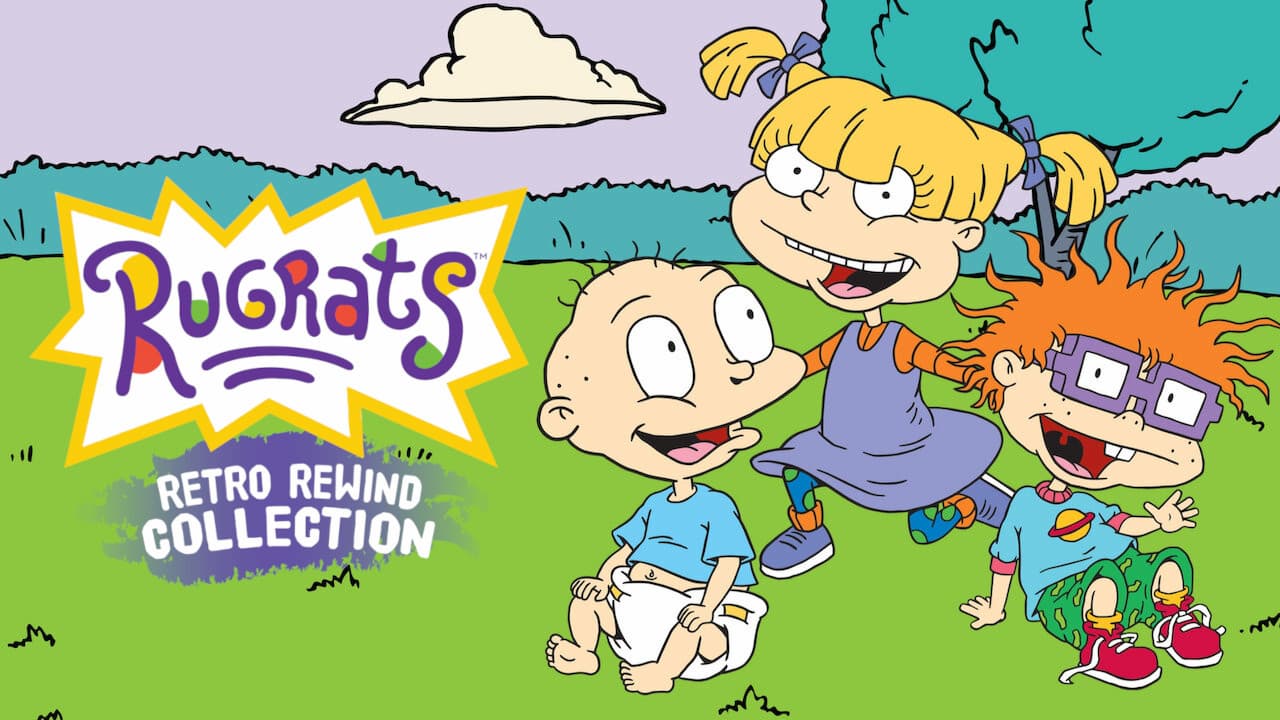
There are retro game revivals you expect, and then there are the ones that come flying out of left field like Reptar crashing through a cardboard city. Rugrats: Retro Rewind Collection absolutely falls into that second category.
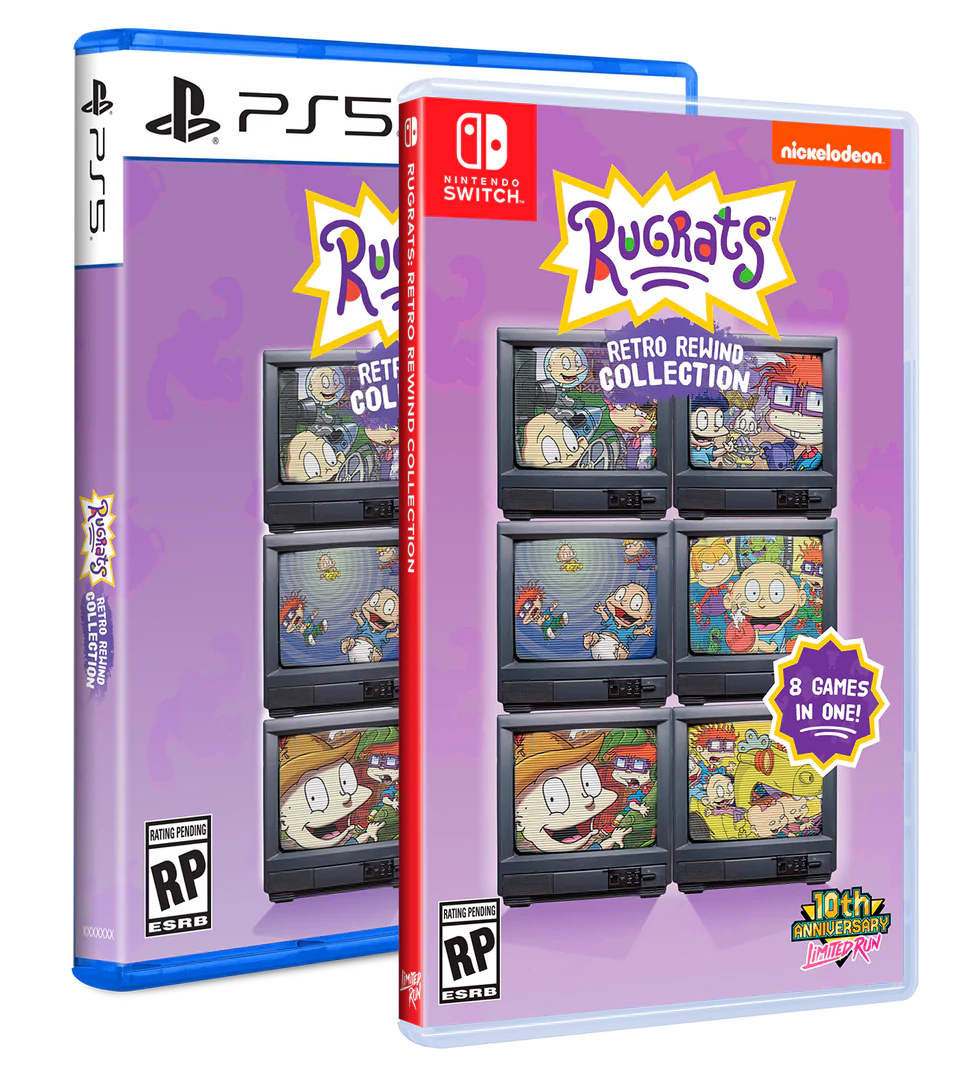
Released for Nintendo Switch and PlayStation 5, this new collection brings together six classic Rugrats games from the late ’90s and early 2000s, giving longtime Nickelodeon fans a surprisingly hearty dose of cartridge-era and early 3D nostalgia. The collection launched on Nintendo Switch on May 22, 2026, with Nintendo listing Limited Run Games as publisher and Mighty Rabbit Studios as developer. Limited Run’s own branding and curation are still a major part of the story here, especially given the company’s growing role in preserving and repackaging retro games for modern audiences.
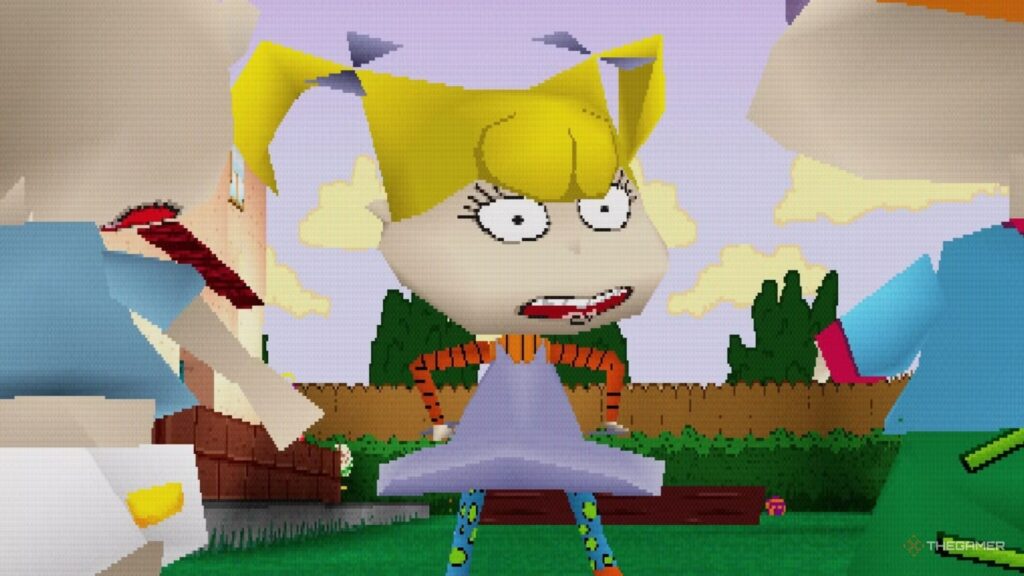
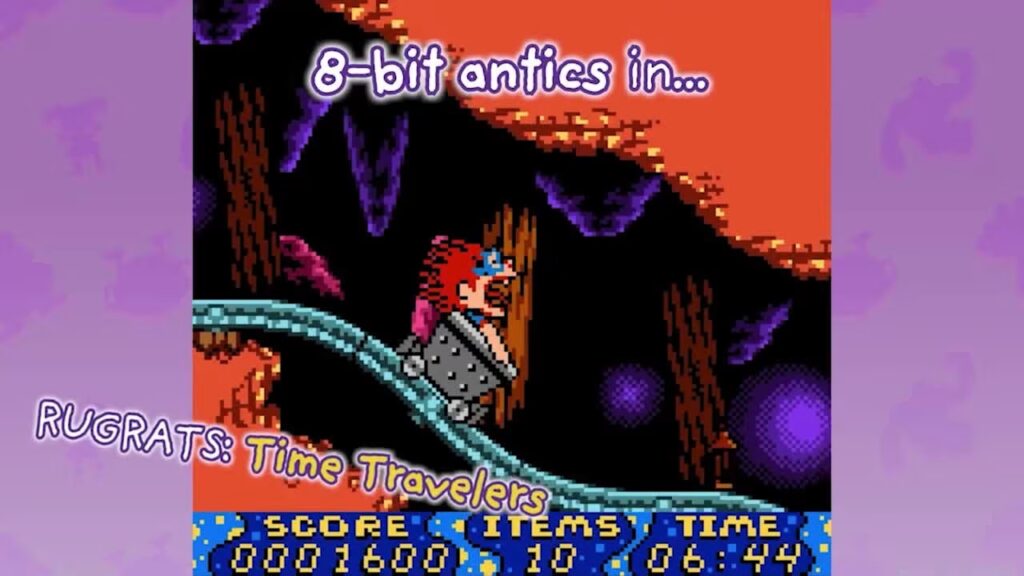
The collection includes Rugrats: Search for Reptar, The Rugrats Movie, Rugrats: Time Travelers, Rugrats: Studio Tour, Rugrats in Paris: The Movie, and Rugrats: Castle Capers. That lineup stretches from the original PlayStation era to Game Boy, Game Boy Color, and Game Boy Advance releases, which makes this more than a single-game remaster. It is a small time capsule of Rugrats gaming history, moving from chunky 32-bit 3D adventures to colorful handheld platforming.
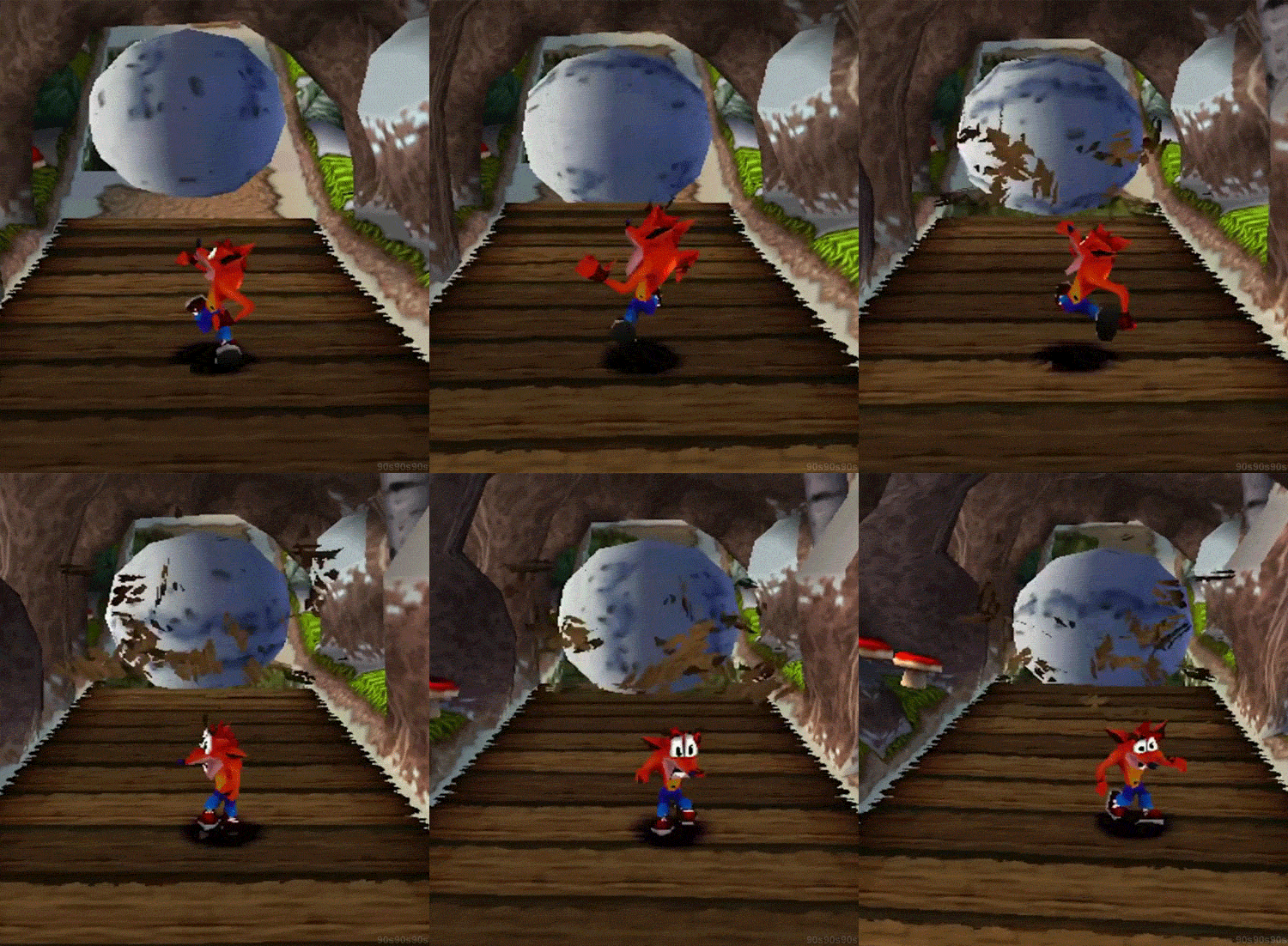
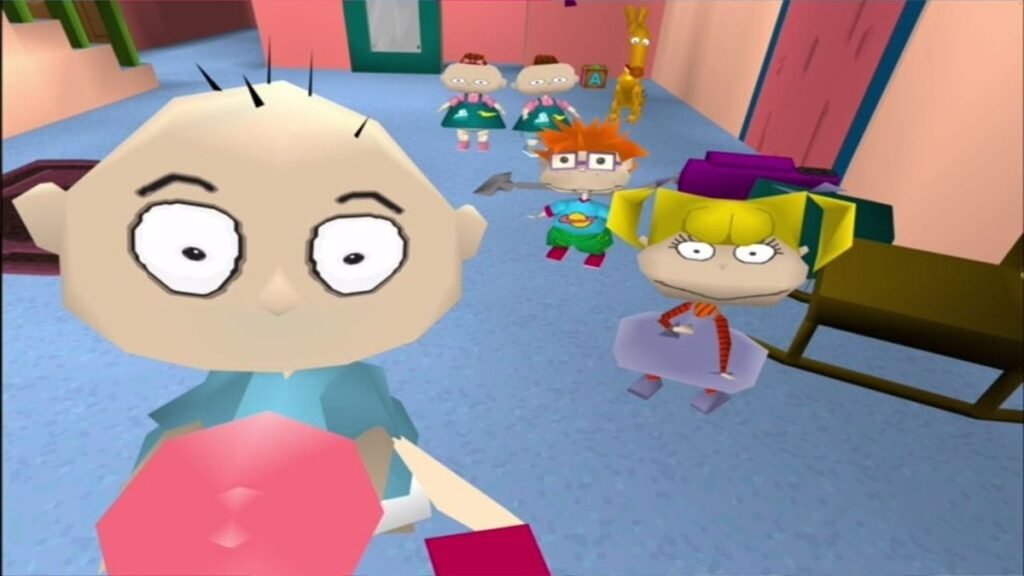
For a lot of retro fans, Rugrats: Search for Reptar will be the headline attraction. Released on the original PlayStation in 1998, it was one of those licensed games that many kids encountered at exactly the right age. Maybe it came from a rental store. Maybe it was a birthday gift. Maybe it was one of those games you played at a cousin’s house and never forgot because the whole thing felt weirdly huge when you were little. The Pickles house, the backyard, the toy-store-like energy of the world — it captured that strange childhood feeling of ordinary places becoming giant adventures.
That is what makes this release interesting. Rugrats games were not always treated like sacred classics in the same way as Mario, Sonic, Zelda, or Castlevania. They were licensed kids’ games, and licensed kids’ games have often been dismissed as disposable. But nostalgia does not always work according to critical reputation. Sometimes the game that sticks with you is not the most polished game on the shelf. Sometimes it is the one tied to your Saturday morning routine, your Nickelodeon memories, your old PlayStation demo-disc era, or that one Game Boy cartridge you played in the back seat during a family trip.
Limited Run Games seems to understand that part of the retro market very well. The company has built a reputation around bringing physical and digital attention back to games that might otherwise disappear into collector shelves, aging discs, or expensive secondhand listings. Its Carbon Engine is designed to help legacy content come to modern platforms, using emulation as a base while adding modern layers for interface, rendering, audio, controller support, and platform-specific features. Limited Run describes the goal as making rare or unavailable games more accessible while preserving the experience players remember.
That preservation angle matters. Rugrats: Retro Rewind is not just “hey, remember this cartoon?” It is another example of a growing movement where retro gaming is expanding beyond the same obvious franchises. The retro space has matured. Fans are not only asking for the biggest games from the NES, SNES, Genesis, PlayStation, and N64 eras. They are asking for the oddities, the licensed titles, the forgotten handheld releases, the games that were part of the culture even if they were not always part of the canon.
That is where this collection hits a sweet spot. The package includes modern quality-of-life features such as rewind, save anywhere, retro screen filters, a digital museum with scans of manuals and box art, and a music player. These additions are important because they make the games easier to revisit without sanding away their identity. A tricky jump in a handheld platformer does not have to send a grown adult with bills and responsibilities back to the beginning of a stage. You can still play the games as they were, but now the collection respects your time.
That “respect your time” idea is a big reason retro collections keep gaining traction. Many players who grew up with these games are older now. They still love the feel of classic gaming, but they do not always want the friction that came with limited saves, awkward continues, or hardware setup headaches. Modern features like rewind and save states are not a betrayal of retro gaming. Used well, they are an invitation. They allow curious newcomers and returning fans to enjoy games that might otherwise feel too clunky or punishing to finish.
Of course, some fans will always debate whether features like rewind reduce the original challenge. That conversation is already happening in fan spaces, where players are split between purist instincts and practical appreciation for optional tools. One Reddit discussion around the collection framed the question directly: do rewind and save-anywhere features improve the experience or take away the original challenge? The best answer is probably simple: they only change the experience if you choose to use them.
Limited Run has also been especially active in the nostalgia lane over the past year. Recent and upcoming examples around its catalog include Marvel MaXimum Collection, Nickelodeon Splat Pack, which gathered games based on Rocko’s Modern Life, Aaahh!!! Real Monsters, and GUTS; The Ren & Stimpy Show: Space Cadet Adventures; and major retro-focused collector releases tied to properties like DOOM + DOOM II and Tomba! 2: The Evil Swine Return Special Edition. Insider Gaming also noted the recent Ren & Stimpy and Nickelodeon Splat collections when discussing Rugrats: Retro Rewind, which makes this feel less like a one-off and more like a deliberate lane for classic licensed nostalgia.
That is where Rugrats: Retro Rewind becomes bigger than Rugrats alone. This release shows that the retro gaming market has room for childhood media memory, not just arcade legends and critically acclaimed console staples. Nickelodeon was a massive part of ’90s and early 2000s childhood culture. Rugrats was not just a cartoon; it was lunchboxes, VHS tapes, movie tie-ins, fast-food toys, toy aisles, TV marathons, and yes, video games. Bringing these titles back acknowledges that licensed games were part of the gaming ecosystem millions of kids actually grew up with.
Is every game in this collection likely to be a masterpiece? Probably not. That is not really the point. The point is that these games represent a specific era when cartoons, consoles, handhelds, and kid culture all overlapped in a way that feels increasingly distant now. Rugrats: Retro Rewind gives that era a cleaner doorway back in.
For retro gaming fans, collectors, and Nicktoons kids who still remember Tommy’s screwdriver, Reptar bars, and Angelica causing chaos, this is the kind of release that proves preservation does not have to be limited to the obvious classics. Sometimes the most meaningful comeback is the one nobody expected.
And honestly? In a retro gaming world that can sometimes get a little too predictable, seeing Rugrats get this kind of treatment is refreshing. It is weird, warm, oddly specific, and deeply nostalgic — exactly the kind of surprise the retro scene needs more often.