Posted on July 17, 2026
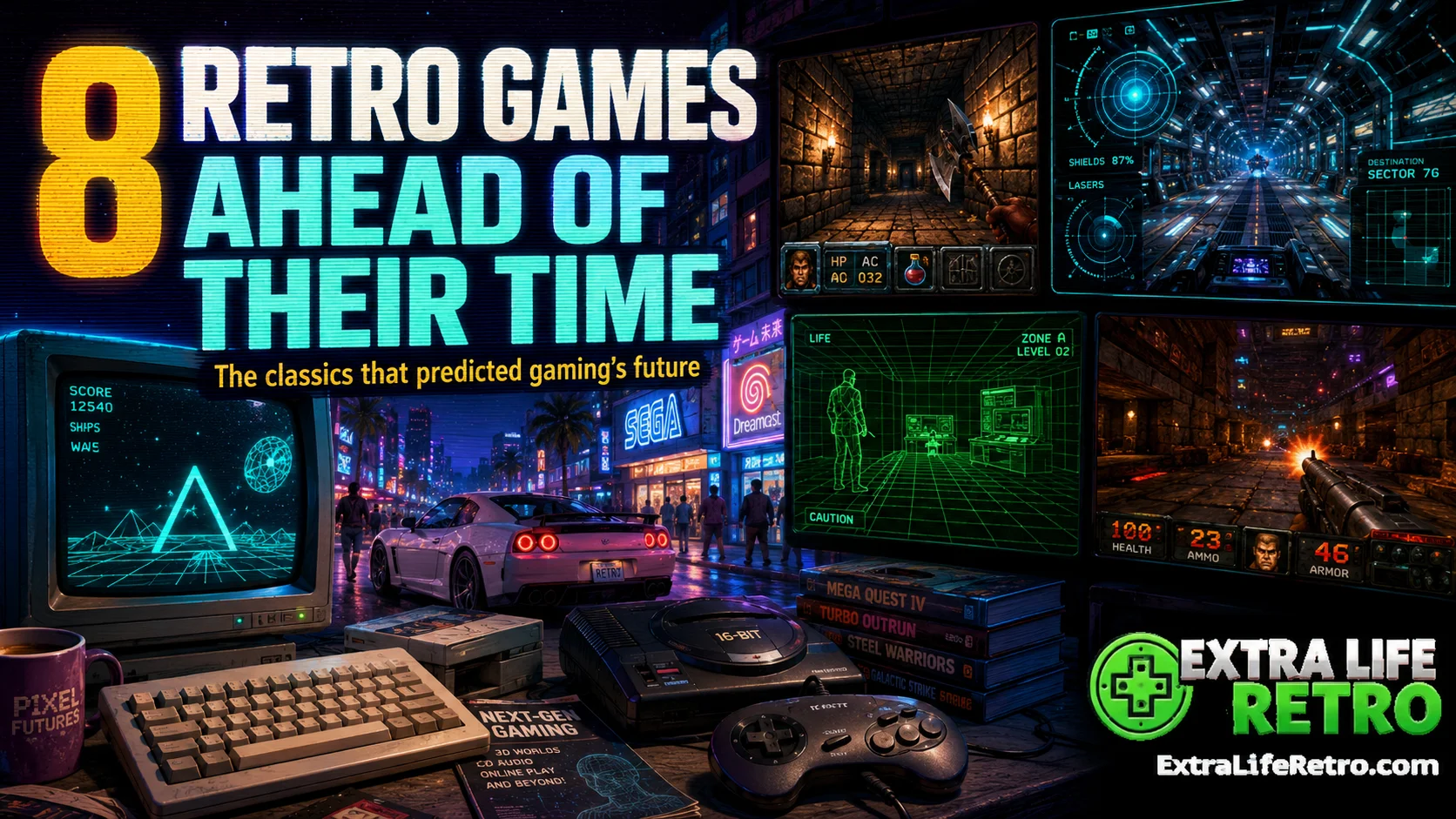
8 Retro Games That Were So Far Ahead of Their Time, the Industry Had to Catch Up
Disclosure: Some of the links in this post are affiliate links. This means if you click on the link and purchase an item, we will receive an affiliate commission at no extra cost to you. All opinions remain my own. I only recommend products or services I believe will add value to my readers.
These trailblazing retro games introduced ideas, technology, and worlds that would not become commonplace until years later.
Some retro games feel locked to the decade that created them. You can almost hear the video store clerk, feel the cartridge clicking into place, or picture the CRT glow filling a dark bedroom during a weekend gaming marathon.
Others feel like they somehow arrived from the future.
These were the games that experimented with living worlds, player freedom, stealth systems, online competition, cinematic storytelling, and genres that barely had names yet. They were not always the smoothest, easiest, or most commercially successful releases on the shelf. In several cases, their ambition ran straight into the limitations of the hardware.
But that is part of what makes them fascinating.
This ranked countdown celebrates eight Retro Games that did more than impress players in their original eras. They introduced ideas that the rest of the industry would spend years refining. The selections were based on innovation, influence, technical ambition, originality, and how clearly their design ideas can still be recognized in later games.
The ranking reflects the scale and lasting impact of each leap forward—not necessarily which game is the most enjoyable today.
Let us rewind to the moments when gaming’s future appeared early.
8. Herzog Zwei — A Strategy War Disguised as a Genesis Action Game
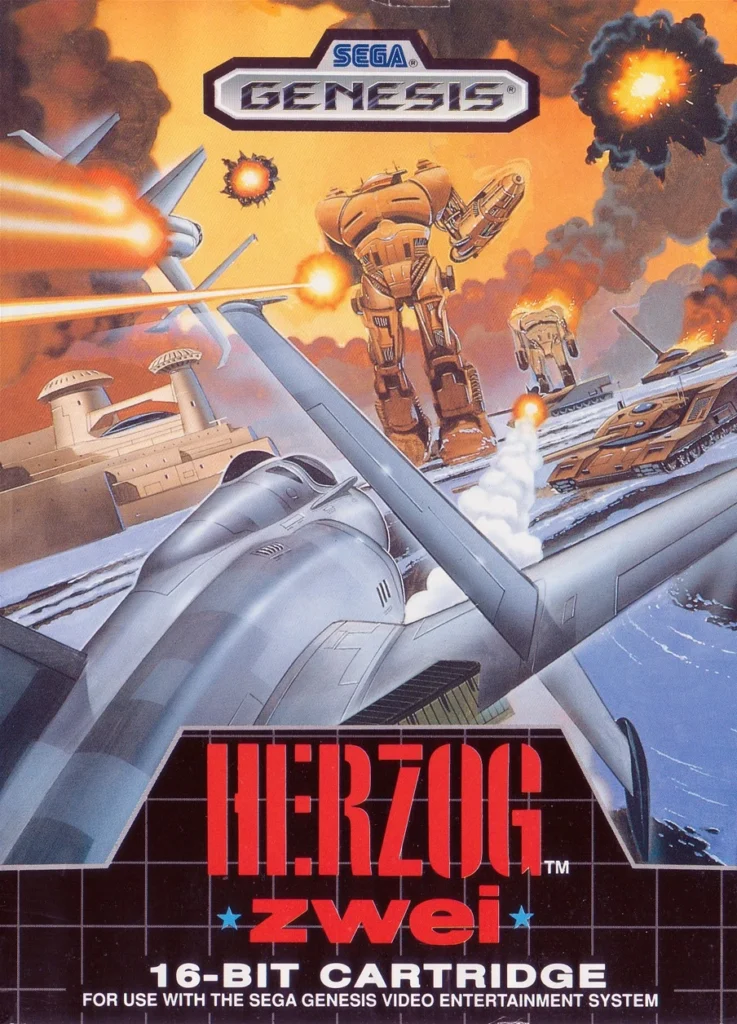
Platform: Sega Mega Drive/Genesis
Released: 1989 in Japan; 1990 in North America
At first glance, Herzog Zwei looks like the kind of fast-moving science-fiction action game that belonged naturally on the Genesis. You control a transforming mech, fly across colorful battlefields, shoot enemy units, and blast rival commanders.
Then you realize you are also managing an army.
Players purchase infantry, tanks, motorcycles, and defensive units before physically transporting them to strategic positions. Bases must be captured. Resources must be managed. Orders must be issued while the enemy commander is doing exactly the same thing in real time.
There is no polite pause while you study a menu. The war keeps moving.
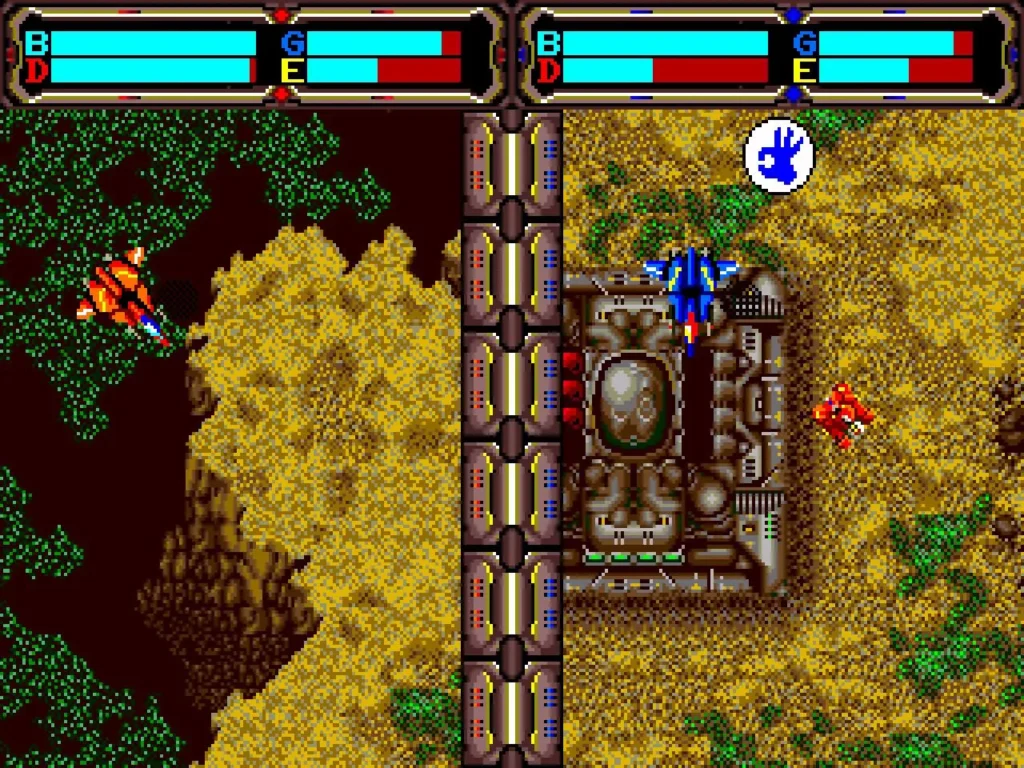
That fusion of direct action and battlefield management gave Herzog Zwei the foundations of a real-time strategy game several years before Dune II helped establish the familiar PC template. Its transforming commander also feels surprisingly close to the hero units and action-strategy hybrids that would emerge much later.
The real magic came from two-player competition. With both commanders racing around the map, every match became a mixture of tactical planning, improvisation, and personal retaliation. You might carefully establish a defensive line, only to abandon the entire plan because your opponent had flown directly toward your headquarters.
The interface can feel cryptic at first, particularly without the instruction manual that once explained its unit icons. Stick with it, though, and the game reveals one of the Genesis library’s most forward-thinking multiplayer experiences.
Worth Revisiting If: You enjoy real-time strategy but wish the commander could personally fly into battle.
7. Another World — A Cinematic Adventure Before Games Spoke That Language
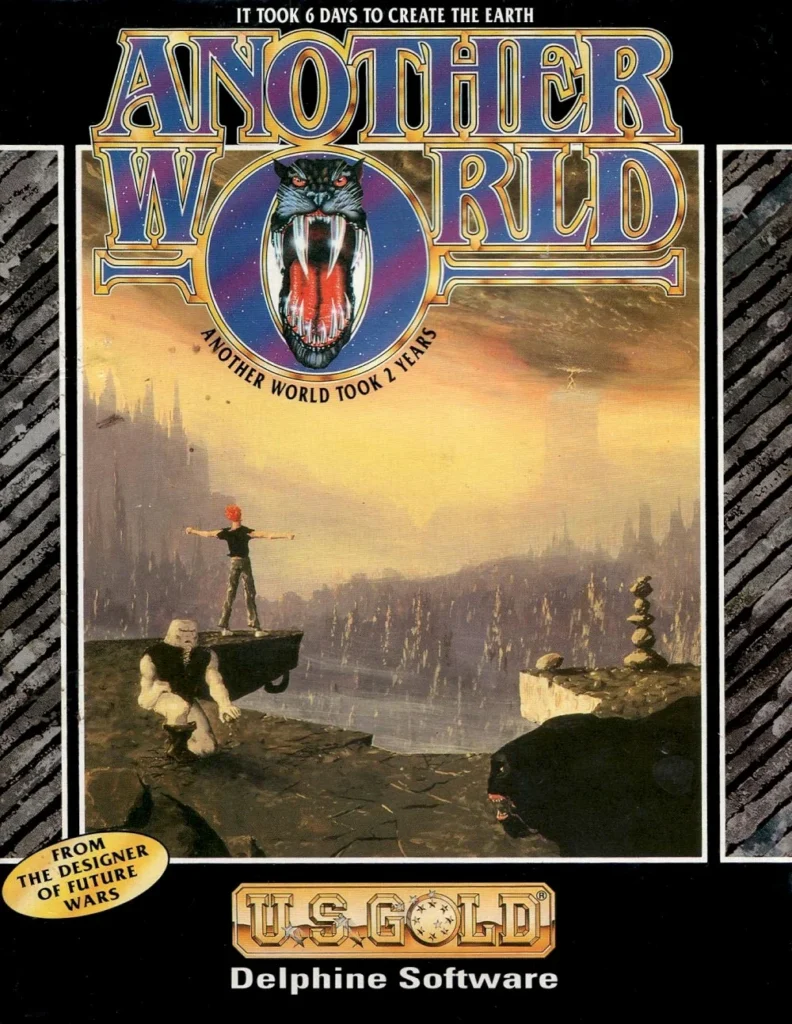
Platform: Amiga, Atari ST
Released: 1991
Before cinematic platformers became a recognized category, Another World—released as Out of This World in North America—was already telling a science-fiction story through movement, framing, animation, and silence.
There are no lengthy text boxes explaining Lester Knight Chaykin’s personality. No narrator pauses to describe the alien dimension into which he has been thrown. The game simply shows his laboratory experiment going catastrophically wrong and lets the strange new world unfold.
That restraint was remarkable.
The opening sequence, with Lester arriving in his sports car and descending into the laboratory, immediately feels different from the usual game introductions of the period. Once he is transported, the sparse landscapes, flat-shaded polygonal characters, and carefully staged camera angles make the experience feel like an animated European science-fiction film.
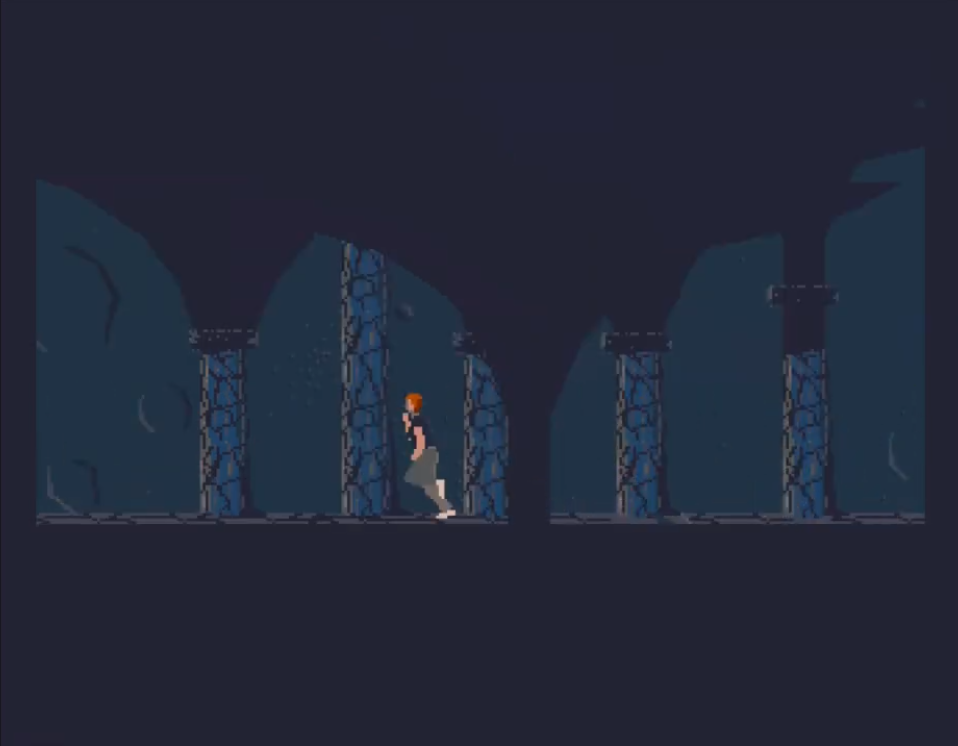
Players remember the black beast stalking Lester, the desperate prison escape, and the fragile alliance with an alien companion who communicates almost entirely through gestures. The bond works because the game trusts the player to understand what is happening without constantly explaining it.
Its trial-and-error design can be unforgiving. Lester dies quickly, and the correct solution is not always obvious. Yet even those abrupt deaths contribute to the atmosphere. Every room feels like a dangerous little scene that must be observed, understood, and then performed correctly.
The 20th Anniversary Edition provides a convenient modern route back into the game, with updated presentation options while retaining the original visual style.
Another World matters because it showed that games could communicate emotion and spectacle without trying to imitate an arcade score chase or a dialogue-heavy adventure. It was cinematic before “cinematic gaming” became marketing language.
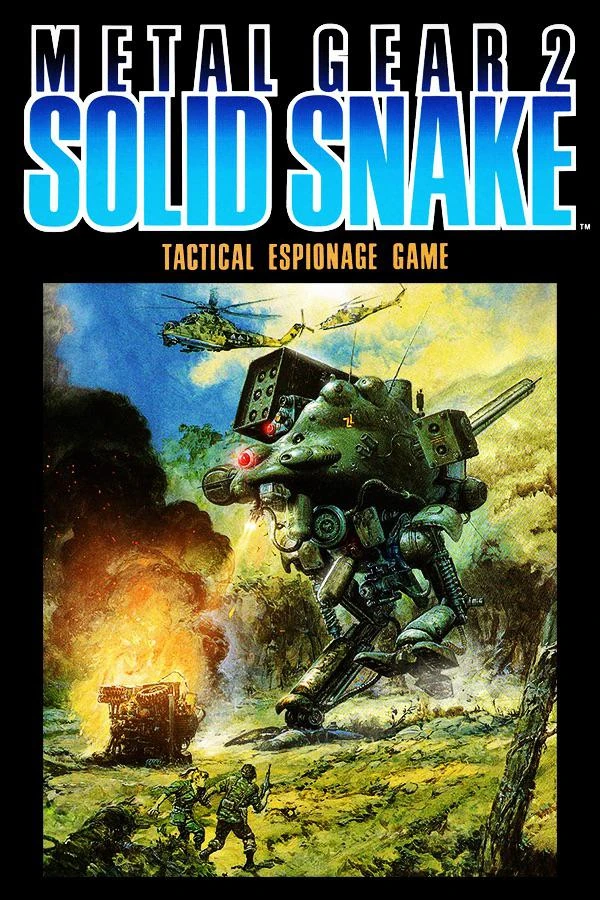
6. Metal Gear 2: Solid Snake — Stealth Gaming’s Blueprint Was Already Here
Platform: MSX2
Released: 1990
Many players first discovered tactical espionage through Metal Gear Solid on the PlayStation. That game’s alert sirens, codec conversations, eccentric villains, and cardboard-box infiltration felt revolutionary in 1998.
The astonishing part is how much of that blueprint already existed in Metal Gear 2: Solid Snake.
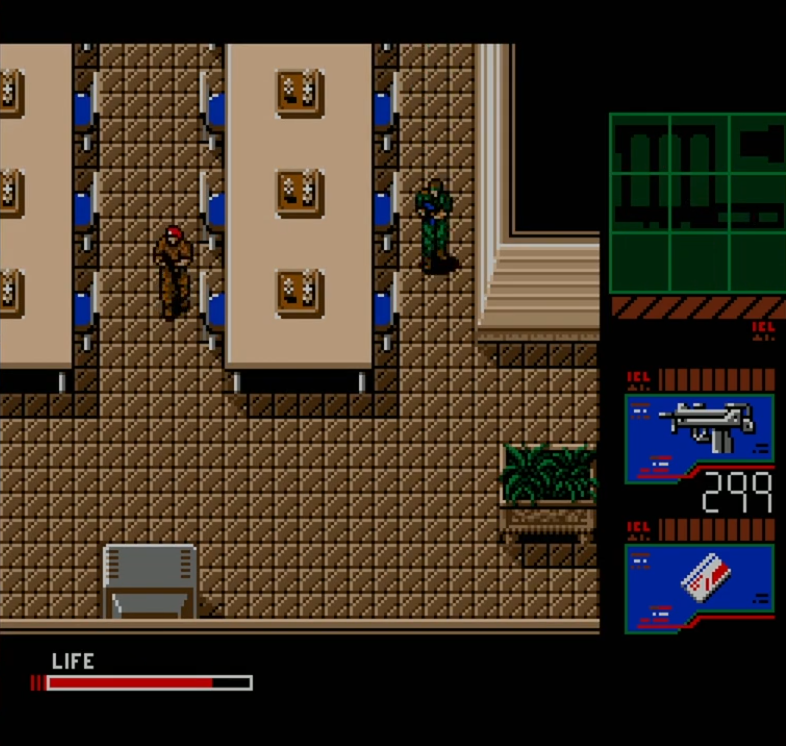
Released for the MSX2 in Japan, the sequel expanded stealth far beyond simply avoiding an enemy’s forward-facing line of sight. Guards could react to sound. Snake could crawl. Different floor surfaces produced different levels of noise. Radar tracked patrol patterns, while enemies actively searched areas after becoming suspicious.
That was an enormous conceptual leap for 1990.
The game also contains more elaborate conversations, political themes, betrayals, character confrontations, and set-piece encounters than many players would expect from an 8-bit computer title. Snake’s battle with Running Man, for example, is not won through superior firepower alone. Players must understand the arena and turn the environment against him.
Then there is the carrier pigeon puzzle.
At one point, Snake must track a pigeon belonging to resistance member Kio Marv and determine how to communicate with it—a wonderfully strange combination of espionage logic and old-school adventure-game thinking. It is exactly the kind of solution players might have traded through magazines, import guides, or conversations with the one friend who somehow knew everything.
The original MSX2 release was once difficult for Western players to access legitimately, but it later appeared alongside the original Metal Gear through editions of Metal Gear Solid 3 and Konami’s more recent Master Collection.
Newer fans may find its interface and pacing demanding, but anyone interested in stealth-game history should see just how fully formed Hideo Kojima’s design philosophy already was.
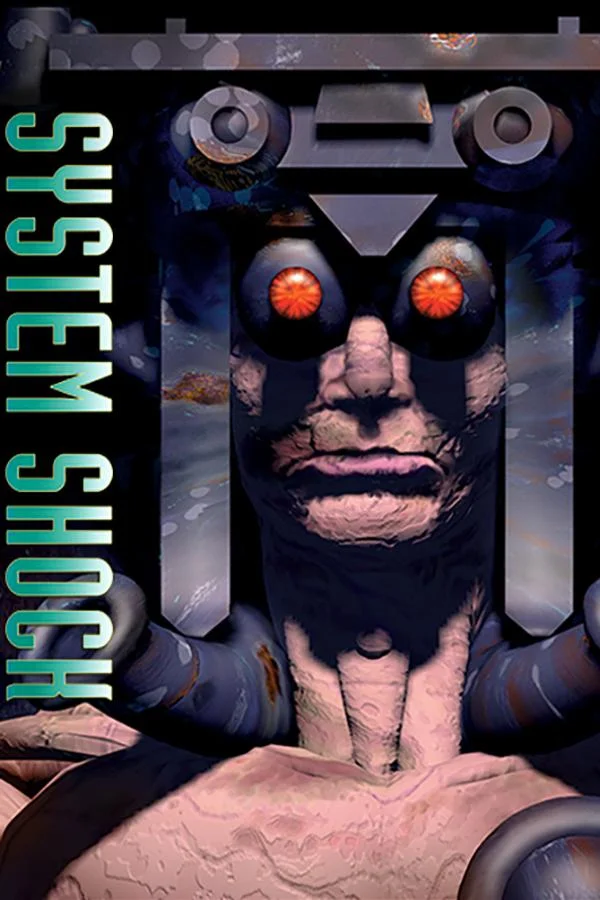
5. System Shock — Welcome to the Space Station From Gaming’s Future
Platform: MS-DOS
Released: 1994
System Shock does not make a gentle first impression.
Its original controls can feel like someone handed you the cockpit manual for an actual space station and then switched off the lights. The interface is dense, movement takes adjustment, and Citadel Station is designed to be explored rather than politely followed.
But once the systems begin to click, the game feels astonishingly modern.
Players can look around freely, lean around corners, crouch, climb, examine objects, read electronic messages, enter cyberspace, modify weapons, and navigate a layered environment that functions as a place rather than a sequence of shooting galleries.
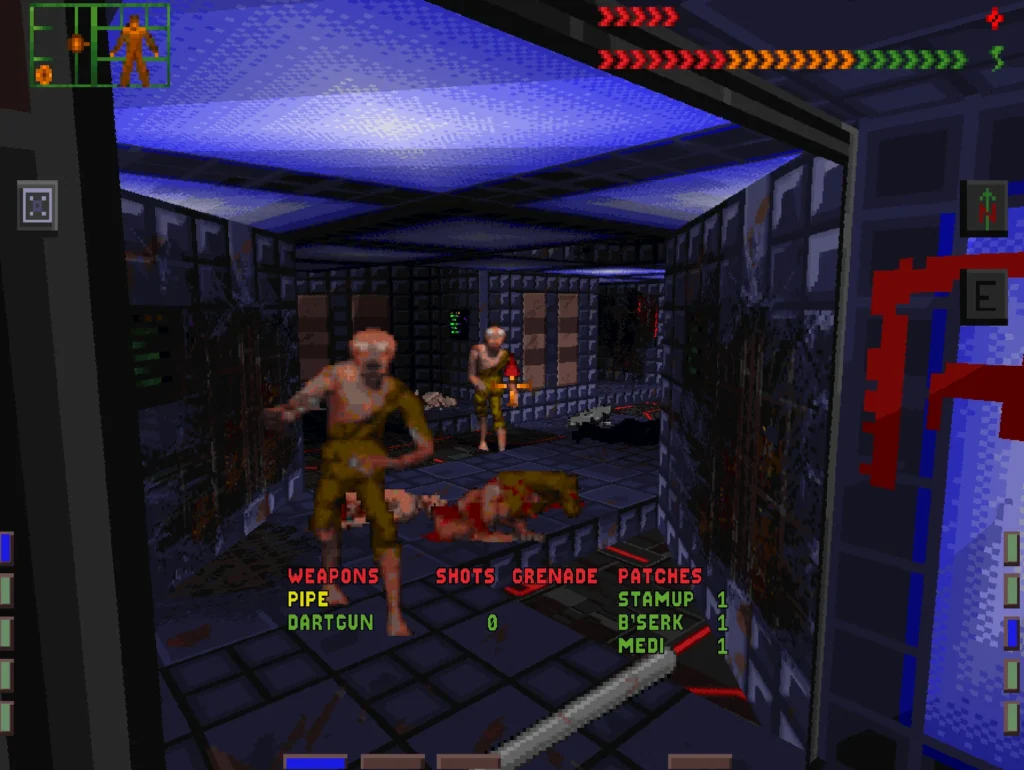
Most importantly, the game makes you feel trapped inside a hostile system.
SHODAN is not merely waiting in a boss room. She controls the station, taunts the player through distorted transmissions, and reshapes the environment into an extension of her personality. The villain feels present even when she is nowhere to be seen.
Audio logs reveal what happened to the crew without freezing the adventure for a conventional cutscene. Doors, security systems, power controls, cameras, and environmental hazards connect to one another. The player gradually understands Citadel Station by interacting with it.
Those ideas became central to the immersive-simulation tradition and can be felt in later games such as Deus Ex, BioShock, and Prey.
The original version demands patience, but Nightdive’s System Shock: Enhanced Edition adds modern conveniences such as mouselook, rebindable controls, and widescreen support. A full remake also offers a more approachable interpretation, though the Enhanced Edition remains the better historical window into what made the 1994 game so extraordinary.
4. Ultima Underworld: The Stygian Abyss — A 3D World Before 3D Worlds Became Normal
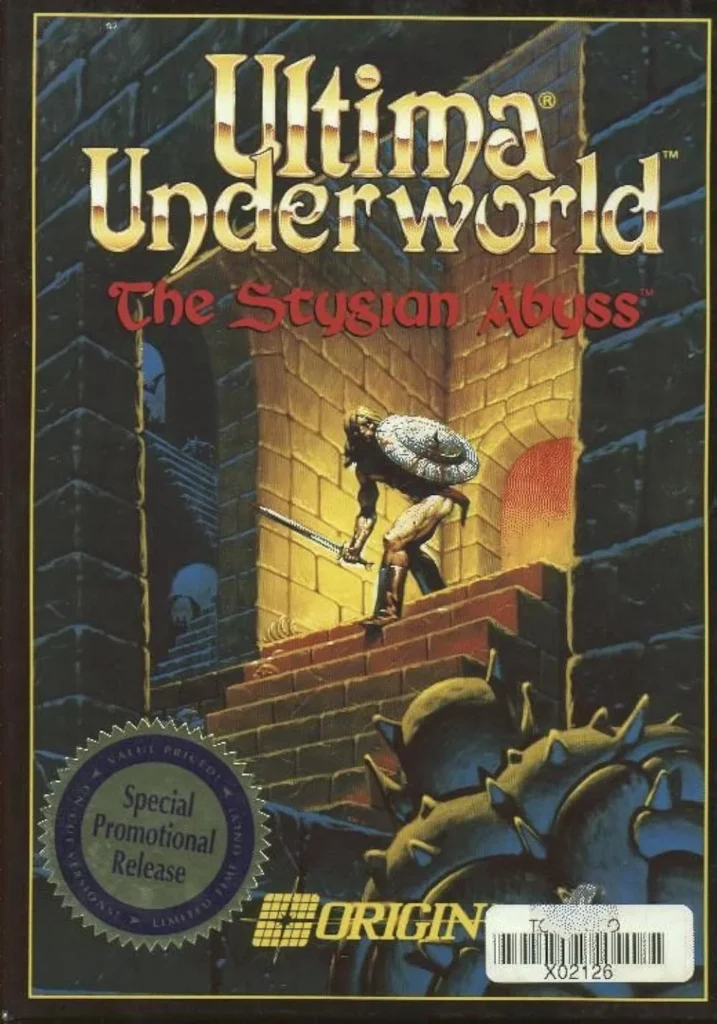
Platform: MS-DOS
Released: 1992
Imagine seeing Ultima Underworld running in 1992.
Many home games still moved across flat side-scrolling stages, overhead maps, or dungeon corridors that advanced one square at a time. Then this arrived with a textured first-person world where the player could look up and down, jump, swim, explore sloping surfaces, interact with objects, talk to characters, and move freely through a continuous environment.
It must have looked like the computer was opening a window into another place.
The Stygian Abyss was not simply a maze filled with monsters. Its inhabitants belonged to factions and communities. Some could be negotiated with. Items could be picked up, moved, used, combined, or thrown. Food spoiled. Torches burned out. Language, magic, exploration, and survival all existed within the same physical space.
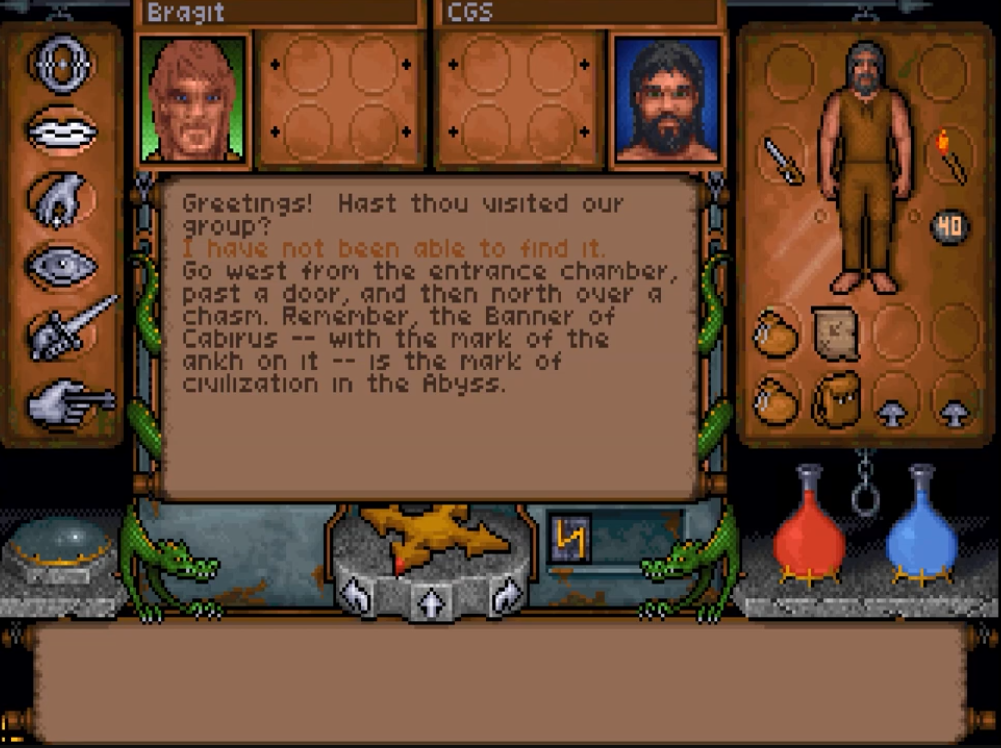
That systemic freedom made the game feel less like completing levels and more like inhabiting a dungeon.
Even small actions contributed to the illusion. A player could toss an object onto a pressure plate, experiment with runes to create spells, or discover that a seemingly useless item had a practical purpose elsewhere. The experience encouraged curiosity instead of merely rewarding combat.
The interface and low-resolution viewport require adjustment today. This is historically significant Retro Gaming, not frictionless modern entertainment. Yet its underlying design remains recognizable in first-person RPGs and immersive sims that came decades later.
The easiest legitimate modern option is currently the GOG package containing both Ultima Underworld games, configured for contemporary Windows systems.
For newer retro fans, this is one of those games worth approaching with context. Give it time, read the controls, and remember that in 1992, almost nothing else looked or behaved like this.
3. Quake — The Shooter That Helped Build Online PC Gaming
Platform: MS-DOS, Windows
Released: 1996
Doom transformed the first-person shooter. Quake pushed the genre into a fully three-dimensional future.
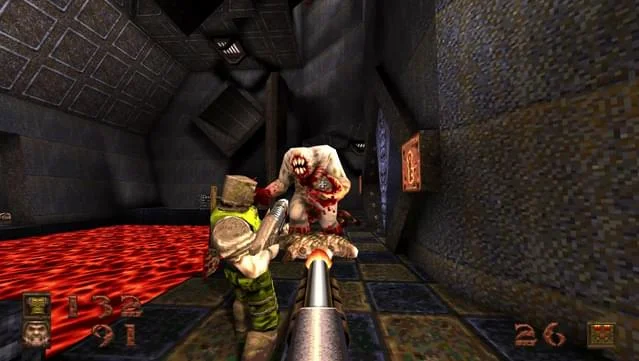
Enemies, environments, platforms, and player movement existed in true 3D space. Rooms could be constructed above other rooms. Players could look vertically, launch themselves through the air, swim beneath levels, and fight creatures that no longer behaved like flat sprites turning toward the camera.
That technology changed how game worlds could be built.
But Quake was not only a visual milestone. Its movement became a language of its own. Rocket jumping turned explosive splash damage into transportation. Skilled players learned to preserve momentum, control spaces, predict item respawns, and fire where opponents were going rather than where they had been.
The multiplayer memories are inseparable from old PC culture: shareware discs, university networks, dial-up connections, improvised LAN parties, bulky monitors, tangled cables, and that one player who understood network settings better than everyone else.
The game also encouraged modification. Custom maps, player-made levels, models, and total conversions helped establish the expectation that a PC game could become a platform for community creativity. Competitive online play and machinima culture both owe part of their early growth to what players built around Quake.
Its brown industrial corridors can appear visually severe today, but the speed remains electric. The shotgun crack, the grenade bounce, the growl of a Fiend, and the sudden discovery of a hidden slipgate still create an unmistakable atmosphere.
Bethesda’s enhanced release adds widescreen and high-resolution support, improved models, additional content, multiplayer options, and availability across modern consoles and PC. It is one of the easiest games on this list to recommend to a curious newcomer.
2. Shenmue — A Quiet Open World Built From Ordinary Life
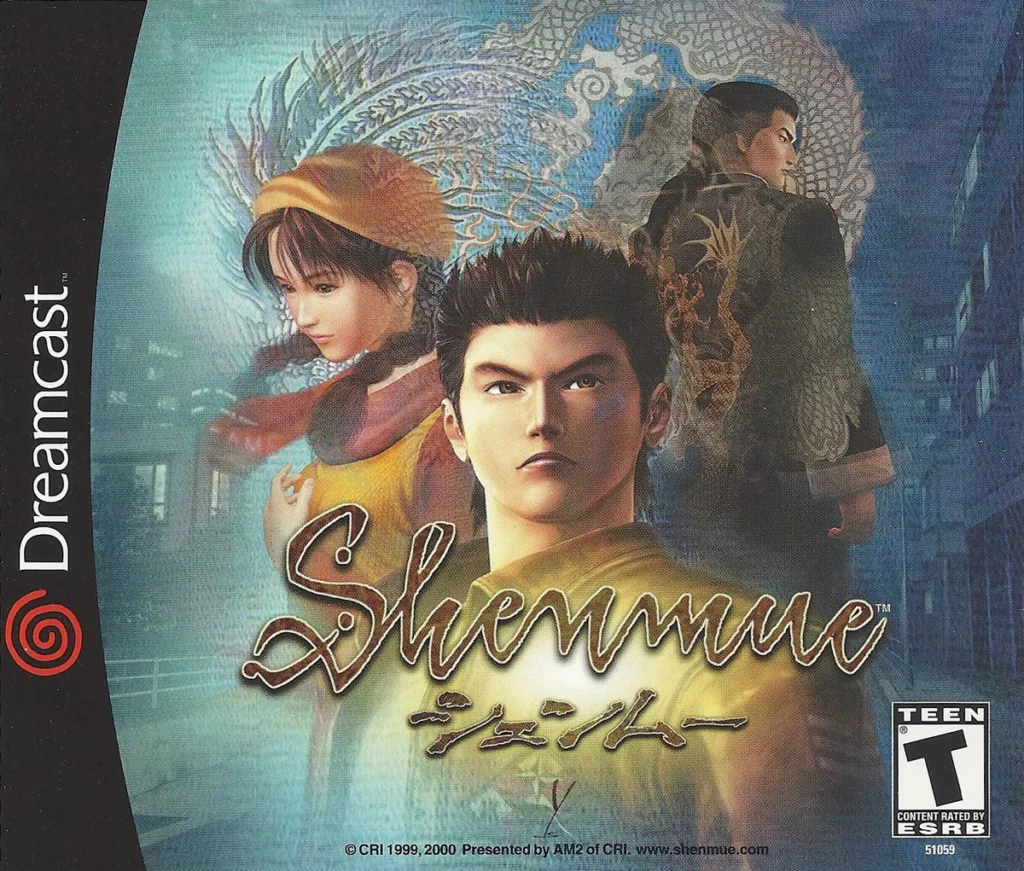
Platform: Sega Dreamcast
Released: 1999 in Japan; 2000 in North America
Shenmue was obsessed with details that other games barely considered important.
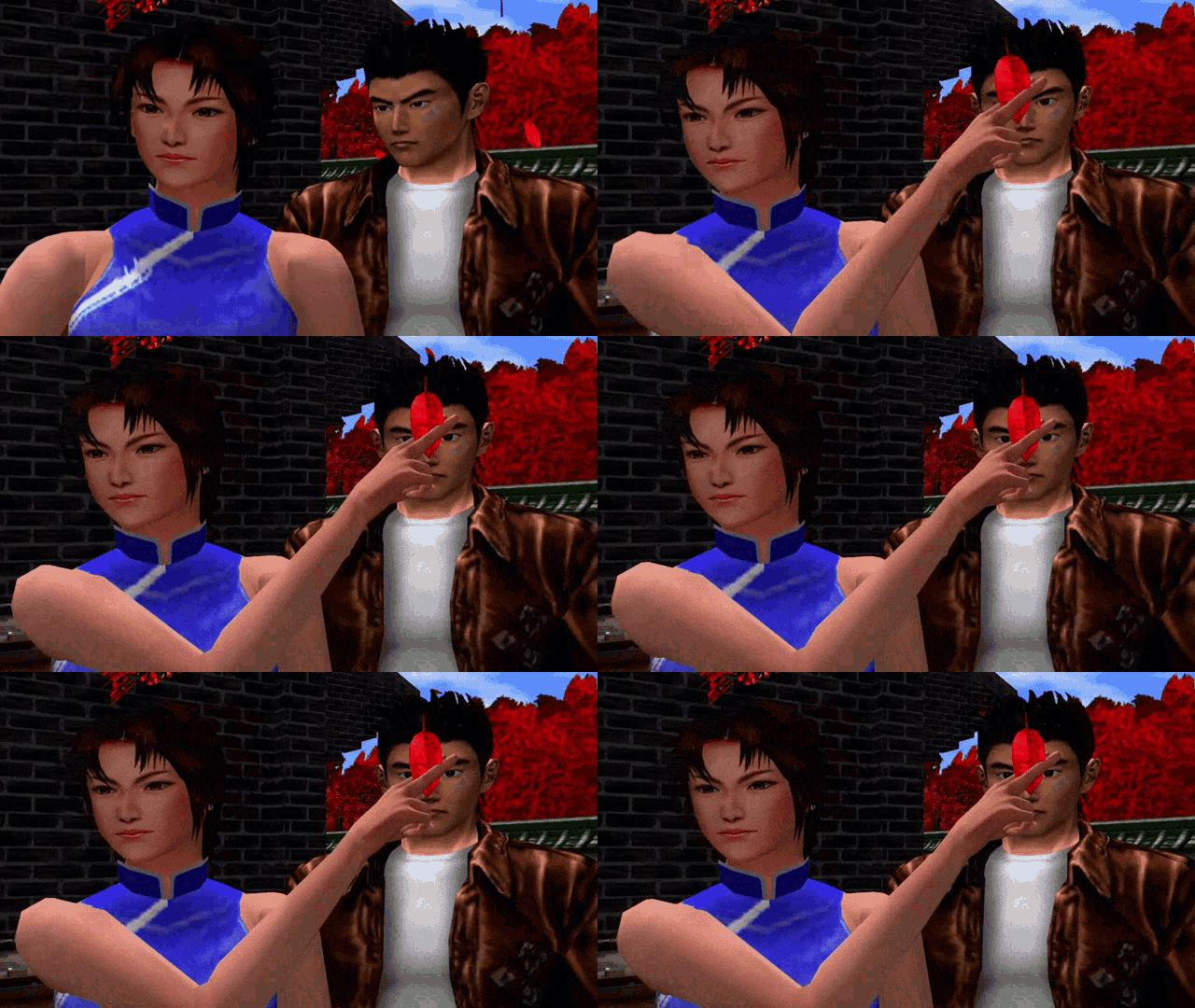
Shopkeepers followed schedules. Weather changed. People walked to work. Businesses opened and closed at specific times. Ryo Hazuki could inspect drawers, telephone friends, purchase capsule toys, practice martial arts, play arcade games, care for an abandoned kitten, or spend an entire afternoon asking residents whether they had seen a suspicious black car.
It was an epic revenge story built from ordinary routines.
That was the strange brilliance of it.
The game begins with the murder of Ryo’s father, yet much of the experience is deliberately uneventful. You walk through Dobuita, listen to conversations, study addresses, wait for appointments, and slowly become familiar with the neighborhood.
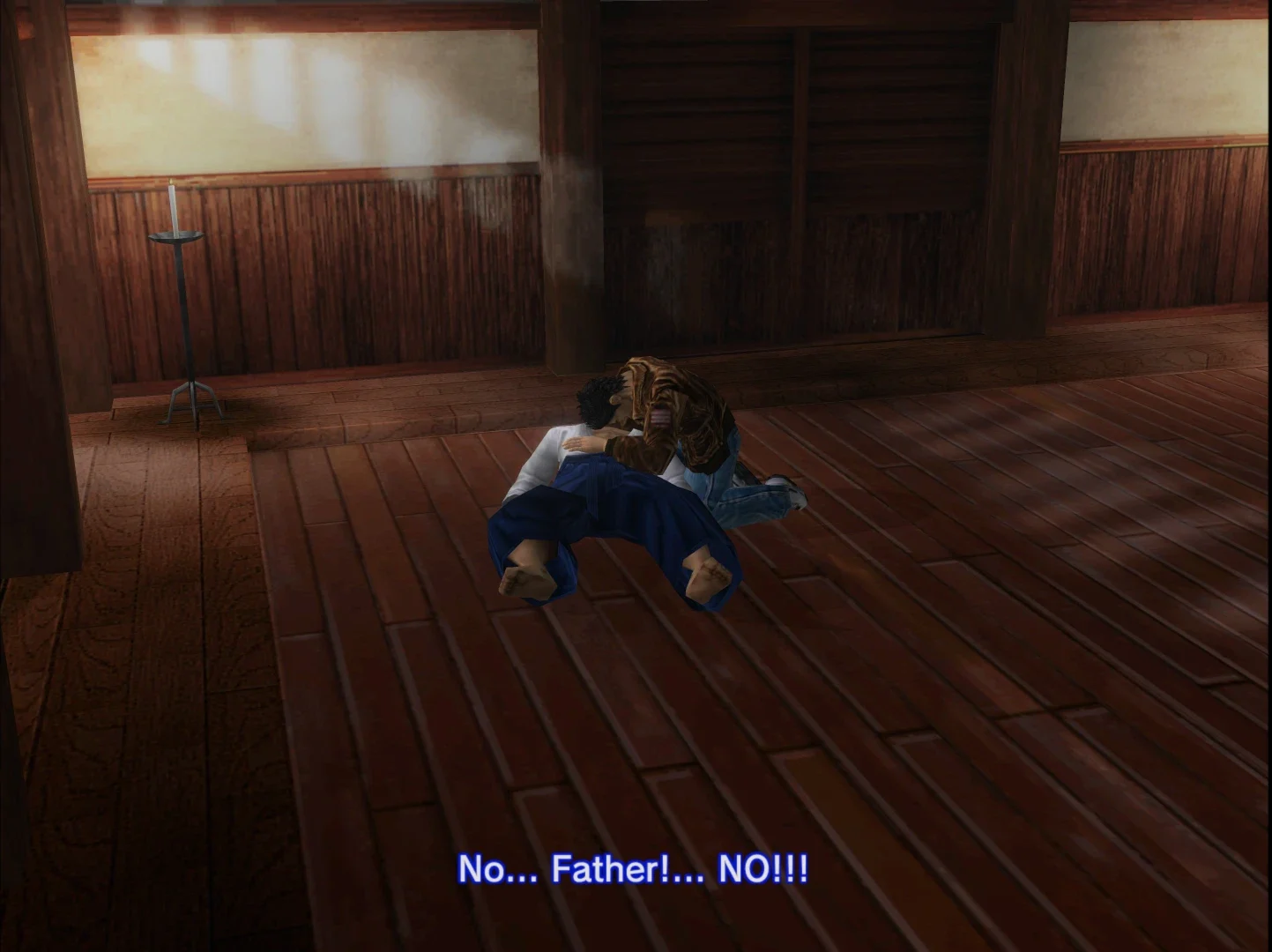
For some players, that pacing remains hypnotic. For others, it feels painfully slow. Both reactions are understandable.
Yet the world’s mundanity created a form of immersion that few console games had attempted. The thrill was not simply reaching the next fight. It was learning where the local travel agency was located, hearing a familiar arcade machine through an open doorway, or watching evening settle over streets you had begun to recognize.
The forklift job at the harbor became one of the game’s defining rituals. Ryo earns money moving crates, participates in races with coworkers, gathers information, and gradually uncovers the criminal operation connected to his investigation. Work, story, combat, and daily routine blend together into one believable place.
Shenmue also popularized the term Quick Time Event, using timed button prompts for chases, fights, and cinematic sequences. Sega’s later Shenmue I & II release remains the most convenient way to revisit the first two games on modern hardware.
It is not ahead of its time because every idea aged perfectly. It is ahead of its time because so many later open-world games pursued the same dream: a digital place that appeared to keep living whether or not the player was watching.
1. Deus Ex — The Game That Let the Player Own the Solution
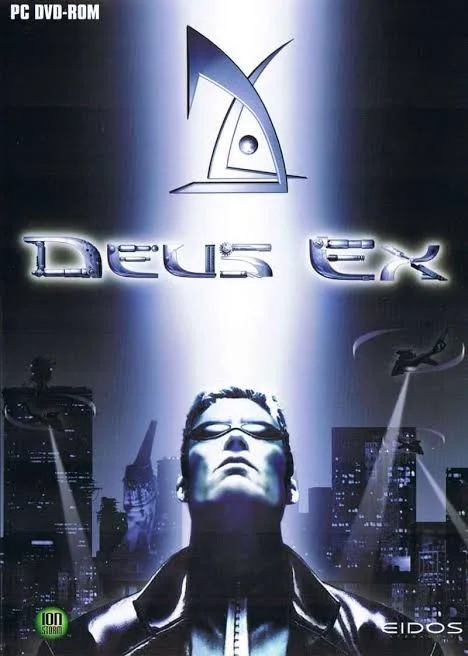
Platform: Windows PC
Released: 2000
The first mission of Deus Ex explains why it sits at the top of this list.
Agent JC Denton arrives at Liberty Island and is told to infiltrate the statue, rescue a captured operative, and deal with the terrorist leader inside. A conventional action game would give the player a weapon and point toward the front door.
Deus Ex gives you possibilities.
You can search for alternate entrances, hack systems, disable security, sneak through shadows, climb using stacked objects, use tranquilizer darts, attack directly, or combine several approaches. Characters react to what you do. Resources spent early may be unavailable later. Exploration produces not only ammunition and upgrades, but information.
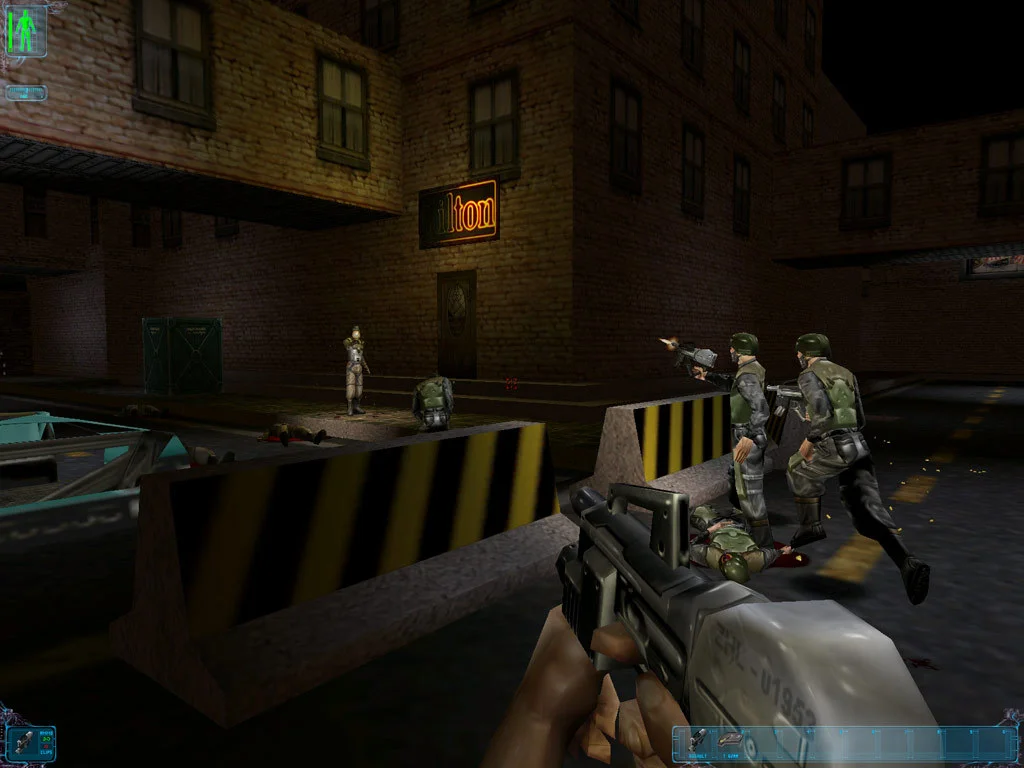
The mission feels authored without feeling predetermined.
That principle runs through the entire game. Augmentations reshape JC’s capabilities. Skills affect weapons, computers, electronics, medicine, swimming, and lockpicking. Conversations can redirect encounters. Email messages, newspapers, datacubes, and environmental details construct a conspiracy that includes governments, corporations, artificial intelligence, secret societies, and a manufactured pandemic.
Its presentation has undeniably aged. Character faces can look stiff, combat feels awkward before skills are upgraded, and inexperienced players may initially wonder why their bullets refuse to land accurately. Even so, those rough edges have not stopped Deus Ex from feeling remarkably modern where it matters most. We previously included it in our list of 10 Retro Games That Still Feel Modern in 2026 because its multiple routes, interconnected systems, and respect for player choice still feel more ambitious than many newer games.
But those rough edges are attached to extraordinary freedom.
Few games before it combined shooting, role-playing, stealth, exploration, hacking, branching decisions, and political science fiction with such confidence. More importantly, those elements support one another. The game does not merely offer several genres in the same box. It creates situations where the player’s chosen identity changes how the world is navigated.
That is why people still trade stories about how they completed missions rather than simply discussing which levels they finished.
The original Game of the Year Edition remains available digitally on PC, including through Steam. Some players use compatibility fixes or community enhancements on newer systems, but the essential design remains unmistakable.
Modern immersive sims continue chasing the promise Deus Ex delivered in 2000: give players a coherent world, meaningful tools, and enough trust to discover their own answer.
Best Way to Revisit These Retro Games Today
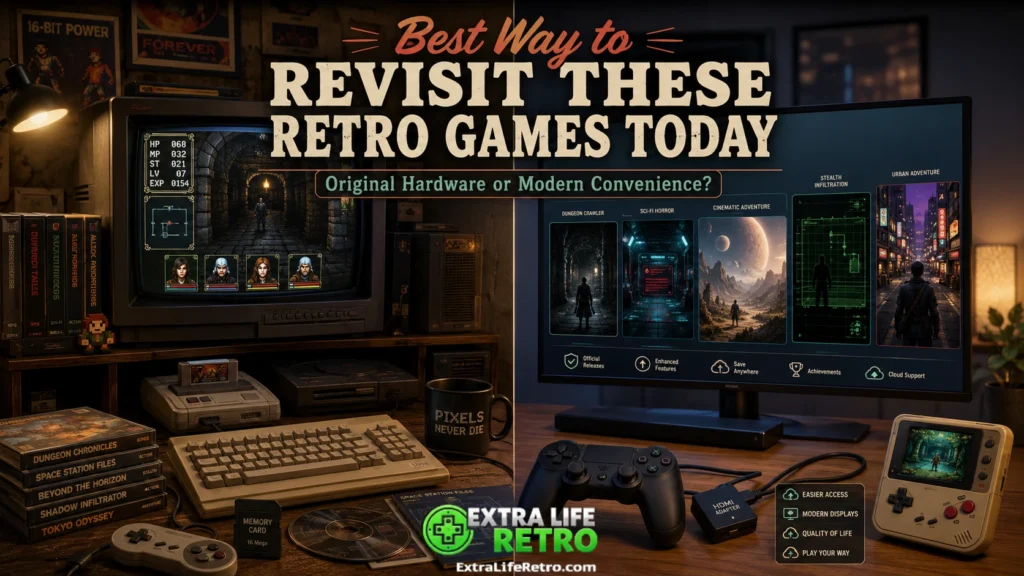
Original hardware offers the strongest nostalgia hit, but it is not automatically the smartest option for every game here.
For Quake, Another World, Shenmue, and the early Metal Gear games, official modern releases are generally more convenient than hunting down aging discs, computers, or import hardware. They also provide improvements such as updated controls, display support, save options, and easier setup.
System Shock and Ultima Underworld are best approached through modern PC releases unless you specifically enjoy configuring vintage machines. A comfortable mouse, keyboard, and readable monitor will matter more than reproducing every detail of a 1990s desk.
Collectors interested in Herzog Zwei may enjoy owning the original Genesis cartridge, particularly because the game represents such an unusual chapter in console strategy history. However, the Sega Ages version for Nintendo Switch added useful features including tutorials and online play, while the game also appeared on the Genesis Mini 2. Availability can vary by platform and region, so verify current storefront listings before buying.
The important thing is not to spend the most money. It is to choose the version that lets you appreciate why the game mattered.
The Future Was Already Flickering on the CRT
Games do not need perfect controls, smooth frame rates, or enormous budgets to glimpse the future.
Sometimes the breakthrough is a transforming mech carrying troops across a battlefield. Sometimes it is an alien companion reaching through a prison wall. Sometimes it is a space station that feels like it hates you, a virtual town where shops close at night, or a mission that refuses to tell you which door to use.
These eight retro games remind us that progress rarely arrives as one clean invention. It appears in unfinished ideas, experimental interfaces, technical compromises, and ambitious worlds that exceed what their hardware can comfortably deliver.
That is part of the joy of revisiting them.
You are not only playing an old game. You are watching designers reach toward something the rest of the industry could not fully see yet.
And decades later, we are still exploring the worlds they helped make possible.