Posted on August 31, 2026
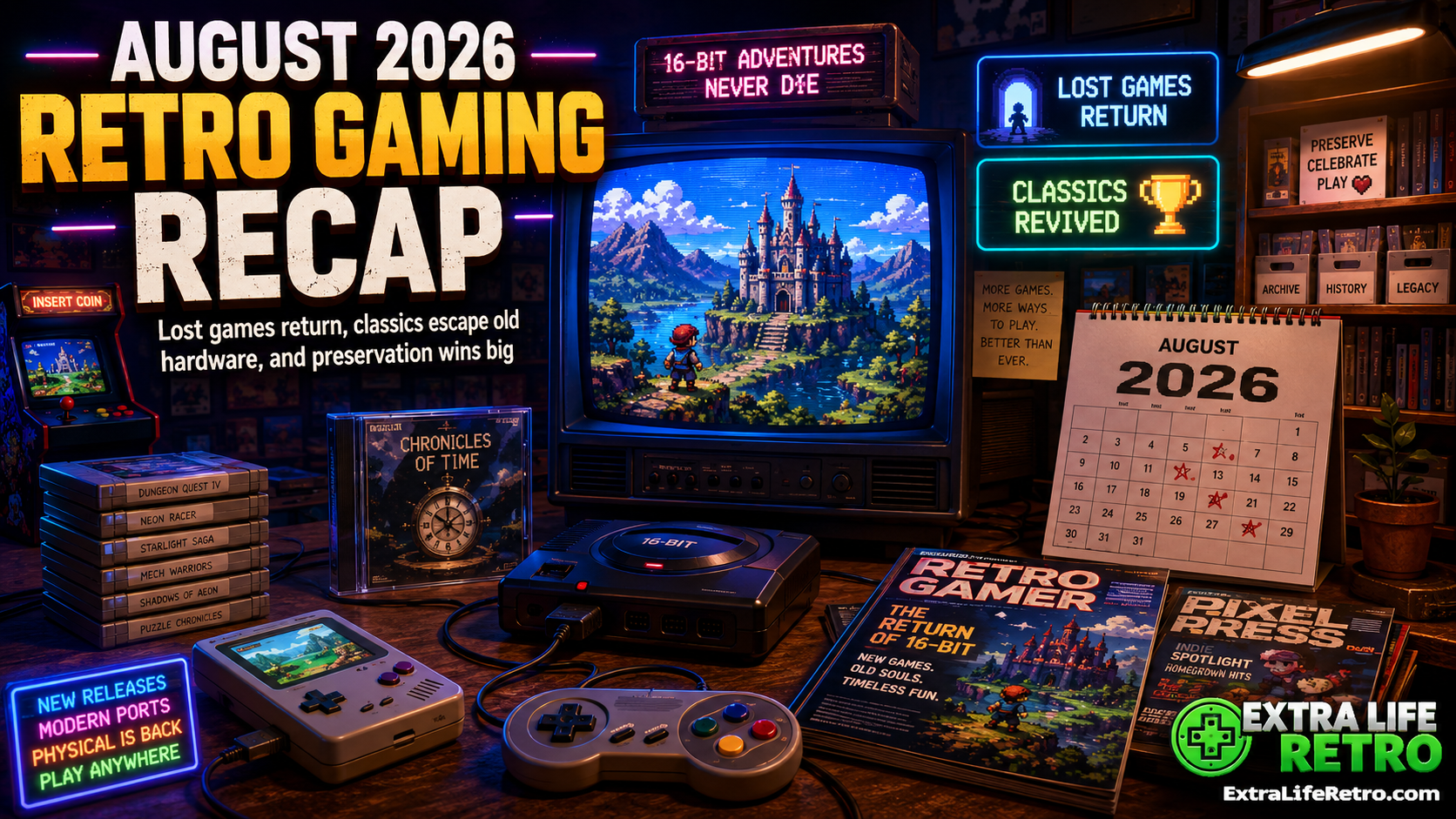
August 2026 Retro Gaming Recap: Lost Games Return, Classics Escape Old Hardware, and Preservation Wins Big
From unreleased Virtual Boy games finally seeing daylight to Terranigma reaching North America and Metal Gear Solid 4 escaping the PS3, August was a remarkable month for making gaming history playable again.
August 2026 was a very good month to be a retro gaming fan — especially if you care about actually playing old games instead of simply admiring them from behind glass.
Nintendo officially released two Virtual Boy games that never made it to stores in the 1990s. Terranigma, one of the most famous SNES-era games never released in North America, is finally coming back. Metal Gear Solid 4 escaped its PlayStation 3 prison after eighteen years. Quake celebrated its 30th anniversary with brand-new content. Meanwhile, changes surrounding Amiga ownership and development could have lasting consequences for preservation of one of computing’s most important platforms.
The thread running through all of this is accessibility.
These aren’t simply familiar retro games being repackaged one more time. Several of August’s biggest stories involve games, source material, or platforms that have spent years — sometimes decades — unusually difficult to access.
For anyone who believes gaming history is better when people can experience it rather than merely read about it, that’s worth celebrating.
What We Know So Far
Here are the biggest confirmed retro gaming developments from August 2026:
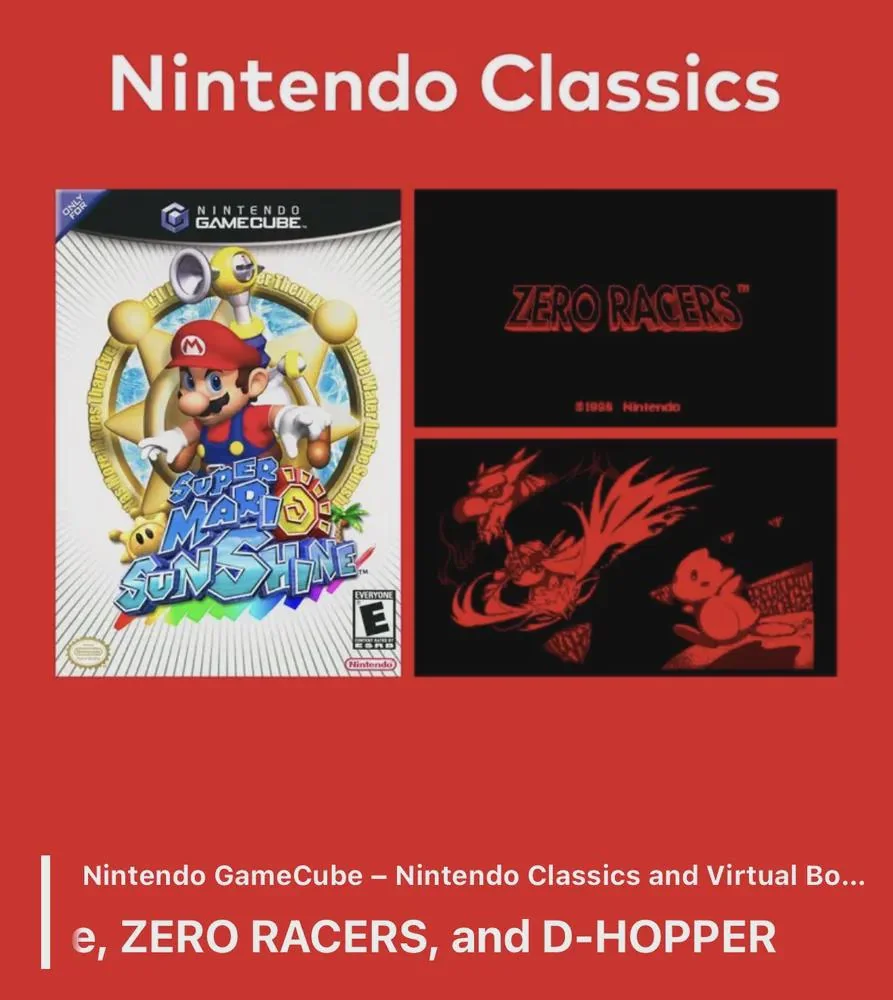
- Nintendo released the previously unreleased Virtual Boy games ZERO RACERS and D-HOPPER through Nintendo Classics on August 4.
- id Software marked Quake’s 30th anniversary with a free new episode, Dawn of the Machine, created with MachineGames.
- Amiga Corporation announced agreements affecting Commodore licensing, AmigaOS development, historical source code, and preservation efforts.
- Super Mario Sunshine joined Nintendo GameCube – Nintendo Classics on Switch 2 on August 13.
- PlayStation added PS2 title Onimusha: Dawn of Dreams and PS1 title Disney’s Atlantis: The Lost Empire to its Classics Catalog.
- Clear River Games announced that Terranigma will finally receive an official North American release on modern hardware in 2027.
- Metal Gear Solid: Master Collection Vol. 2 launched August 27, finally bringing Metal Gear Solid 4 beyond PS3.
- The eight-game IGS Classic Arcade Collection reached PC via Steam, bringing titles including Demon Front, Martial Masters, and multiple Knights of Valour games to another modern platform.
And that combination made August feel less like another month of remasters and more like somebody had started unlocking doors in gaming history.
Nintendo Just Released Two Virtual Boy Games That Never Came Out
One of August’s strangest preservation stories began with Nintendo’s most infamous console.
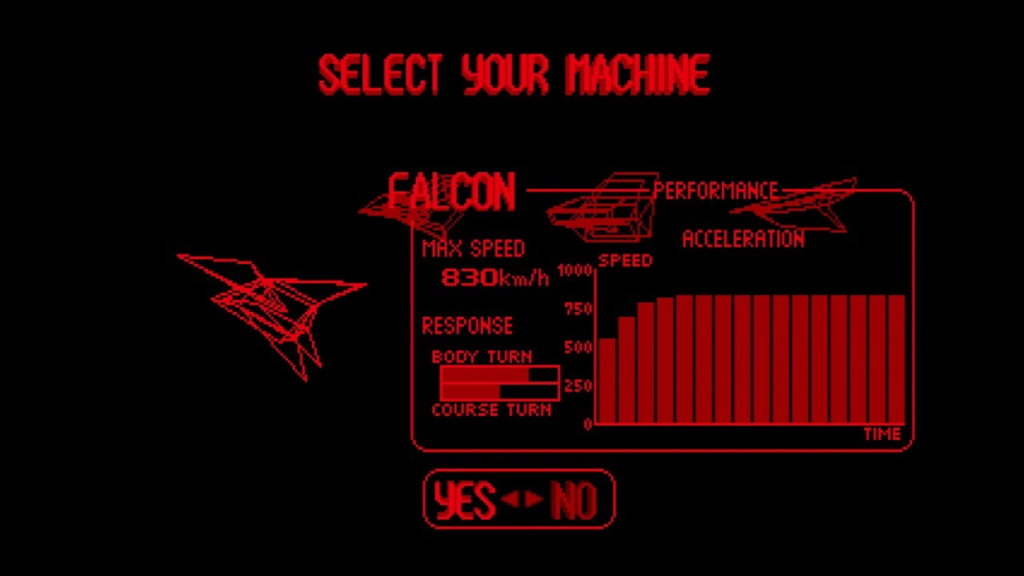
On August 4, Nintendo added ZERO RACERS and D-HOPPER to Virtual Boy – Nintendo Classics for Nintendo Switch Online + Expansion Pack subscribers. Both games had originally been planned for the Virtual Boy but never commercially released during the hardware’s brief life.
Think about that for a moment.
These aren’t obscure games returning after thirty years.
For most players, they’re effectively new thirty-year-old Nintendo games.
ZERO RACERS is a futuristic racing game related to the F-Zero lineage, while D-HOPPER — once known as Dragon Hopper — is an action game from Intelligent Systems. Nintendo also added screen-color customization to its Virtual Boy Classics software.
For preservation-minded players, this is exactly the sort of material that makes modern retro services interesting.
The Virtual Boy’s commercial failure meant its library was tiny to begin with. Unreleased software traditionally survives through prototypes, collector discoveries, ROM dumps, screenshots in old magazines, developer archives, or sometimes not at all.
Here, Nintendo has taken software that disappeared before reaching retail shelves and turned it into an official commercial release roughly three decades later.
That’s considerably more interesting than adding another game we’ve already purchased five times.
Quake Turned 30 — So MachineGames Built More Quake
The original Quake turned 30 this summer, and id Software celebrated by doing something refreshingly appropriate:
It gave us more Quake.
On August 6, Bethesda and id Software released a free anniversary update containing Dawn of the Machine, an entirely new episode developed by MachineGames in collaboration with id Software. It follows MachineGames’ previous work on Dimension of the Past and Dimension of the Machine.
There is something wonderful about a 1996 game receiving meaningful new content in 2026.
Quake wasn’t merely another first-person shooter from the era when shareware discs, beige PCs, and LAN parties ruled the earth. Its fully 3D environments, networked multiplayer, technology and modding culture helped shape what PC gaming would become.
Thirty years later, the game isn’t being treated exclusively as museum material.
It’s still being expanded.
That distinction matters.
Good preservation keeps the original work available. Great stewardship can sometimes allow the surrounding culture to keep breathing too.
And because Dawn of the Machine was released as a free update to the existing modern version of Quake, this isn’t an anniversary celebration requiring longtime fans to buy another collector’s box simply to participate.
The Amiga Preservation Story May Be Bigger Than It Looks
August also brought a development that isn’t as immediately flashy as a new game announcement but may be significantly more important over the long term.
On August 4, Amiga Corporation announced new agreements involving Commodore International Corporation and Hyperion Entertainment. According to Amiga, the arrangements clarify rights involving Commodore and Amiga technology, replace a previous 2009 agreement with Hyperion, and establish a framework for continued 68K AmigaOS development.
The preservation implications are particularly interesting.
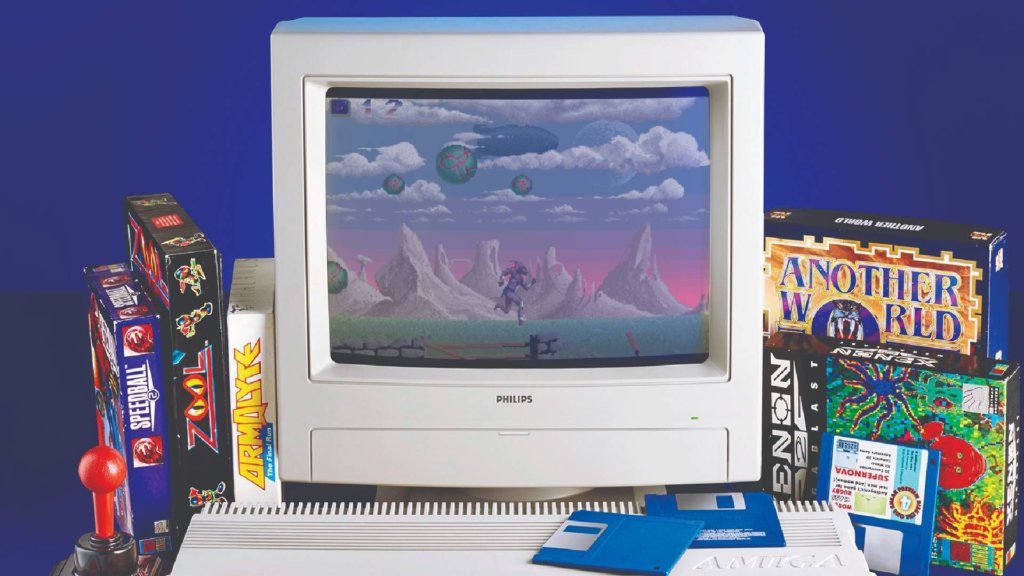
Amiga says its holdings include historical source code, binaries, firmware, hardware designs, manufacturing material, documentation and other archival assets from former Commodore and Amiga companies. The company also says Hyperion will deliver source code, revision history and documentation relating to AmigaOS 3.1.4 under the new arrangement.
More importantly, Amiga explicitly described preservation as part of its mission.
The company says it is cataloging historical software, source code, artwork, documentation, photographs, videos and corporate records while working with preservationists, former employees and cultural institutions.
That’s encouraging language, although retro fans should judge the results over time rather than celebrating corporate promises before they turn into accessible preservation projects.
Still, the Amiga deserves serious preservation work.
This was a machine tied to games like Lemmings, The Secret of Monkey Island, Cannon Fodder, Sensible Soccer, Shadow of the Beast and countless European computer-game memories that don’t always fit neatly into the NES-versus-Genesis version of gaming history.
If greater rights clarity makes legitimate archival releases and continued development easier, August may eventually look like an important turning point.
Super Mario Sunshine Joined Nintendo’s Growing GameCube Library
Not every retro release needs to be rescued from a vault.
Sometimes it’s enough to make a beloved game easier to play again.
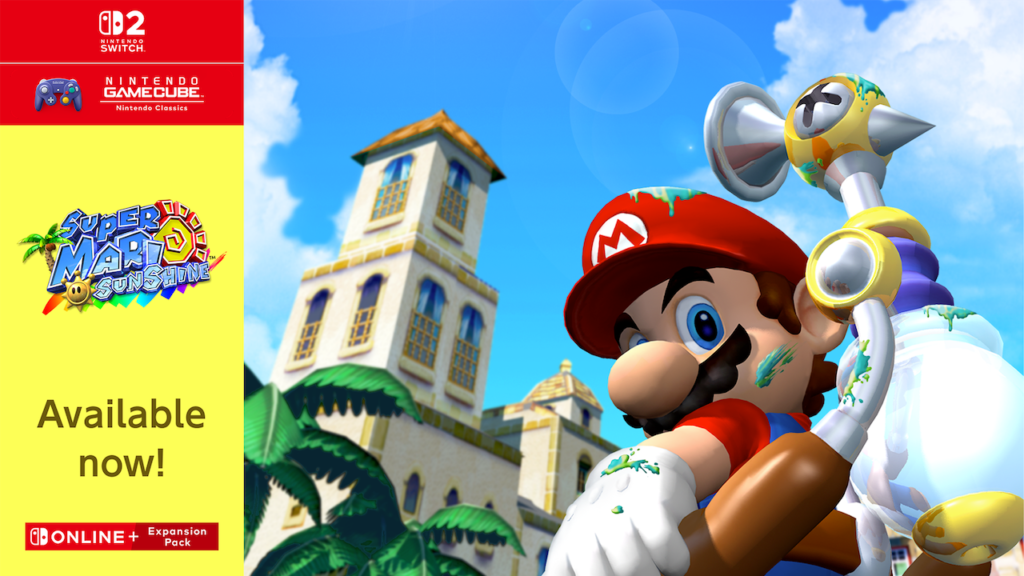
Nintendo added Super Mario Sunshine to Nintendo GameCube – Nintendo Classics on August 13 for Nintendo Switch Online + Expansion Pack subscribers using Switch 2.
Originally released for GameCube in 2002, Sunshine remains one of Mario’s strangest 3D adventures: Isle Delfino, FLUDD, blue coins, tropical music, ridiculously unforgiving secret stages and enough goop to keep an entire fictional sanitation department employed.
Nintendo’s GameCube Classics service now represents an increasingly important route back into that generation.
That matters because GameCube collecting stopped being cheap years ago.
For players who simply want to experience Nintendo’s sixth-generation library without chasing original discs, memory cards, component cables and increasingly collectible hardware, subscription access lowers the barrier dramatically.
It doesn’t replace ownership.
But accessibility and ownership are different preservation questions, and both matter.
PlayStation Brought Back Onimusha: Dawn of Dreams and Atlantis
Sony also dug deeper into its older catalog in August.
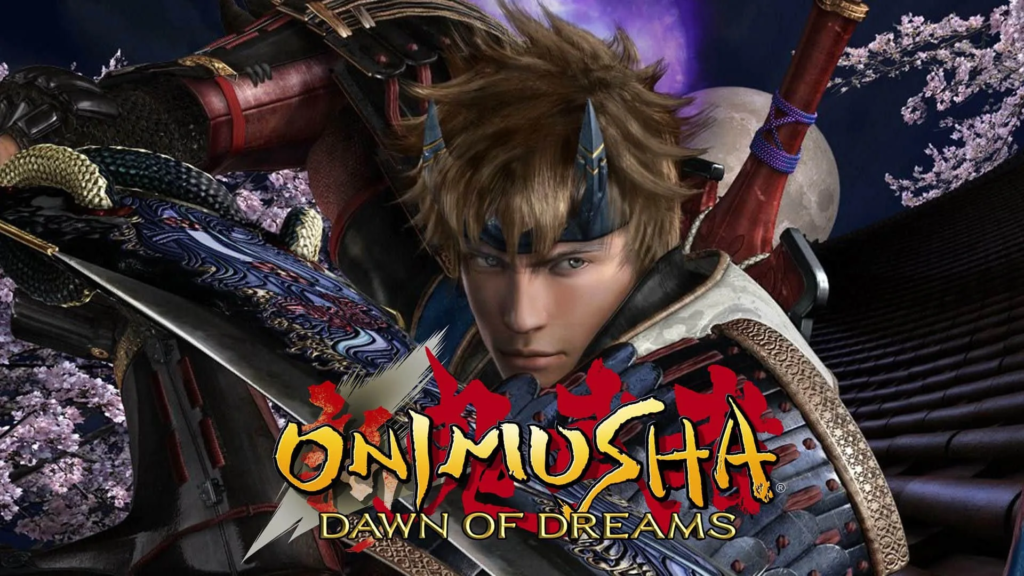
On August 18, Onimusha: Dawn of Dreams and Disney’s Atlantis: The Lost Empire joined PlayStation Plus Premium’s Classics Catalog.
Dawn of Dreams is especially welcome.
Originally released for PlayStation 2, Capcom’s 2006 action game arrived near the tail end of the original Onimusha era. Its appearance on PS4 and PS5 gives modern players another legitimate route into a series that deserves far more visibility than it received for much of the last two decades. Sony’s store also lists the game separately for $9.99, rather than restricting access exclusively to the subscription.
Atlantis reaches even further back.
The original PlayStation game now includes up-rendering, rewind, quick-save functionality and video filters on PS4 and PS5.
Neither game is the kind of obvious blockbuster that dominates every retro compilation.
That’s exactly why their return is valuable.
Retro libraries become far more interesting when publishers move beyond the same twenty universally recognized classics.
Terranigma Is Finally Coming to North America
This may be August’s most emotionally satisfying announcement.
Terranigma is coming back.
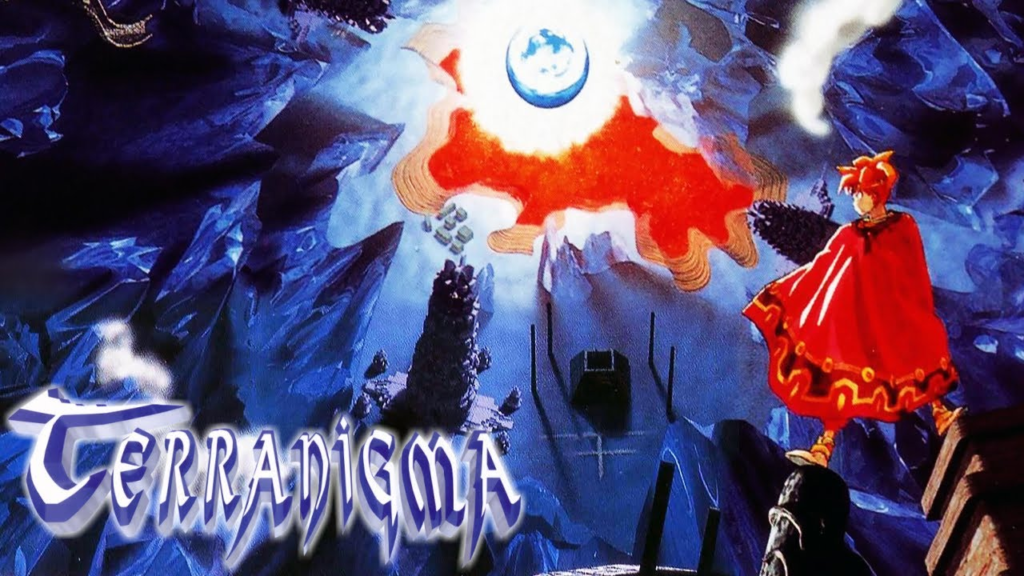
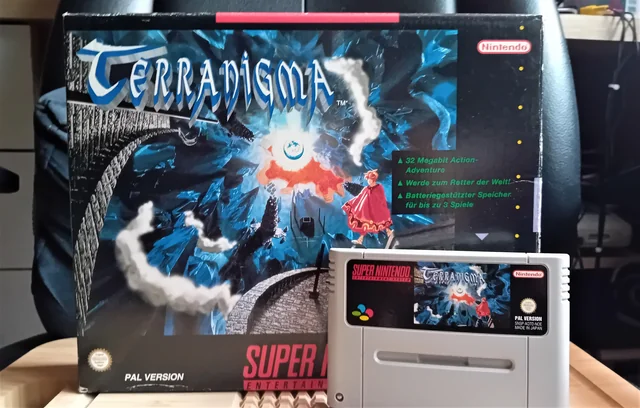
Clear River Games, working in cooperation with Square Enix, announced on August 24 that Quintet’s 1995 action RPG is being revived for modern platforms in 2027. Confirmed platforms include PS5, Xbox Series X|S, Switch 2, PS4, Switch and PC through Steam and GOG.
Most importantly for North American players, this will be the game’s first official North American release.
Terranigma originally appeared in Japan and later received PAL releases in Europe and Australia, but North America missed it completely.
That absence helped transform it into one of those legendary SNES games American players heard about through imported cartridges, emulation, fan communities and endless “best games we never got” lists.
Now that story is finally changing.
Physical and digital releases are planned, while original character designer Kamui Fujiwara is involved with new artwork and production feedback. The publisher has described upgrades and bonus features, although exact details remain limited. Pricing and a precise launch date have not yet been announced.
Collectors may want to resist paying extreme import prices unless owning the original cartridge itself is the goal.
For everyone else?
Waiting for the new release suddenly makes a lot more sense.
Metal Gear Solid 4 Finally Escaped the PlayStation 3
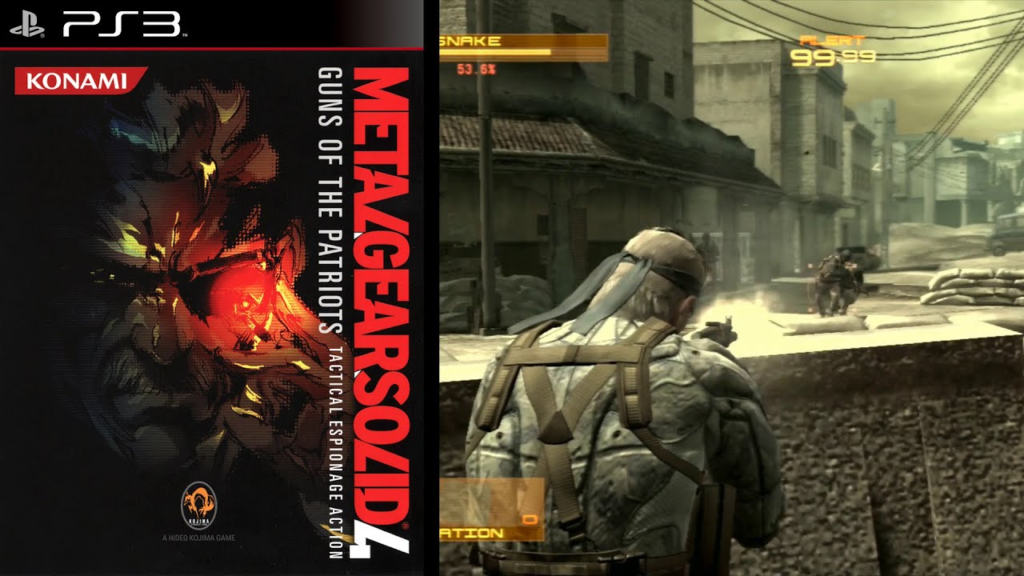
And then there is Snake.
Metal Gear Solid: Master Collection Vol. 2 launched worldwide on August 27 for Switch 2, Switch, PS5, Xbox Series X|S and Steam. The collection includes Metal Gear Solid 4: Guns of the Patriots, Metal Gear Solid: Peace Walker and Metal Gear: Ghost Babel as bonus content.
For preservation, Metal Gear Solid 4 is the headline.
Until now, the 2008 game had never been ported from PlayStation 3. Konami describes this release as its first appearance on modern platforms, with enhanced visuals.
That makes this more than another compilation.
For nearly two decades, playing one of the central chapters of the Metal Gear Solid saga meant keeping a PS3 around.
Now it doesn’t.
Peace Walker also returns based on its HD Collection version, with online multiplayer supporting up to six players, while the Game Boy Color’s excellent Ghost Babel adds an unusually deep cut to the package.
Considering how heavily Metal Gear Solid 4 reflects on memory, age and the passing of eras, there is something strangely fitting about the game itself finally being freed from aging hardware.
A Smaller Arcade Win: IGS Classics Reached PC
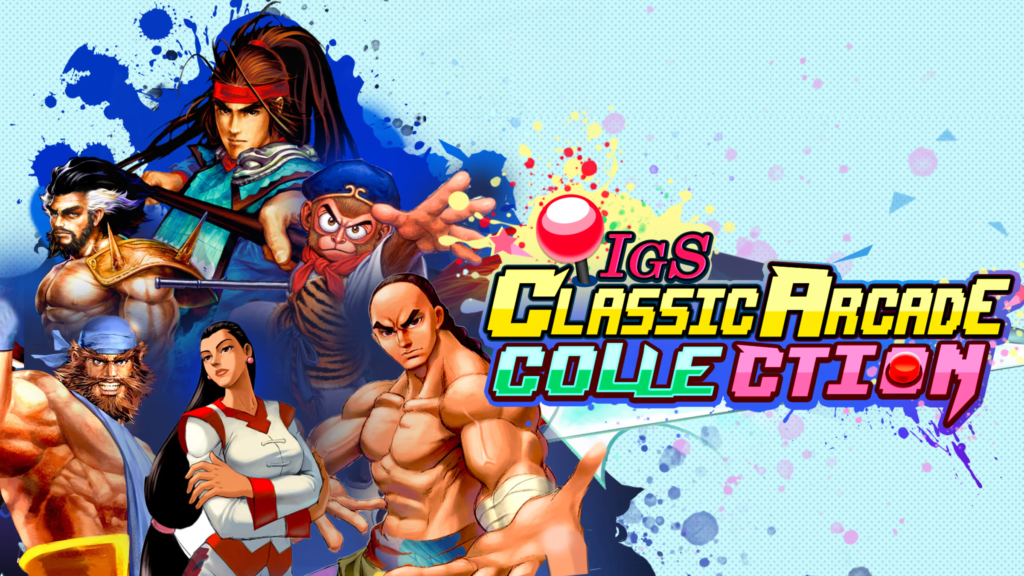
August also brought eight International Game System arcade titles to Steam through the IGS Classic Arcade Collection.
The lineup includes:
- Knights of Valour: Super Heroes
- Knights of Valour Plus
- Knights of Valour 2 – Nine Dragons
- Oriental Legend
- Oriental Legend Spooky
- Martial Masters
- Demon Front
- The Gladiator
The collection supports online or local multiplayer for up to four players depending on the game.
This isn’t the month’s biggest release, but it represents another encouraging trend: modern retro collections are gradually digging beneath the usual Namco, Capcom, Sega and Konami arcade standards.
The deeper publishers dig, the healthier arcade preservation becomes.
Why Retro Fans Should Care
August 2026 demonstrated several different versions of preservation working at the same time.
Nintendo turned cancelled software into officially playable history.
Clear River Games is bringing a famously inaccessible SNES RPG into a major territory for the first time.
Konami liberated a major game from hardware exclusivity.
Sony continued filling holes in its PS1 and PS2 catalog.
id Software treated a thirty-year-old game as something alive enough to receive new levels.
And Amiga’s changing rights situation could help determine how an entire computing legacy is preserved and developed in the years ahead.
That’s the important part.
Retro gaming cannot survive exclusively through expensive cartridges changing hands between collectors.
Physical collecting is wonderful. Original hardware matters. Archival preservation matters.
But access matters too.
The easiest way to keep an old game culturally relevant is to let people play it.
What This Means for Players and Collectors
August also reinforced why players should think carefully before paying inflated prices simply because a game has historically been hard to obtain.
Terranigma is the perfect example.
An original copy still has legitimate collector value as a historical artifact, and the new edition won’t change that. But someone whose primary goal is simply to experience the game will soon have a dramatically easier alternative.
The same principle applies to Metal Gear Solid 4, Onimusha: Dawn of Dreams, Virtual Boy software and increasingly large portions of Nintendo’s classic catalog.
Before buying an expensive original, ask one simple question:
Do I want to collect this version, or do I just want to play the game?
Those are completely different purchases.
Best Ways to Play Without Overpaying
For most readers, August’s announcements make modern access the sensible starting point.
Nintendo Switch Online + Expansion Pack now offers increasingly useful GameCube and Virtual Boy libraries. PlayStation Plus Premium continues adding older PS1 and PS2 titles, while certain classics such as Onimusha: Dawn of Dreams can also be purchased separately. Quake’s modern release continues receiving support decades after the original launch. And collectors interested in Terranigma now have a very good reason to see what its upcoming physical editions look like before spending heavily on an imported SNES cartridge.
If you prefer original consoles on a modern display, a quality HDMI scaler or adapter can still make old hardware far easier to live with. But don’t feel obligated to build a museum before you’re allowed to enjoy retro games.
The point is to play them.
What We Still Don’t Know
Several August stories remain worth watching.
Terranigma has an early-2027 window, but no exact release date or confirmed price yet, and details surrounding its upgrades remain limited.
Amiga’s new legal and preservation framework sounds promising, but the meaningful test will be what historical material actually becomes accessible and what future projects result from those agreements.
And subscription-based classic libraries still leave the larger ownership question unresolved. Having easy access today is excellent; guaranteeing access twenty years from now is another matter entirely.
That tension isn’t going away.
August 2026 Felt Like Gaming History Opening Up
July reminded retro gamers that digital access can disappear.
August gave us the other side of that story.
Games that were cancelled came out.
A SNES RPG that skipped America got another chance.
A PS3 exclusive finally escaped its original machine.
A 30-year-old shooter received new levels.
Old arcade games reached another audience.
And the custodians of Amiga’s history started sorting out rights that could affect preservation for years to come.
There will always be room in retro gaming for cartridges, jewel cases, cardboard boxes, CRT televisions and that wonderful feeling of hearing original hardware click to life.
But the health of this hobby cannot be measured only by how much old stuff survives on collectors’ shelves.
It should also be measured by how much of gaming history people can still experience.
In August 2026, that history became just a little easier to reach.