
Posted on August 21, 2026
11 Retro Platformers That Defined Childhood Weekends
Disclosure: Some of the links in this post are affiliate links. As an Amazon Associate we earn from qualifying purchases. This means if you click on the link and purchase an item, we will receive an affiliate commission at no extra cost to you. All opinions remain our own. We only recommend products or services we believe will add value to our readers.
Before online matchmaking, endless seasonal updates, and digital backlogs, these were the games that could swallow an entire Saturday.
There was a particular rhythm to childhood weekends in the cartridge-and-disc era. The CRT came on. A controller cable stretched across the living-room floor. Maybe there was a rented game sitting beside the console, still tucked inside one of those chunky video-store cases. Maybe a friend came over carrying a cartridge you had only seen in magazines. And suddenly, whatever plans existed for Saturday afternoon were gone.
Retro platformers were especially good at doing this. They were immediately understandable—run, jump, explore, survive—but the great ones always gave us something else to obsess over: secret exits, impossible bonus stages, strange new worlds, collectible hunts, bosses we couldn’t beat, and levels we couldn’t stop replaying.
This isn’t a ranking. It’s a celebration of games that captured the weekend feeling: accessibility, replay value, memorable worlds, cultural impact, and that dangerous ability to make “one more level” turn into three more hours. Some were revolutionary. Others were simply ridiculously fun. All 11 left fingerprints on childhood gaming culture.
11. Chip ‘n Dale Rescue Rangers

Platform: NES
Released: 1990
Some platformers were solitary challenges. Chip ‘n Dale Rescue Rangers became memorable because somebody else could grab a controller.
Capcom’s Disney platformer turned couch co-op into organized chaos. Chip and Dale could pick up crates, throw them at enemies, and—more importantly—pick up each other. That meant cooperation could instantly become sabotage when a sibling decided launching you across the screen was more entertaining than defeating Fat Cat.

The mechanics were simple enough for younger players, but the two-player mode gave the game enormous weekend appeal. This was exactly the kind of cartridge that worked beautifully as a rental: easy to understand Friday night, increasingly competitive by Saturday afternoon.
For newer retro fans, it is a reminder that local multiplayer didn’t need elaborate systems. Sometimes two characters, one screen, and the ability to throw your friend into danger were enough.
10. Disney’s Aladdin
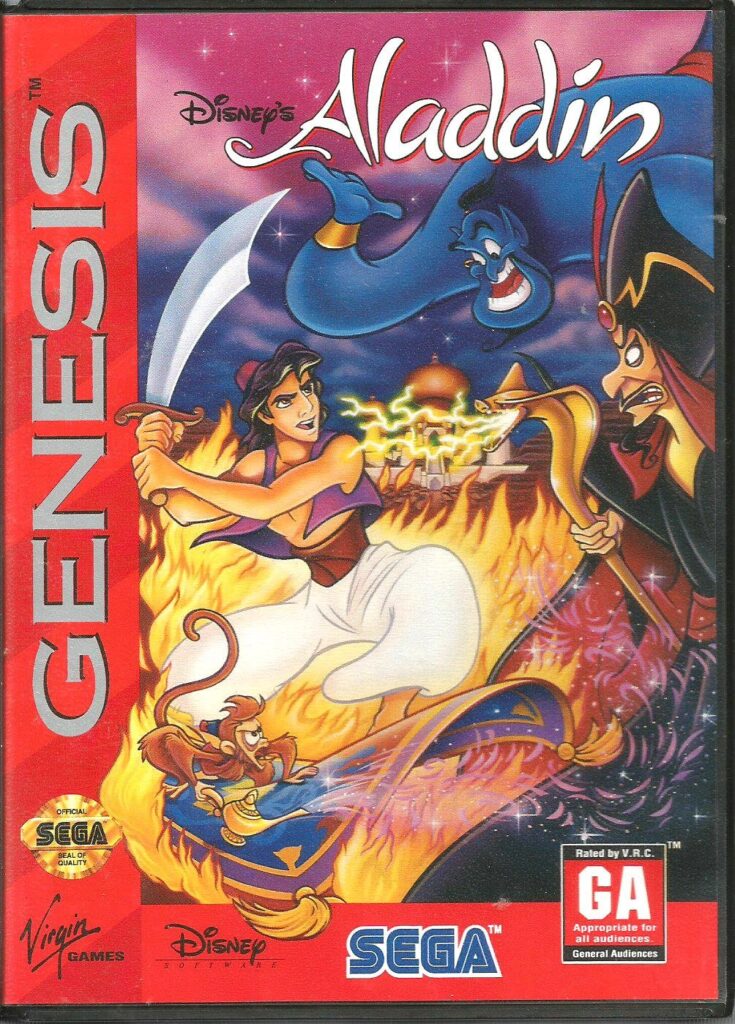
Platform: Sega Genesis
Released: 1993
For a generation of Genesis owners, Aladdin looked almost impossibly close to a Saturday-morning cartoon.
Virgin Games and Disney’s collaboration produced fluid character animation that gave Aladdin a remarkable sense of personality. Running across Agrabah rooftops, bouncing off awnings, tossing apples at guards, and swinging a sword made the game feel fast, colorful, and theatrical.
Then came the Cave of Wonders escape.

That frantic magic-carpet sequence remains one of those levels people remember with equal parts affection and irritation. It also perfectly captures the era: gorgeous visuals, instantly recognizable source material, and difficulty capable of consuming an entire afternoon.
It wasn’t merely another licensed game. It was one of those cartridges that made the Genesis feel exciting when somebody brought it over.
9. Kirby Super Star

Platform: Super Nintendo
Released: 1996
Few childhood games understood variety quite like Kirby Super Star.
Rather than presenting one enormous adventure, HAL Laboratory packed the cartridge with multiple games and modes. Spring Breeze offered the approachable Kirby experience. The Great Cave Offensive encouraged exploration and treasure hunting. Revenge of Meta Knight injected urgency and personality into the formula.
And then there was the second player.
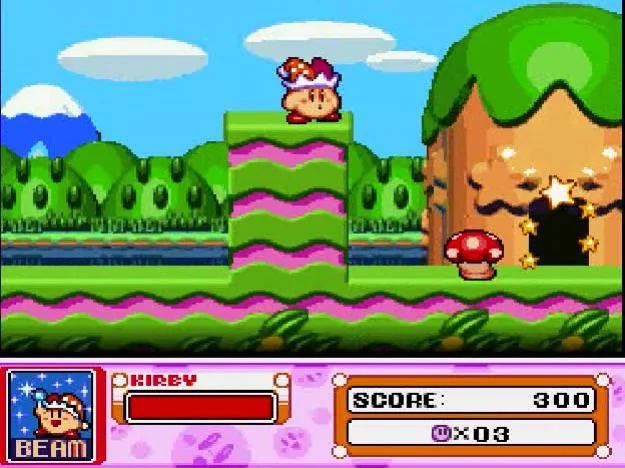
Kirby’s ability to transform copied powers into helper characters meant a friend could jump into the adventure without the game becoming inaccessible. It made Kirby Super Star unusually friendly to mixed-skill households where one kid knew every ability and another simply wanted to participate.
That flexibility is precisely why it belongs here. Weekend games were not always about conquering something brutally difficult. Sometimes they were about finding a game nobody wanted to stop playing.
8. Crash Bandicoot 2: Cortex Strikes Back

Platform: PlayStation
Released: 1997
Crash Bandicoot 2 occupies a special place in PlayStation nostalgia because it transformed Crash from an impressive mascot into the star of a genuinely great platformer.
The warp room alone could become burned into memory: standing in that circular hub, choosing the next portal, wondering what kind of madness waited on the other side.

Polar bear rides, belly flops, crate puzzles, hidden gems, chase sequences—the game constantly changed the rhythm without losing its identity. And getting every box suddenly made levels you thought you understood far more complicated.
Its save system and relatively compact stages also made it wonderfully suited to weekend play. You could make tangible progress, hand the controller to someone else, then become inexplicably invested in whether they managed to break every crate.
For PS1-era kids, that sound of Crash smashing through boxes remains practically neurological.
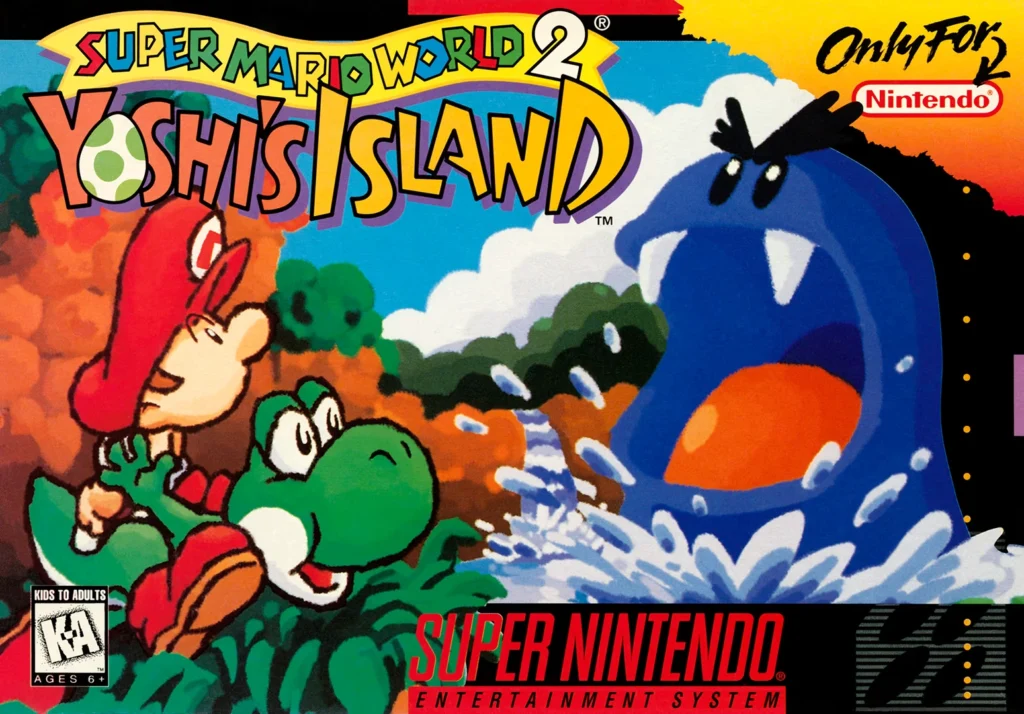
7. Yoshi’s Island
Platform: Super Nintendo
Released: 1995
At first glance, Super Mario World 2: Yoshi’s Island looked gentle.
Then Baby Mario started crying.
That frantic alarm remains one of the most effective motivational sounds in 16-bit gaming. Lose Baby Mario and suddenly the dreamy crayon scenery disappears emotionally while you desperately scramble to recover him before the timer expires.
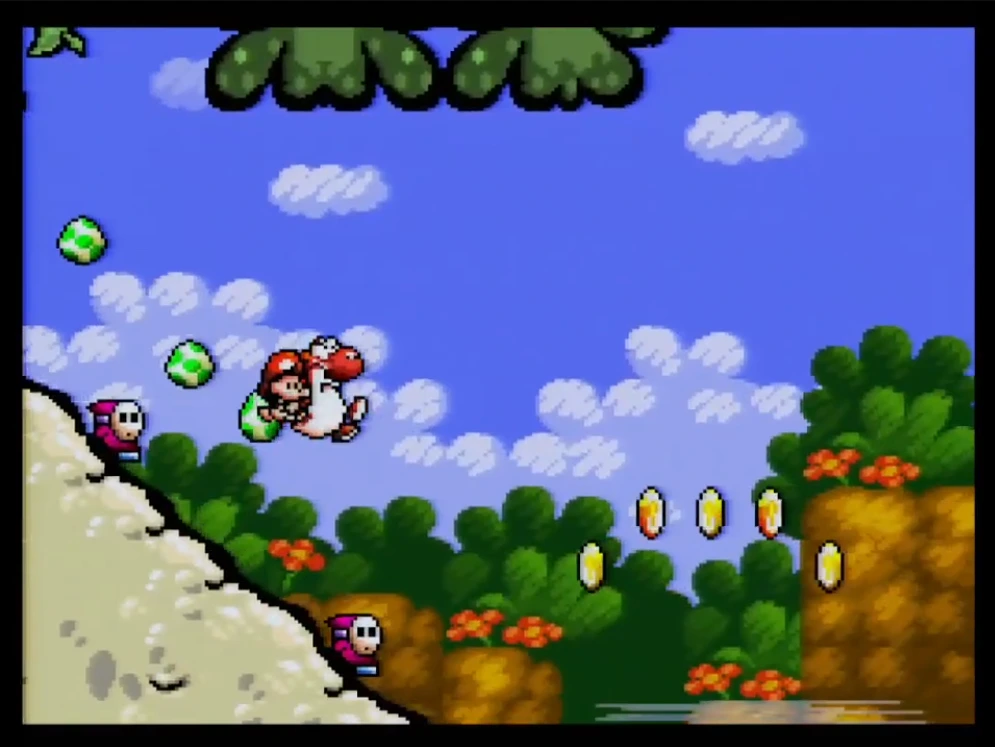
But that tension existed inside one of Nintendo’s most imaginative platformers. Yoshi could swallow enemies, create eggs, ricochet shots off walls, flutter-jump across gaps, and transform into vehicles during wonderfully strange sequences.
The hand-drawn visual style gave the game a storybook personality that looked different from practically everything surrounding it.
It also rewarded the kind of obsessive replaying weekends were made for. Finishing a level was one thing. Finding all the flowers, red coins, and stars was another afternoon entirely.
6. Spyro 2: Ripto’s Rage!

Platform: PlayStation
Released: 1999
Not every great weekend platformer was about sprinting toward a finish line.
Spyro 2 invited players to wander.
Insomniac’s sequel surrounded its purple dragon with colorful hub worlds, memorable characters, optional challenges, talismans, orbs, and enough side activities to make simply exploring feel rewarding. Gliding toward a ledge that looked just barely reachable became its own miniature obsession.

The game’s personality mattered just as much. Moneybags demanding gems at inconvenient moments, Hunter appearing with another challenge, and Ripto’s tiny-but-angry villainy gave the adventure a playful tone.
For newer retro players, Spyro 2 represents something increasingly valuable about late-’90s 3D platformers: worlds designed to make wandering around enjoyable even when you weren’t aggressively pursuing an objective.
Sometimes childhood weekends weren’t about finishing the game.
They were about living in it for a while.
5. Donkey Kong Country

Platform: Super Nintendo
Released: 1994
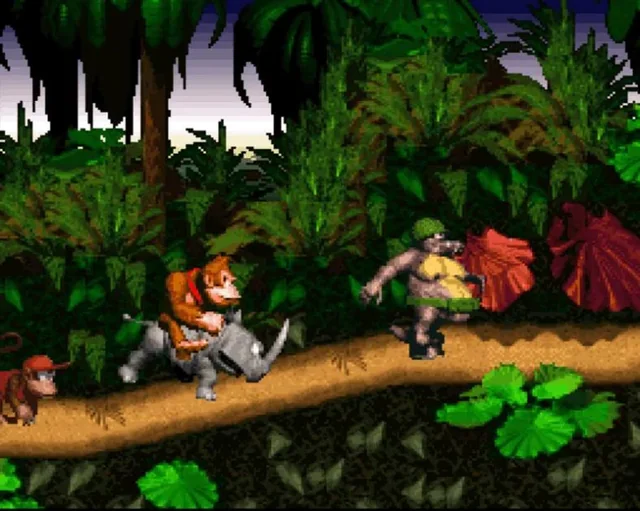
Seeing Donkey Kong Country running on a SNES in 1994 felt like somebody had quietly replaced the console.
Rare’s pre-rendered graphics drew enormous attention, but the reason the game endured was underneath the visual spectacle. Barrel cannons, mine-cart stages, animal buddies, hidden bonus rooms, and tightly constructed platforming gave it substance.
And then there was the music.
David Wise’s Aquatic Ambience turned underwater exploration into something strangely atmospheric and almost dreamlike—a remarkable mood for a game starring an ape collecting bananas.
Donkey Kong Country also carried the unmistakable energy of the cartridge era. Secrets were traded between friends. Bonus rooms were discovered accidentally. Difficult sections became shared knowledge.
It remains one of the best examples of a retro platformer whose technical wow factor got players’ attention, but whose level design kept them playing all weekend.
4. Sonic the Hedgehog 2
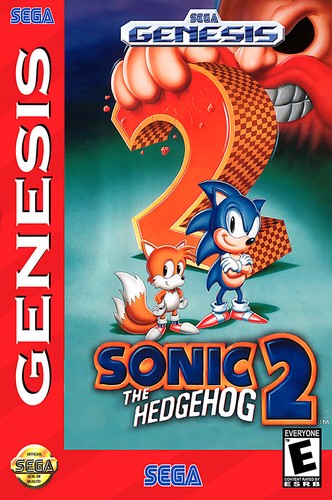
Platform: Sega Genesis
Released: 1992
Few games announced themselves as confidently as Sonic the Hedgehog 2.
Boot up Emerald Hill Zone and everything immediately moves—Sonic accelerates, rings scatter, loops arrive, springs launch you upward, and that bright Masato Nakamura soundtrack pushes the whole thing forward.
Then a friend discovered they could control Tails.

Was it balanced co-op? Absolutely not. Tails routinely disappeared off-screen, flew back into existence, collected rings, lost rings, and generally created the sort of glorious disorder that only couch gaming could produce.
The hunt for Chaos Emeralds gave players another reason to replay stages, while zones such as Chemical Plant delivered some unforgettable panic when that purple liquid began rising.
Sonic 2 remains essential because it captures Sega at maximum confidence: colorful, immediate, slightly rebellious, and built around the irresistible idea that platform games could feel fast.
3. Banjo-Kazooie

Platform: Nintendo 64
Released: 1998
Banjo-Kazooie understood that collecting things was more fun when the world itself made you want to explore.
Spiral Mountain led into Gruntilda’s lair, which then opened the door to places like Mumbo’s Mountain, Treasure Trove Cove, and the wonderfully seasonal Click Clock Wood. Jiggies, Jinjos, musical notes, transformations, secret areas—there was always another reason to investigate something suspicious.
Rare also filled the game with character. Kazooie’s sarcasm, Gruntilda’s rhymes, Mumbo Jumbo’s transformations, and the bizarre cast of supporting characters made the adventure feel like a cartoon you could explore.
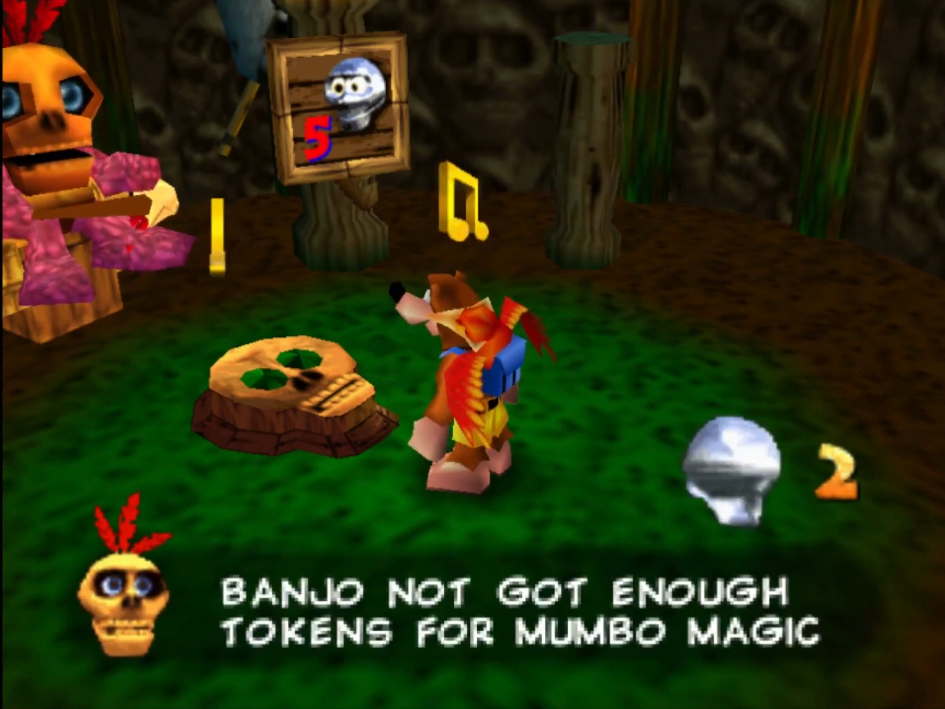
These were the weekends where one player held the controller while everyone else shouted directions.
“There’s something behind that wall.”
“Go back.”
“You missed a Jinjo.”
That communal exploration is part of why Banjo-Kazooie still matters. Its collectibles weren’t merely numbers. They were excuses to poke around playful worlds.
2. Super Mario 64

Platform: Nintendo 64
Released: 1996
For players seeing Super Mario 64 for the first time, Peach’s castle felt less like a level select and more like a place.
That distinction mattered.
You could run around the courtyard. Jump into paintings. Chase the rabbit Mips through the basement. Experiment with Mario’s triple jump. Launch yourself out of cannons for no particularly good reason. The analog stick made movement itself entertaining.
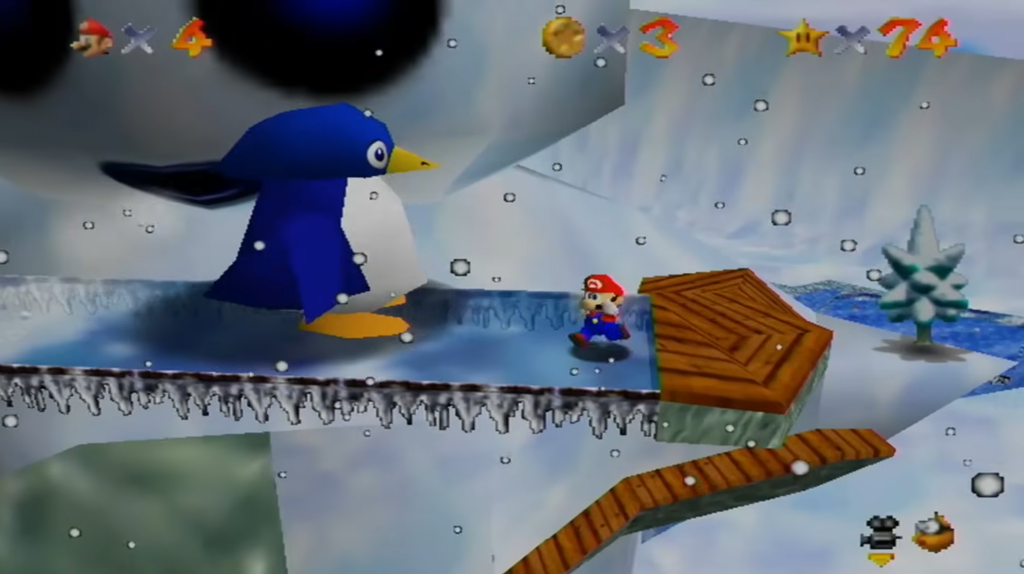
Bob-omb Battlefield established the new rules immediately: here was a Mario game where the mountain in the distance wasn’t scenery. You could go there.
The Star structure also created perfect weekend momentum. One more Star became five more Stars. Someone inevitably knew a secret you didn’t. Somebody’s older sibling could perform a wall jump nobody else had figured out.
Its camera can absolutely test modern patience, but its historical importance isn’t merely academic. Super Mario 64 made 3D space feel playful.
That sensation changed platformers forever.
1. Super Mario Bros. 3
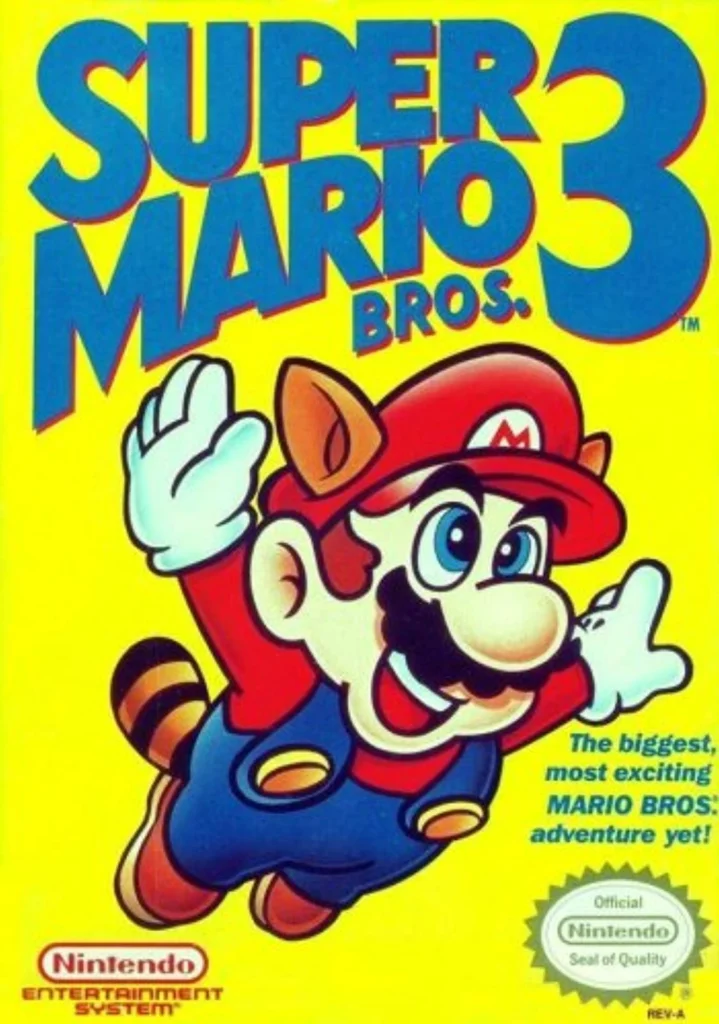
Platform: NES
Released: 1990 in North America
If there is a single image that captures childhood weekend ambition, it might be that giant curtain rising at the beginning of Super Mario Bros. 3.
Nintendo framed the adventure like a stage production, then proceeded to unleash one astonishing idea after another.
The Super Leaf. Tanooki Mario. Frog Mario. Kuribo’s Shoe. Airships. Fortresses. Wandering Hammer Bros. Giant Land. Those terrifying Angry Suns.
And then there were the secrets.

Warp Whistles became playground mythology before walkthrough videos existed. Somebody knew where one was. Somebody claimed their cousin knew another. Nintendo Power, strategy guides, whispered instructions, and experimentation gradually turned the game into shared cultural knowledge.
It is difficult to imagine a more perfect weekend cartridge because Mario 3 could satisfy almost anyone. Younger players could enjoy the early worlds. Experienced players could chase secrets. Friends could alternate turns. The whole game felt enormous.
More than three decades later, its appeal remains remarkably easy to understand.
It is pure playfulness compressed into an NES cartridge.
Best Way to Revisit These Retro Platformers Today
The temptation with nostalgia is to assume original hardware is always the “correct” answer. It isn’t.
Original cartridges, consoles, CRT televisions, and wired controllers can recreate the ritual beautifully, but they also introduce cost, aging hardware, save-battery concerns, video-conversion headaches, and increasingly collectible software.
Modern collections and officially available re-releases can often provide a much easier entry point, especially for younger fans exploring these games for the first time.

For enthusiasts using original consoles on modern televisions, a good HDMI solution or retro-gaming upscaler can improve convenience considerably. Reproduction-style controllers can also be useful when original pads are worn out.
Collectors may still find something uniquely satisfying about sliding an original cartridge into a console and hearing that familiar power-on sound.
Just don’t confuse nostalgia with obligation. The best version is the one that gets you playing.
Those Weekends Never Really Left Us
The greatest retro platformers didn’t merely give us levels to complete. They created rituals.
They were Friday-night rentals you desperately wanted to finish before Sunday. They were cartridges friends carried over after school. They were secrets copied from magazines, arguments over whose turn came next, glowing CRT screens in dark bedrooms, and parents shouting that we had already been playing long enough.
Most importantly, they remind us why retro gaming remains more than an exercise in looking backward.
These games preserve a particular kind of joy: learning through experimentation, sharing discoveries face-to-face, and getting completely absorbed in a colorful little world because Monday still felt impossibly far away.
And somewhere inside every longtime player is probably still a kid thinking:
Just one more level.