
Posted on August 7, 2026
13 PS1 Games That Are Stranger, Bolder, and Better Than You Remember
Disclosure: Some of the links in this post are affiliate links. As an Amazon Associate we earn from qualifying purchases. This means if you click on the link and purchase an item, we will receive an affiliate commission at no extra cost to you. All opinions remain our own. We only recommend products or services we believe will add value to our readers.
When most people remember the original PlayStation, the conversation usually starts with Final Fantasy VII, Metal Gear Solid, Resident Evil, or Gran Turismo. Those PS1 games deserve every bit of their legendary status.
The PlayStation wasn’t just home to blockbusters—it was the birthplace of some of gaming’s strangest, most imaginative ideas. One of the greatest strengths of Sony’s first console wasn’t simply its biggest hits. It was the sheer willingness of developers to experiment.
The jump from cartridges to CDs dramatically expanded what developers could attempt. Storage limitations relaxed. FMV became common. Fully voiced dialogue appeared. Soundtracks grew more ambitious. Designers were suddenly free to build games that simply wouldn’t have fit on previous hardware. The result was a library filled with wonderfully bizarre ideas—games that mixed genres, challenged conventions, and occasionally left players wondering, “Who approved this?”
Not every experiment succeeded, but many became unforgettable precisely because they dared to be different.
13. Vib-Ribbon
Platform: PlayStation
Released: 1999 (Japan/Europe), 2000 (North America)
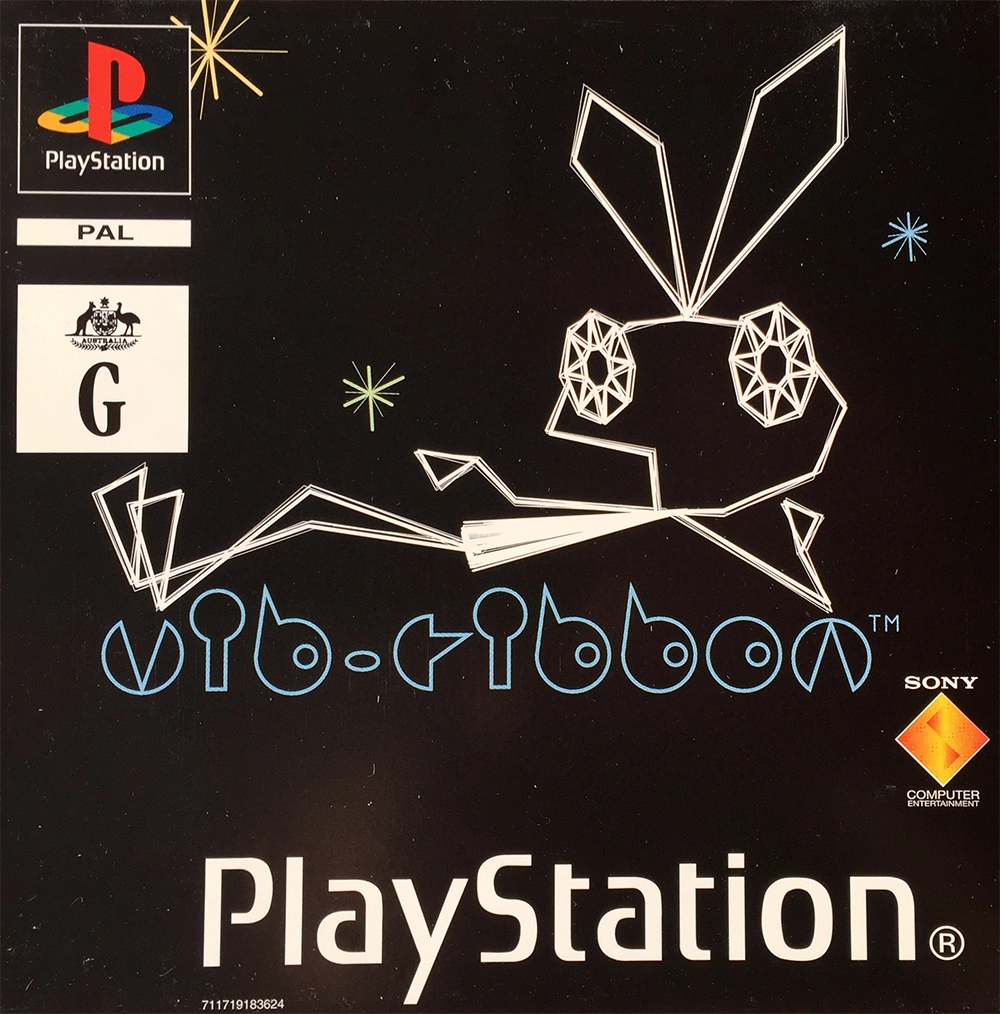
There are unusual games—and then there’s Vib-Ribbon.
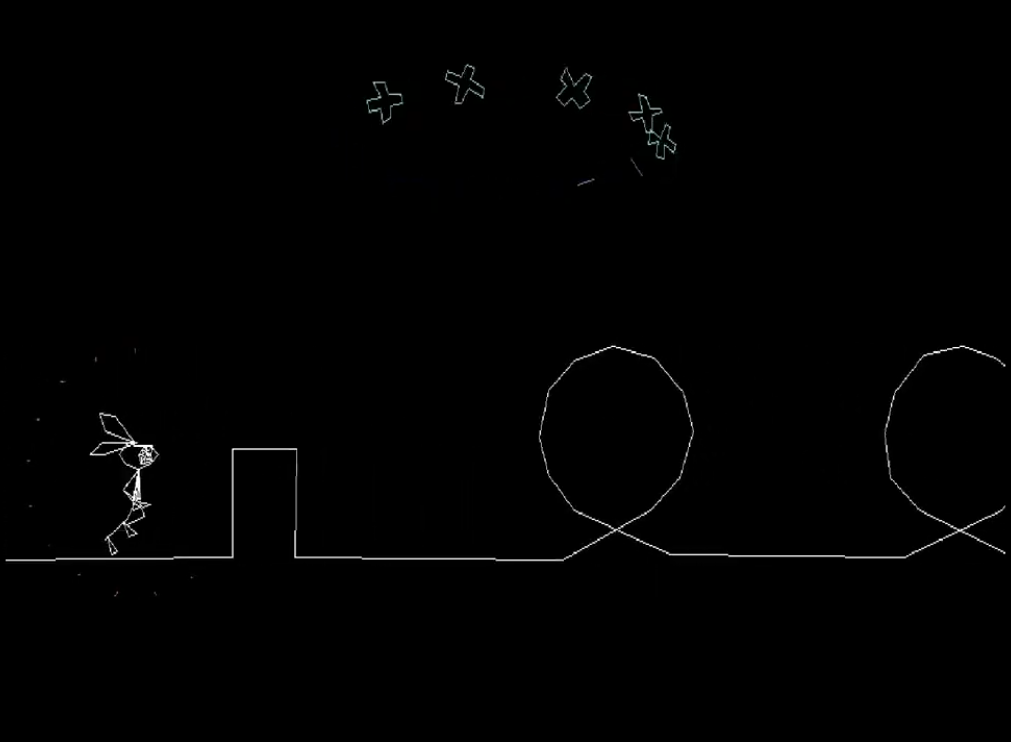
At first glance, it barely looks like a PlayStation title at all. Against an almost empty white background, players guide a thin wireframe rabbit named Vibri across an ever-changing line while jumping, ducking, and flipping over obstacles that appear in rhythm with the music.
The minimalist visuals weren’t a limitation—they were the entire artistic statement.
The real magic arrived when players discovered they could remove the game disc after booting and insert their own music CDs. The PlayStation generated entirely new obstacle courses based on whatever album happened to be spinning.
It felt like science fiction in 1999.
Every friend’s CD collection suddenly became potential game content. One afternoon you might be navigating Beethoven. The next you were desperately trying to survive punk rock or heavy metal.
Gaming magazines loved demonstrating this feature because it was unlike anything else available on consoles.
Modern rhythm PS1 games have become far more elaborate, but Vib-Ribbon remains wonderfully pure. It proves that creative design doesn’t require photorealistic graphics—just an idea bold enough that nobody else thought of it first.
Worth Revisiting If: You enjoy experimental indie games or want to see one of PlayStation’s most inventive concepts.
12. Incredible Crisis
Platform: PlayStation
Released: 1999
Every family has one bad day.
The Tanamatsuri family has dozens.
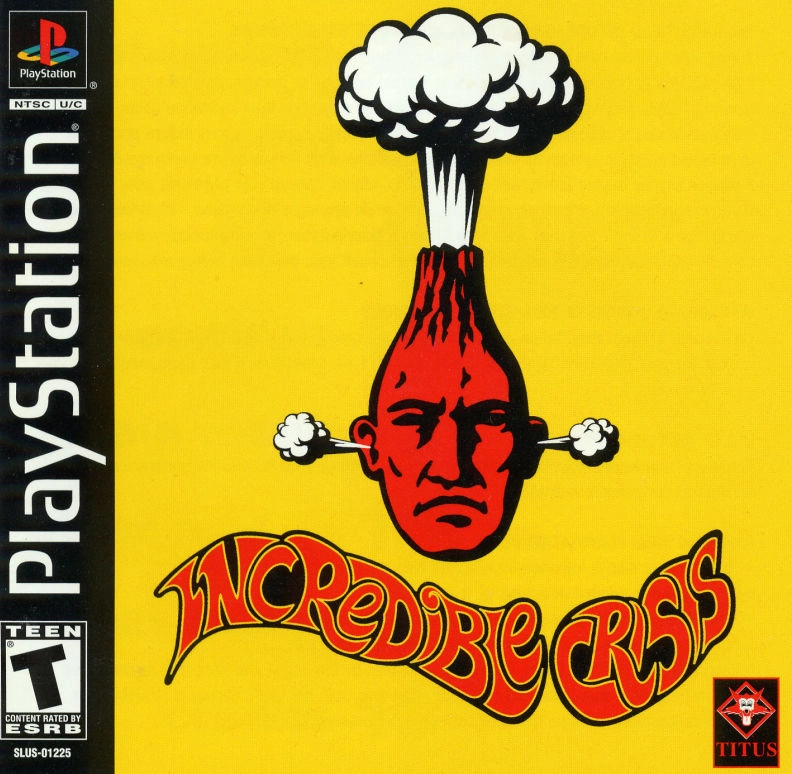
Incredible Crisis strings together a series of increasingly absurd disasters as four family members desperately try to make it home for Grandma’s birthday celebration.
Along the way you’ll outrun bulls, survive collapsing elevators, escape earthquakes, dance in nightclubs, balance stacks of sushi, dodge speeding trains, and somehow keep your dignity intact.
The game barely pauses to explain itself.
Each scenario introduces an entirely new mechanic before immediately throwing players into another bizarre situation.
Its humor feels unmistakably Japanese, embracing slapstick comedy and surreal escalation rather than conventional storytelling. Yet the emotional thread—the family’s determination to get home despite impossible circumstances—gives the chaos surprising charm.
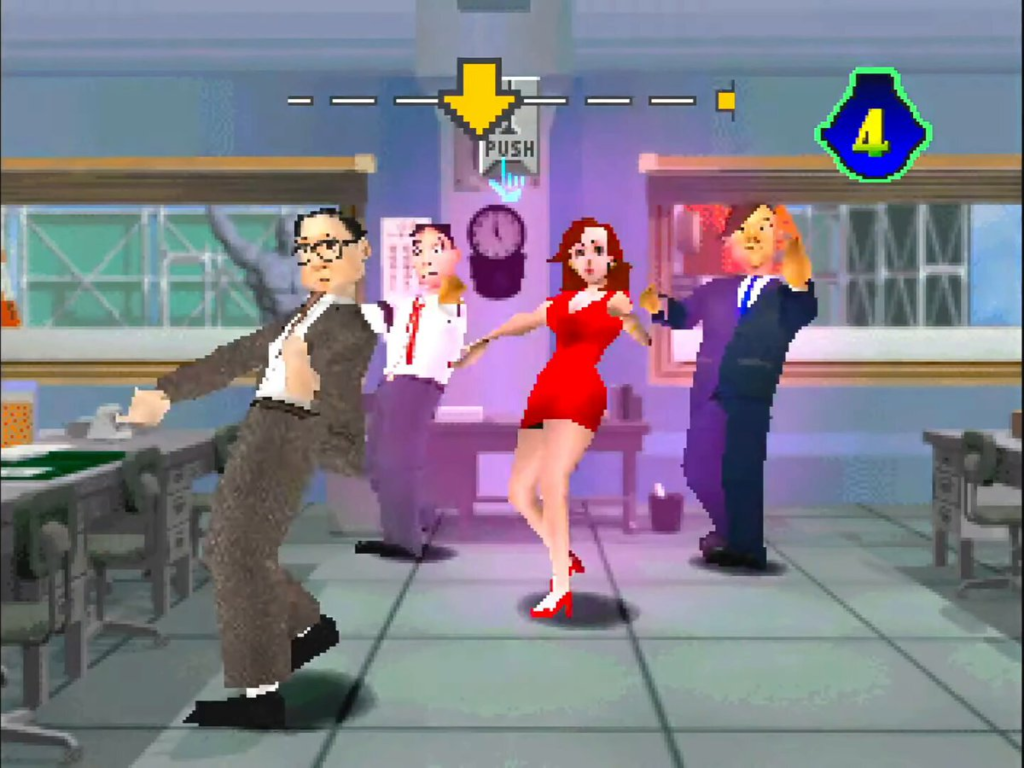
Players who rented the game often had no idea what they were getting.
One minute they were playing a rhythm game.
The next they were balancing across construction beams hundreds of feet above the city.
Then suddenly they were fleeing giant rolling objects straight out of a comedy sketch.
Few games embraced unpredictability quite like Incredible Crisis.
It remains one of the most apologetically strange experiences on the PlayStation—and one that perfectly represents the experimental confidence developers had during the late ’90s.
Collecting Note: Physical copies have become increasingly sought after by collectors, making modern digital options the easiest way to experience it when available.
11. LSD: Dream Emulator
Platform: PlayStation
Released: 1998 (Japan)
If someone told you this game came from an actual dream journal, they’d be telling the truth.
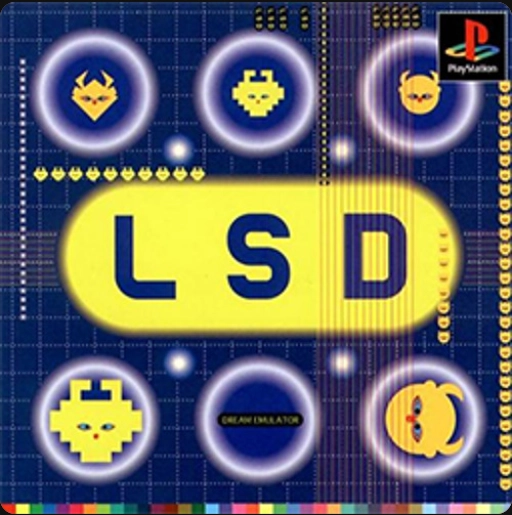
LSD: Dream Emulator is less a traditional game than an interactive exploration of subconscious imagery. Inspired by artist Hiroko Nishikawa’s recorded dreams, players wander surreal environments where almost every object transports them somewhere completely different.
There are no clear objectives.
No combat.
No ending that neatly explains everything.
Instead, players drift through impossible landscapes filled with floating faces, endless staircases, distorted architecture, giant babies, abandoned cities, and creatures that seem pulled directly from the subconscious.
The longer you play, the stranger the world becomes.
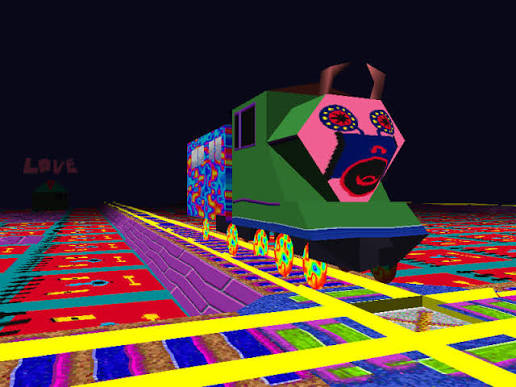
Every “dream” subtly changes future sessions, creating a constantly shifting experience that feels uniquely personal.
Long before internet horror culture embraced surrealism, LSD: Dream Emulator quietly built a reputation through imported copies, gaming forums, and grainy YouTube uploads that left viewers asking, “What am I looking at?”
Its cult following only grew because it refused to explain itself.
Even today, it feels remarkably unlike anything else on the PlayStation—or any other console.
Not every player will enjoy it.
But everyone remembers it.
10. Tail Concerto
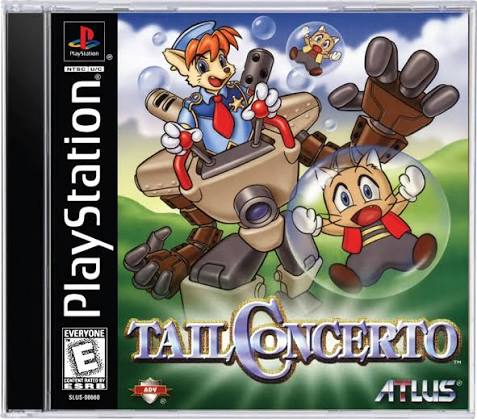
Platform: PlayStation
Released: 1998
Long before Solatorobo and Fuga: Melodies of Steel, CyberConnect2 introduced players to a world populated entirely by anthropomorphic dogs and cats.
At first glance, Tail Concerto resembles a colorful children’s platformer.
Spend an hour with it, however, and it reveals surprising depth.
Players control police officer Waffle Ryebread, piloting a small mech through floating islands while capturing—not defeating—cat pirates using mechanical grappling arms.
That simple design choice changes the entire tone of combat.
Instead of explosions and destruction, enemies are scooped into holding cells attached to the mech before being safely released later.
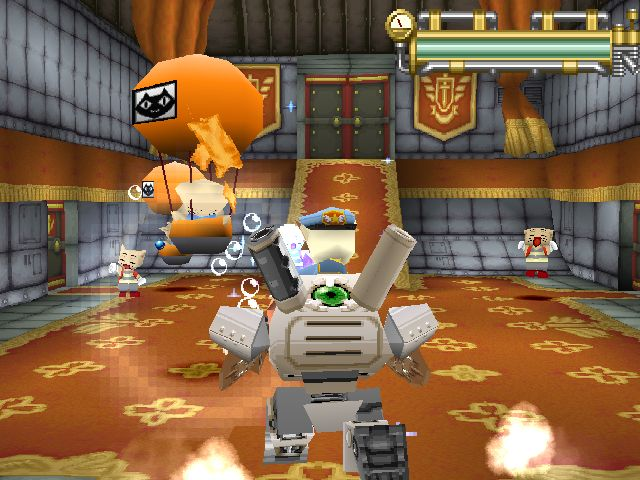
The game radiates optimism.
Its bright visuals, expressive animation, and surprisingly heartfelt storytelling helped it stand apart from many darker PlayStation releases.
For players who discovered it through demo discs or rental stores, Tail Concerto felt refreshingly different amid an era increasingly dominated by horror games, gritty shooters, and mature action titles.
Today it also serves as an important piece of CyberConnect2 history, offering the first glimpse of ideas the studio would continue refining for decades.
Best Way to Play Today: Original PlayStation hardware remains the authentic experience, although emulation provides a practical alternative as physical copies have become increasingly collectible.
9. Tomba! (Tombi! in Europe)
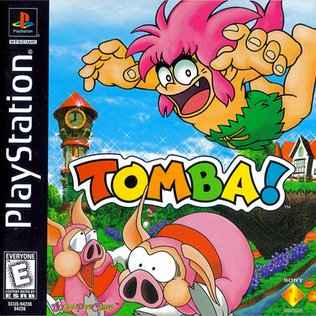
Platform: PlayStation
Released: 1997
Trying to explain Tomba! to someone who has never played it is surprisingly difficult.
“It’s a side-scrolling platformer where a pink-haired cave boy fights evil pigs by throwing them into the ground” barely scratches the surface.
Created by former Ghosts ‘n Goblins designer Tokuro Fujiwara after leaving Capcom, Tomba! blended platforming, light RPG mechanics, exploration, and dozens of interconnected quests years before “Metroidvania” became part of every gamer’s vocabulary.
Instead of progressing through clearly defined stages, players gradually unlocked new abilities and revisited earlier locations to complete “Events.” It created a sense of adventure that felt enormous compared to many platformers of the era.
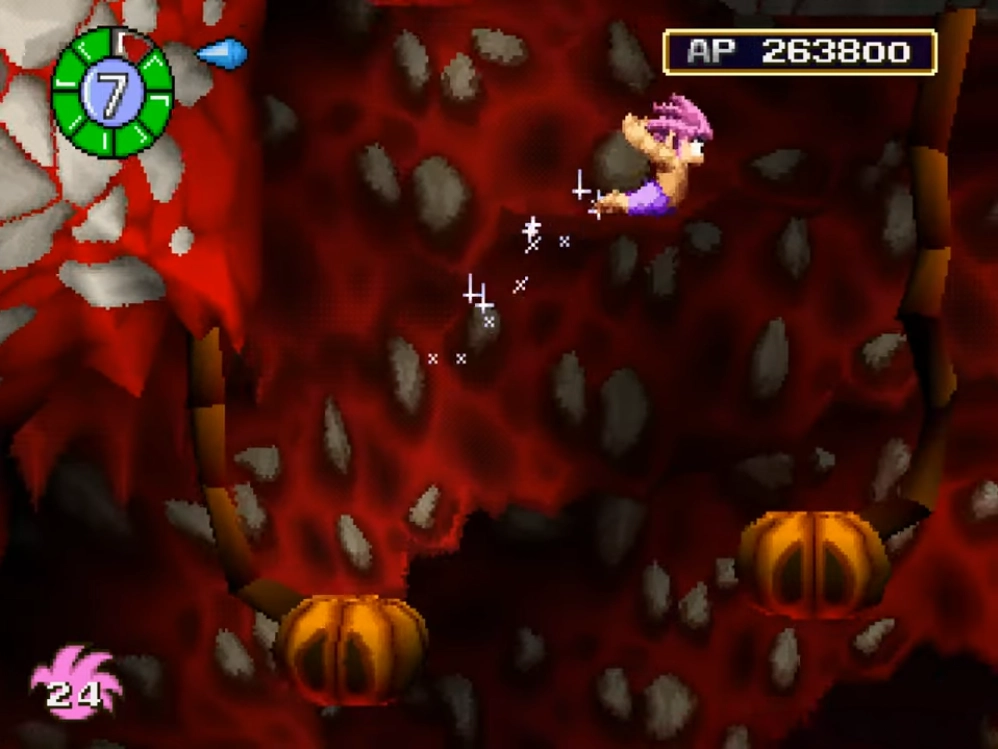
Then there were the Evil Pigs.
Each one transformed entire regions, changing music, weather, enemy behavior, and even how towns looked. Defeating one wasn’t just another boss battle—it felt like restoring life to the world itself.
Many players first discovered Tomba! through PlayStation demo discs, where its vibrant visuals and unusual mechanics stood out immediately among racing games and shooters.
The cartoon art style has aged remarkably well, while the quest-driven structure still feels surprisingly modern.
Its biggest flaw today is accessibility. Original copies have become expensive collector’s pieces, making modern digital releases or emulation the most practical way to experience this overlooked classic.
Worth Revisiting If: You enjoy exploration-heavy platformers with genuine personality.
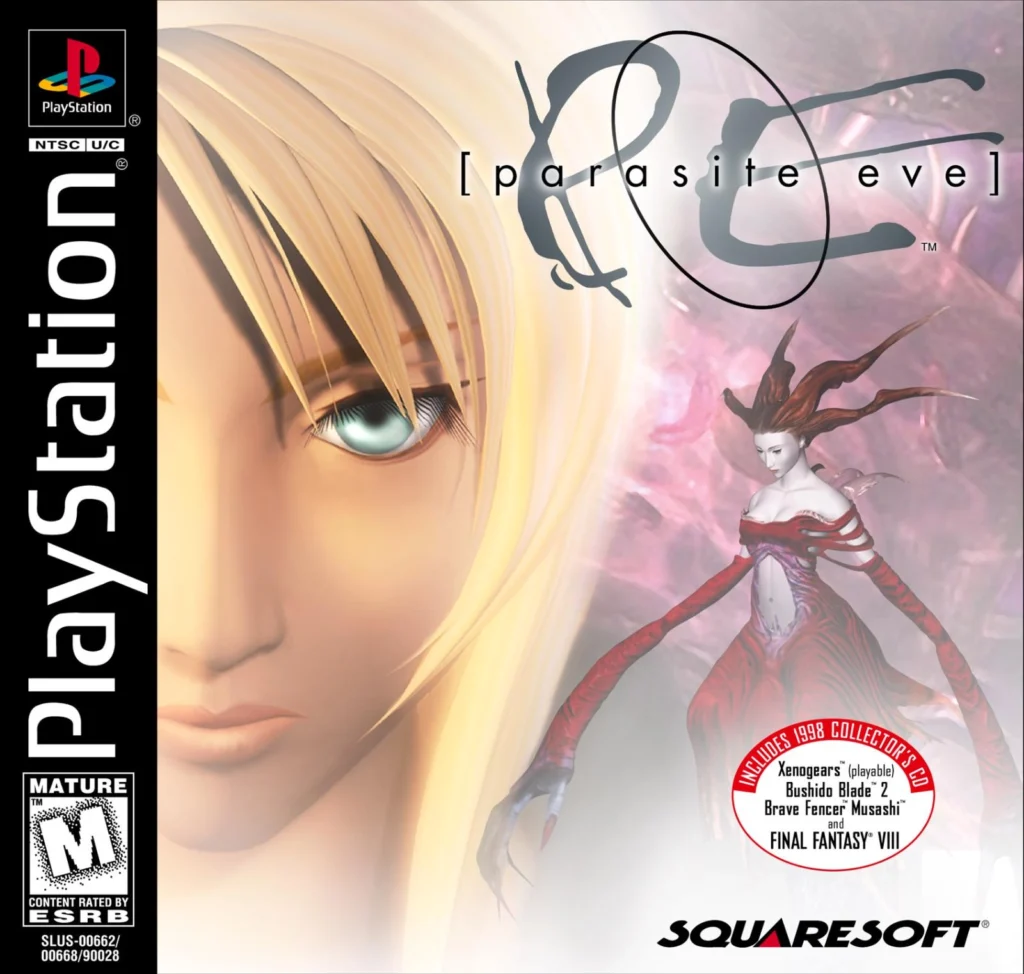
8. Parasite Eve
Platform: PlayStation
Released: 1998
Square could have made another traditional RPG.
Instead, it combined survival horror, cinematic storytelling, and real-time combat into one of the PlayStation’s most memorable experiments.
Set across a beautifully realized Christmas-time New York City, Parasite Eve follows NYPD officer Aya Brea as she investigates spontaneous human combustion linked to a mysterious opera singer named Eve.
The premise alone feels wonderfully strange.
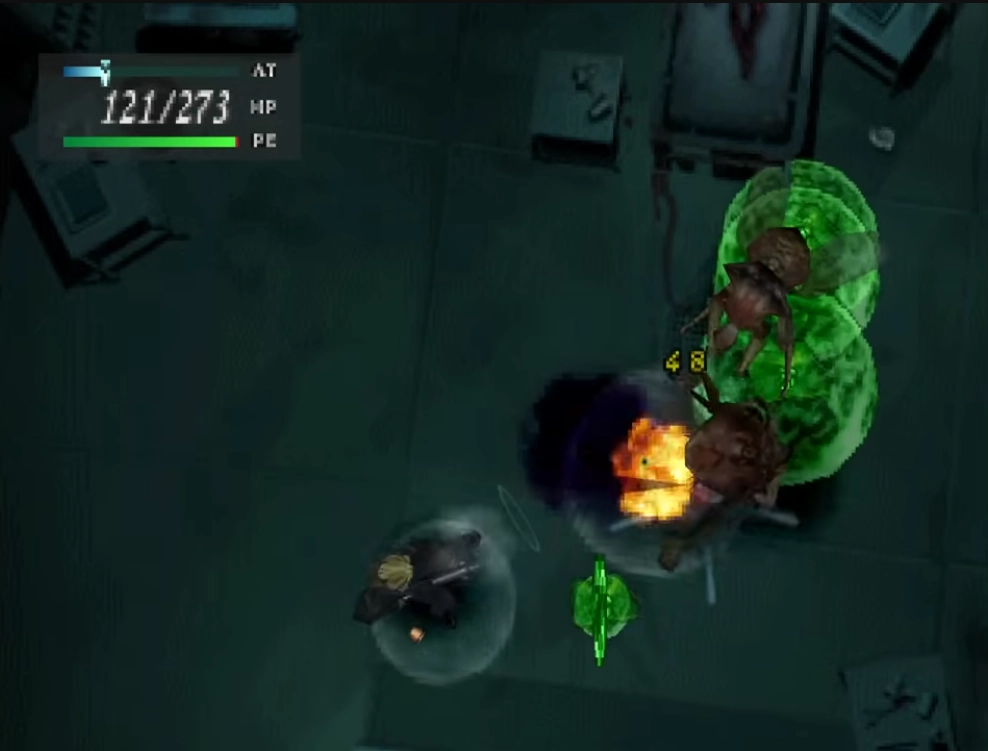
The combat system was even stranger.
Players moved freely within circular battle arenas while waiting for Active Time Battle gauges to refill, blending tactical RPG decision-making with real-time positioning. It was unlike Resident Evil, unlike Final Fantasy, and unlike almost everything else on store shelves.
The Chrysler Building’s infamous post-game dungeon became a badge of honor among dedicated players. Finishing it without strategy guides often required patience, experimentation, and more than a little determination.
Beyond its mechanics, Parasite Eve demonstrated how cinematic the PlayStation could be. Its FMV sequences, orchestral soundtrack, and detailed character models helped blur the line between games and Hollywood thrillers.
Square never fully returned to this formula, making the original feel even more unique today.
For many retro fans, it remains one of the most ambitious genre hybrids the PlayStation ever produced.
Collecting Note: Original discs remain desirable among collectors, though digital re-releases have occasionally offered a more affordable way to revisit Aya’s story.
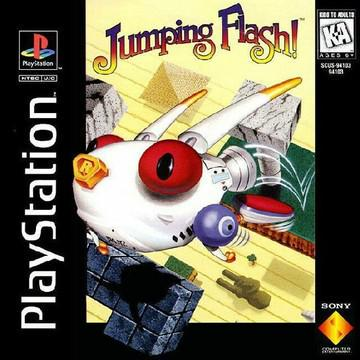
7. Jumping Flash!
Platform: PlayStation
Released: 1995
Before Super Mario 64 redefined 3D platforming, another game quietly proved first-person platforming could actually work.
That game was Jumping Flash!
Players controlled Robbit, a robotic rabbit capable of launching hundreds of feet into the air before gracefully floating back toward colorful floating islands.
The genius lay in the camera.
When Robbit jumped, players could look downward, making precise landings surprisingly intuitive despite the first-person perspective.
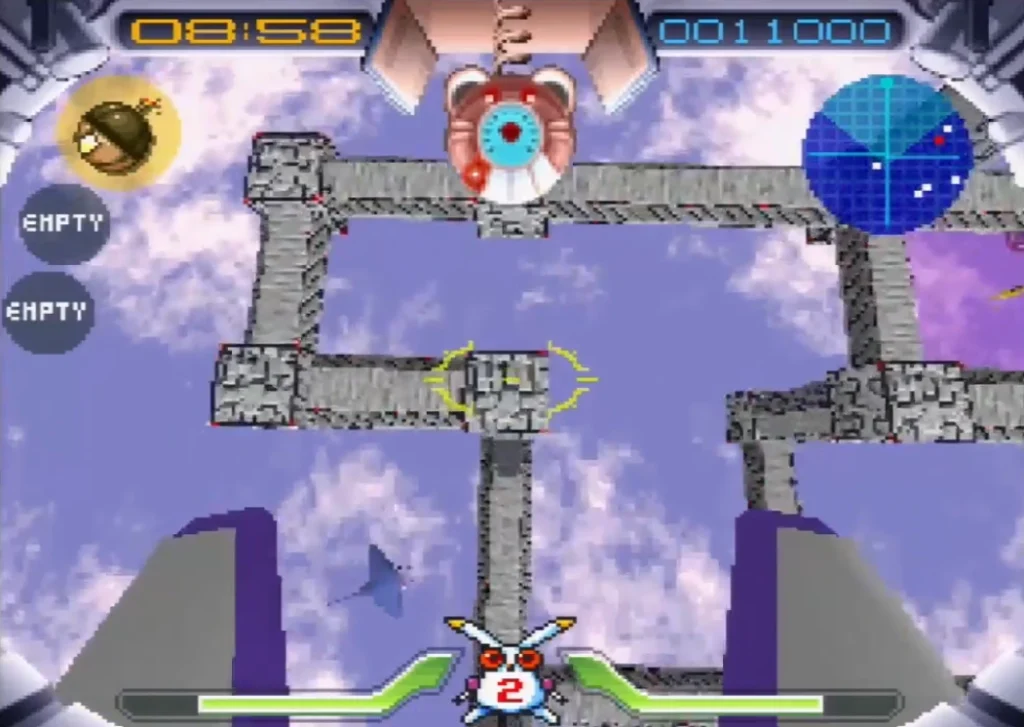
Even today, that design remains impressive.
Levels overflowed with giant mushrooms, oversized toy blocks, floating castles, whimsical enemies, and bright colors that perfectly captured the optimism surrounding early 3D gaming.
Gaming magazines frequently showcased Jumping Flash! because it represented something genuinely new. The PlayStation hadn’t simply improved 2D graphics—it introduced entirely different ways to experience movement.
While later first-person games prioritized realism, Jumping Flash! embraced pure imagination.
Its cheerful tone, inventive level design, and unusual perspective still feel refreshingly different nearly three decades later.
It’s also an important reminder that PlayStation experimentation began almost immediately after the console launched.
Best Way to Play Today: The PlayStation Classics release offers one of the easiest legitimate ways to experience this overlooked launch-era gem.
6. Trap Gunner
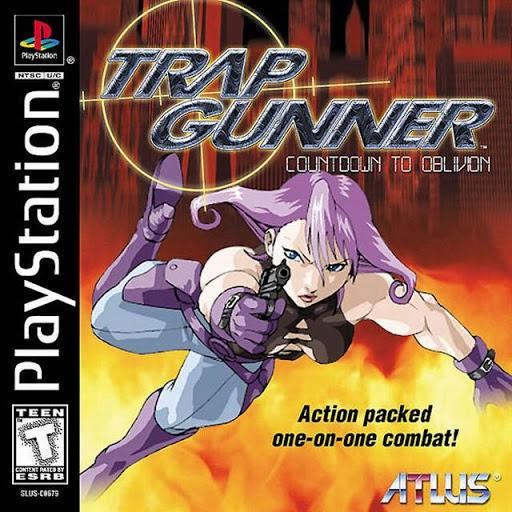
Platform: PlayStation
Released: 1998 (Japan), 1999 (North America)
Long before multiplayer games revolved around online rankings and battle passes, Trap Gunner turned every match into a psychological duel.
Instead of relying purely on reflexes, players filled arenas with hidden explosives, flamethrowers, lasers, poison gas, electric traps, and dozens of other hazards while trying to outsmart their opponent.
Victory often belonged to the player who thought several moves ahead.
Every hallway became suspicious.
Every corner might hide disaster.
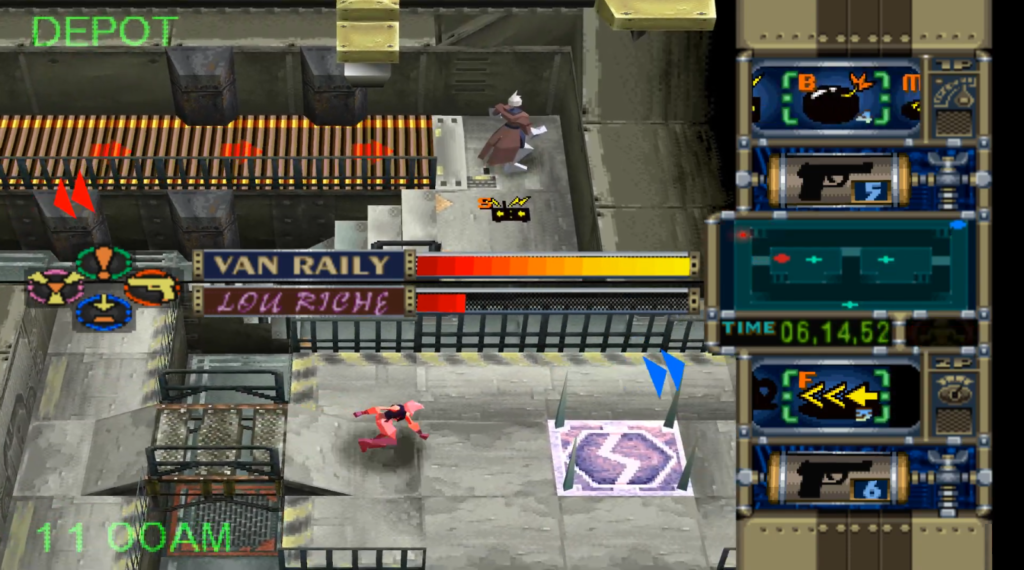
Friends quickly learned not to trust seemingly empty corridors.
The split-screen multiplayer was where Trap Gunner truly shined. Sleepovers frequently transformed into tense cat-and-mouse battles filled with laughter, surprise explosions, and accusations that someone had memorized every trap location.
The anime-inspired presentation gave the game plenty of personality, but its strategic gameplay remains its greatest strength.
Despite arriving during the height of PlayStation’s popularity, Trap Gunner never achieved mainstream success, making it one of the console’s more fascinating hidden gems.
Modern players accustomed to competitive multiplayer may be surprised by how fresh its ideas still feel.
Worth Revisiting If: You miss creative local multiplayer experiences that reward planning as much as quick reactions.
5. Vagrant Story
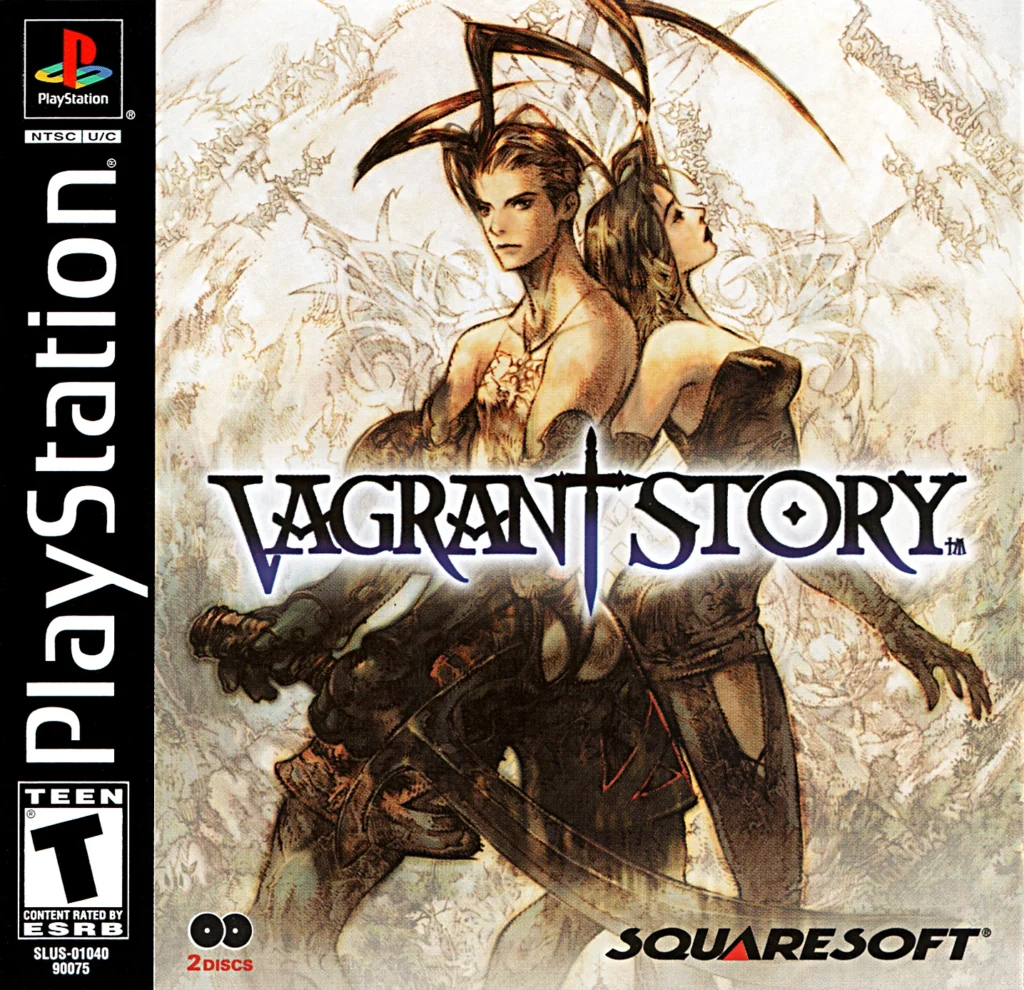
Platform: PlayStation
Released: 2000
If Parasite Eve blended genres, Vagrant Story practically ignored genre boundaries altogether.
Part RPG.
Part dungeon crawler.
Part puzzle game.
Part weapon-crafting simulator.
Part political fantasy.
Set within the haunting city of Leá Monde, players control Riskbreaker Ashley Riot as he investigates conspiracies involving cults, nobles, and dark magic.
The atmosphere is extraordinary.
Every stone corridor, cathedral, and abandoned fortress feels heavy with history.
Then the combat begins.
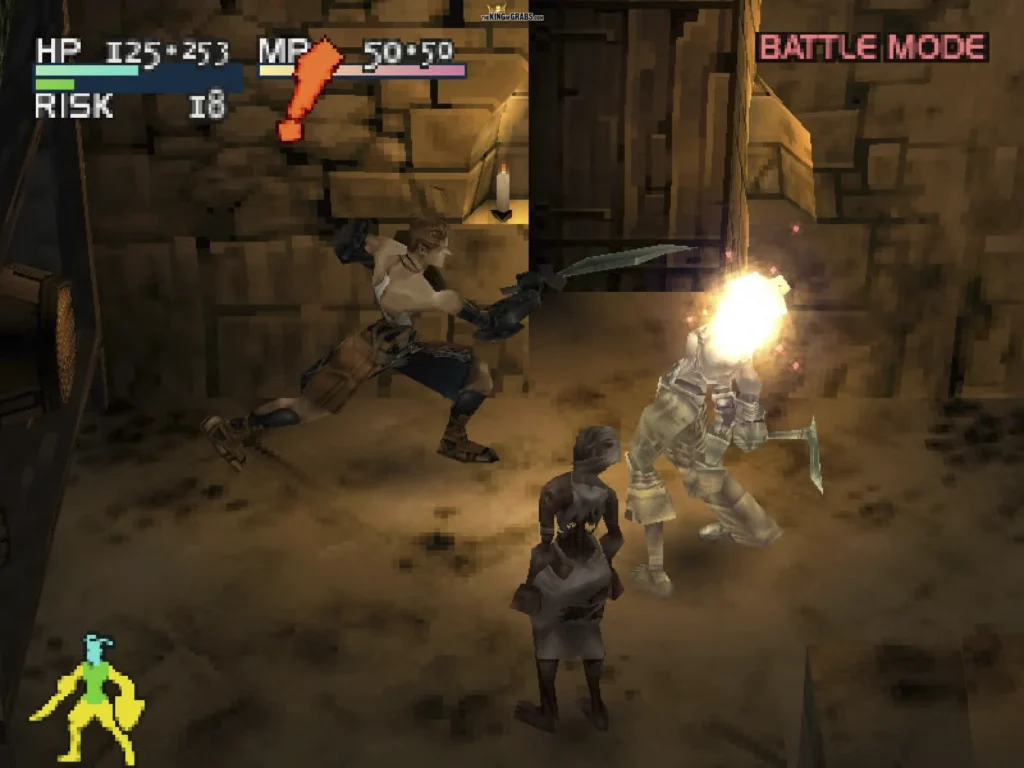
Rather than mashing attacks, players targeted specific enemy body parts, chained together increasingly powerful strikes, managed weapon affinities, and constantly adjusted equipment based on enemy types.
It was brilliant.
It was also intimidating.
Many players bounced off Vagrant Story during their first attempt because the mechanics demanded patience and experimentation rather than brute force.
Those who persevered discovered one of the PlayStation’s richest RPG systems and arguably one of the finest art directions ever produced on Sony’s original console.
Its cinematic presentation, Shakespearean dialogue, and mature storytelling felt years ahead of many contemporaries.
Today, Vagrant Story remains one of the clearest examples of the PlayStation era’s willingness to pursue creative ambition over broad accessibility.
It isn’t the easiest RPG to love.
It may be one of the most rewarding.
Best Way to Play Today: Modern digital releases make this masterpiece far easier to experience than hunting down increasingly valuable original discs.
4. Silent Bomber
Platform: PlayStation
Released: 1999
What if a shooter removed the guns entirely?
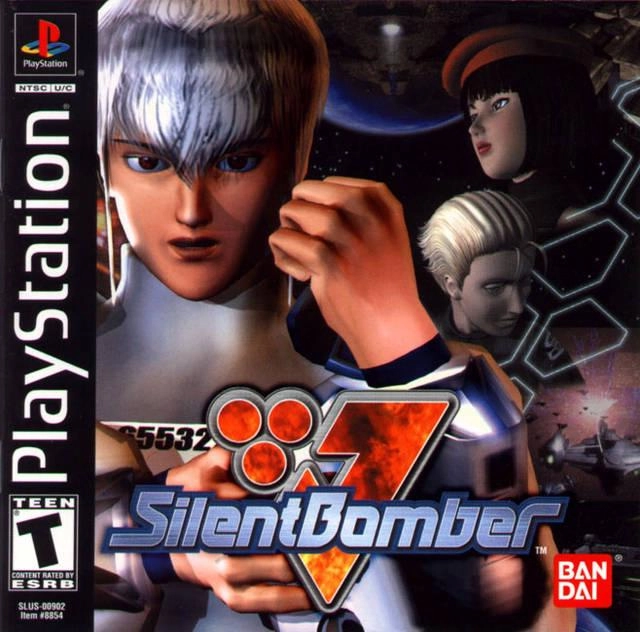
That simple question became Silent Bomber, one of the PlayStation’s most overlooked action games.
Players control Jutah Fate, a lone operative armed not with firearms but with an endless supply of high-tech bombs. Rather than standing back and firing projectiles, success comes from charging directly into danger, planting explosives around enemies, and triggering devastating chain reactions before making a quick escape.
The result feels surprisingly modern.
Enemy encounters become puzzles of positioning and timing. Plant one bomb, lure enemies into range, detonate, then immediately begin setting up the next explosive sequence. Boss fights grow into elaborate dances where precision matters more than raw firepower.
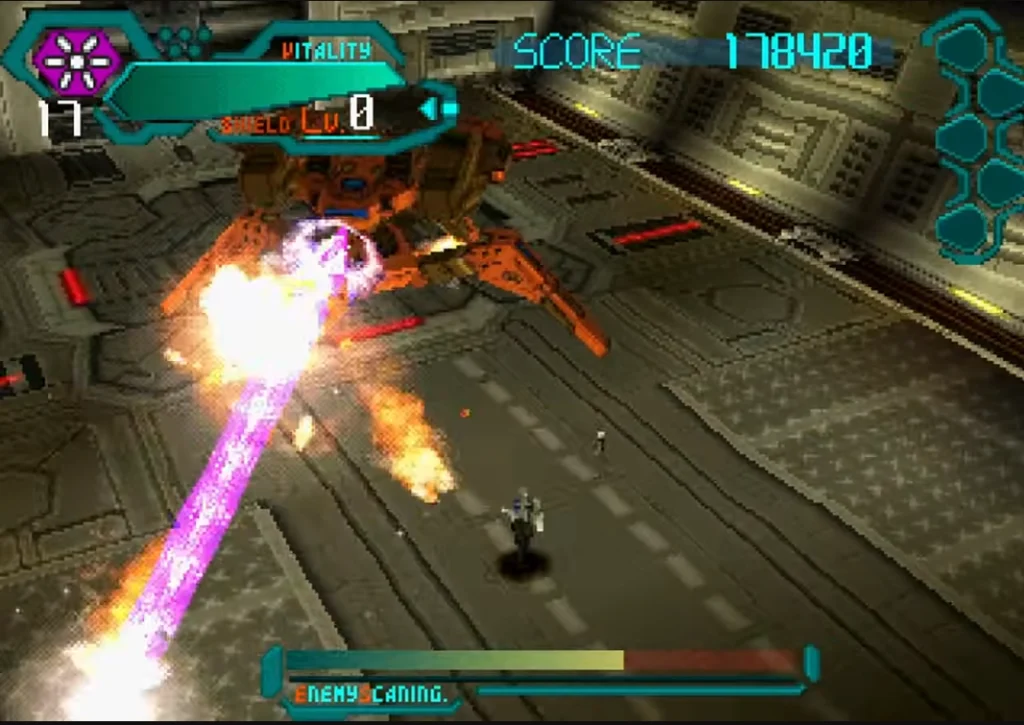
Visually, Silent Bomber also pushed the PlayStation harder than many remember. Explosions filled the screen with impressive particle effects, while its industrial science-fiction environments gave the game a darker, more cinematic identity than the colorful platformers dominating store shelves.
Many players overlooked it because the title didn’t communicate just how inventive it actually was. Those who gave it a chance often discovered one of the console’s most satisfying action experiences.
Looking back, it’s easy to see ideas that would later appear in modern twin-stick shooters and arena action games. Few PS1 games rewarded aggressive thinking quite like this one.
Worth Revisiting If: You enjoy fast-paced action games that reward planning and experimentation rather than simply shooting everything in sight.
3. Roll Away (aka Kula World)
Platform: PlayStation
Released: 1998
Few PlayStation games captured the “one more level” feeling quite like Roll Away.
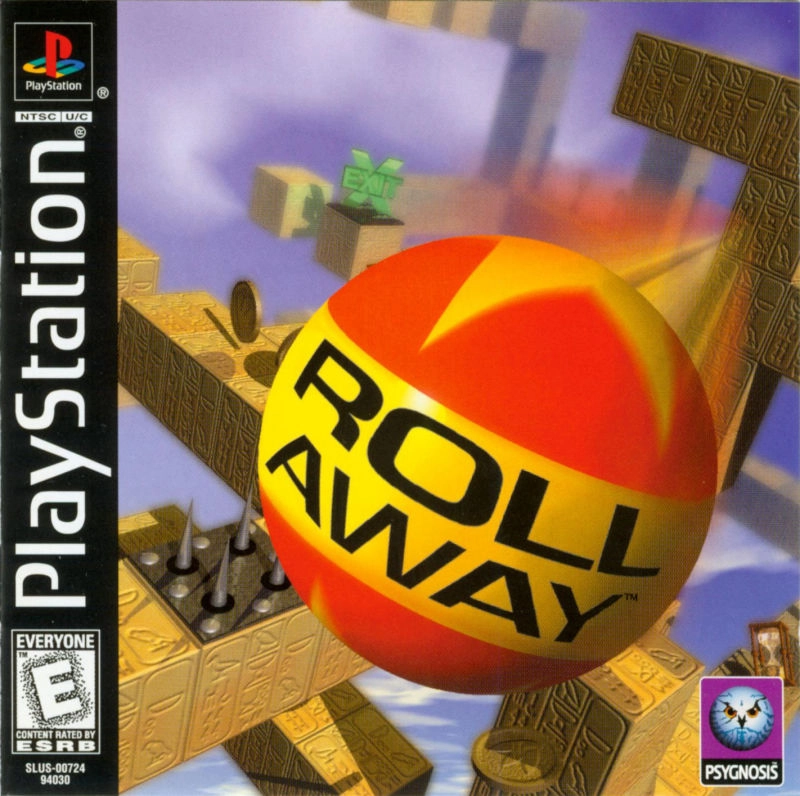
Its premise sounds deceptively simple: guide a beach ball through floating obstacle courses suspended high above an endless sky.
Then gravity starts changing.
The ball rolls seamlessly around the sides and undersides of cubes, transforming walls into floors and ceilings into pathways. Entire levels become optical illusions that challenge players to rethink their sense of direction every few seconds.
Collect every key.
Avoid spikes.
Outrun moving platforms.
Don’t fall.
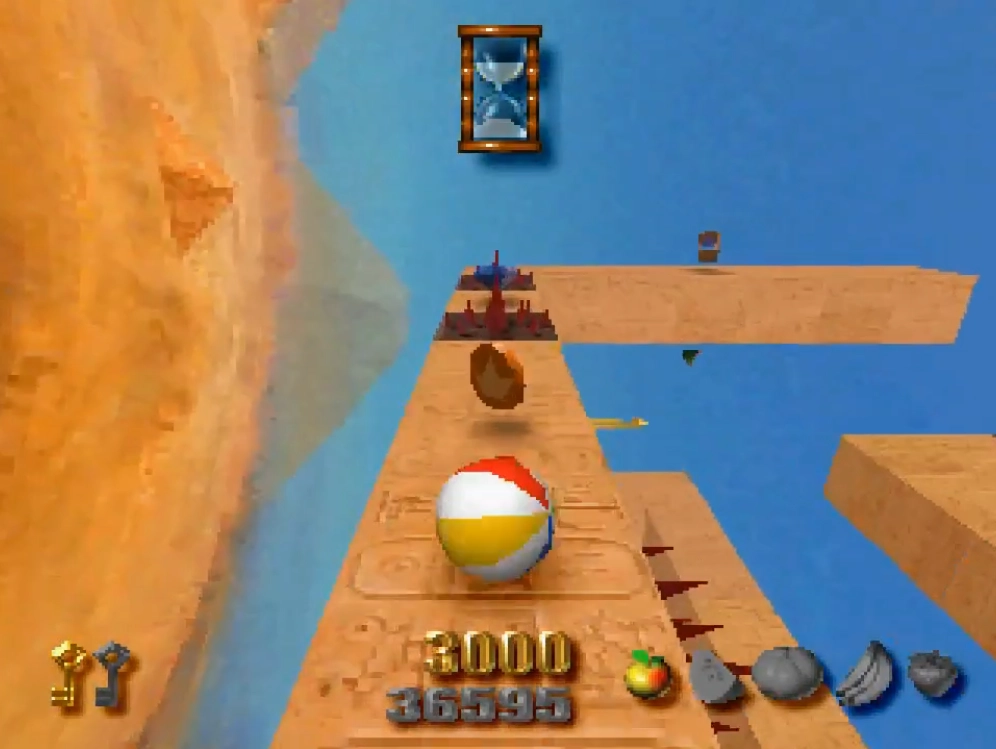
Simple instructions quickly become wonderfully complicated.
Many players first encountered Roll Away through PlayStation demo discs, where its unique movement mechanics immediately stood apart from traditional platformers. It looked almost impossible until the controls clicked, after which every completed stage felt like solving a clever puzzle.
Its minimalist soundtrack and clean geometric visuals give the game an almost timeless quality. Unlike many early 3D titles that chased realism, Roll Away embraced abstraction, allowing its gameplay to remain the star.
The difficulty ramps up significantly in later worlds, demanding careful planning rather than quick reflexes alone. Yet frustration rarely outweighs the satisfaction of finally mastering a particularly devious stage.
It’s the kind of experimental puzzle-platformer that probably couldn’t have existed anywhere except the late-1990s PlayStation.
Best Way to Play Today: Emulation or original hardware both preserve the precise controls that make its gravity-defying puzzles so rewarding.
2. Echo Night
Platform: PlayStation
Released: 1998
Before Dark Souls made FromSoftware famous for punishing combat, the studio created one of the PlayStation’s most unusual supernatural adventures.
Echo Night contains almost no traditional combat at all.
Instead, players explore a haunted ship filled with restless spirits trapped by unfinished business. Rather than defeating ghosts, the goal is to understand them—to uncover the memories, regrets, and tragedies preventing them from moving on.
That slower, more thoughtful approach gives Echo Night a haunting atmosphere unlike the jump-scare horror popularized by many of its contemporaries.
Every corridor feels heavy with mystery.
Every encounter tells a story.
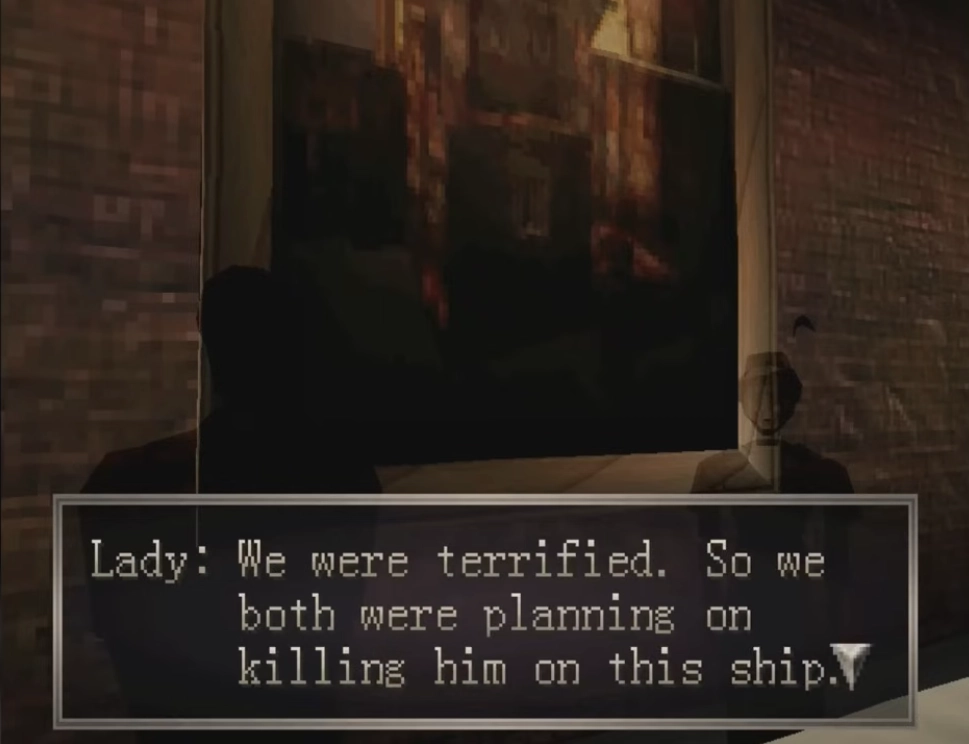
The game’s first-person perspective heightens the sense of isolation, while its subdued soundtrack allows silence itself to become part of the experience.
Players who expected another Resident Evil often found something far stranger: a supernatural mystery built around empathy instead of violence.
That creative decision has helped Echo Night age surprisingly gracefully.
Its slower pacing won’t appeal to everyone, but those willing to immerse themselves in its ghost stories will discover one of FromSoftware’s most fascinating early works.
Looking back, it represents another example of the PlayStation’s willingness to support games that didn’t fit neatly into established genres.
Collecting Note: Original copies have become increasingly collectible, making legitimate digital releases—when available—or emulation practical options for newcomers.
1. Moon: Remix RPG Adventure
Platform: PlayStation
Released: 1997 (Japan)
If one game perfectly represents the fearless creativity of the PlayStation era, it’s Moon.
At first glance, it appears to be another Japanese RPG.
Then it quietly dismantles nearly every convention of the genre.
Instead of playing the heroic warrior who defeats monsters and saves the world, you become an ordinary child transported into the aftermath of another hero’s adventure.
That “hero” has already marched through the land.
He’s stolen treasure.
Broken homes.
Slaughtered wildlife.
Ignored the consequences of his actions.
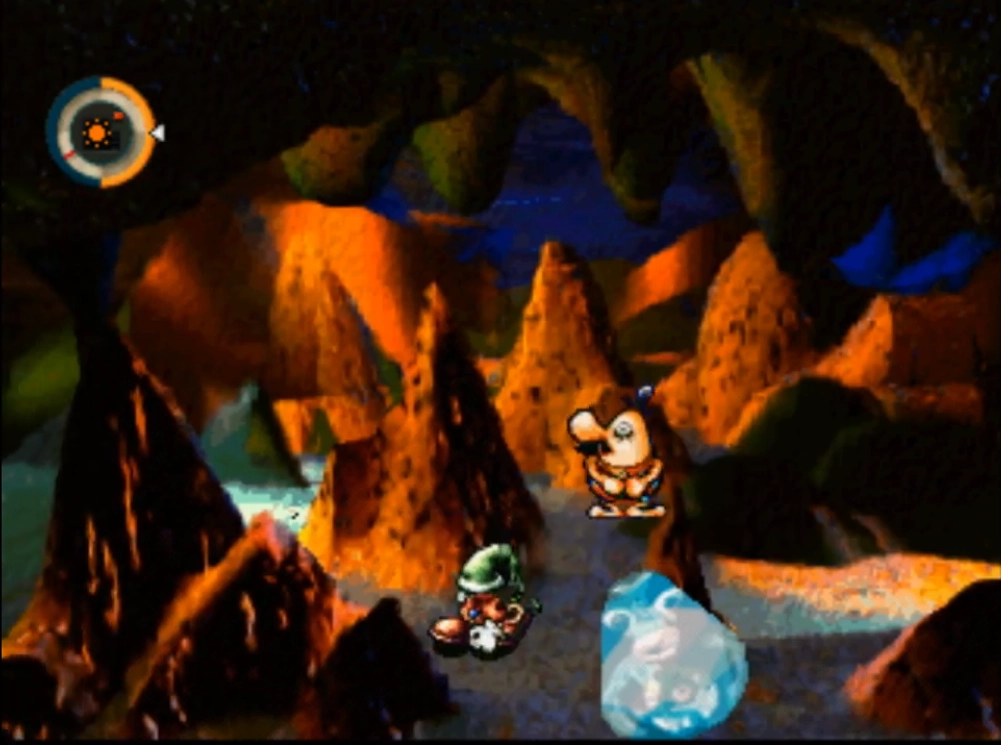
Your job isn’t to save the kingdom through combat.
It’s to repair the damage left behind.
Players rescue the souls of defeated creatures, help struggling villagers, rebuild relationships, and gradually restore compassion to a world that has been treated like little more than a typical RPG playground.
Released years before games like Undertale questioned traditional RPG design, Moon explored similar ideas with remarkable confidence.
Its humor is gentle.
Its storytelling is surprisingly emotional.
Its message feels even more relevant today than it did in the late 1990s.
For decades, Western retro fans knew Moon largely through magazine features, import discussions, and fan translations. Its eventual official English release allowed an entirely new audience to appreciate one of gaming’s most influential cult classics.
No other PlayStation game better captures the experimental spirit that defined Sony’s first console.
It’s strange.
It’s thoughtful.
And it’s unforgettable.
Best Way to Revisit These Games Today
While original PlayStation hardware still delivers the most authentic nostalgia—from the startup sound to swapping memory cards—it’s no longer the most practical option for every game.
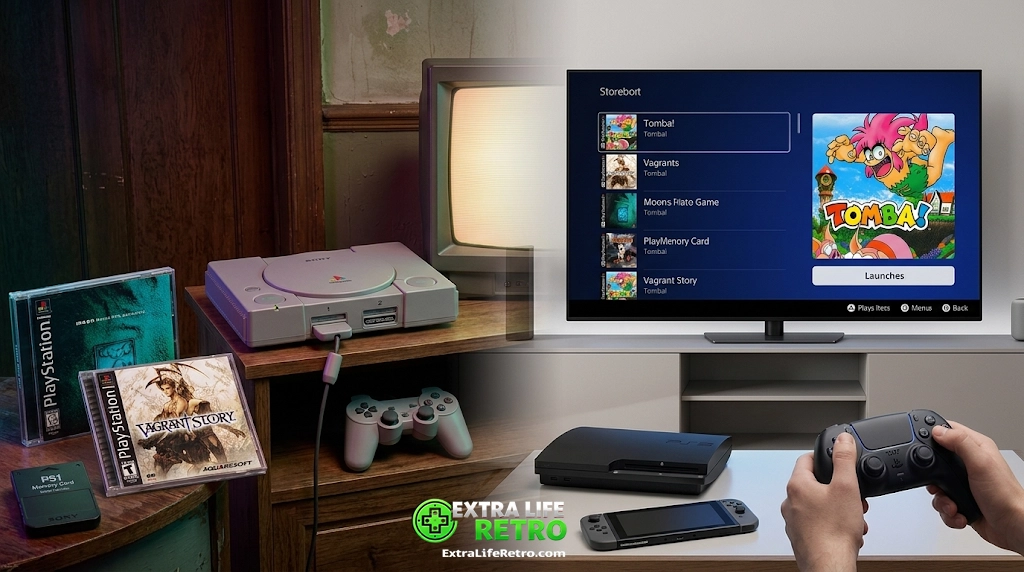
Several titles, including Moon, Jumping Flash!, Vagrant Story, and Tomba!, have received official digital releases or modern ports that make them easier to enjoy on current hardware. When those options exist, they’re usually the best place for new players to start.
For games that remain trapped on original discs, a quality retro handheld or a properly configured PlayStation emulator offers a convenient alternative while helping preserve increasingly expensive physical copies from unnecessary wear.
Collectors, meanwhile, may still enjoy hunting for original long-box or jewel-case releases, instruction manuals, memory cards, and CRT-compatible accessories to recreate the complete late-’90s experience.
Final Thoughts
The original PlayStation succeeded because Sony gave developers room to take risks.
Not every experiment became a blockbuster. Some sold modestly. Others disappeared into obscurity for years before finding cult audiences. But together they formed one of the most creatively adventurous console libraries gaming has ever seen.
These thirteen games remind us that the PlayStation wasn’t simply where gaming became bigger—it was where gaming became bolder.
Whether you revisit one of these classics through original hardware, modern digital releases, or a carefully preserved collection, you’ll find ideas that still feel refreshingly unconventional decades later.
That’s the magic of the PlayStation’s experimental years.
Some of its strangest games also turned out to be its most memorable.