Posted on May 9, 2026
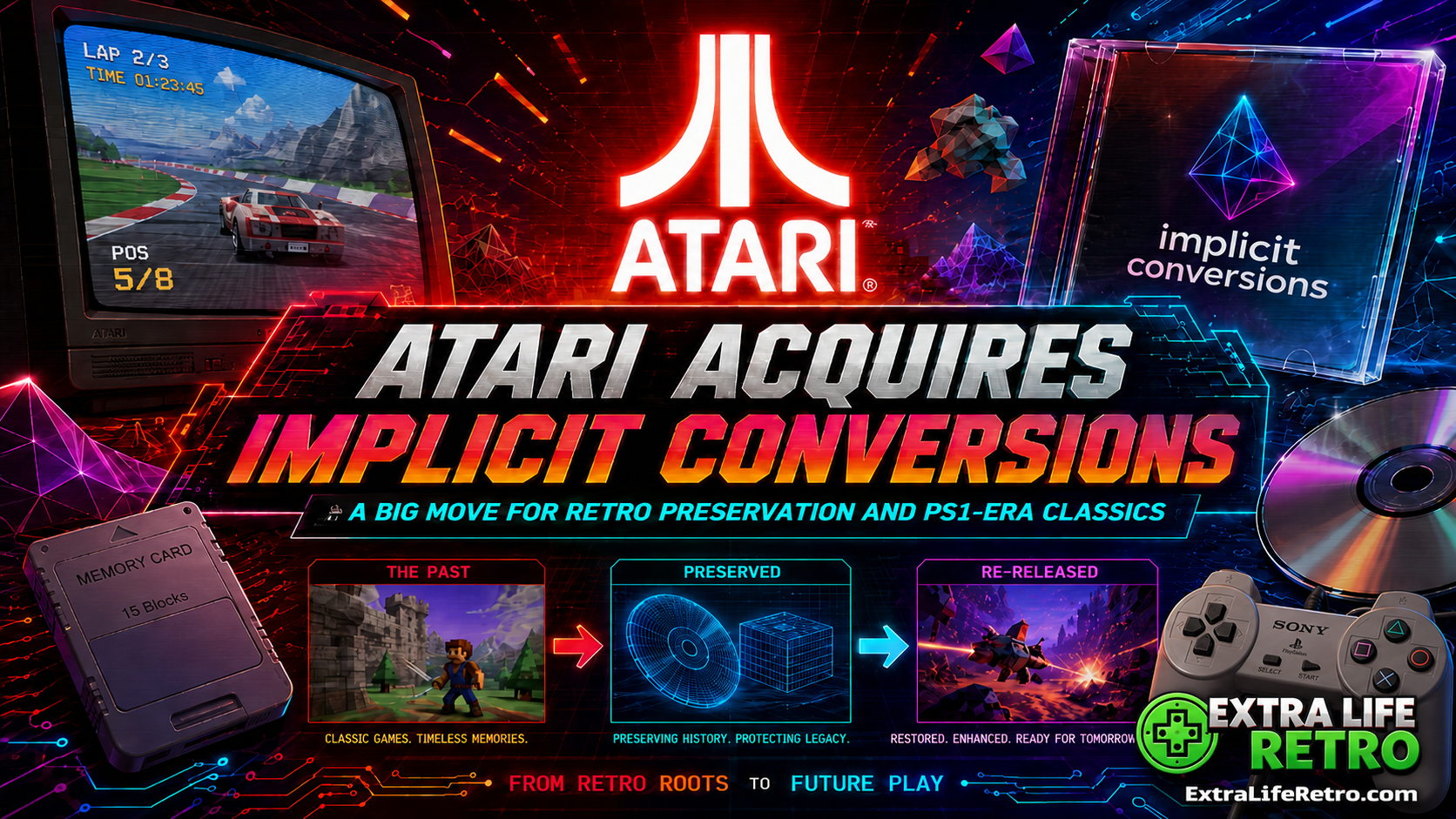
Atari Buys Implicit Conversions — And That Could Be Huge for PS1 Classics
Atari’s retro preservation push just got a serious PlayStation-era upgrade.
Atari just made another big move in the retro gaming world, and this one should make every PS1 kid sit up a little straighter.
The company has acquired Implicit Conversions, the emulation studio best known for bringing older games — especially PlayStation-era titles — to modern platforms. That may sound like inside-baseball industry news at first, but for retro fans, this is the kind of acquisition that could shape how more classic games survive, return, and actually play well on today’s hardware.
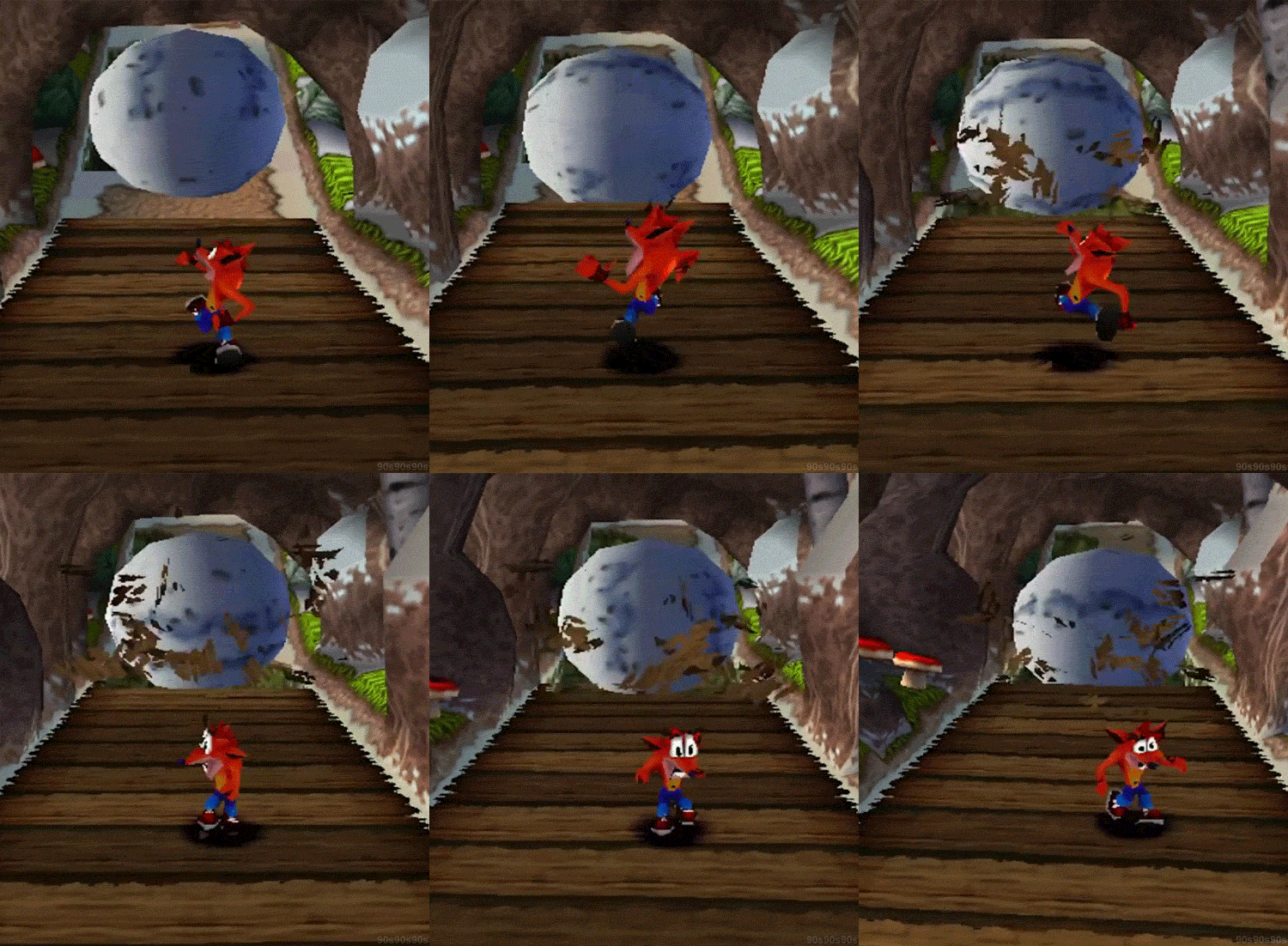
And let’s be honest: the original PlayStation era is still one of the messiest, most beloved, most personality-packed chapters in gaming history. It was the era of chunky polygons, pre-rendered backgrounds, scratched demo discs, weird licensed games, survival horror breakthroughs, JRPG glory, and those black-bottom discs that felt just a little more mysterious than everything else on the shelf.
So when a studio focused on bringing those games forward joins Atari’s growing retro-focused lineup, that is worth paying attention to.
What Happened?
Atari has acquired Implicit Conversions, a Delaware-based studio specializing in emulation and modern ports of games from the 8-bit, 16-bit, and 32-bit eras, with a strong focus on the original PlayStation. The studio’s proprietary Syrup Engine supports several classic systems, with PS1 as the big headline and PS2 support also in development.
Implicit Conversions has already been working with Atari subsidiary Digital Eclipse on projects including the Mortal Kombat: Legacy Kollection and the upcoming Rayman 30th Anniversary Edition. According to Implicit Conversions, the team has more games in the pipeline and does not expect current projects or timelines to be disrupted by the acquisition.
Financial terms were not disclosed.
Why This Matters for Retro Fans
This deal matters because Atari is not just buying another studio name. It is building a retro preservation toolbox.
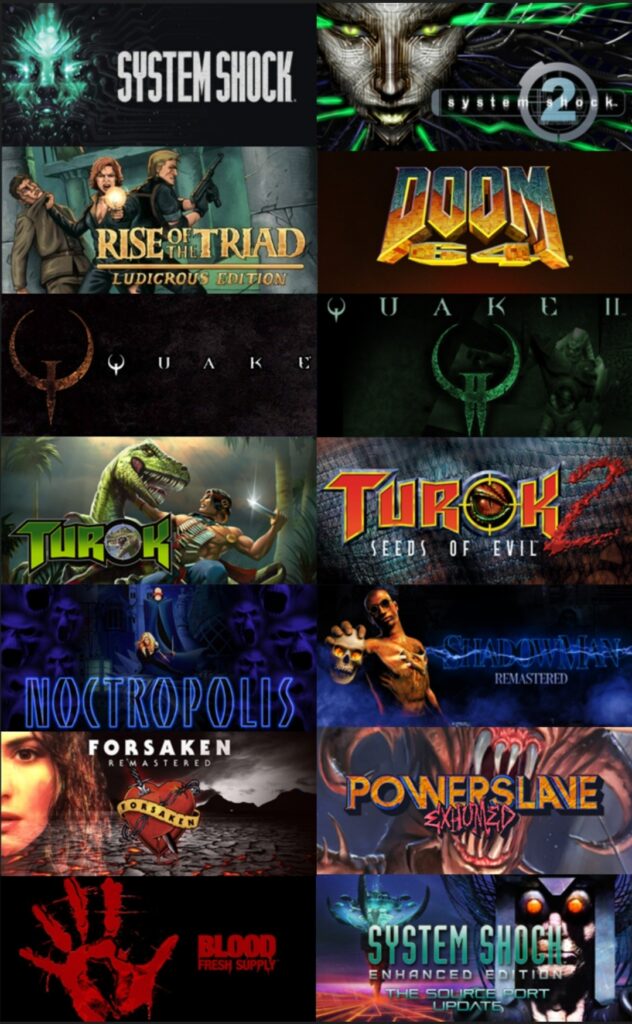
Atari already owns Digital Eclipse, known for its museum-style retro collections and 8-bit/16-bit work, and Nightdive Studios, which specializes in restoring and modernizing early 3D PC and console games. Adding Implicit Conversions gives Atari stronger coverage of that awkward but magical middle ground: the 32-bit era, especially PS1.
That is the sweet spot where a ton of classics live — and where modern re-releases can get tricky.
PS1 games are not just “old games.” They often carry very specific visual quirks, timing, texture warping, loading behavior, save systems, and controller expectations. A lazy port can make them feel wrong. A thoughtful one can preserve the original feel while adding just enough modern convenience to make the game playable for today’s audience.
That is the difference between dumping a ROM in a wrapper and actually treating a game like part of history.
The PlayStation Connection Is the Big Deal
Implicit Conversions’ technology is especially interesting because of its PlayStation focus. VGC reports that its engine currently supports seven classic systems, with the original PlayStation being the most notable, and PS2 support said to be coming soon.
Implicit Conversions itself says Atari was interested in the studio largely because of its PlayStation experience and ongoing work on Pancake for PS1, Waffle for PS2, and future work under the name Benedict for PS3.
That is where the imagination starts running.
No, this does not automatically mean every forgotten PS1 or PS2 classic is suddenly coming back. Licensing is still licensing. Music rights, publisher rights, source code issues, platform approvals, and business priorities can all get in the way.
But it does mean Atari now has more technical muscle for bringing difficult old games to modern consoles — especially from the era that gave us so many strange, ambitious, sometimes clunky, sometimes brilliant games that still deserve a second life.
The Fan Reaction: Cautious Optimism, With Some Atari Confusion
The general reaction from retro-minded players seems cautiously positive, but not blindly hype-drunk.
On Reddit, some fans focused on Atari’s bigger pattern of acquiring retro-focused studios and assets. One r/pcgaming comment pointed out that Atari now owns multiple development studios, including Nightdive, Digital Eclipse, Coatsink, Early Morning, Stormteller, and Implicit Conversions, along with brands and platforms like MobyGames, AtariAge, Infogrames, Accolade, Intellivision, and others.
Over on r/Games, the mood was more reflective. One commenter said Atari seems to be targeting companies that specialize in bringing retro games forward in a way that is “more than just slap a ROM on an emulator,” while another hoped the acquisition could improve Digital Eclipse’s emulation tech on consoles. Others were cautiously optimistic that Atari’s physical distribution could help more retro releases get accessible boxed versions instead of being trapped in limited-run scarcity.
That feels about right.
Retro fans want preservation. They want access. They want good ports. But they also know this space can get messy fast. Nobody wants beloved games locked behind bad emulation, disappearing digital storefronts, overpriced collector editions, or half-hearted compilations.
Best Way to Play Today
For now, the practical takeaway is simple: keep an eye on Atari, Digital Eclipse, Nightdive, and Implicit Conversions releases if you care about official retro re-releases.
Original PS1 hardware still has unmatched nostalgia — the memory cards, the startup sound, the jewel cases, the whole ritual. But collecting original discs can get expensive quickly, and playing on modern TVs can require extra gear like an HDMI adapter or upscaler.
Modern ports and collections are often the easier route, especially when they include save states, rewind, display options, art galleries, interviews, or historical extras. That is where companies like Digital Eclipse and Implicit Conversions can really shine: not replacing the original experience, but making it easier for more people to revisit these games without needing a full retro hardware shrine in the living room.
Atari Is Quietly Becoming a Retro Powerhouse
The modern version of Atari has had a strange journey, and longtime fans are right to be cautious. This is a brand with a complicated history, and not every Atari move over the years has inspired confidence.
But this particular direction makes sense.
Between Digital Eclipse, Nightdive Studios, and now Implicit Conversions, Atari is assembling a serious preservation-and-re-release lineup. Implicit Conversions says its main focus will remain on bringing retro games to modern consoles, while Atari CEO Wade Rosen framed the acquisition as strengthening the company’s suite of proprietary tools for its own catalog and partner back catalogs.
That is exactly the kind of thing retro fans should want to hear — as long as the results live up to the promise.
Because the best version of this future is exciting: more forgotten classics rescued, more PS1-era oddities made playable again, more thoughtful collections, more historical context, and fewer great games left stranded on aging discs and dying hardware.
For anyone who grew up flipping through PlayStation Magazine, renting games based on box art, or playing demo discs until the menu music burned into your brain, this news hits a little deeper than a standard studio acquisition.
It feels like another door cracking open.
And behind that door? Hopefully a whole lot of 32-bit magic waiting to come back.